Emmanuel Joseph Sieyès: Biography, Facts and Career
Who is Emmanuel Joseph Sieyès? An evergreen, sourced profile: biography, key facts and career.
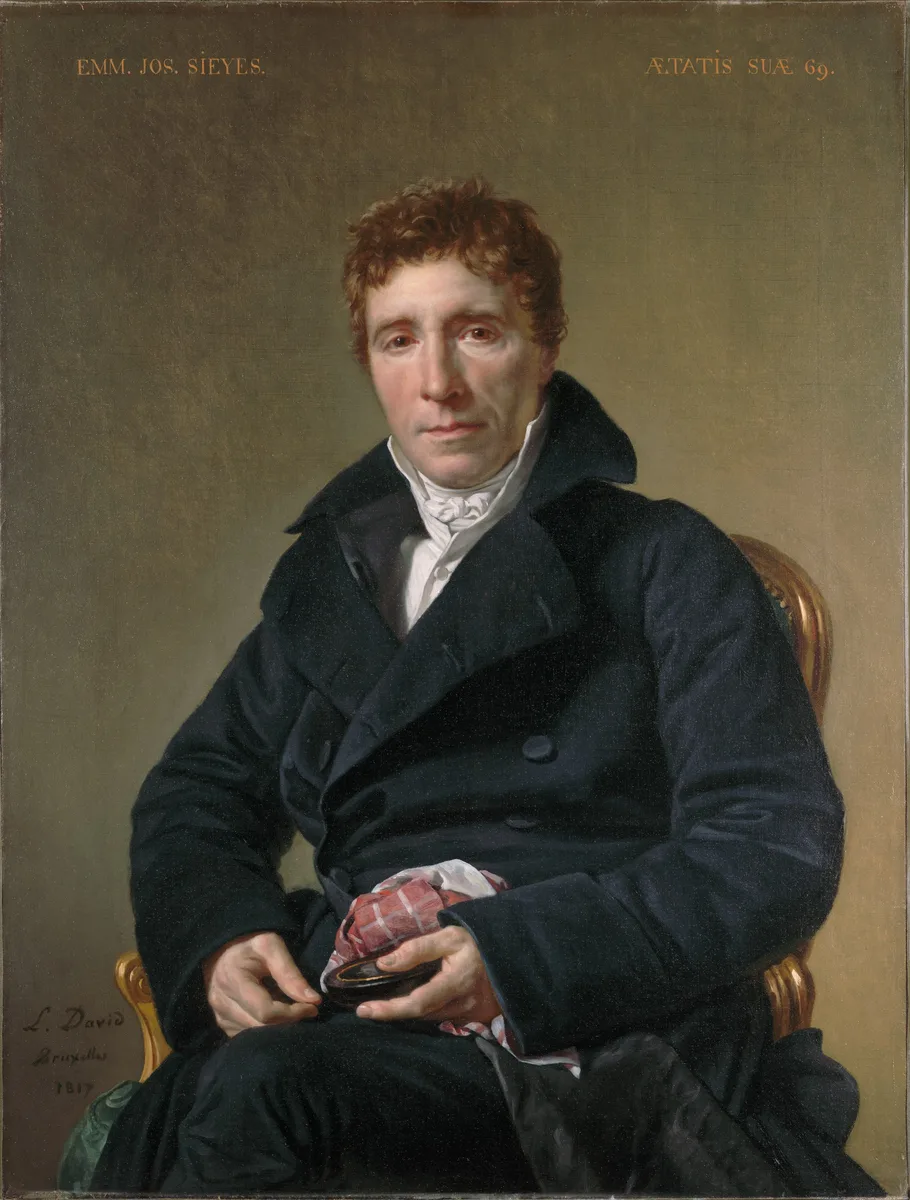
Emmanuel Joseph Sieyès (3 May 1748 – 20 June 1836), usually known as the Abbé Sieyès (traditional French pronunciation: [sijɛːs]; modern pronunciation: [sjejɛs]), was a French Catholic priest, abbé, and political writer who was a leading political theorist of the French Revolution (1789–1799). He also held offices in the governments of the French Consulate (1799–1804) and the First French Empire (1804–1815). His pamphlet What Is the Third Estate? (1789) became the political manifesto of the Revolution, which facilitated transforming the Estates-General into the National Assembly, in June 1789. He was offered and refused an office in the French Directory (1795–1799). After becoming a director in 1799, Sieyès was among the instigators of the Coup of 18 Brumaire (9 November), which installed Napoleon Bonaparte in power. In addition to his political and clerical life, Sieyès coined the term "sociologie", and contributed to the nascent social sciences.
Quick facts about Emmanuel Joseph Sieyès
- Full name: Emmanuel Joseph Sieyès
- Born: 1748-05-03
- Nationality: France
- Known as: Author
- Wikidata ID: Q294344
Profile compiled from public Wikipedia and Wikidata data. Details can change over time.
Frequently asked questions
Who is Emmanuel Joseph Sieyès?
Emmanuel Joseph Sieyès (3 May 1748 – 20 June 1836), usually known as the Abbé Sieyès (traditional French pronunciation: [sijɛːs]; modern pronunciation: [sjejɛs]), was a French Catholic priest, abbé, and political writer who was a leading political theorist of the French Revolution (1789–1799).
What nationality is Emmanuel Joseph Sieyès?
Emmanuel Joseph Sieyès is France.
When was Emmanuel Joseph Sieyès born?
Emmanuel Joseph Sieyès was born on 1748-05-03.
Sources
More in Books & Authors
Keep reading