George Canning: Biography, Facts and Career
Who is George Canning? An evergreen, sourced profile: biography, key facts and career.
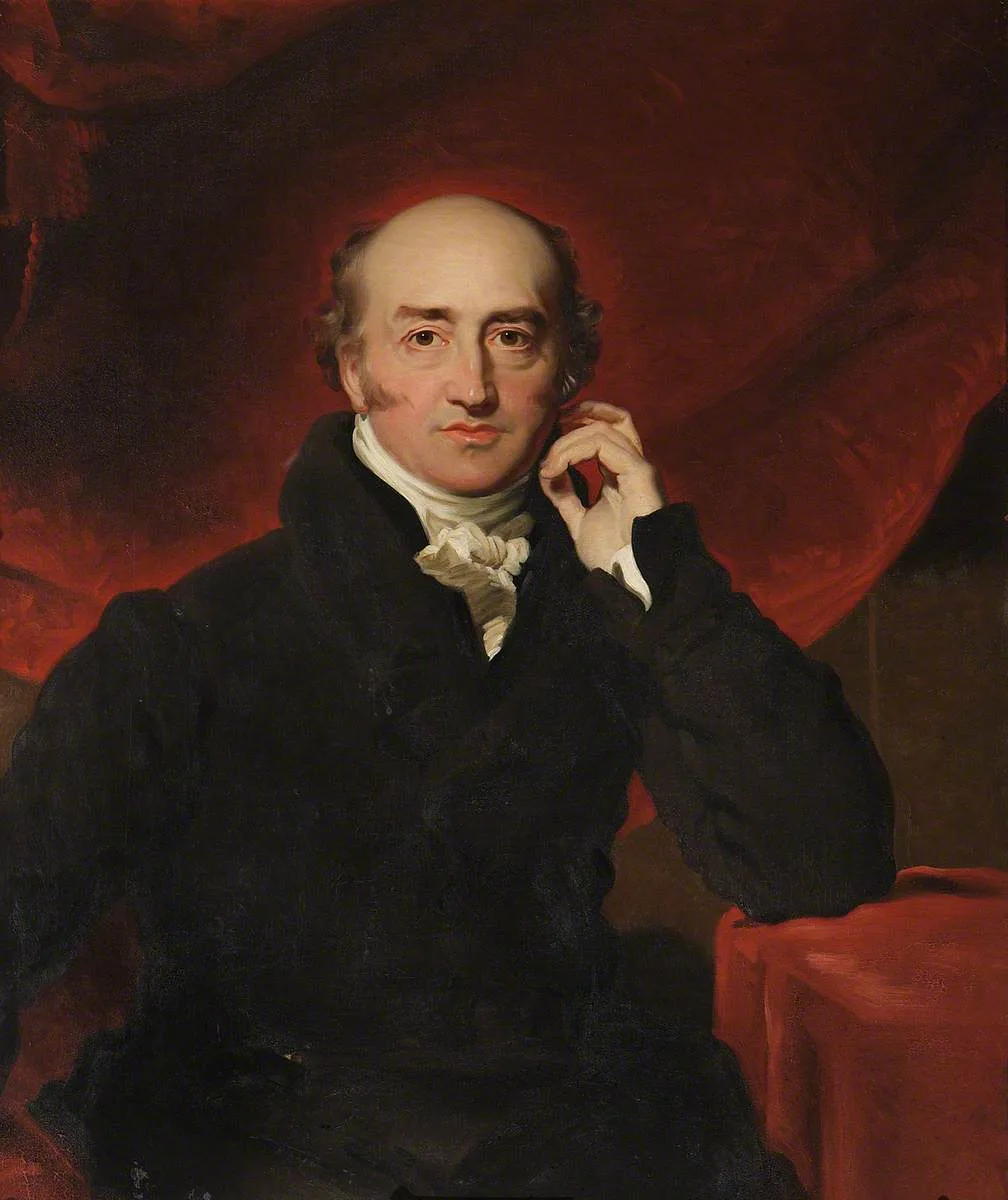
George Canning (11 April 1770 – 8 August 1827) was a British statesman and Tory politician. He became Prime Minister of the United Kingdom on 12 April 1827, but his premiership was cut short by his death 119 days later on 8 August 1827. Canning also figured prominently in the cabinets of Robert Jenkinson, 2nd Earl of Liverpool, and William Cavendish-Bentinck, 3rd Duke of Portland, with two terms as Foreign Secretary. The son of an actress and a failed businessman and lawyer, Canning was supported financially by his uncle, Stratford Canning, which allowed him to attend Eton College and Christ Church, Oxford. Canning entered politics in 1793 and rose rapidly. He was Paymaster of the Forces (1800–1801) and Treasurer of the Navy (1804–1806) under William Pitt the Younger. Canning was foreign secretary (1807–1809) under the Duke of Portland. Canning was the dominant figure in the cabinet and directed the Battle of Copenhagen, the seizure of the Danish fleet in 1807 to assure Britain's naval supremacy over Napoleon. In 1809, he was wounded in a duel with his rival Lord Castlereagh and was shortly thereafter passed over as a successor to the Duke of Portland in favour of Spencer Perceval. He rejected overtures to serve as foreign secretary again because of Castlereagh's presence in Perceval's Cabinet and he remained out of high office until after Perceval was assassinated in 1812. Canning served under the new prime minister the Earl of Liverpool as British Ambassador to Portugal (1814–1816), President of the Board of Control (1816–1821) and foreign secretary and Leader of the House of Commons (1822–1827). King George IV disliked Canning and there were efforts to frustrate his foreign policies. Canning gained much public support for his policies. The historian Paul Hayes argues that he achieved several diplomatic coups in relations with Spain and Portugal, by helping to guarantee the independence of the American colonies of Portugal and Spain. His policies ensured a major trading advantage for British merchants and supported the American Monroe Doctrine. The historian G. M. Trevelyan wrote
For five years England had been guided by the genius of Canning, and seldom have so much brilliancy and so much wisdom combined to produce such happy results. The constitutional medium through which that genius worked was the loyal friendship of the prime minister, Lord Liverpool. When Lord Liverpool resigned in April 1827, Canning was chosen to succeed him as prime minister, ahead of the Duke of Wellington and Sir Robert Peel. Both of them declined to serve under Canning and the Tories split between Peel and Wellington's Ultra-Tories and the Canningites. Canning then invited several Whigs to join his cabinet. His health collapsed, and he died of pneumonia at Chiswick House on 8 August 1827, whilst still in office. His tenure of 119 days in office made him the second shortest-serving prime minister in history, after Liz Truss's 49-day premiership in 2022.
Quick facts about George Canning
- Full name: George Canning
- Born: 1770-04-11
- Nationality: Kingdom of Great Britain
- Known as: Author
- Wikidata ID: Q219731
Profile compiled from public Wikipedia and Wikidata data. Details can change over time.
Frequently asked questions
Who is George Canning?
George Canning (11 April 1770 – 8 August 1827) was a British statesman and Tory politician.
What nationality is George Canning?
George Canning is Kingdom of Great Britain.
When was George Canning born?
George Canning was born on 1770-04-11.
Sources
More in Books & Authors
Keep reading