Hans von Bülow: Biography, Facts and Career
Who is Hans von Bülow? An evergreen, sourced profile: biography, key facts and career.
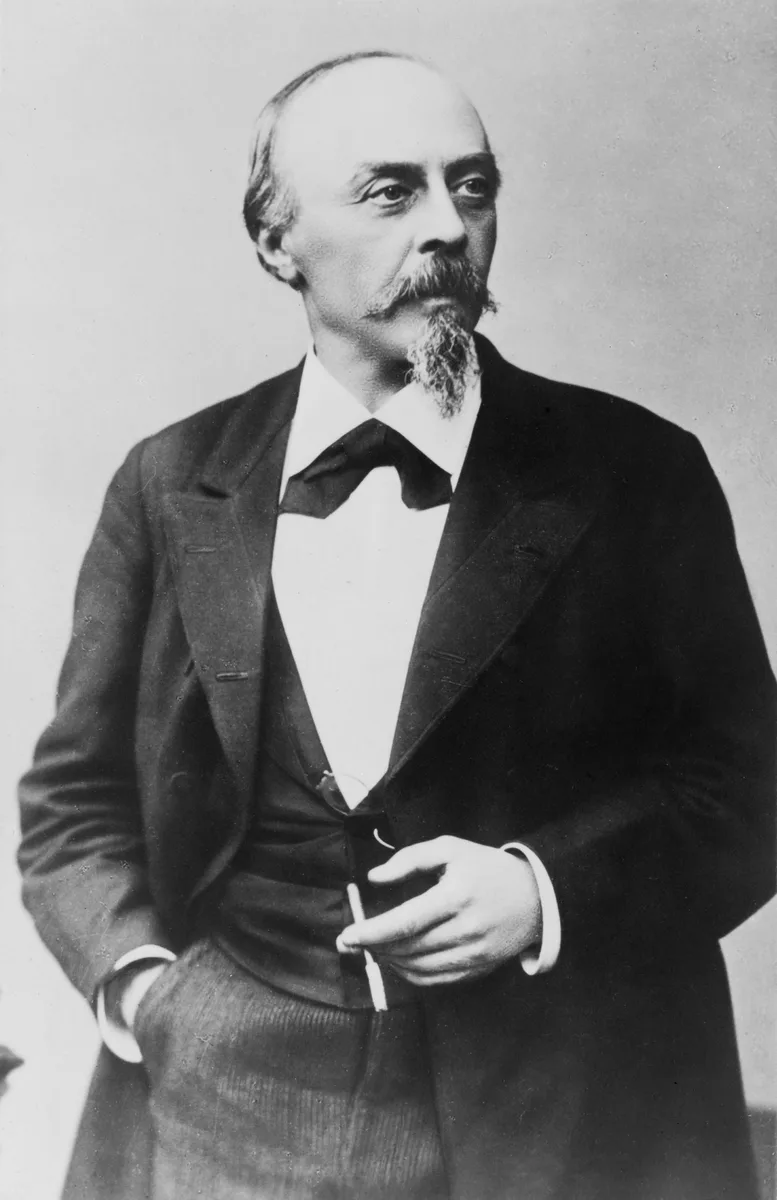
Freiherr Hans Guido von Bülow (German: [ˌhans fɔn ˈbyːlo] ; 8 January 1830 – 12 February 1894) was a German conductor, pianist, and composer of the Romantic era. As one of the most distinguished conductors of the 19th century, his activity was critical for establishing the successes of several major composers of the time, especially Richard Wagner and Johannes Brahms. Alongside Carl Tausig, Bülow was perhaps the most prominent of the early students of the Hungarian composer, pianist and conductor Franz Liszt; he gave the first public performance of Liszt's Sonata in B minor in 1857. He became acquainted with, fell in love with and eventually married Liszt's daughter Cosima, who later left him for Wagner. Noted for his interpretation of the works of Ludwig van Beethoven, he was one of the earliest European musicians to tour the United States.
Quick facts about Hans von Bülow
- Full name: Hans von Bülow
- Born: 1830-01-08
- Nationality: Kingdom of Saxony
- Known as: Author
- Wikidata ID: Q155540
Profile compiled from public Wikipedia and Wikidata data. Details can change over time.
Frequently asked questions
Who is Hans von Bülow?
Freiherr Hans Guido von Bülow (German: [ˌhans fɔn ˈbyːlo] ; 8 January 1830 – 12 February 1894) was a German conductor, pianist, and composer of the Romantic era.
What nationality is Hans von Bülow?
Hans von Bülow is Kingdom of Saxony.
When was Hans von Bülow born?
Hans von Bülow was born on 1830-01-08.
Sources
More in Books & Authors
Keep reading