Isidore of Seville: Biography, Facts and Career
Who is Isidore of Seville? An evergreen, sourced profile: biography, key facts and career.
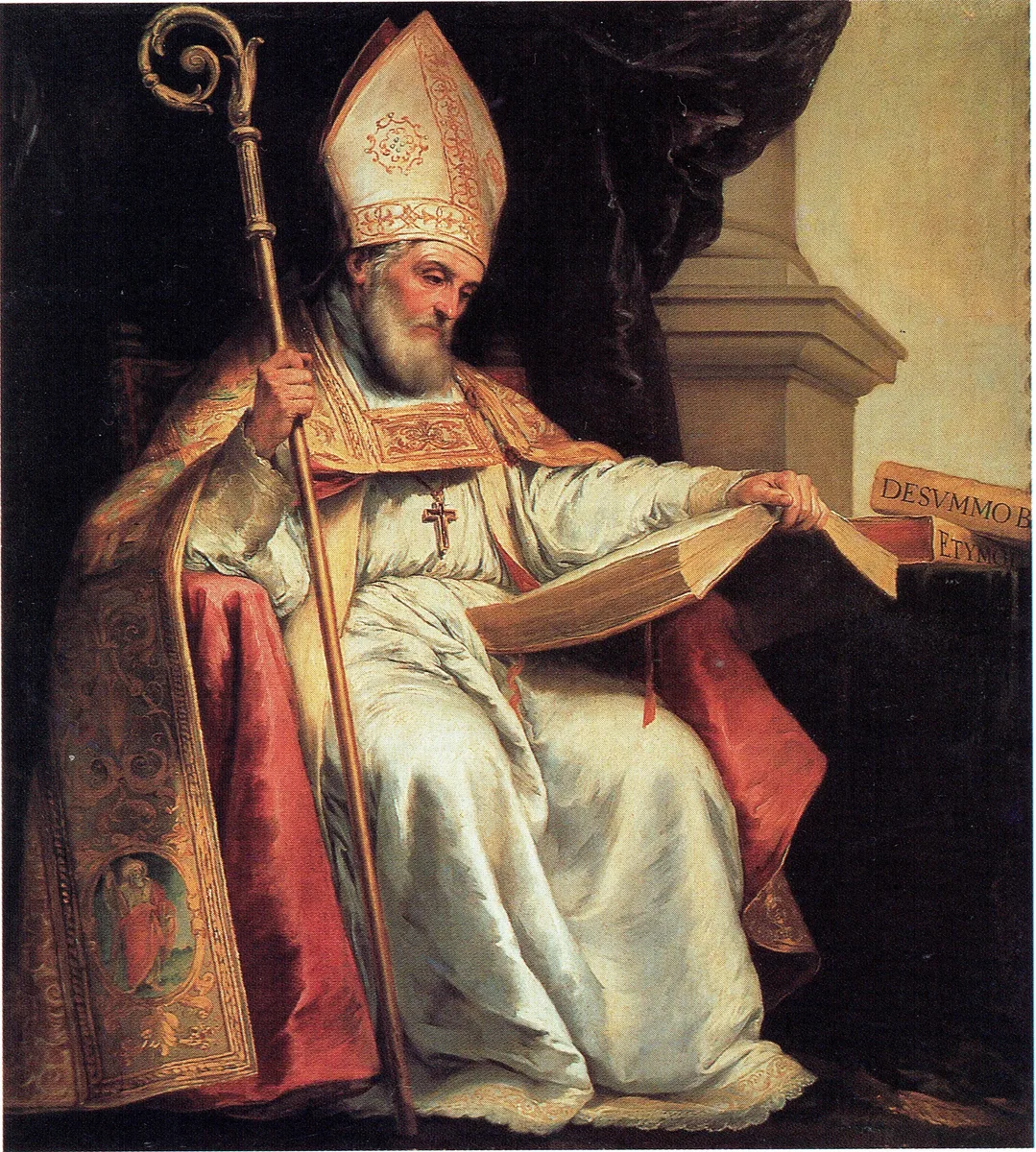
Isidore of Seville (Latin: Isidorus Hispalensis; c. 560 – 4 April 636) was a Hispano-Roman scholar, theologian and archbishop of Seville. He is widely regarded, in the words of the 19th-century historian Charles Forbes René de Montalembert, as "the last scholar of the ancient world". At a time of disintegration of classical culture, aristocratic violence, and widespread illiteracy, Isidore was involved in the conversion of the Arian Visigothic kings to Catholicism, both assisting his brother Leander of Seville and continuing after Leander's death. He was influential in the inner circle of Sisebut, Visigothic king of Hispania. Like Leander, he played a prominent role in the Councils of Toledo and Seville. His fame after his death was based on his Etymologiae, an etymological encyclopedia that assembled extracts of many books from classical antiquity that would otherwise have been lost. This work also helped to standardise the use of the full stop, comma and colon. Since the Early Middle Ages, Isidore has sometimes been called Isidore the Younger or Isidore Junior (Latin: Isidorus iunior), because of the earlier history purportedly written by Isidore of Córdoba.
Quick facts about Isidore of Seville
- Full name: Isidore of Seville
- Born: 0560-01-01
- Nationality: Kingdom of Toledo
- Known as: Author
- Wikidata ID: Q166876
Profile compiled from public Wikipedia and Wikidata data. Details can change over time.
Frequently asked questions
Who is Isidore of Seville?
Isidore of Seville (Latin: Isidorus Hispalensis; c. 560 – 4 April 636) was a Hispano-Roman scholar, theologian and archbishop of Seville.
What nationality is Isidore of Seville?
Isidore of Seville is Kingdom of Toledo.
When was Isidore of Seville born?
Isidore of Seville was born on 0560-01-01.
Sources
More in Books & Authors
Keep reading