Jorge Luis Borges: Biography, Facts and Career
Who is Jorge Luis Borges? An evergreen, sourced profile: biography, key facts and career.
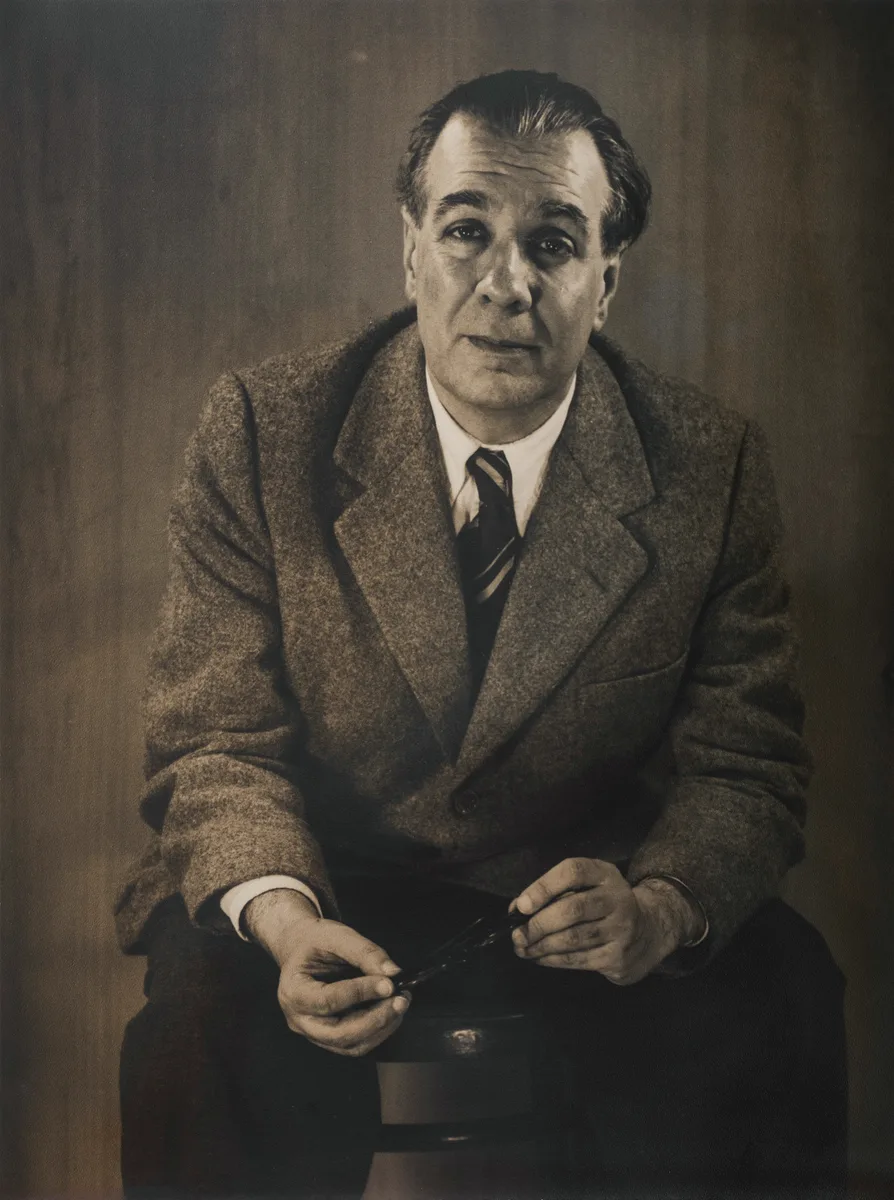
Jorge Francisco Isidoro Luis Borges ( BOR-hess; Spanish: [ˈxoɾxe ˈlwis ˈboɾxes] ; 24 August 1899 – 14 June 1986) was an Argentine short-story writer, essayist, poet and translator regarded as a key figure in Spanish-language and international literature. His best-known works, Ficciones (transl. Fictions) and El Aleph (transl. The Aleph), published in the 1940s, are collections of short stories exploring motifs such as dreams, labyrinths, chance, infinity, archives, mirrors, fictional writers, and mythology. Borges's works have contributed to philosophical literature and the fantasy genre, and have had a major influence on the magical realist movement in 20th century Latin American literature. Born in Buenos Aires, Borges later moved with his family to Switzerland in 1914, where he studied at the Collège de Genève. The family travelled widely in Europe, including Spain. On his return to Argentina in 1921, Borges began publishing his poems and essays in surrealist literary journals. He also worked as a librarian and public lecturer. In 1955, he was appointed director of the National Public Library and professor of English Literature at the University of Buenos Aires. He was completely blind by the age of 55. Scholars have proposed that his progressive loss of sight influenced his development of innovative literary symbols through imaginative techniques. By the 1960s, his work was translated and published widely in the United States and Europe. Borges himself was fluent in several languages. In 1961, Borges came to international attention when he received the first International Formentor Prize, which he shared with Samuel Beckett. His international reputation was consolidated in the 1960s, aided by the growing number of English translations, the Latin American Boom, and by the success of García Márquez's One Hundred Years of Solitude. He dedicated his final work, The Conspirators, to the city of Geneva, Switzerland. Writer and essayist J. M. Coetzee said of him: "He, more than anyone, renovated the language of fiction and thus opened the way to a remarkable generation of Spanish-American novelists." David Foster Wallace wrote: "The truth, briefly stated, is that Borges is arguably the great bridge between modernism and post-modernism in world literature ... His stories are inbent and hermetic, with the oblique terror of a game whose rules are unknown and its stakes everything."
Quick facts about Jorge Luis Borges
- Full name: Jorge Luis Borges
- Born: 1899-08-24
- Nationality: Argentina
- Known as: Author
- Wikidata ID: Q909
Profile compiled from public Wikipedia and Wikidata data. Details can change over time.
Frequently asked questions
Who is Jorge Luis Borges?
Jorge Francisco Isidoro Luis Borges ( BOR-hess; Spanish: [ˈxoɾxe ˈlwis ˈboɾxes] ; 24 August 1899 – 14 June 1986) was an Argentine short-story writer, essayist, poet and translator regarded as a key figure in Spanish-language and international literature.
What nationality is Jorge Luis Borges?
Jorge Luis Borges is Argentina.
When was Jorge Luis Borges born?
Jorge Luis Borges was born on 1899-08-24.
Sources
More in Books & Authors
Keep reading