Leszek Kołakowski: Biography, Facts and Career
Who is Leszek Kołakowski? An evergreen, sourced profile: biography, key facts and career.
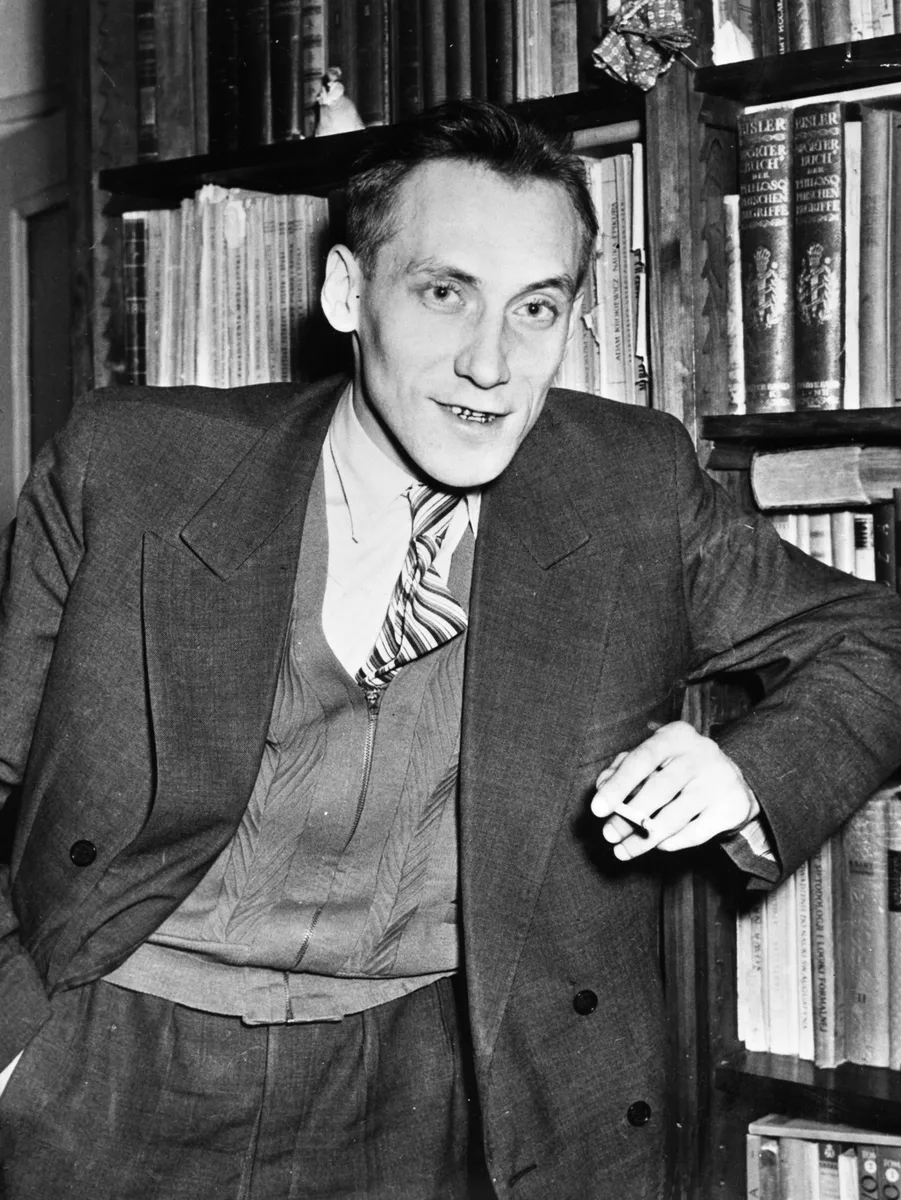
Leszek Kołakowski (; Polish: [ˈlɛʂɛk kɔwaˈkɔfskʲi]; 23 October 1927 – 17 July 2009) was a Polish philosopher and historian of ideas. He is best known for his critical analysis of contemporary Marxist thought and theory, as in his three-volume history of Marxist philosophy Main Currents of Marxism (1976). In his later work, Kołakowski increasingly focused on religious questions. In his 1986 Jefferson Lecture, he asserted that "we learn history not in order to know how to behave or how to succeed, but to know who we are". Kołakowski was initially a Marxist humanist, but he came to renounce it. Owing to his criticism of Marxism and of the Communist state system, Kołakowski was effectively exiled from Poland in 1968. He spent most of the remainder of his career at the University of Oxford, as a Fellow of All Souls College. Despite being in exile, Kołakowski was a major inspiration to the Solidarity movement which flourished in Poland in the 1980s and is credited by some as having helped bring about the collapse of the Soviet Union. Bronisław Geremek dubbed him as the "awakener of human hopes". Among many awards, he was a laureate of the MacArthur Fellowship and Erasmus Prize in 1983, the 2003 Kluge Prize, and in 2007, the Jerusalem Prize.
Quick facts about Leszek Kołakowski
- Full name: Leszek Kołakowski
- Born: 1927-10-23
- Nationality: Poland
- Known as: Author
- Wikidata ID: Q157318
Profile compiled from public Wikipedia and Wikidata data. Details can change over time.
Frequently asked questions
Who is Leszek Kołakowski?
Leszek Kołakowski (; Polish: [ˈlɛʂɛk kɔwaˈkɔfskʲi]; 23 October 1927 – 17 July 2009) was a Polish philosopher and historian of ideas.
What nationality is Leszek Kołakowski?
Leszek Kołakowski is Poland.
When was Leszek Kołakowski born?
Leszek Kołakowski was born on 1927-10-23.
Sources
More in Books & Authors
Keep reading