Marquis de Sade: Biography, Facts and Career
Who is Marquis de Sade? An evergreen, sourced profile: biography, key facts and career.
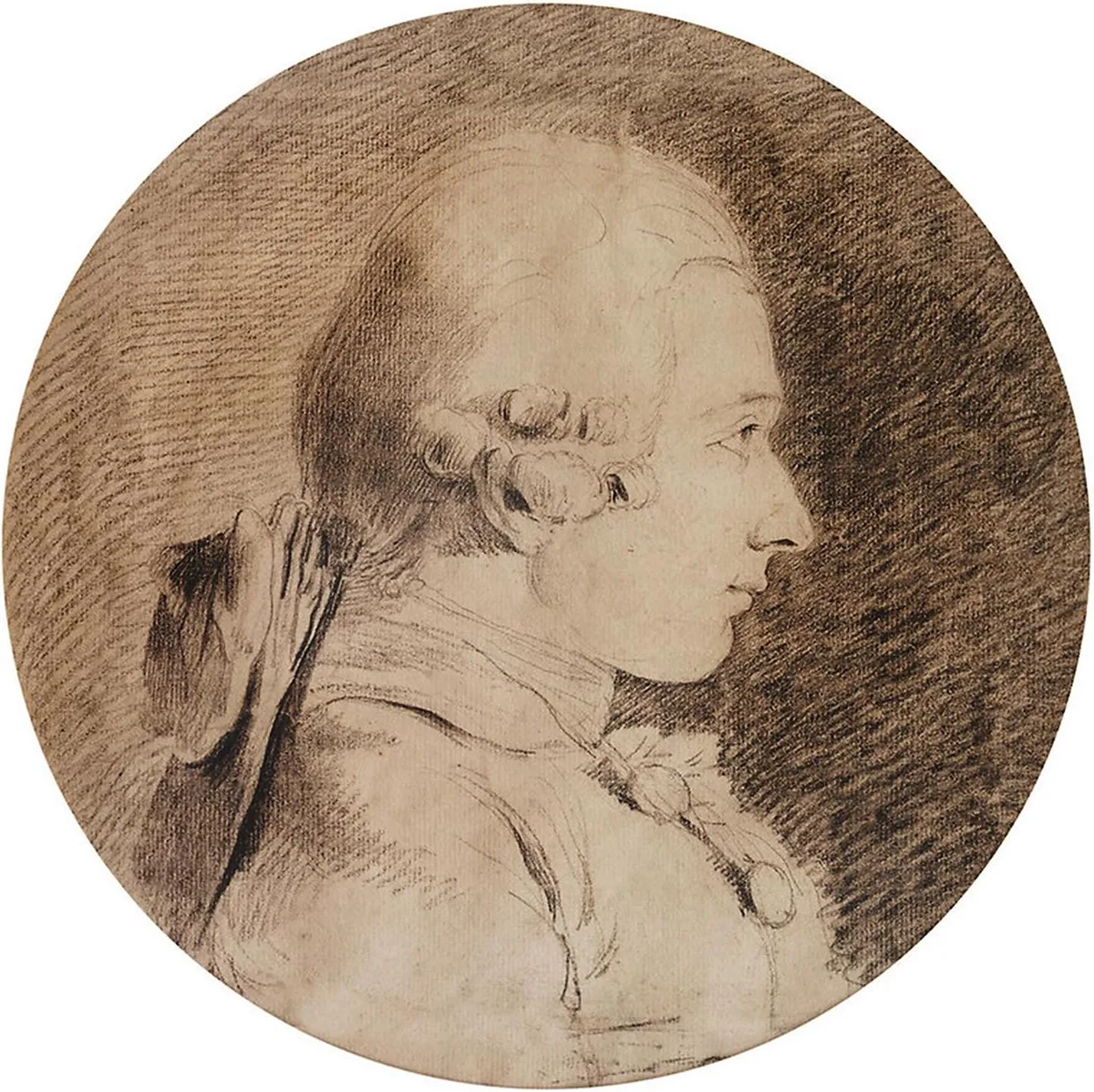
Donatien Alphonse François, Marquis de Sade ( SA(H)D; French: [dɔnasjɛ̃ alfɔ̃s fʁɑ̃swa maʁki də sad]; 2 June 1740 – 2 December 1814) was a French writer, libertine, political activist, and nobleman best known for his libertine novels and imprisonment for sex crimes, blasphemy, and pornography. His works include novels, short stories, plays, dialogues, and political tracts. Some of these were published under his own name during his lifetime, but most appeared anonymously or posthumously. Born into a noble family dating back to the 13th century, Sade served as an officer in the Seven Years' War before a series of sex scandals led to his detention in various prisons and insane asylums for most of his adult life. During his first extended imprisonment from 1777 to 1790, he wrote a series of novels and other works, some of which his wife smuggled out of prison. On his release during the French Revolution, he pursued a literary career and became politically active, first as a constitutional monarchist then as a radical republican. During the Reign of Terror, he was imprisoned for moderatism and narrowly escaped the guillotine. He was re-arrested in 1801 for his pornographic novels and was eventually incarcerated in the Charenton insane asylum, where he died in 1814. His major works include The 120 Days of Sodom, Justine, Juliette and Philosophy in the Bedroom, which combine graphic descriptions of sex acts, rape, torture, murder, and child abuse with discourses on religion, politics, sexuality, and philosophy. The word sadism derives from his fictional characters who take pleasure in inflicting pain on others. There is debate over the extent to which Sade's behavior was criminal and sadistic. Peter Marshall states that Sade's "known behaviour (which includes only the beating of a housemaid and an orgy with several prostitutes) departs greatly from the clinical picture of active sadism". Andrea Dworkin, however, argues that the issue is whether one believes Sade or the women who accused him of sexual assault. Interest in his work increased in the 20th century, with various authors considering him a precursor to Friedrich Nietzsche, Sigmund Freud, surrealism, totalitarianism, and anarchism. Many prominent intellectuals, including Angela Carter, Simone de Beauvoir, and Roland Barthes, published studies of his work, and numerous biographies have also been produced. Cultural depictions of his life and work include the play Marat/Sade by Peter Weiss and the film Salò, or the 120 Days of Sodom by Pier Paolo Pasolini. Dworkin and Roger Shattuck have criticized the rehabilitation of Sade's reputation, arguing that it promotes violent pornography likely to cause harm to women, the young and "unformed minds".
Quick facts about Marquis de Sade
- Full name: Marquis de Sade
- Born: 1740-06-02
- Nationality: Kingdom of France
- Known as: Author
- Wikidata ID: Q123867
Profile compiled from public Wikipedia and Wikidata data. Details can change over time.
Frequently asked questions
Who is Marquis de Sade?
Donatien Alphonse François, Marquis de Sade ( SA(H)D; French: [dɔnasjɛ̃ alfɔ̃s fʁɑ̃swa maʁki də sad]; 2 June 1740 – 2 December 1814) was a French writer, libertine, political activist, and nobleman best known for his libertine novels and imprisonment for sex crimes, blasphemy, and pornography.
What nationality is Marquis de Sade?
Marquis de Sade is Kingdom of France.
When was Marquis de Sade born?
Marquis de Sade was born on 1740-06-02.
Sources
More in Books & Authors
Keep reading