Maurice Scève: Biography, Facts and Career
Who is Maurice Scève? An evergreen, sourced profile: biography, key facts and career.
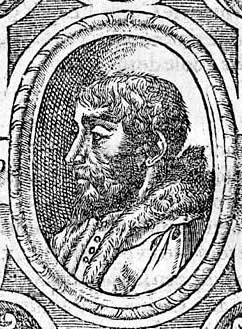
Maurice Scève (c. 1501 – c. 1564) was a French poet active in Lyon during the Renaissance period. He was the centre of the Lyonnese côterie that elaborated the theory of spiritual love, derived partly from Plato and partly from Petrarch. This spiritual love, which animated Antoine Héroet's Parfaicte Amye (1543) as well, owed much to Marsilio Ficino, the Florentine translator and commentator of Plato's works. Scève's chief works are Délie, objet de plus haulte vertu (1544); five anatomical blazons; the elegy Arion (1536) and the eclogue La Saulsaye (1547); and Microcosme (1562), an encyclopaedic poem beginning with the fall of man. Scève's epigrams, which have seen renewed critical interest since the late 19th century, were seen as difficult even in Scève's own day, although Scève was praised by Du Bellay Bellay, Ronsard, Pontus de Tyard and Des Autels for raising French poetry to new, higher aesthetic standards.
Quick facts about Maurice Scève
- Full name: Maurice Scève
- Born: 1501-01-01
- Nationality: France
- Known as: Author
- Wikidata ID: Q250321
Profile compiled from public Wikipedia and Wikidata data. Details can change over time.
Frequently asked questions
Who is Maurice Scève?
Maurice Scève (c. 1501 – c. 1564) was a French poet active in Lyon during the Renaissance period.
What nationality is Maurice Scève?
Maurice Scève is France.
When was Maurice Scève born?
Maurice Scève was born on 1501-01-01.
Sources
More in Books & Authors
Keep reading