Nicholas Roerich: Biography, Facts and Career
Who is Nicholas Roerich? An evergreen, sourced profile: biography, key facts and career.
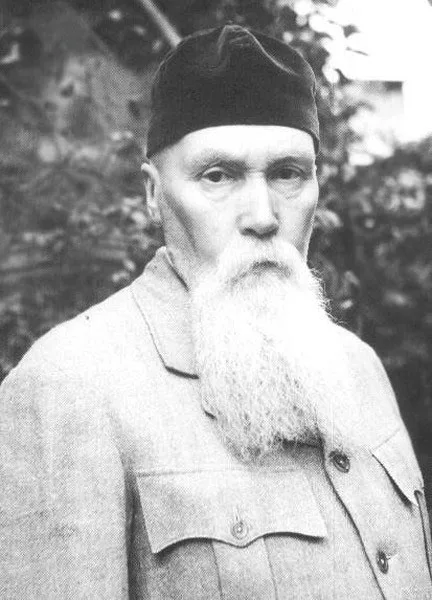
Nikolai Konstantinovich Rerikh (Russian: Николай Константинович Рерих), better known as Nicholas Roerich (; October 9, 1874 – December 13, 1947), was a Russian polymath, painter, writer, archaeologist, theosophist, philosopher, and public figure. He is best known for his prolific body of artwork, which spans over 7,000 paintings, and his contributions to a wide array of cultural, political, intellectual, and artistic movements and causes. Born in Saint Petersburg to a Baltic German father and Russian mother, Roerich had a privileged upbringing that exposed him to many artists, intellectuals, and scientists. In his youth he displayed a natural curiosity and aptitude for various activities and subjects ranging from drawing to botany. Trained as an artist and lawyer, his main interests were literature, philosophy, archaeology, spiritual practice, and esotericism. An avid music enthusiast, he also found success in set design, most notably for Sergei Diaghilev's Ballets Russes and for the 1913 premiere of Igor Stravinsky’s early Modernist ballet The Rite of Spring. Roerich was deeply influenced by Russian Symbolism, which promoted mysticism, free expression, and the transformative power of art, and Russian Cosmism, which sought to integrate science, religion, and metaphysics into a unified worldview. Drawing inspiration from prehistoric, Russian, Central Asian, and Eastern civilizations, his paintings focus on grand natural landscapes, particularly the Himalayas, symbolic imagery, and mythical and religious themes. Roerich's artwork has been noted for its ethereal and transcendental qualities, which reflect his belief that art could serve as a vehicle for spirituality, personal transformation, and global harmony. Roerich lived in various places until his death in Naggar, India. He organized and participated in expeditions across Central and East Asia and founded more than a dozen cultural and educational institutions and societies worldwide. Motivated by the idea of "Peace through Culture", Roerich advocated for the universal preservation of art and architecture; he launched and led the Banner of Peace movement that culminated in the so-called Roerich Pact for the protection of cultural objects, which was ratified by the United States and most other nations of the Pan-American Union in April 1935. For these efforts he was nominated several times for the Nobel Peace Prize. With his wife Helena (née Shaposhnikova), Roerich established the neo-theosophical doctrine of Agni Yoga, which combines elements of Western and Eastern thought, religion, and philosophy. Also known as "the Living Ethics", this body of teachings, along with Roerich's spiritual and philosophical works and ideas, forms the basis of a spiritual, cultural and social movement known as Roerichism.
Quick facts about Nicholas Roerich
- Full name: Nicholas Roerich
- Born: 1874-09-27
- Nationality: Russian Empire
- Known as: Author
- Wikidata ID: Q208993
Profile compiled from public Wikipedia and Wikidata data. Details can change over time.
Frequently asked questions
Who is Nicholas Roerich?
Nikolai Konstantinovich Rerikh (Russian: Николай Константинович Рерих), better known as Nicholas Roerich (; October 9, 1874 – December 13, 1947), was a Russian polymath, painter, writer, archaeologist, theosophist, philosopher, and public figure.
What nationality is Nicholas Roerich?
Nicholas Roerich is Russian Empire.
When was Nicholas Roerich born?
Nicholas Roerich was born on 1874-09-27.
Sources
More in Books & Authors
Keep reading