Proclus: Biography, Facts and Career
Who is Proclus? An evergreen, sourced profile: biography, key facts and career.
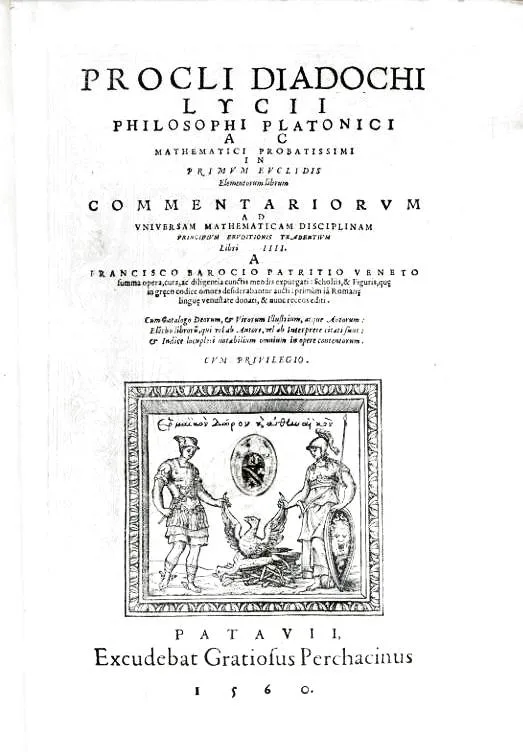
Proclus Lycius (; 8 February 412 CE – 17 April 485 CE), called Proclus the Successor (Ancient Greek: Πρόκλος ὁ Διάδοχος, Próklos ho Diádokhos), was a Greek Neoplatonic philosopher, one of the last major classical philosophers of late antiquity. He set forth one of the most elaborate and fully developed systems of Neoplatonism and, through later interpreters and translators, exerted an influence on Byzantine philosophy, early Islamic philosophy, scholastic philosophy, and German idealism, especially G. W. F. Hegel, who called Proclus's Platonic Theology "the true turning point or transition from ancient to modern times, from ancient philosophy to Christianity."
Quick facts about Proclus
- Full name: Proclus
- Born: 0412-02-09
- Nationality: Byzantine Empire
- Known as: Author
- Wikidata ID: Q271809
Profile compiled from public Wikipedia and Wikidata data. Details can change over time.
Frequently asked questions
Who is Proclus?
Proclus Lycius (; 8 February 412 CE – 17 April 485 CE), called Proclus the Successor (Ancient Greek: Πρόκλος ὁ Διάδοχος, Próklos ho Diádokhos), was a Greek Neoplatonic philosopher, one of the last major classical philosophers of late antiquity.
What nationality is Proclus?
Proclus is Byzantine Empire.
When was Proclus born?
Proclus was born on 0412-02-09.
Sources
More in Books & Authors
Keep reading