Vuk Karadžić: Biography, Facts and Career
Who is Vuk Karadžić? An evergreen, sourced profile: biography, key facts and career.
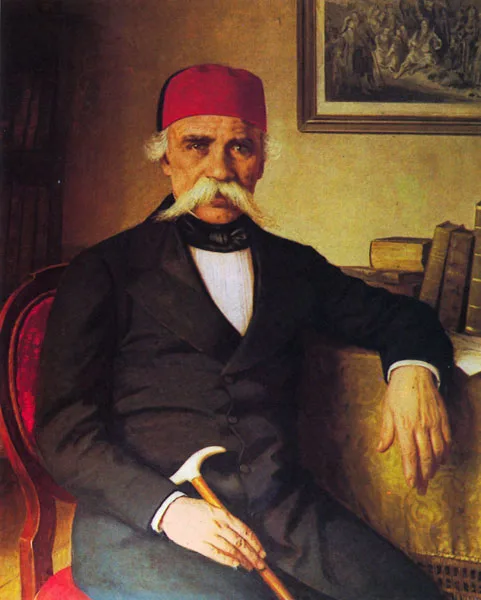
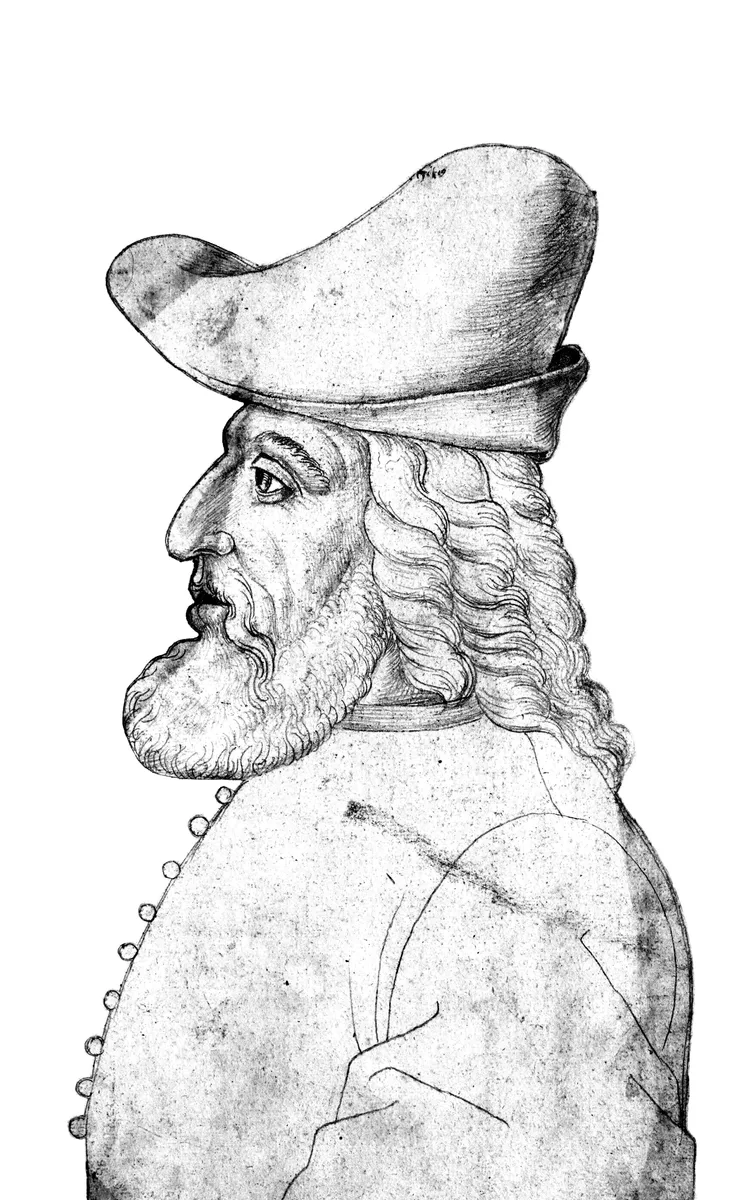
Vuk Stefanović Karadžić (Serbian Cyrillic: Вук Стефановић Караџић, pronounced [vûːk stefǎːnovitɕ kâradʒitɕ]; 6 November 1787 (26 October OS) – 7 February 1864) was a Serbian philologist, anthropologist and linguist. He was one of the most important reformers of the modern Serbian language. Vuk Karadžić was a versatile scholar and the founder of several Serbian academic disciplines, with a significant contribution to historiography. For his collection and preservation of Serbian folktales, Encyclopædia Britannica labelled Karadžić "the father of Serbian folk-literature scholarship." He was also the author of the first Serbian dictionary in the new reformed language. In addition, he translated the New Testament into the reformed form of the Serbian spelling and language. He was well known abroad and familiar to Jacob Grimm, Johann Wolfgang von Goethe and historian Leopold von Ranke. Karadžić was the primary source for Ranke's Die serbische Revolution ("The Serbian Revolution"), written in 1829.
Quick facts about Vuk Karadžić
- Full name: Vuk Karadžić
- Born: 1787-11-06
- Nationality: Ottoman Empire
- Known as: Author
- Wikidata ID: Q202815
Profile compiled from public Wikipedia and Wikidata data. Details can change over time.
Frequently asked questions
Who is Vuk Karadžić?
Vuk Stefanović Karadžić (Serbian Cyrillic: Вук Стефановић Караџић, pronounced [vûːk stefǎːnovitɕ kâradʒitɕ]; 6 November 1787 (26 October OS) – 7 February 1864) was a Serbian philologist, anthropologist and linguist.
What nationality is Vuk Karadžić?
Vuk Karadžić is Ottoman Empire.
When was Vuk Karadžić born?
Vuk Karadžić was born on 1787-11-06.
Sources
More in Books & Authors
Keep reading