Xenocrates: Biography, Facts and Career
Who is Xenocrates? An evergreen, sourced profile: biography, key facts and career.
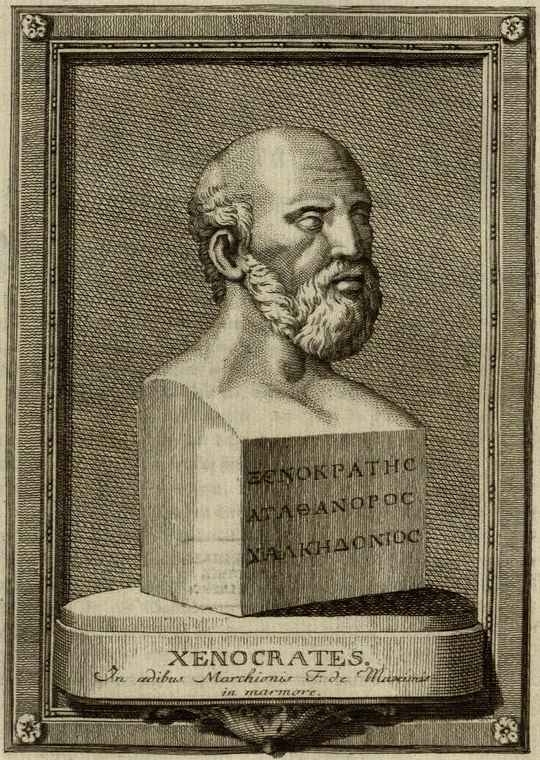
Xenocrates (; Greek: Ξενοκράτης; c. 396/5 – 314/3 BC) of Chalcedon was a Greek philosopher, mathematician, and leader (scholarch) of the Platonic Academy from 339/8 to 314/3 BC. His teachings followed those of Plato, which he attempted to define more closely, often with mathematical elements. He distinguished three forms of being: the sensible, the intelligible, and a third compounded of the two, to which correspond respectively, sense, intellect and opinion. He considered unity and duality to be gods which rule the universe, and the soul a self-moving number. God pervades all things, and there are daemonical powers, intermediate between the divine and the mortal, which consist in conditions of the soul. He held that mathematical objects and the Platonic Ideas are identical, unlike Plato who distinguished them. In ethics, he taught that virtue produces happiness, but external goods can minister to it and enable it to effect its purpose.
Quick facts about Xenocrates
- Full name: Xenocrates
- Born: -0395-01-0
- Nationality: Classical Athens
- Known as: Author
- Wikidata ID: Q214121
Profile compiled from public Wikipedia and Wikidata data. Details can change over time.
Frequently asked questions
Who is Xenocrates?
Xenocrates (; Greek: Ξενοκράτης; c.
What nationality is Xenocrates?
Xenocrates is Classical Athens.
When was Xenocrates born?
Xenocrates was born on -0395-01-0.
Sources
More in Books & Authors
Keep reading