Who Is Lady of the Lake? Origin, Powers and Key Facts
Lady of the Lake (In the Public Domain): The Celtic goddess of lakes.
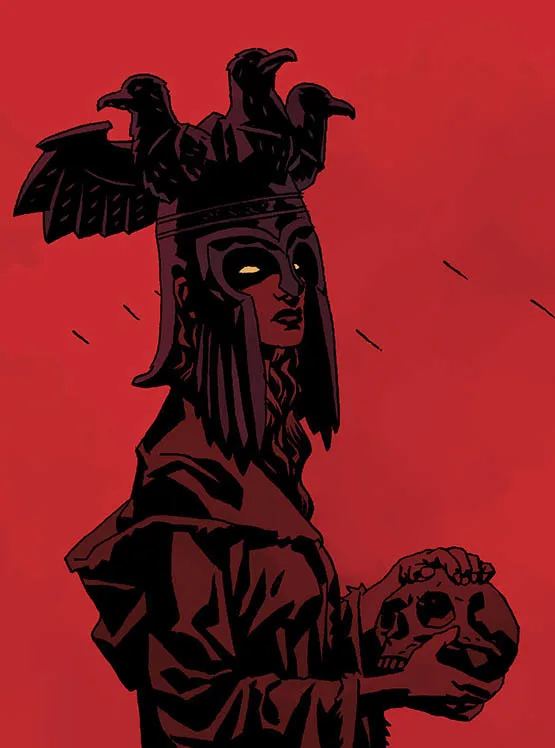
Lady of the Lake is a In the Public Domain comic book character, the alter ego of Niamh Chinn Óir, with over 207 comic issue appearances. The Celtic goddess of lakes.
Who is Lady of the Lake?
In Medieval Literature The Lancelot-Grail Cycle provides a back-story for the Lady of the Lake, Viviane, in the prose Merlin section, which takes place before the Lancelot Proper, though it was written later. There, Viviane learns her magic from Merlin, who becomes enamored of her. She refuses to give him her love until he has taught her all his secrets, after which she uses her power to trap him either in the trunk of a tree or beneath a stone, depending on the story and author. Though Merlin, through his power of foresight knows beforehand that this will happen, he is unable to counteract Viviane because of the "truth" this ability of foresight holds. He decides to do nothing for his situation other than to continue to teach her his secrets until she takes the opportunity to entrap and entomb him in a tree, a stone or a cave. The Post-Vulgate Cycle's second Lady of the Lake is called Ninianne, and her story is nearly identical to the one in the Lancelot-Grail, though it adds her bestowal of the magic sword Excalibur to Arthur. Sir Thomas Malory also uses both Ladies of the Lake in his Le Morte d'Arthur; he leaves the first one unnamed and calls the second one Nimue. Malory's orig.
Key facts
Lady of the Lake is of god/eternal origin. The character is published by In the Public Domain. With 207 recorded issue appearances, Lady of the Lake ranks among the most featured characters in comics.
Frequently asked questions
Who is Lady of the Lake?
The Celtic goddess of lakes.
What is Lady of the Lake's real name?
Lady of the Lake's real identity is Niamh Chinn Óir.
Sources
More in Books & Authors
Keep reading