Crime fiction: History and Key Facts
Crime fiction, detective story, murder mystery, crime novel, mystery novel, and police novel are terms used to describe narratives or fiction that centre on criminal acts and especially on the in
48 articles

Crime fiction, detective story, murder mystery, crime novel, mystery novel, and police novel are terms used to describe narratives or fiction that centre on criminal acts and especially on the in

The picaresque novel is a genre of prose fiction that depicts the adventures of a roguish but appealing hero, usually of low social class, who lives by his wits in a corrupt society.

Afrofuturism is a cultural aesthetic that explores the intersection of the African diaspora culture with science and technology.

Mystery is a fiction genre where the nature of an event, often a murder or other crime, remains mysterious until the end of the story.
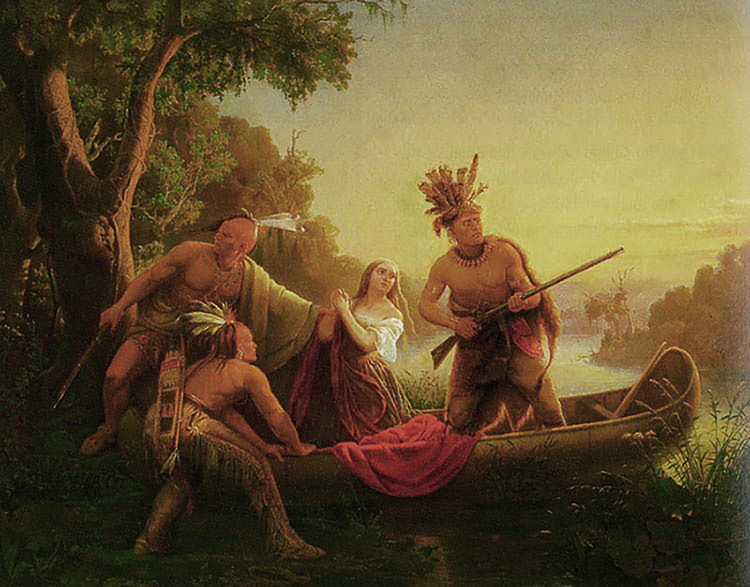
Captivity narratives are typically personal accounts of people who have been captured by an enemy, generally an enemy with a foreign culture.

The Carnivalesque is a literary mode that subverts and liberates the assumptions of the dominant style or atmosphere through humor and chaos.

A memoir (; from French mémoire [me.mwaʁ], from Latin memoria 'memory, remembrance') is any nonfiction narrative writing based on the author's personal memories.

A roman à clef ( roh-MON ə KLAY; French: [ʁɔmɑ̃n‿a kle]; lit.

A yellow-back or yellowback is a cheap novel which was published in Britain in the second half of the 19th century.

Romance is "a fictitious narrative in prose or verse; the interest of which turns upon marvellous and uncommon incidents", a narrative method that was contrasted to the new, main tradition of the

Satire is a genre of the visual, literary, and performing arts, usually in the form of fiction and less frequently non-fiction, in which vices, follies, abuses, and shortcomings are held up to ri

The Western is a genre set in the American frontier and commonly associated with folk tales of the Western United States, particularly the Southwestern United States, as well as Northern Mexico a

Tarikh (Arabic: تاريخ, romanized: tārīkh) is an Arabic word meaning "date, chronology, era", whence by extension "annals, history, historiography".
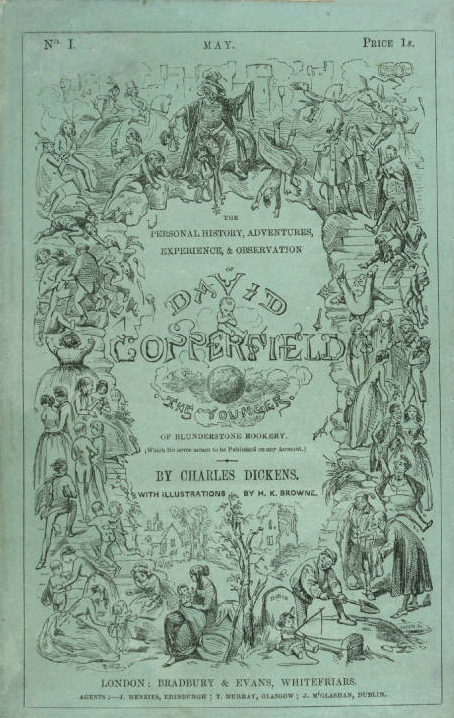
An autobiographical novel, also known as an autobiographical fiction, fictional autobiography, or autobiographical fiction novel, is a type of novel which uses autofiction techniques, or the merg

Nordic noir, also known as Scandinavian noir, is a genre of crime fiction usually written from a police point of view and set in Scandinavia or the Nordic countries.

Political fiction employs narrative to comment on political events, systems and theories.

Apocalyptic literature (from Ancient Greek ἀποκάλυψις (apokálupsis) 'revelation, disclosure') is a literary genre originating in Judaism in the centuries following the Babylonian exile (597–587 B

Robinsonade ( ROB-in-sən-AYD) is a literary genre of fiction wherein a person or a group of persons is suddenly separated from civilization, usually by being shipwrecked or marooned on a secluded

Grotesque is an adjective often used to describe weird shapes and distorted forms such as Halloween masks.

Jacobin novels were written between 1780 and 1805 by British radicals who supported the ideals of the French Revolution.

The novel of manners is a work of fiction that re-creates a social world, conveying with detailed observation the complex of customs, values, and mores of a stratified society.

As a literary genre, the chivalric romance is a type of prose and verse narrative that was popular in the noble courts of high medieval and early modern Europe.

The term erotic literature refers to fictional or factual stories and accounts of eros (passionate, romantic, or sexual relationships) intended to sexually arouse readers.

Fantasy literature is literature set in an imaginary universe, often but not always without any locations, events, or people from the real world.

Ruritanian romance is a genre of literature, film and theatre comprising novels, stories, plays and films set in a fictional country, usually in Central or Eastern Europe, such as the "Ruritania"

Regency romances are a subgenre of romance novels set during the period of the British Regency (1811–1820) or the early 19th century.

Misery literature, also called misery lit, misery porn, misery memoirs and trauma porn, is a literary genre dwelling on trauma, mental and physical abuse, destitution, or other enervating trials

Action fiction is a genre in literature that focuses on stories involving high-stakes, high-energy, and fast-paced events.
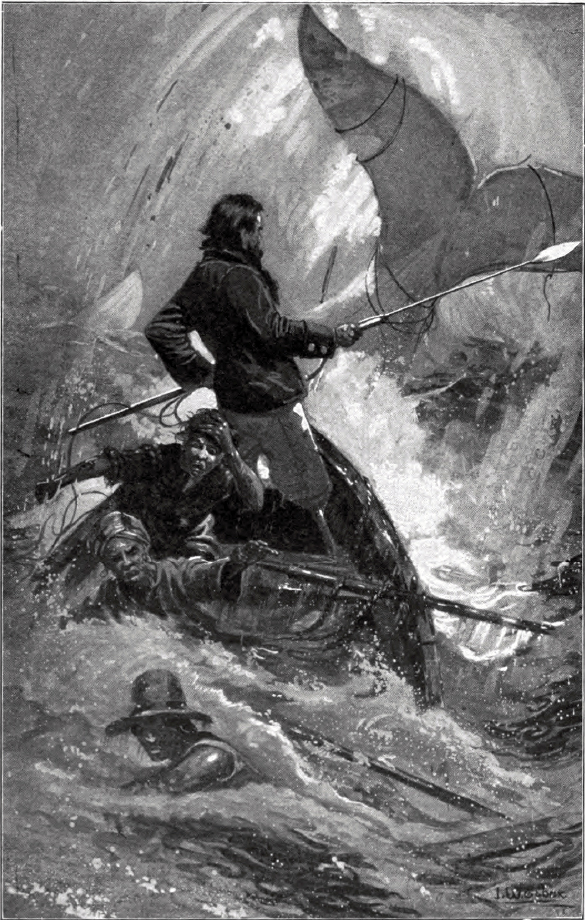
Nautical fiction, frequently also naval fiction, sea fiction, naval adventure fiction or maritime fiction, is a genre of literature with a setting on or near the sea, that focuses on the human re
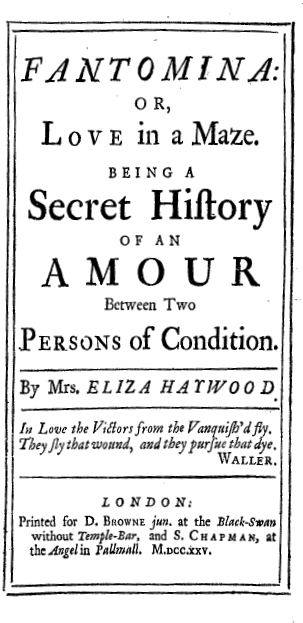
Amatory fiction is a genre of British literature that became popular during the late 17th century and early 18th century, approximately 1660–1730.

In English drama, a domestic tragedy is a tragedy in which the tragic protagonists are ordinary middle-class or working-class individuals.

The slave narrative is a type of literary genre involving the (written) autobiographical accounts of enslaved persons, particularly black Africans enslaved in the Americas, though many other exam
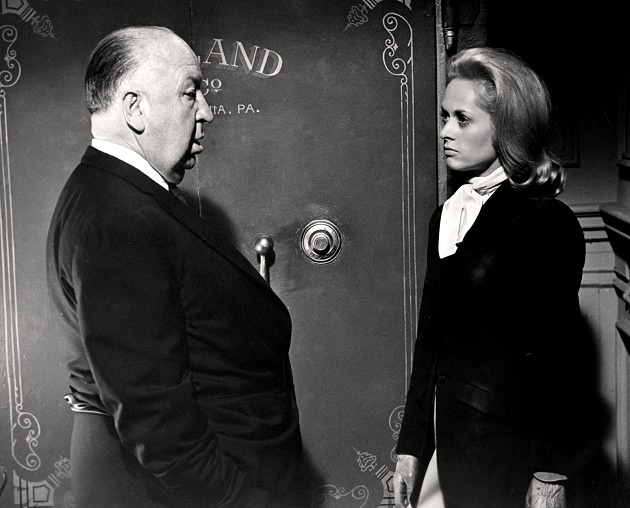
Thriller is a genre of fiction with numerous, often overlapping, subgenres, including crime, horror, and detective fiction.

Gothic fiction, often referred to as Gothic horror (primarily in the 20th century), is a literary aesthetic of fear and haunting.

A legend is a genre of folklore that consists of a narrative featuring human actions, believed or perceived to have taken place in human history.
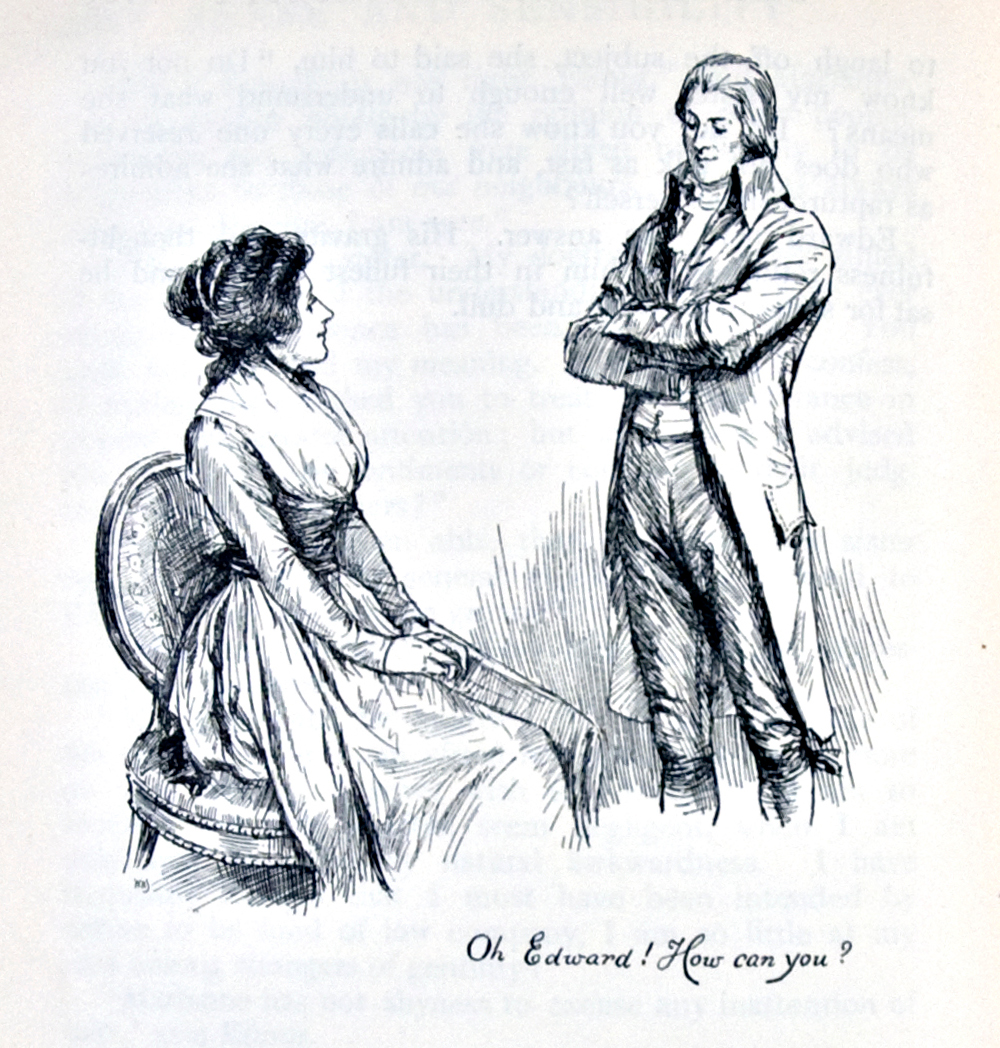
A romance, or romantic novel, is a genre of fiction in which the main narrative focuses on the development of a romantic relationship between two or more characters within a story, often concludi

Aattakatha is a literary genre in Malayalam language consisting of the libretto used for the Indian classical dance drama kathakali.

The Chicago Ledger was a story paper published in Chicago, Illinois, from 1872 until 1924.
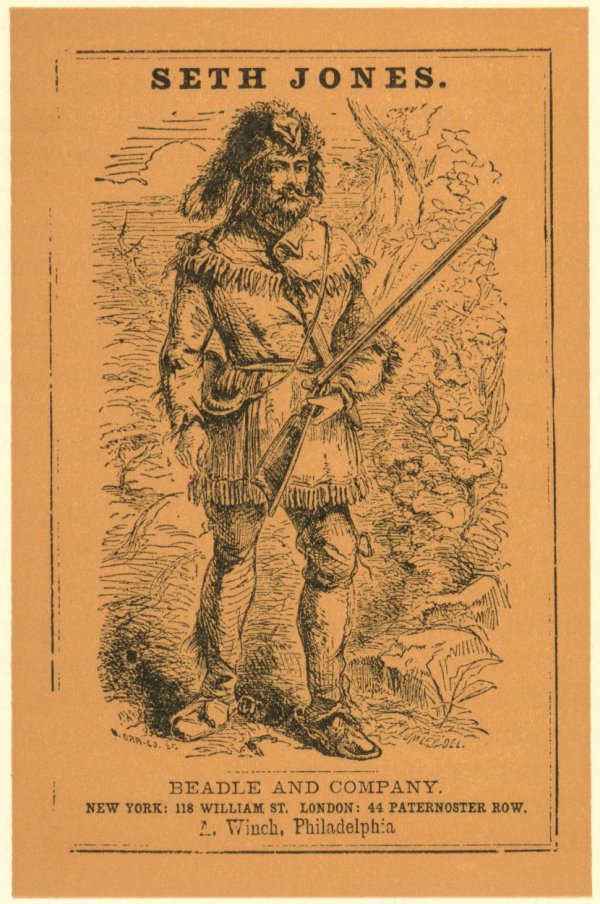
The dime novel is a form of late 19th-century and early 20th-century American popular fiction issued in series of inexpensive paperbound editions.
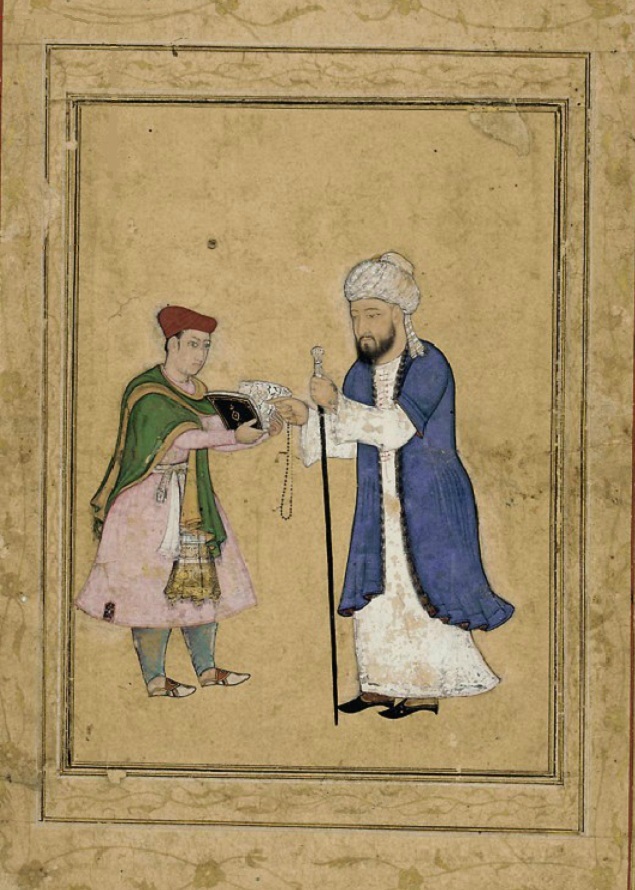
The Shahr Ashob (Persian: شهر آشوب; Shahr-i Ashob (lit.

Histoires tragiques ('tragic stories') were a genre of French fiction in 16th-17th centuries, a Baroque rendering of Boccaccio's type of short stories, concentrating on the dark side of human nat

Gaucho literature, also known in Spanish as género gauchesco ("gauchoesque" genre) was a literary movement purporting to use the language of the gauchos, comparable to the American cowboy, and re

The term Hexaemeron (Greek: Ἡ Ἑξαήμερος Δημιουργία Hē Hexaēmeros Dēmiourgia), literally "six days," is used in one of two senses.

Pastoral science fiction is a subgenre of science fiction which uses bucolic, rural settings, like other forms of pastoral literature.

Absurdist fiction is a genre of novels, plays, poems, films, or other media that focuses on the experiences of characters in situations where they cannot find any inherent purpose in life, most o

Life writing is an expansive genre that primarily deals with the purposeful recording of personal memories, experiences, opinions, and emotions for different ends.

A varsity novel is a novel whose main action is set in and around the campus of a university and focuses on students rather than faculty.

Nasīb (Arabic: النسيب) is an Arabic literary form, 'usually defined as an erotic or amatory prelude to the type of long poem called a qaṣīdah.' However, although at the beginning of the form's de