Shahr Ashob: History and Key Facts
The Shahr Ashob (Persian: شهر آشوب; Shahr-i Ashob (lit.
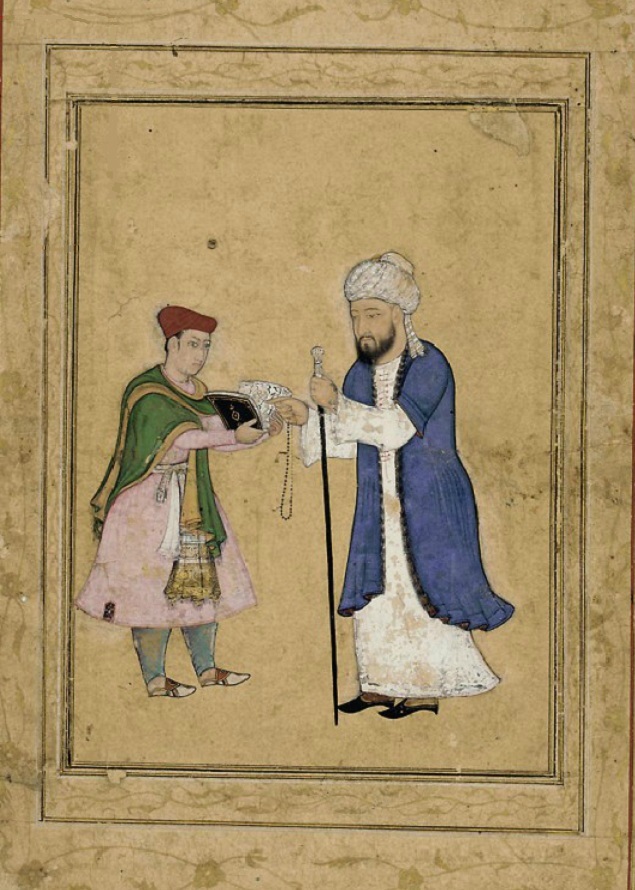
The Shahr Ashob (Persian: شهر آشوب; Shahr-i Ashob (lit. 'The city's misfortune' ), sometimes spelled Shahar-i Ashūb or Shahrashub, is a genre that becomes prominent in Urdu poetry in South Asia with its roots in classical Persian and Urdu poetic lamentations. The genre has early medieval origins in the twelfth century or earlier, but came to be as widely used by poets beginning in the late Mughal Empire and the post-Mughal era in the eighteenth and nineteenth centuries. Ashob is regarded by scholars as an important historical genre in Persian, Urdu and Turkish literature used by the writers to express their anguish and sorrows over political and social shifts.
The Ashobs generally describe emotions and thoughts of a writer in a narrative poetic format based on several features. It begins with a detailed depiction of a particular moment (such as war or invasion, often historical), delivered in a tone of anguish. It consists of five to six stanzas normally written in rhymed verse for the first four lines. The first line rhymes with the second, third and fourth, and the fifth line rhymes with none of these, but sums up the emotions expressed therein.
Source and attribution
Text excerpted from Shahr Ashob by Wikipedia contributors, available under Creative Commons Attribution-ShareAlike 4.0. The extract is abridged and formatting has been adjusted; the adapted text on this page is shared under the same licence. Revision history.
Sources
More in Books & Authors
Keep reading

