Aryballos (Cointainer for Oil) (625-600 BCE): Artwork and History
Aryballos (Cointainer for Oil) at the Art Institute of Chicago: date, artist attribution, materials and the museum's explanation of the work.
Oldest entries first, in a fixed order. Newly added articles appear at the end. Explore a shuffled selection →

Aryballos (Cointainer for Oil) at the Art Institute of Chicago: date, artist attribution, materials and the museum's explanation of the work.

Border Fragment at the Art Institute of Chicago: date, artist attribution, materials and the museum's explanation of the work.
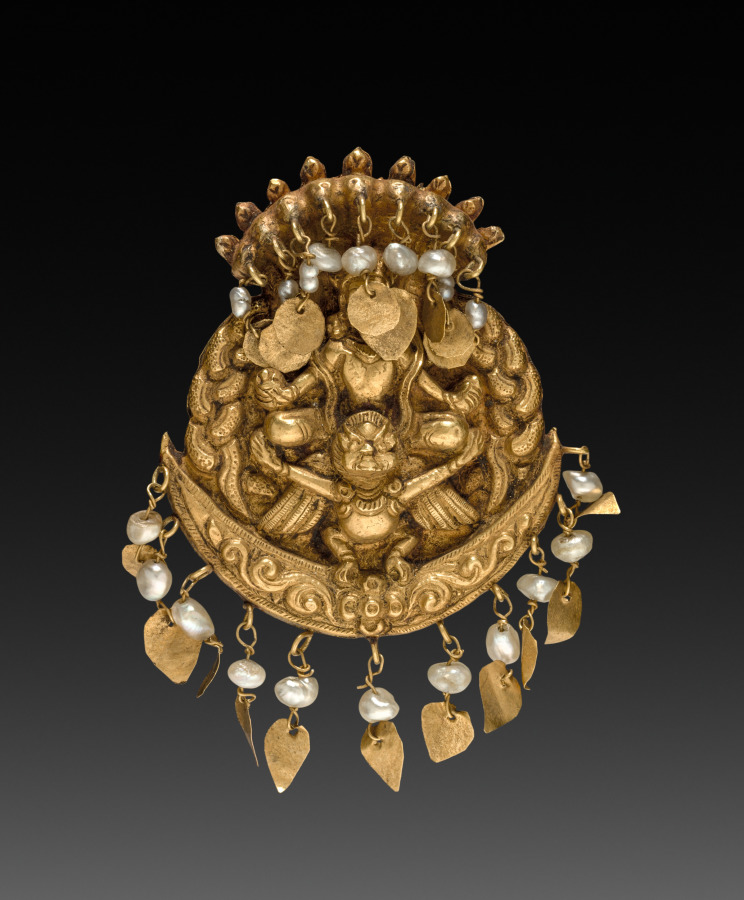
Earring with Four-Armed Vishnu Riding Garuda with Nagas (serpent divinities) at the Cleveland Museum of Art: 1600s or 1700s, repousse gold with pearls. Explore the work's context, creator attribution and collection history.
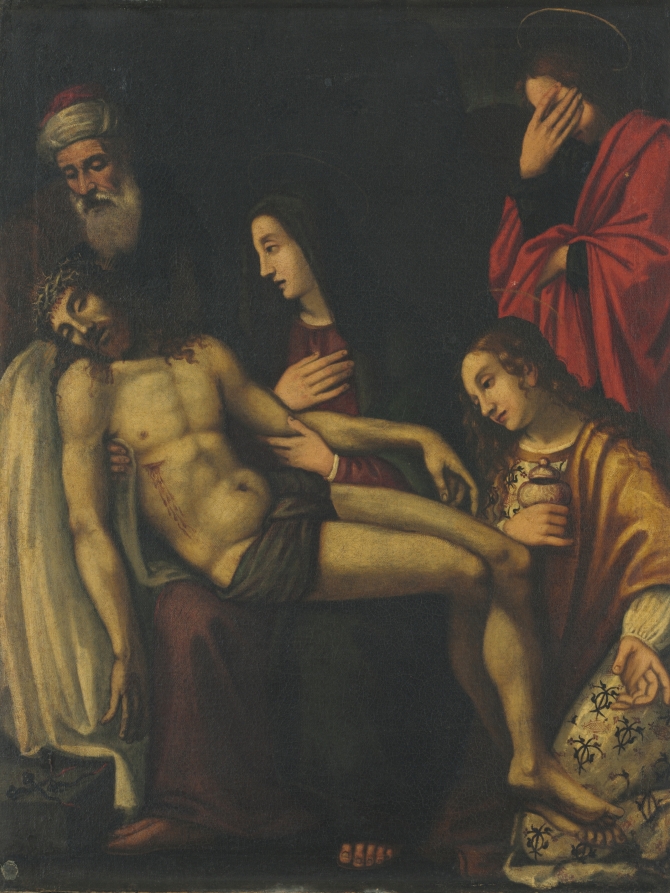
Pietà at the Cleveland Museum of Art: late 1500s, oil on canvas. Explore the work's context, creator attribution and collection history.
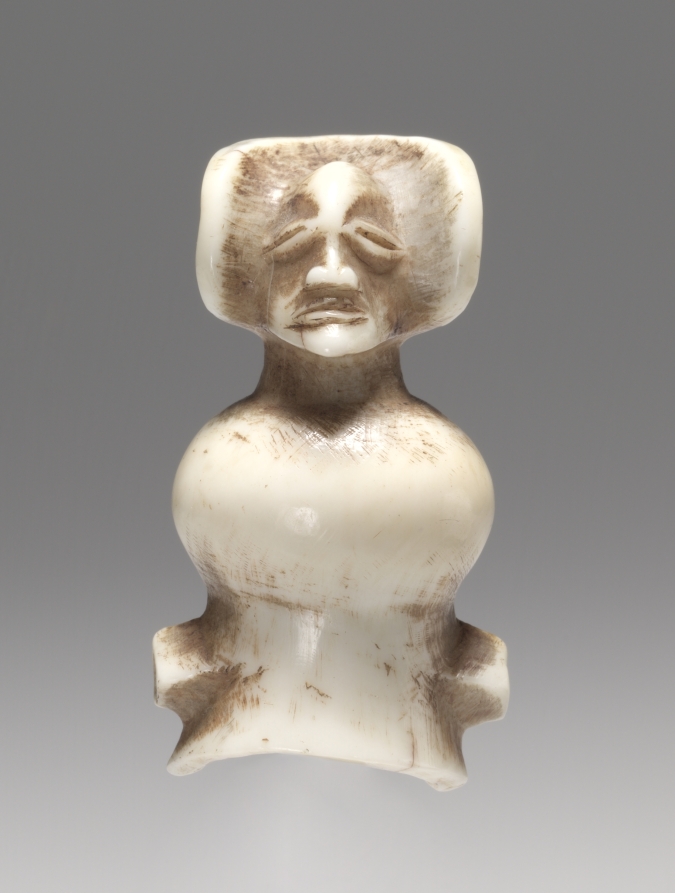
Whistle at the Cleveland Museum of Art: late 1800s, Probably hippopotamus ivory. Explore the work's context, creator attribution and collection history.
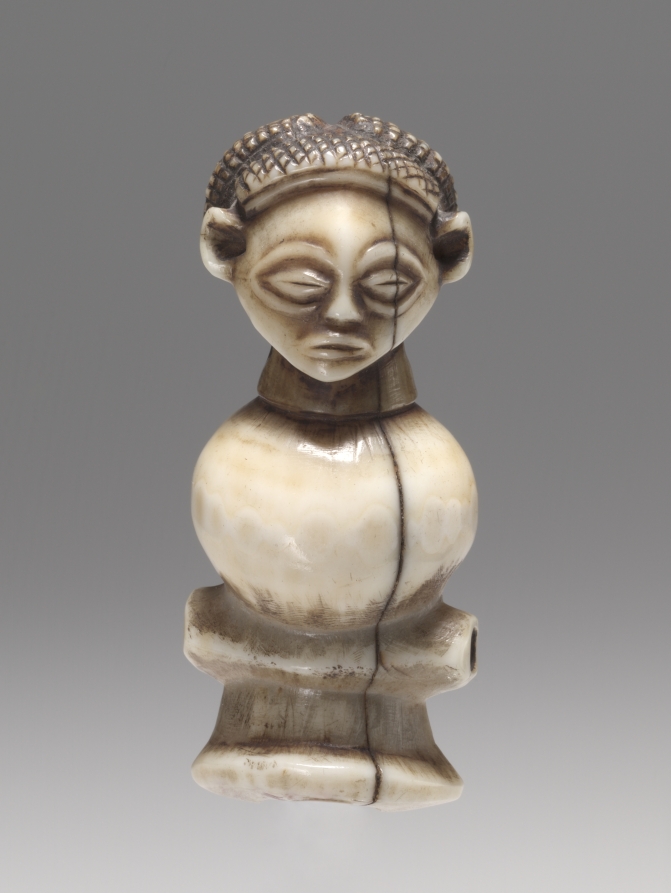
Whistle (kasengosengo) at the Cleveland Museum of Art: late 1800s, Probably hippopotamus ivory. Explore the work's context, creator attribution and collection history.
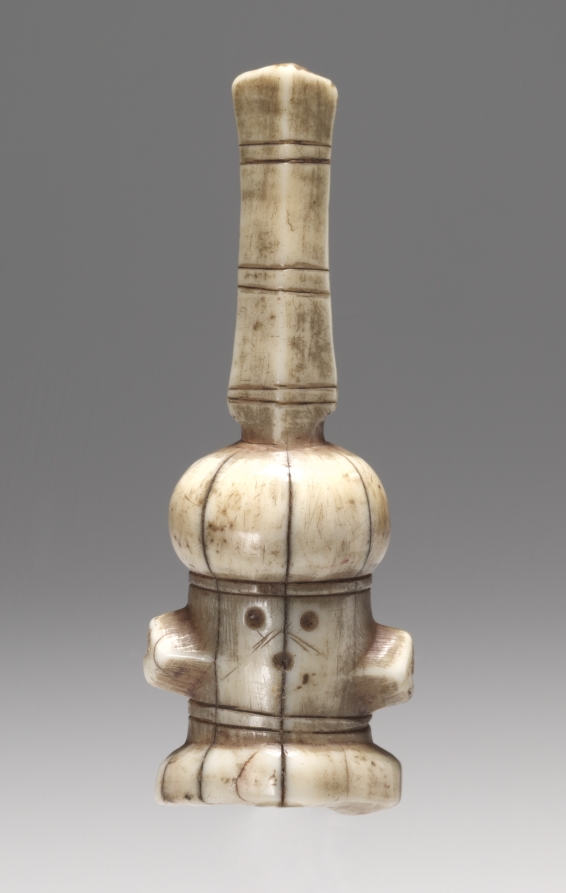
Whistle (kasengosengo) at the Cleveland Museum of Art: late 1800s, Probably hippopotamus ivory. Explore the work's context, creator attribution and collection history.
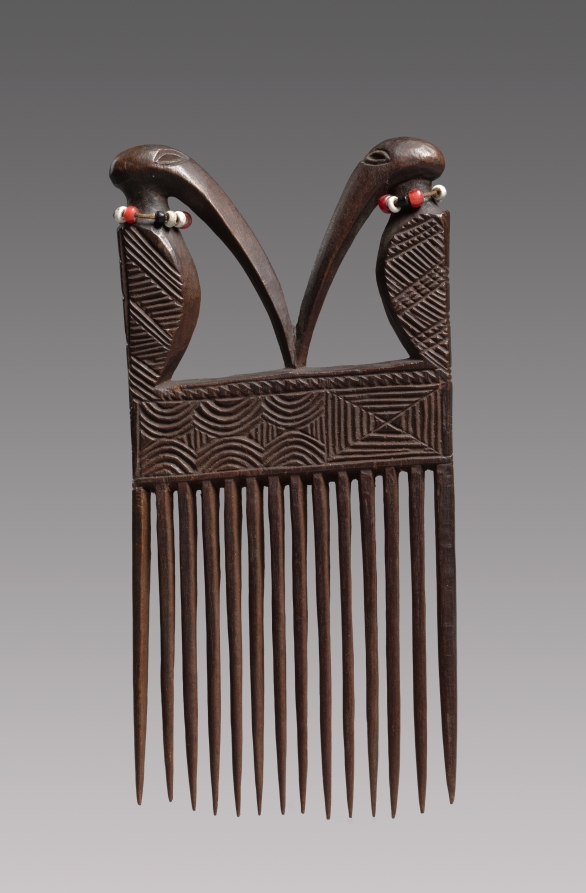
Comb (cisakulo) at the Cleveland Museum of Art: mid- to late 1800s, Wood, glass beads, and natural fibers. Explore the work's context, creator attribution and collection history.
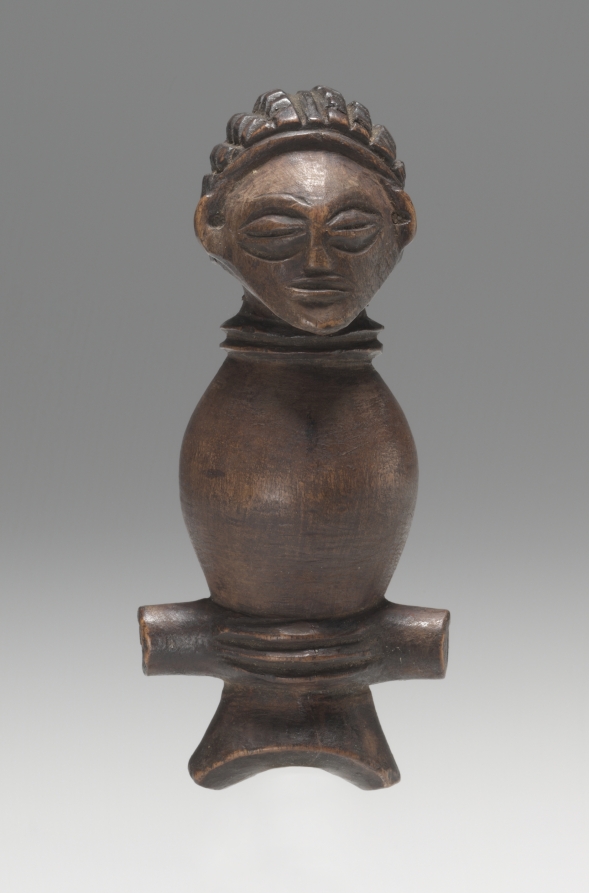
Whistle (kasengosengo) at the Cleveland Museum of Art: late 1800s, Wood. Explore the work's context, creator attribution and collection history.
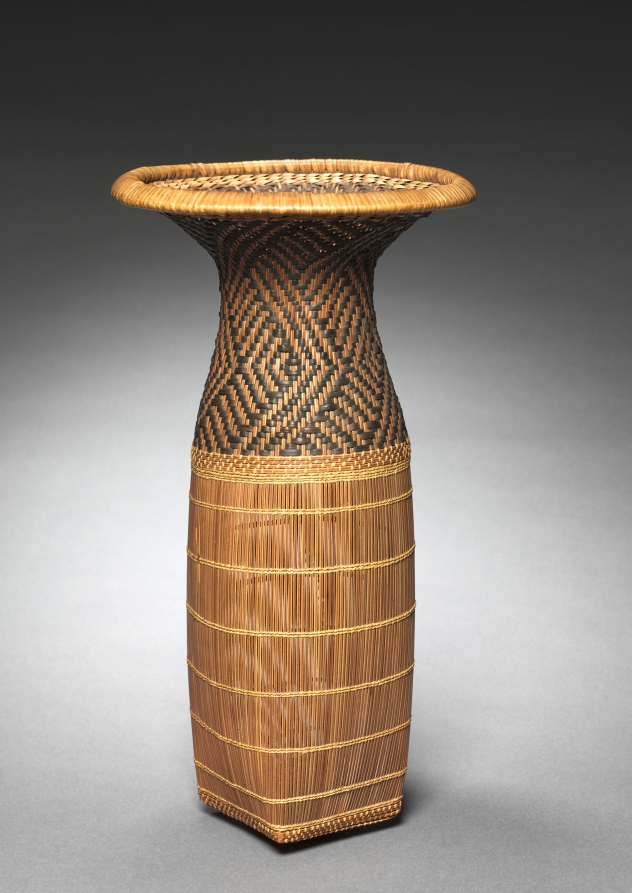
Sifting Basket at the Cleveland Museum of Art: before 1915, Plant fibers and dye. Explore the work's context, creator attribution and collection history.
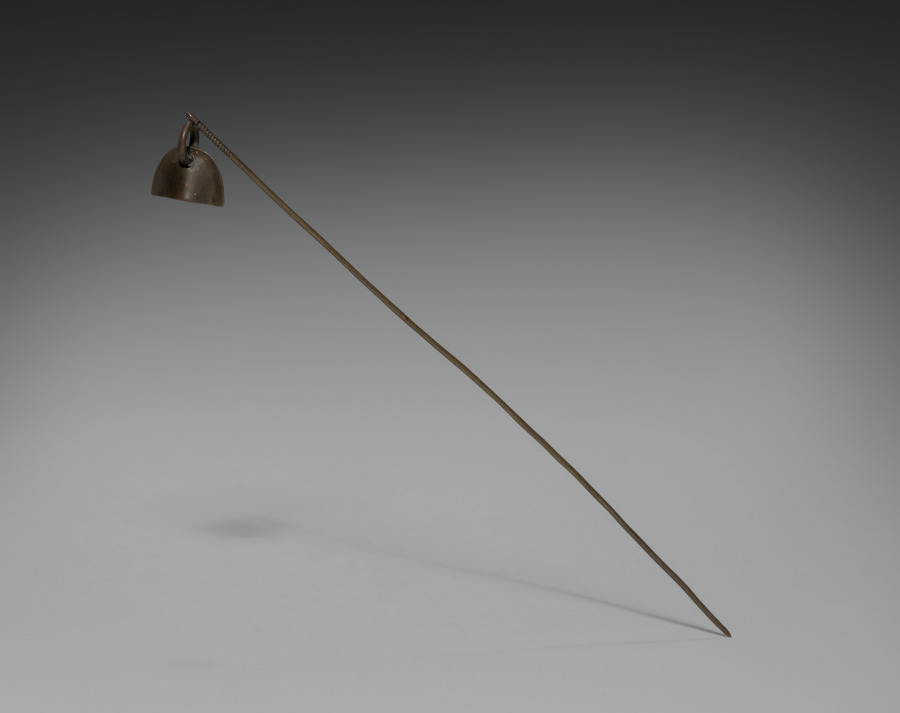
Pin (ndwong angwoong) for Hat at the Cleveland Museum of Art: early 1900s, Metal. Explore the work's context, creator attribution and collection history.
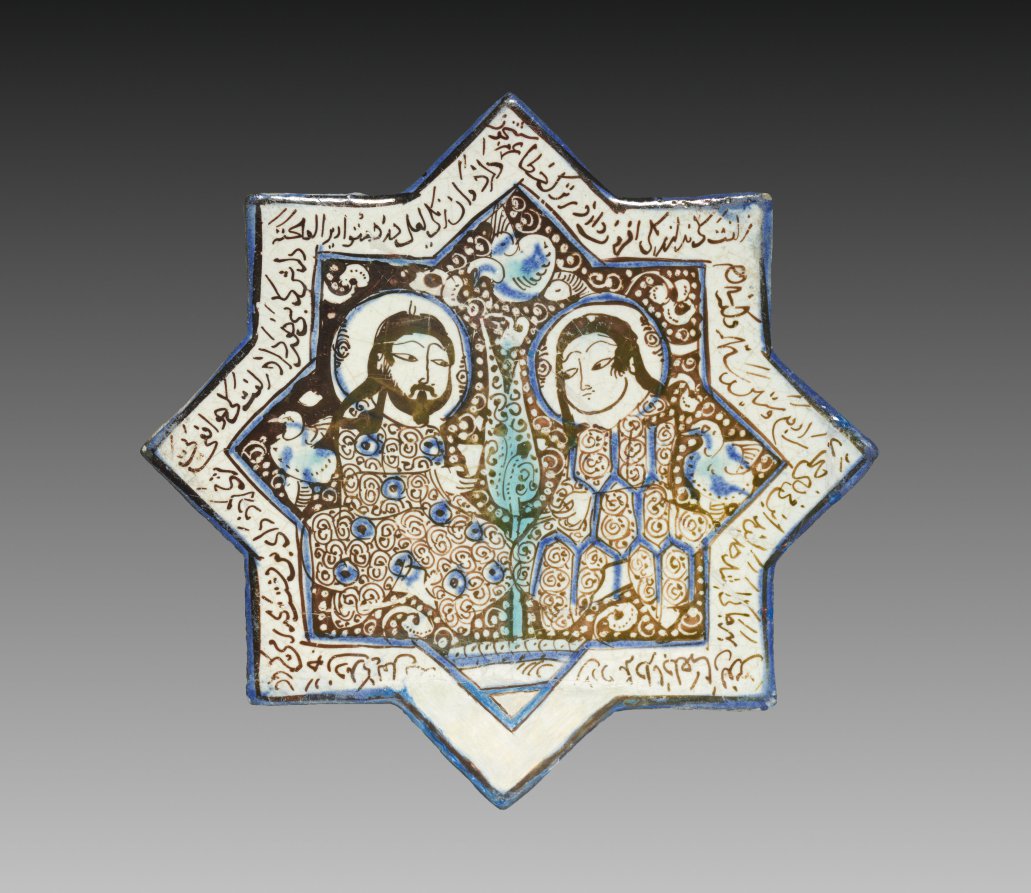
Luster Wall Tile with a Couple at the Cleveland Museum of Art: 1266, fritware with luster-painted design. Explore the work's context, creator attribution and collection history.
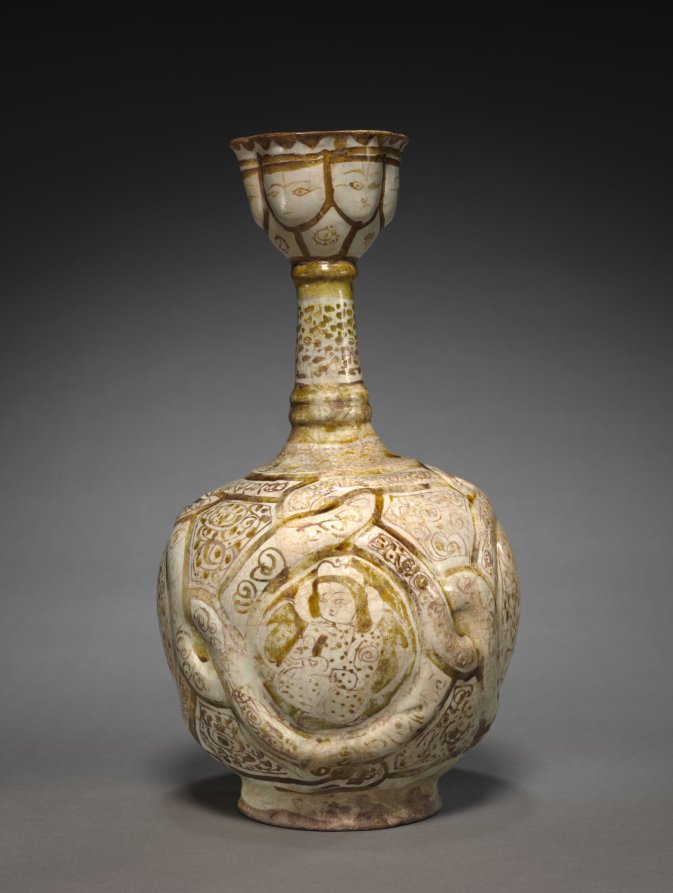
Jug at the Cleveland Museum of Art: late 1100s, fritware with luster-painted design. Explore the work's context, creator attribution and collection history.
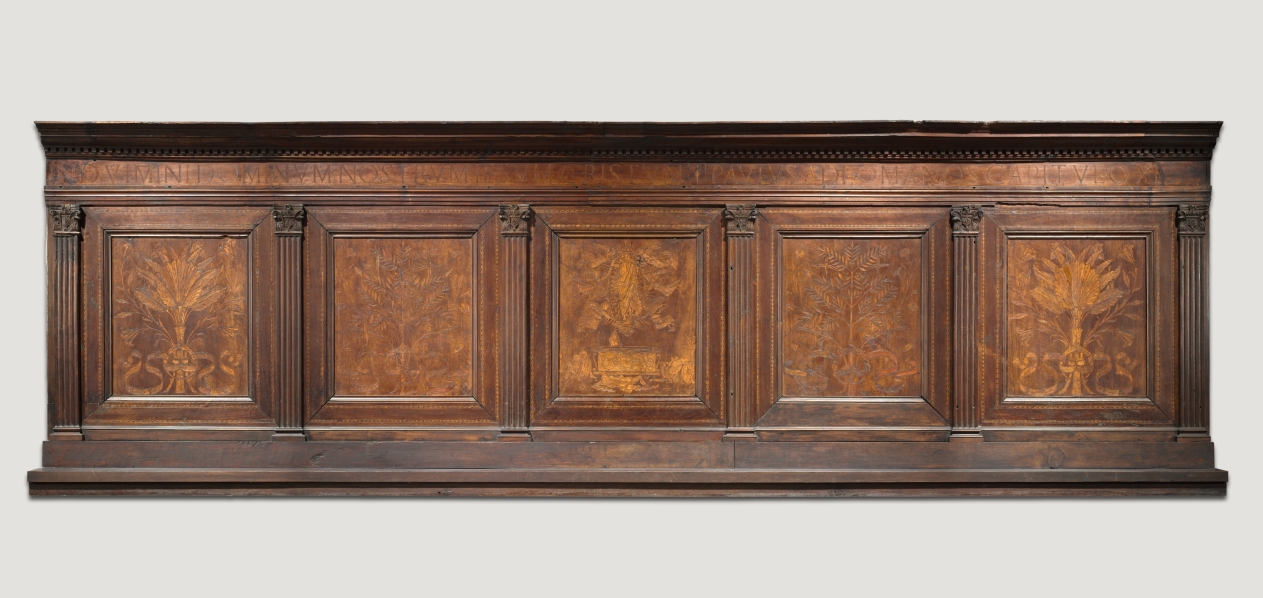
Upper Paneling from a Sacristy Armoire at the Cleveland Museum of Art: c. 1460–75, walnut, inlaid with holly and ebony. Explore the work's context, creator attribution and collection history.
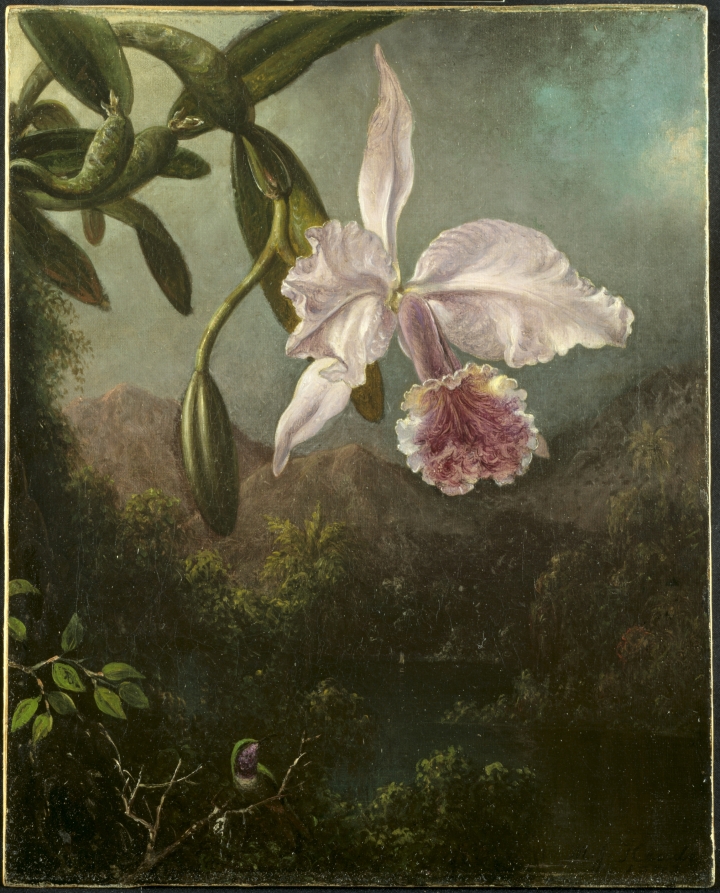
Orchid Blossoms at the Cleveland Museum of Art: 1873, oil on canvas. Explore the work's context, creator attribution and collection history.

New England Headlands at the Art Institute of Chicago: date, artist attribution, materials and the museum's explanation of the work.

Tunic at the Art Institute of Chicago: date, artist attribution, materials and the museum's explanation of the work.

Funerary Bundle Mask at the Art Institute of Chicago: date, artist attribution, materials and the museum's explanation of the work.

Funerary Bundle Mask at the Art Institute of Chicago: date, artist attribution, materials and the museum's explanation of the work.

Water Ewer (He) at the Art Institute of Chicago: date, artist attribution, materials and the museum's explanation of the work.

Qabqabs (Bath Clogs) at the Art Institute of Chicago: date, artist attribution, materials and the museum's explanation of the work.
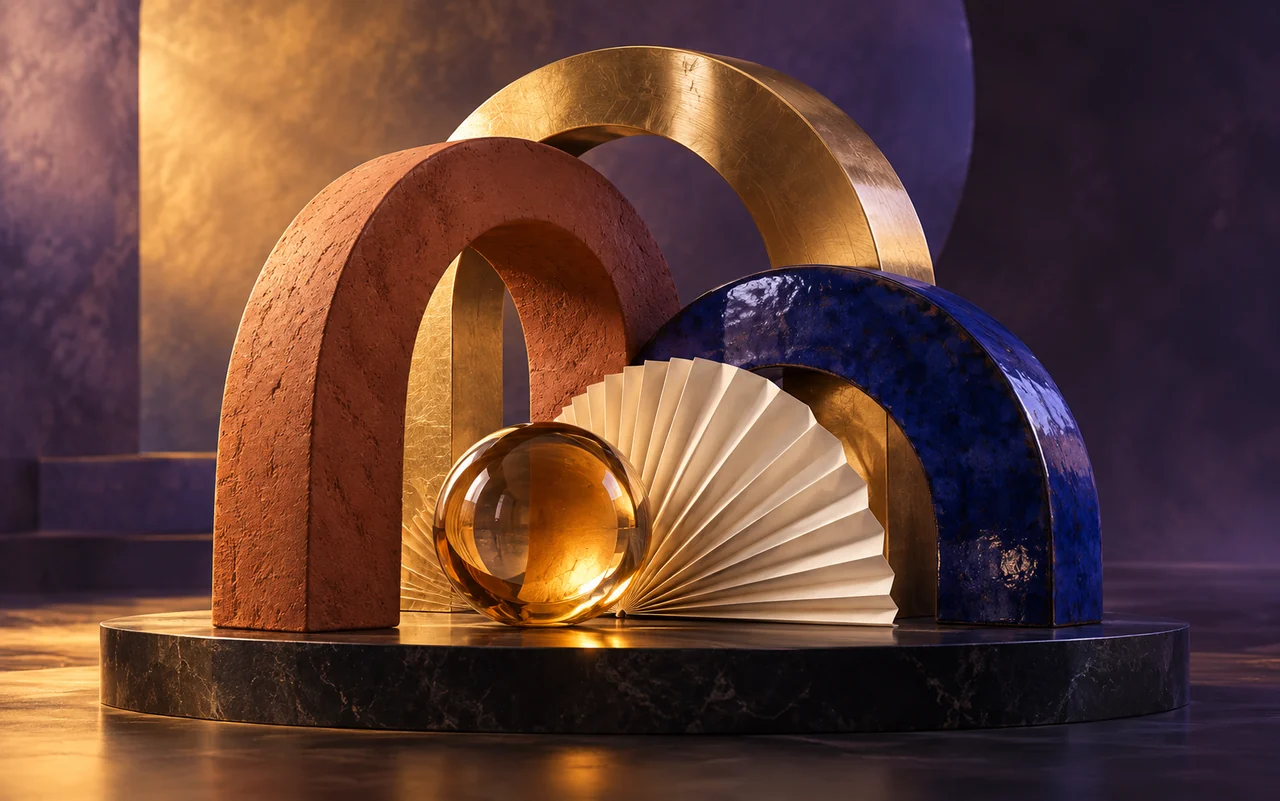
The Fall of the Giants at the Art Institute of Chicago: date, artist attribution, materials and the museum's explanation of the work.

Portrait of a Man Wearing an Ivy Wreath at the Art Institute of Chicago: date, artist attribution, materials and the museum's explanation of the work.

Portrait of a Man Wearing a Laurel Wreath at the Art Institute of Chicago: date, artist attribution, materials and the museum's explanation of the work.

Cat Coffin at the Art Institute of Chicago: date, artist attribution, materials and the museum's explanation of the work.

Kesa at the Art Institute of Chicago: date, artist attribution, materials and the museum's explanation of the work.

The Last Judgment from Les Sept Articles de la Foi by Jean Chappuis at the Art Institute of Chicago: date, artist attribution, materials and the museum's explanation of the work.

Denarius (Coin) Depicting Scipio Africanus at the Art Institute of Chicago: date, artist attribution, materials and the museum's explanation of the work.

Denarius (Coin) Portraying Julius Caesar at the Art Institute of Chicago: date, artist attribution, materials and the museum's explanation of the work.

Denarius (Coin) Portraying Mark Antony at the Art Institute of Chicago: date, artist attribution, materials and the museum's explanation of the work.

Denarius (Coin) Portraying Mark Antony and Queen Cleopatra VII at the Art Institute of Chicago: date, artist attribution, materials and the museum's explanation of the work.

Denarius (Coin) Portraying Emperor Augustus at the Art Institute of Chicago: date, artist attribution, materials and the museum's explanation of the work.

Aureus (Coin) Portraying Emperor Tiberius at the Art Institute of Chicago: date, artist attribution, materials and the museum's explanation of the work.

Aureus (Coin) Portraying Nero Claudius Drusus at the Art Institute of Chicago: date, artist attribution, materials and the museum's explanation of the work.

Denarius (Coin) Portraying Emperor Gaius (Caligula) at the Art Institute of Chicago: date, artist attribution, materials and the museum's explanation of the work.
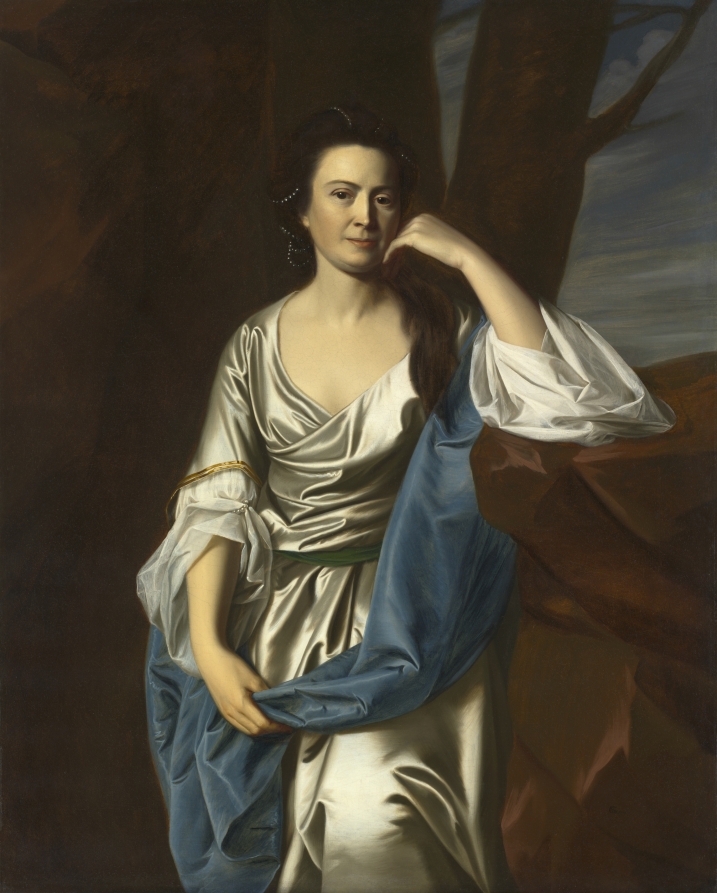
Catherine Greene at the Cleveland Museum of Art: 1769, oil on canvas. Explore the work's context, creator attribution and collection history.
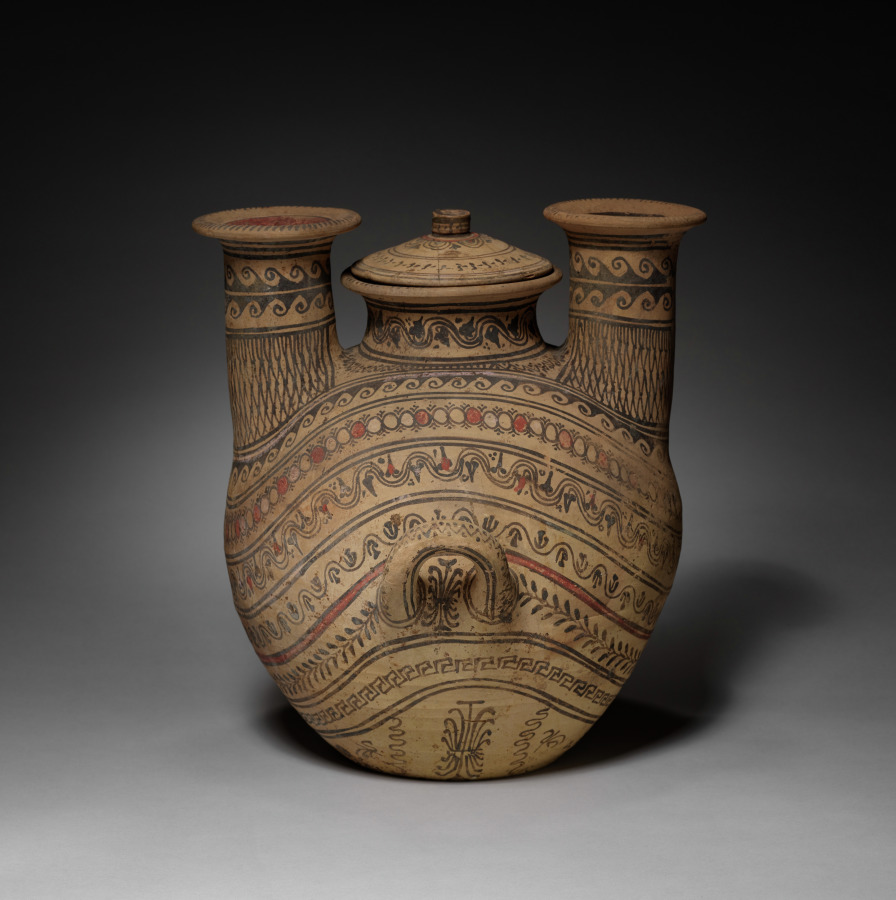
Two-Spouted Strainer Askos (Flask) with Lid at the Cleveland Museum of Art: 300–200 BCE, ceramic. Explore the work's context, creator attribution and collection history.
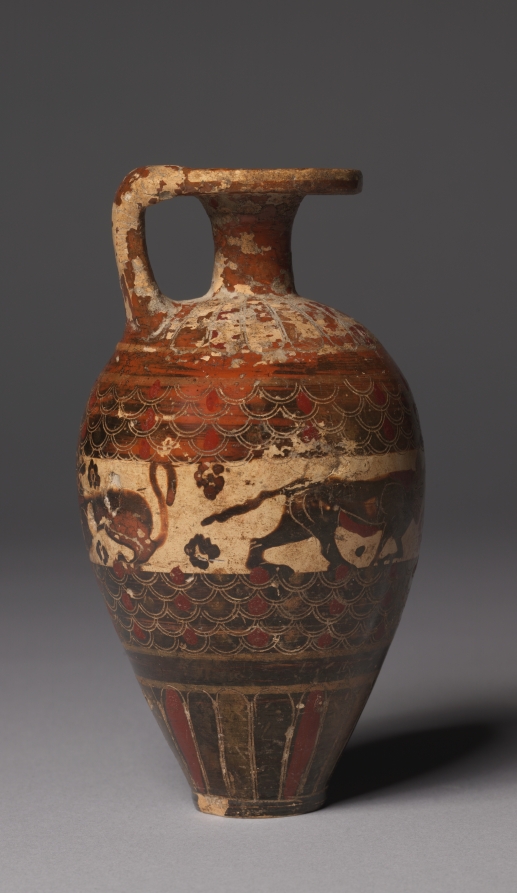
Protocorinthian (Early Black-Figure) Aryballos (Oil Flask): Animals at the Cleveland Museum of Art: c. 650–640 BCE, ceramic. Explore the work's context, creator attribution and collection history.
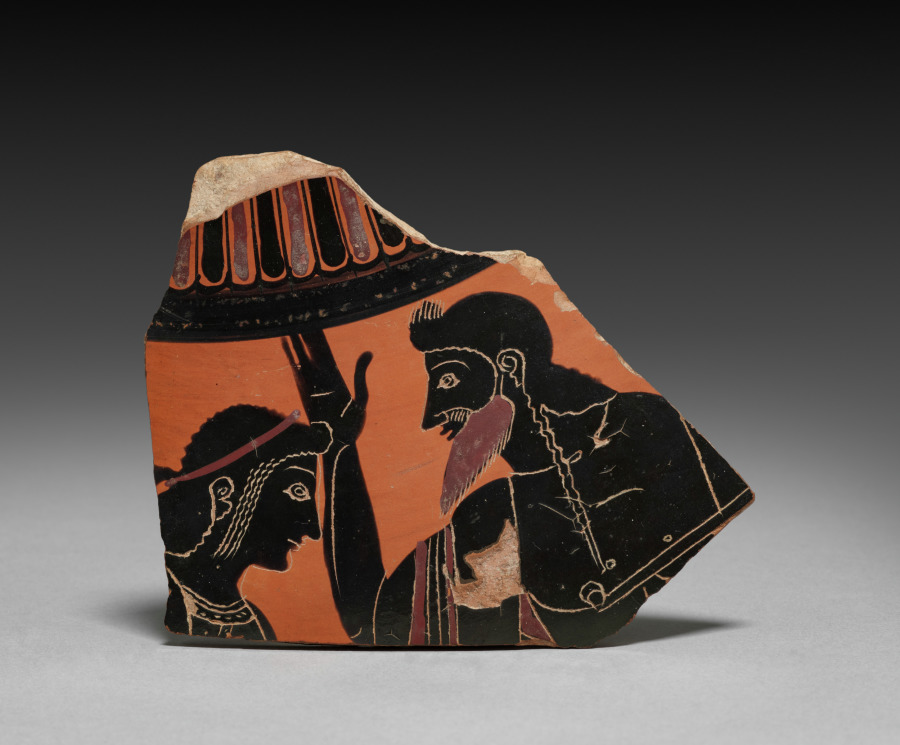
Fragment from Black-Figure Neck-Amphora of Panathenaic Shape (Storage Vessel): Apollo and Zeus at the Cleveland Museum of Art: c. 520 BCE, ceramic. Explore the work's context, creator attribution and collection history.
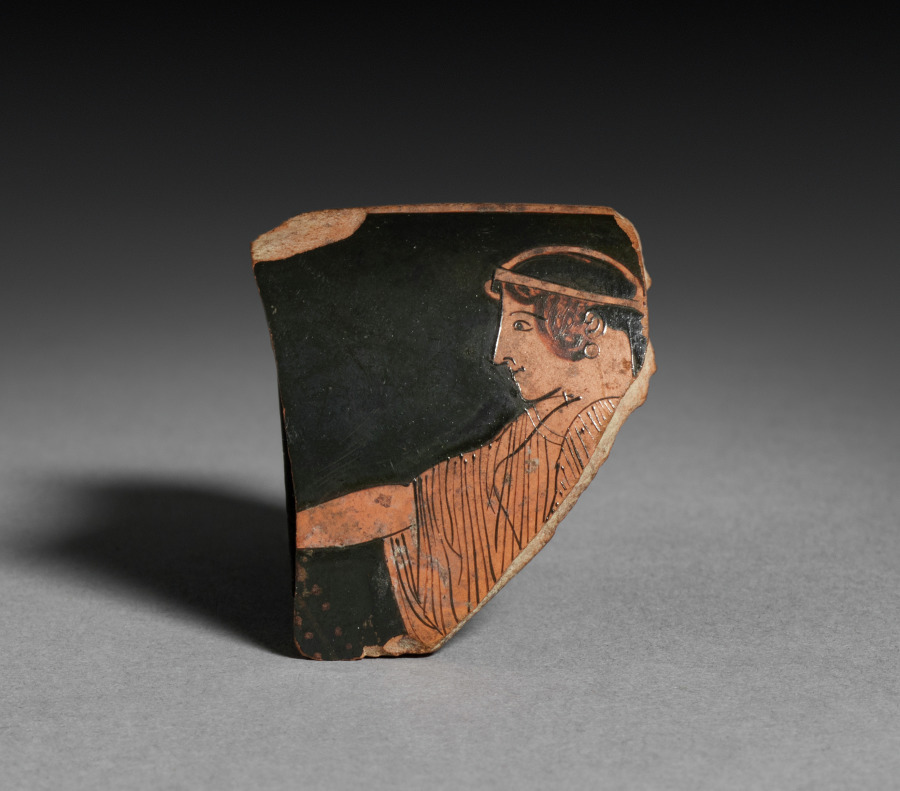
Fragment from Red-Figure Cup: Woman at the Cleveland Museum of Art: c. 470–460 BCE, ceramic. Explore the work's context, creator attribution and collection history.