Lace Pillow (1800s): Art, History and Details
Lace Pillow at the Cleveland Museum of Art: 1800s, Bobbin lace (torchon lace) pillow; paper, pins, wood bobbins, linen thread. Explore the work's context, creator attribution and collection history.
Oldest entries first, in a fixed order. Newly added articles appear at the end. Explore a shuffled selection →
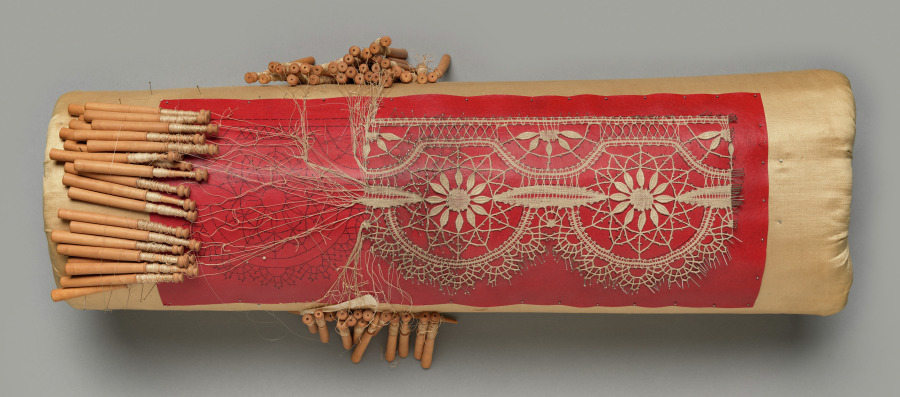
Lace Pillow at the Cleveland Museum of Art: 1800s, Bobbin lace (torchon lace) pillow; paper, pins, wood bobbins, linen thread. Explore the work's context, creator attribution and collection history.

The Fall of the Giants at the Art Institute of Chicago: date, artist attribution, materials and the museum's explanation of the work.
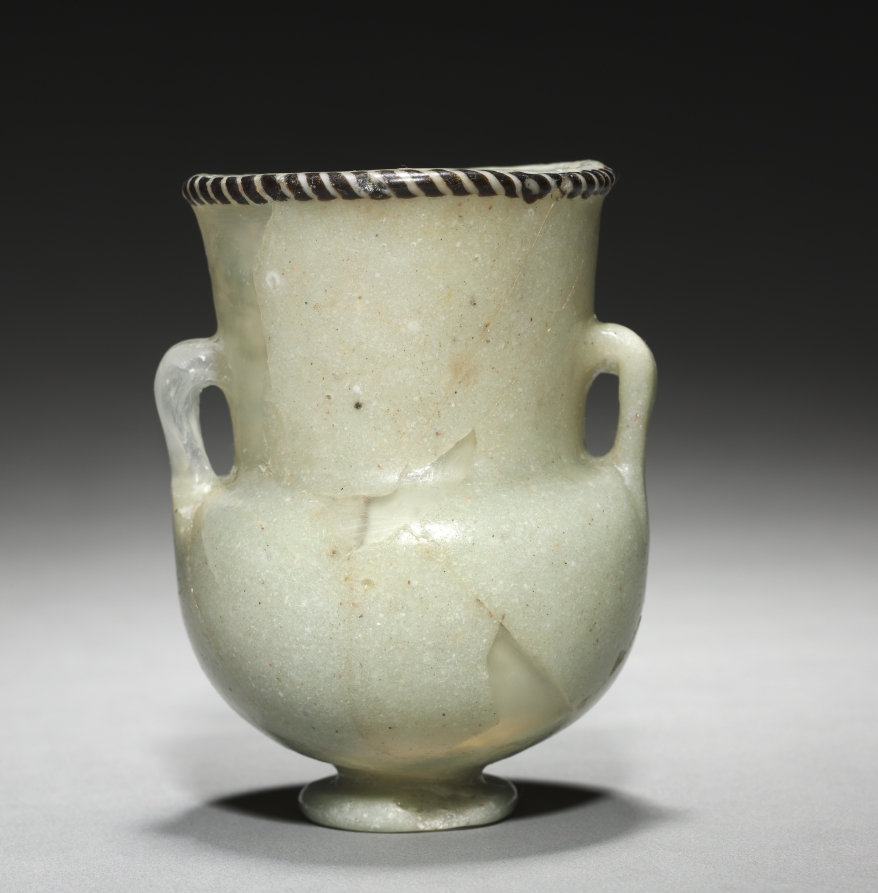
Unguent Bottle (Krateriskos) at the Cleveland Museum of Art: c. 1336–1295 BCE, glass. Explore the work's context, creator attribution and collection history.
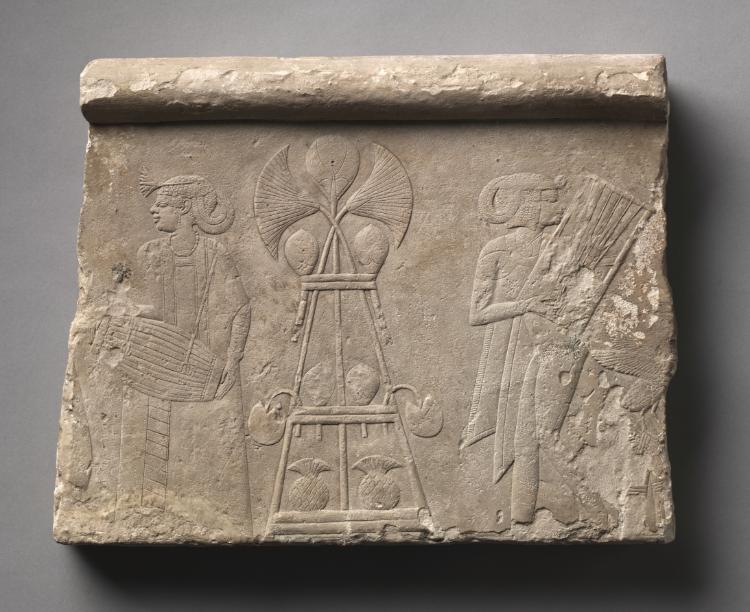
Fragment of a Lintel: Hapiu's Female Musicians at the Cleveland Museum of Art: 380–343 BCE, limestone. Explore the work's context, creator attribution and collection history.
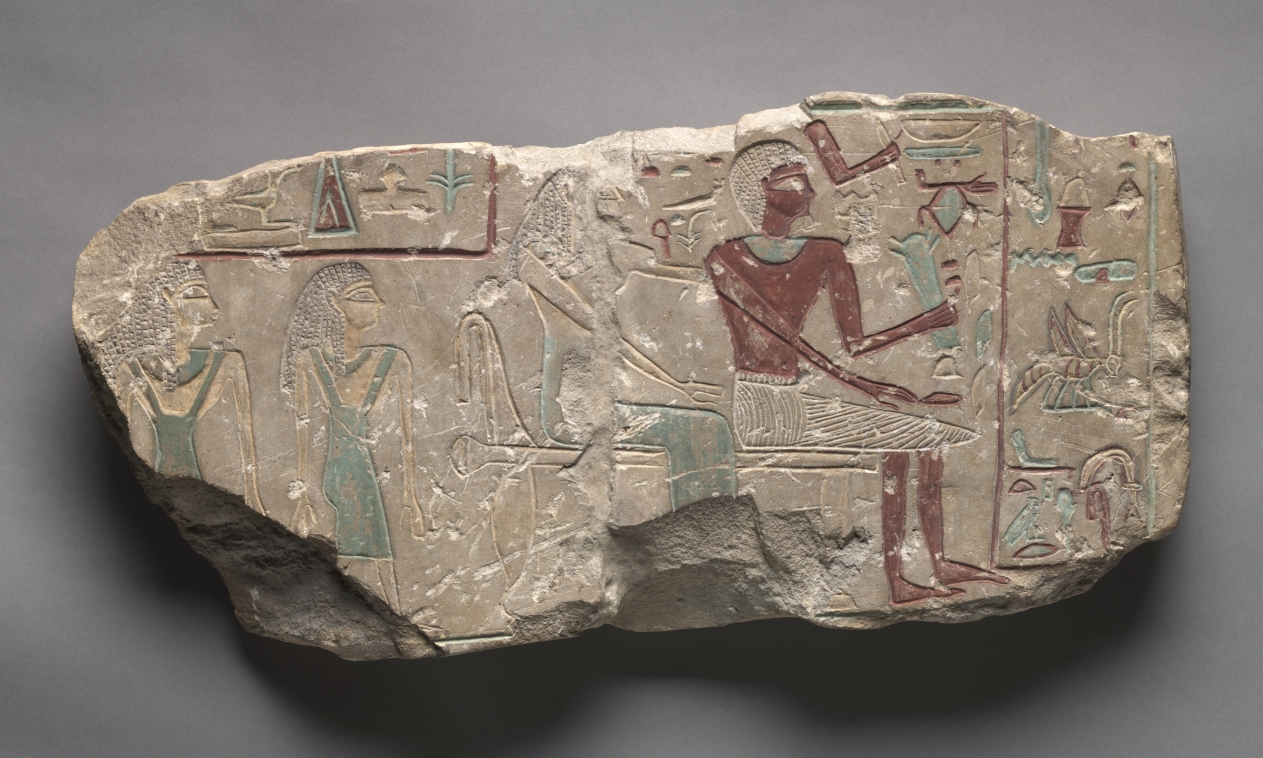
Stele of Itetioqer and Family at the Cleveland Museum of Art: c. 2123–2040 BCE, painted limestone. Explore the work's context, creator attribution and collection history.
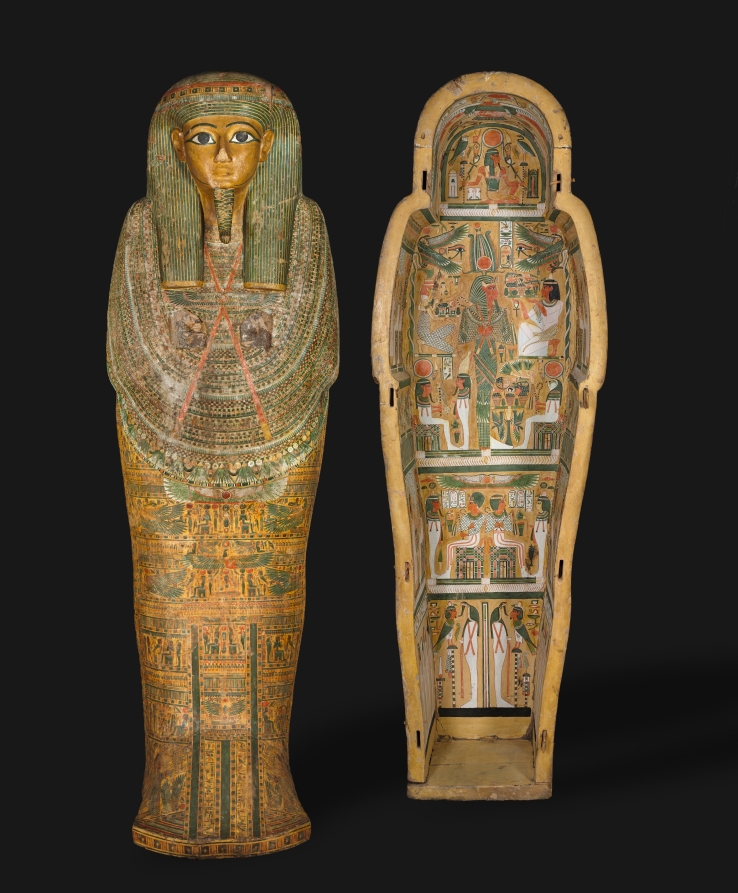
Coffin of Bakenmut at the Cleveland Museum of Art: c. 1000–900 BCE, gessoed and painted sycamore fig. Explore the work's context, creator attribution and collection history.
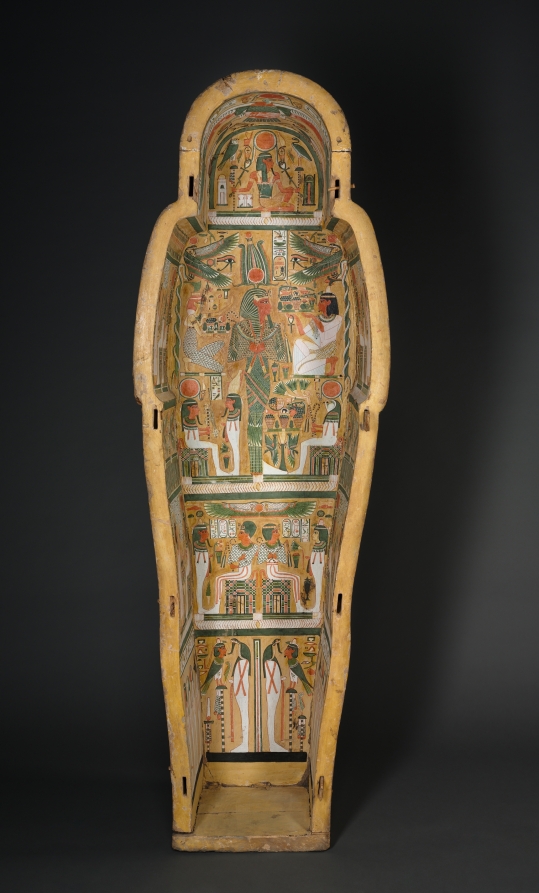
Coffin of Bakenmut at the Cleveland Museum of Art: c. 1000–900 BCE, gessoed and painted sycamore fig. Explore the work's context, creator attribution and collection history.
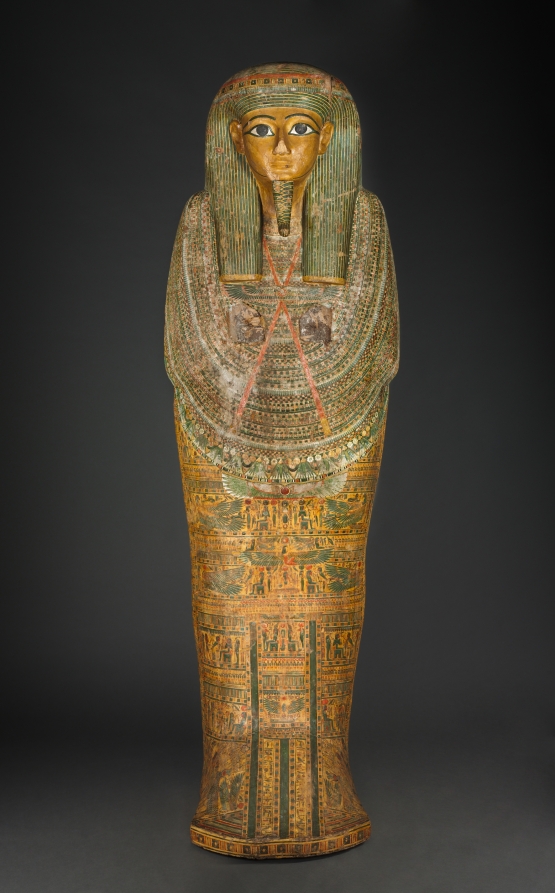
Coffin of Bakenmut (lid) at the Cleveland Museum of Art: c. 1000–900 BCE, gessoed and painted sycamore fig. Explore the work's context, creator attribution and collection history.
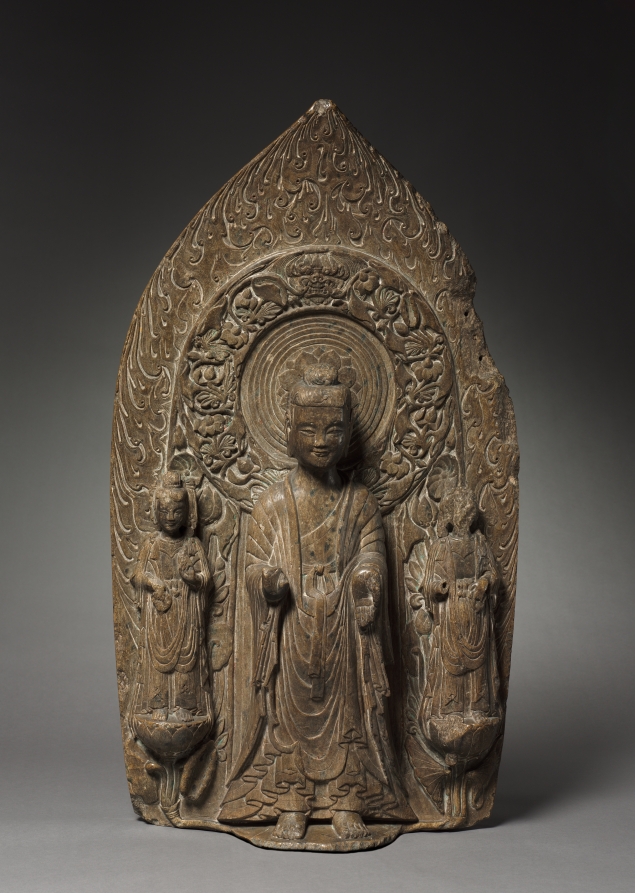
Stele with Sakyamuni and Bodhisattvas at the Cleveland Museum of Art: 537, limestone. Explore the work's context, creator attribution and collection history.
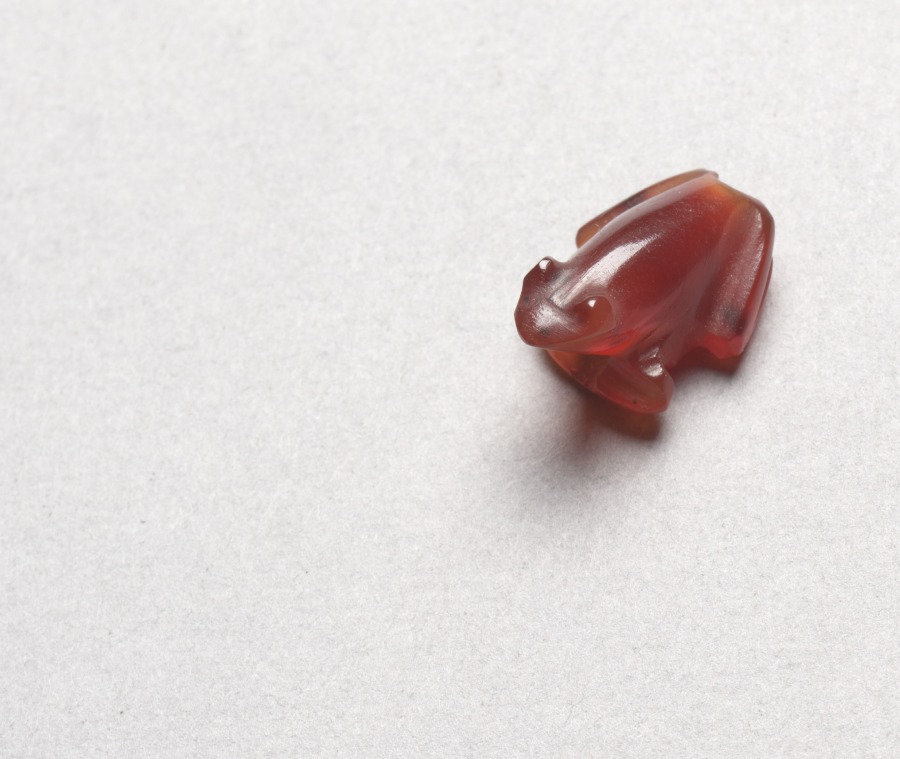
Frog Amulet at the Cleveland Museum of Art: c. 1540–1296 BCE, carnelian. Explore the work's context, creator attribution and collection history.
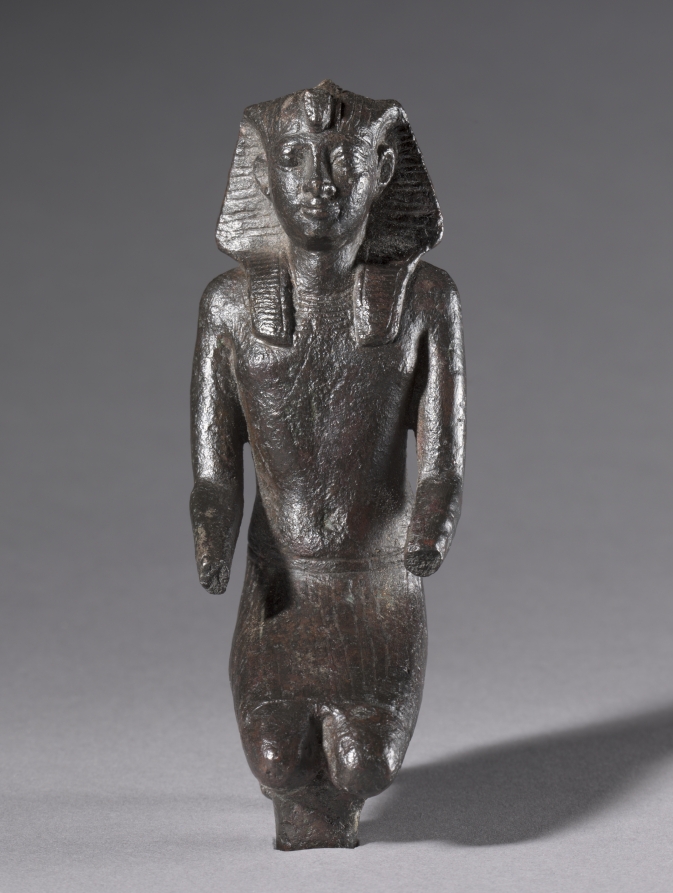
Statuette of Kneeling King at the Cleveland Museum of Art: 304–30 BCE, bronze, solid cast. Explore the work's context, creator attribution and collection history.
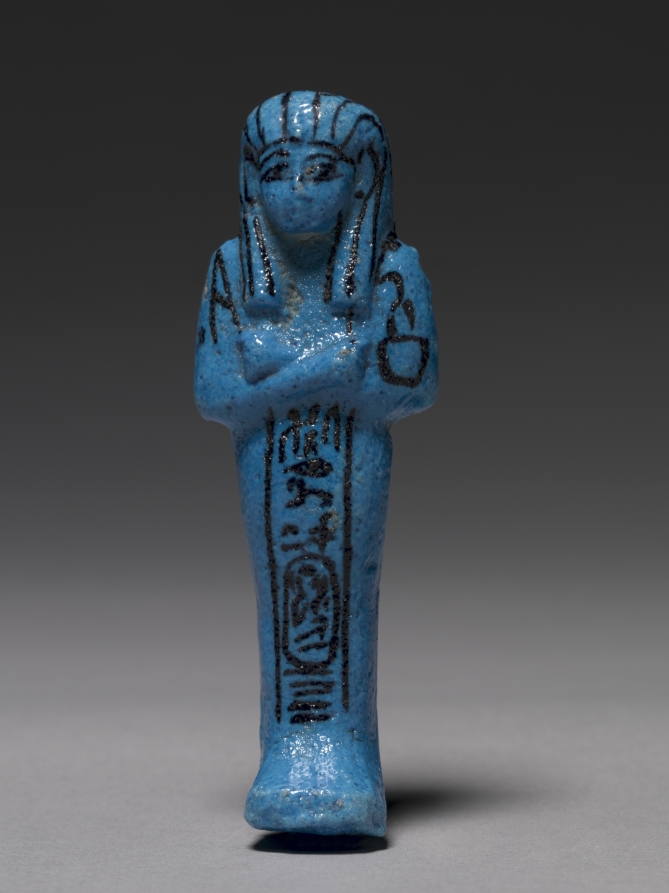
Shawabty of Pinudjem I, High Priest of Amen and King at the Cleveland Museum of Art: c. 990–969 BCE, bright blue faience with purple details. Explore the work's context, creator attribution and collection history.
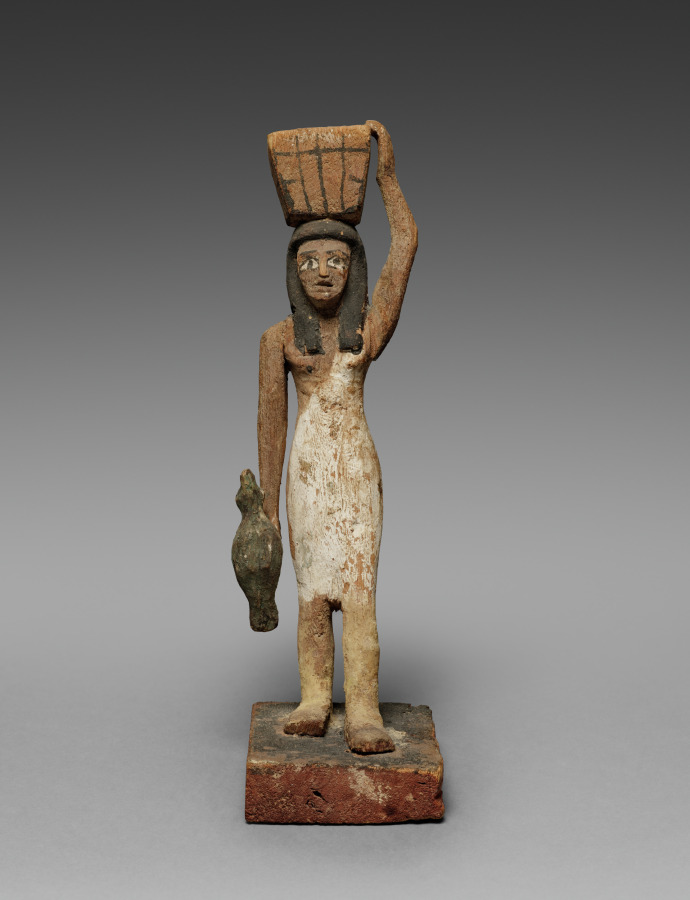
Female Offering Bearer at the Cleveland Museum of Art: 2000–1801 BCE, painted wood, figure of tamarisk(?), base of sycamore fig. Explore the work's context, creator attribution and collection history.
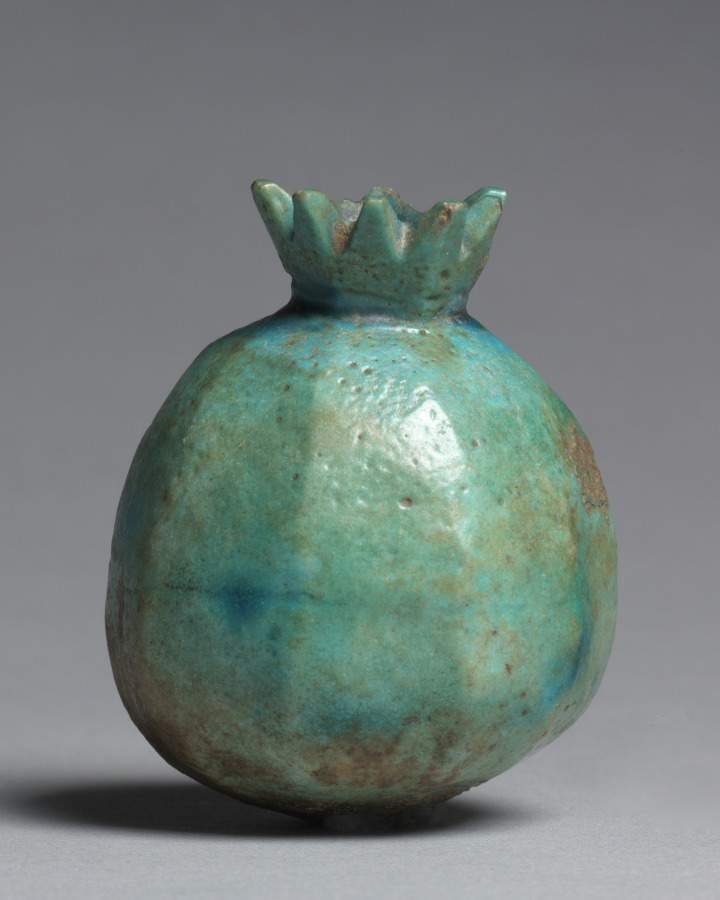
Pomegranate Vase at the Cleveland Museum of Art: 1479–1425 BCE, blue vitreous faience. Explore the work's context, creator attribution and collection history.
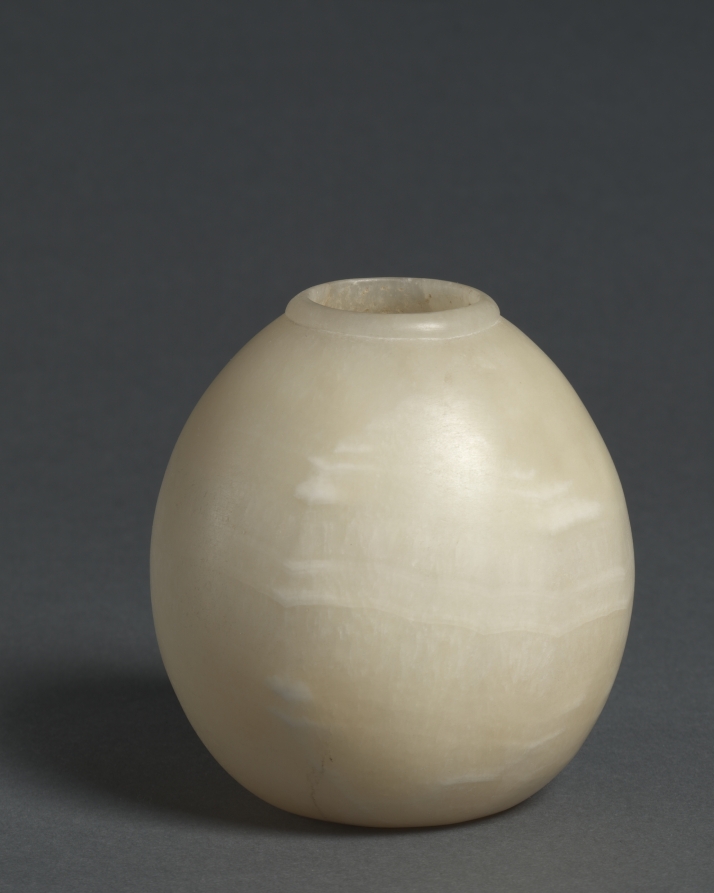
Vessel in the Form of an Ostrich Egg at the Cleveland Museum of Art: c. 1540–1296 BCE, travertine. Explore the work's context, creator attribution and collection history.
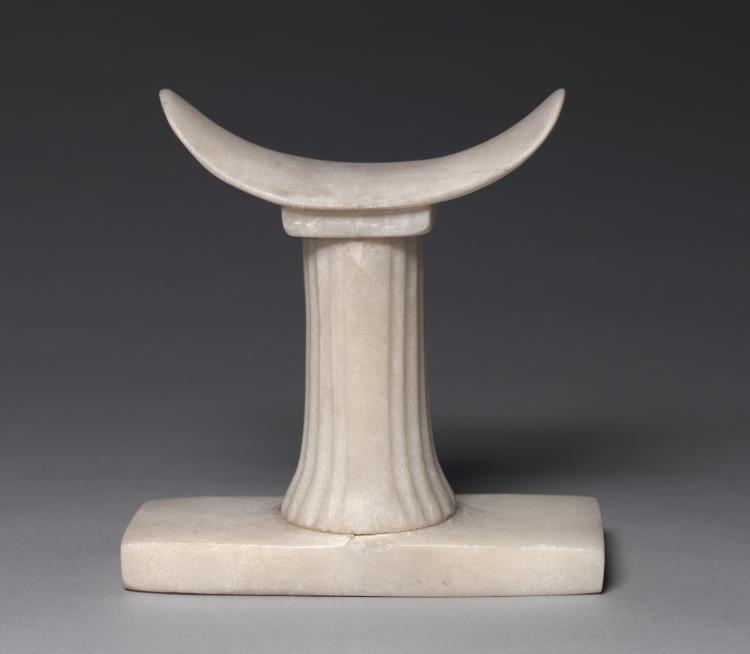
Headrest of Irut at the Cleveland Museum of Art: c. 2454–2140 BCE, travertine. Explore the work's context, creator attribution and collection history.
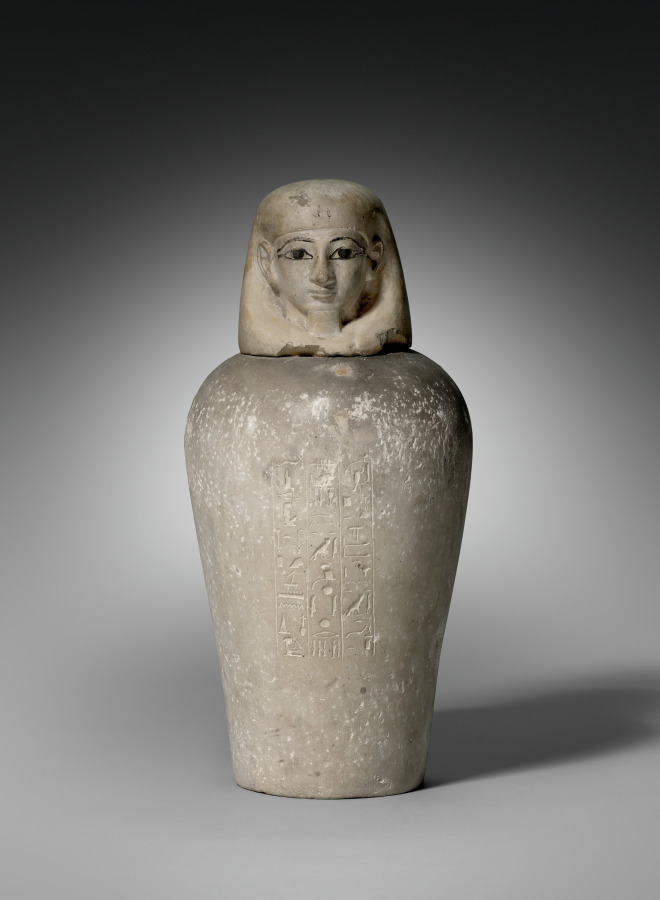
Canopic Jar with Lid at the Cleveland Museum of Art: 1540–1296 BCE, limestone. Explore the work's context, creator attribution and collection history.
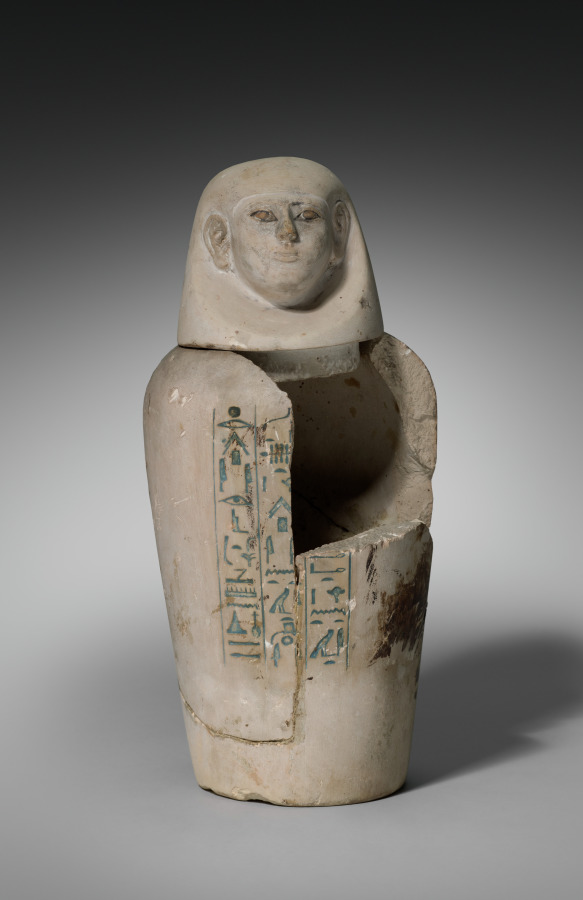
Canopic Jar with Lid at the Cleveland Museum of Art: 1540–1296 BCE, limestone. Explore the work's context, creator attribution and collection history.
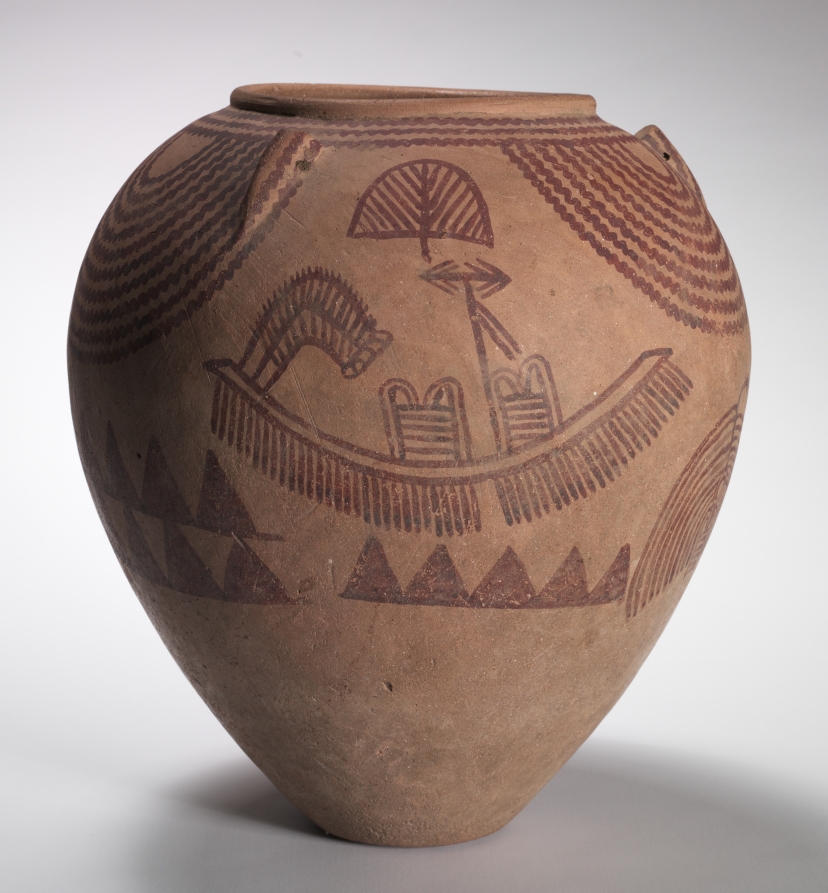
Decorated Jar with Boat Scenes at the Cleveland Museum of Art: c. 3300–3100 BCE, marl clay pottery. Explore the work's context, creator attribution and collection history.
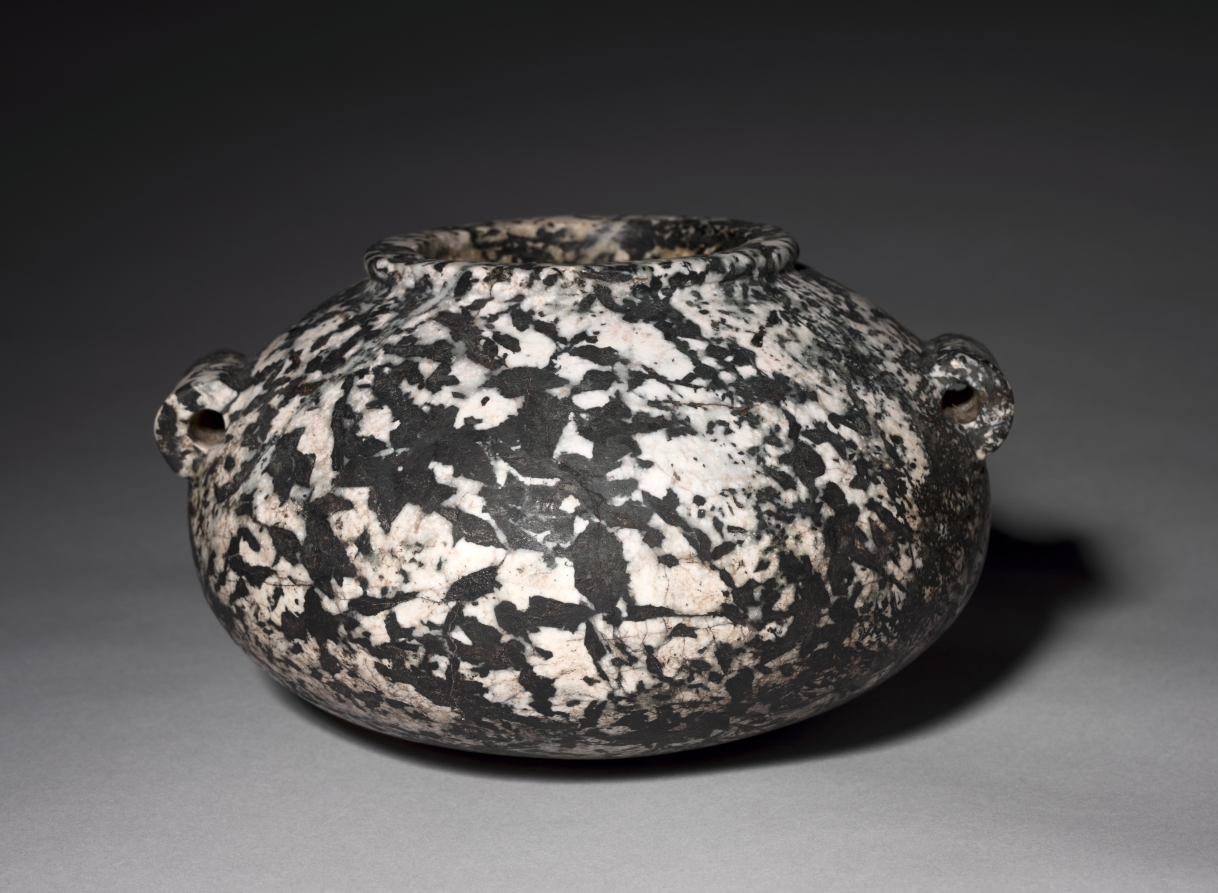
Squat Jar with Lug Handles at the Cleveland Museum of Art: 2950–2573 BCE, pegmatitic hornblende diorite. Explore the work's context, creator attribution and collection history.
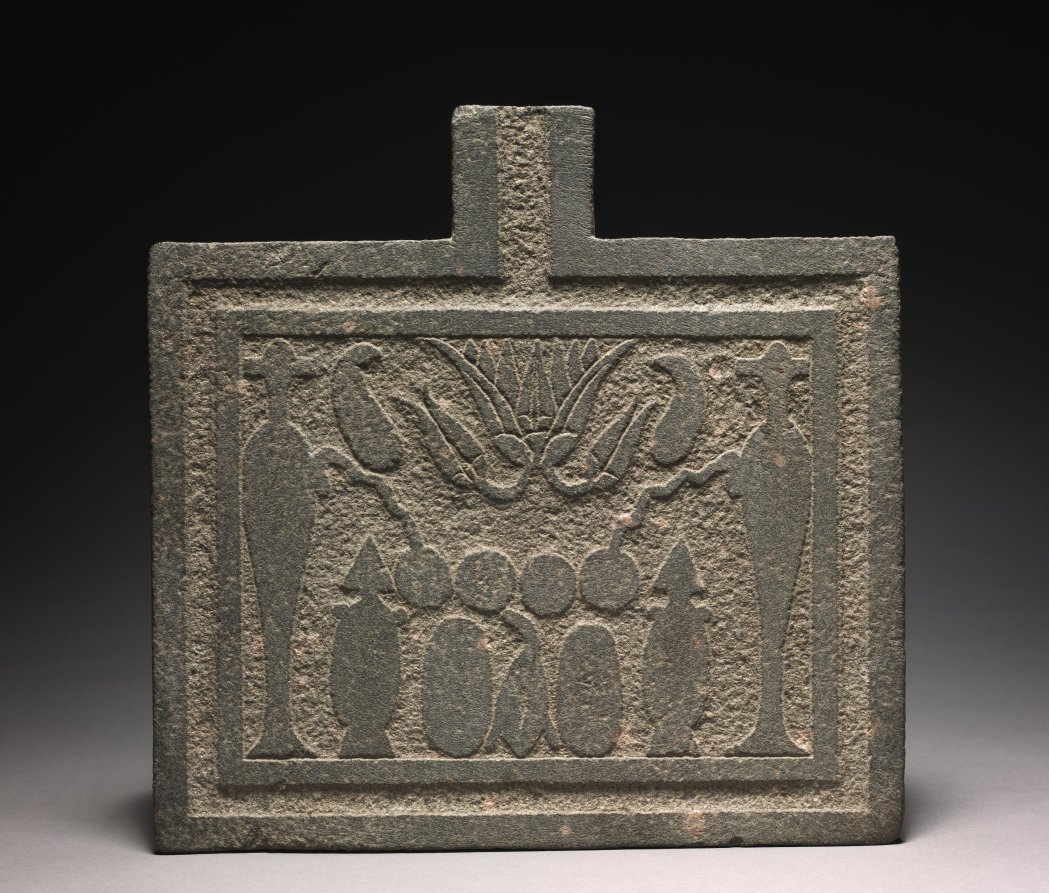
Offering Table at the Cleveland Museum of Art: 305–30 BCE, granodiorite. Explore the work's context, creator attribution and collection history.
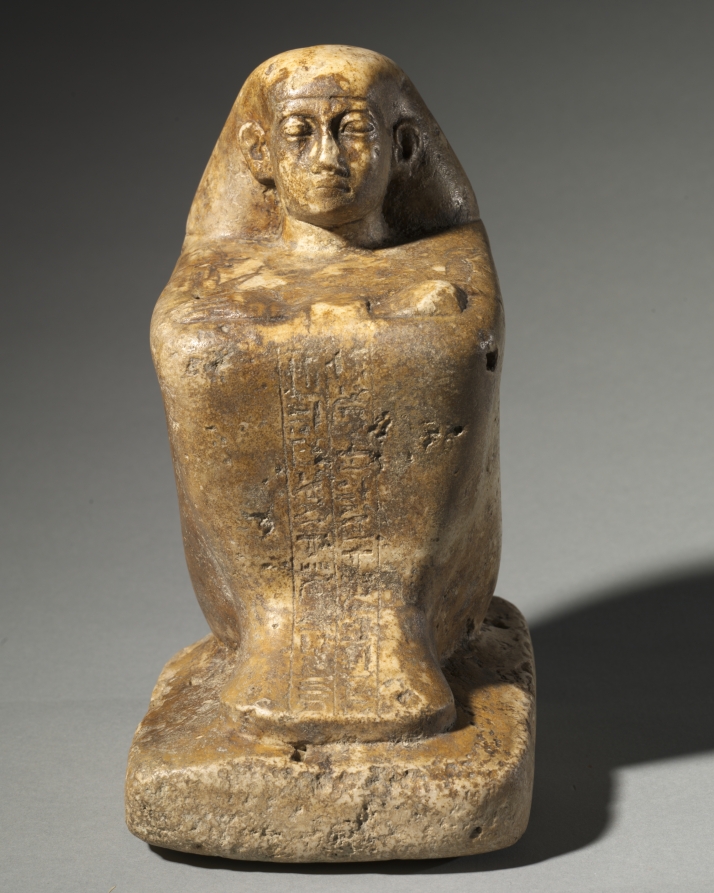
Block Statue of Djedbastetiufankh at the Cleveland Museum of Art: c. 664–610 BCE, limestone. Explore the work's context, creator attribution and collection history.
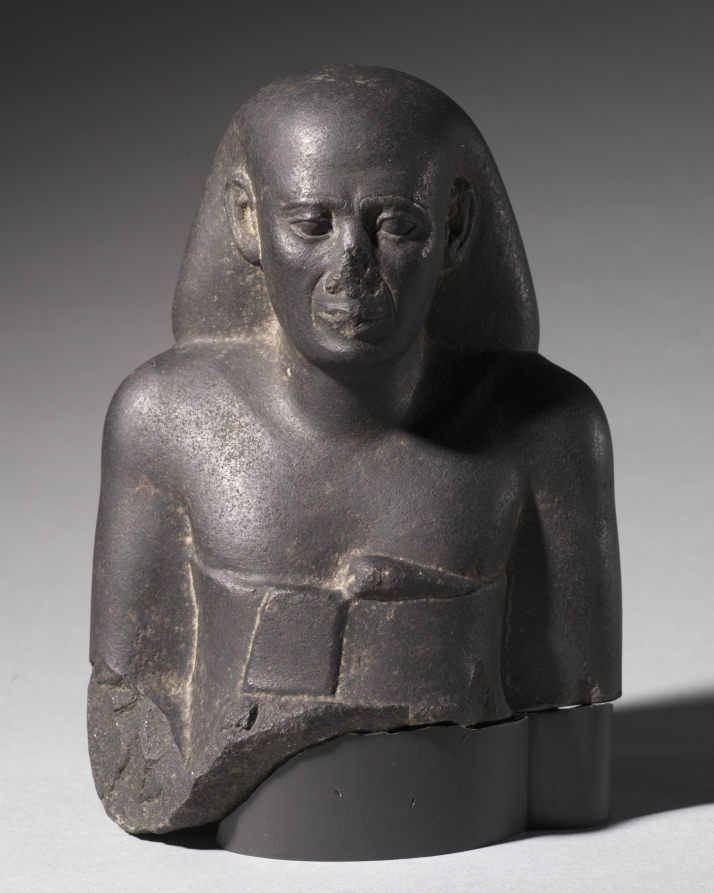
Bust of Ankh-Hor at the Cleveland Museum of Art: 525–404 BCE, basalt. Explore the work's context, creator attribution and collection history.
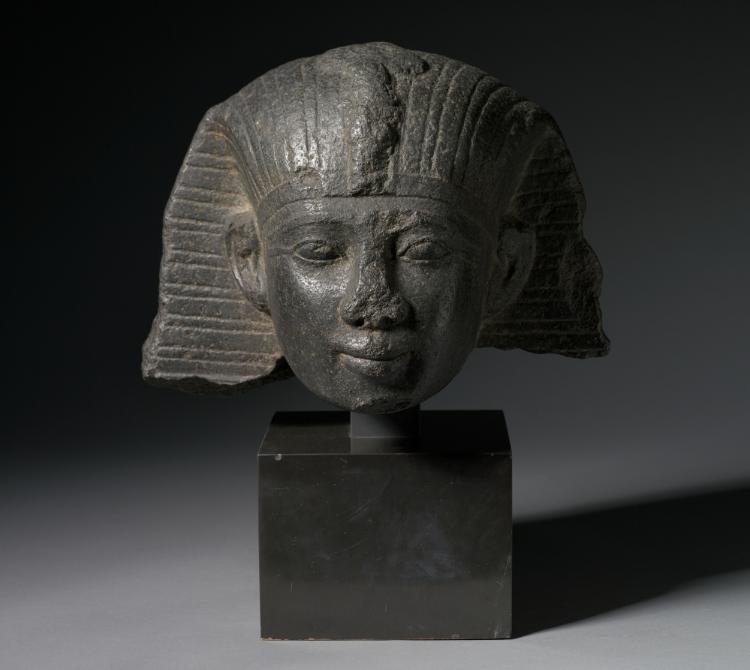
Head of a King at the Cleveland Museum of Art: c. 1069–715 BCE, granodiorite. Explore the work's context, creator attribution and collection history.
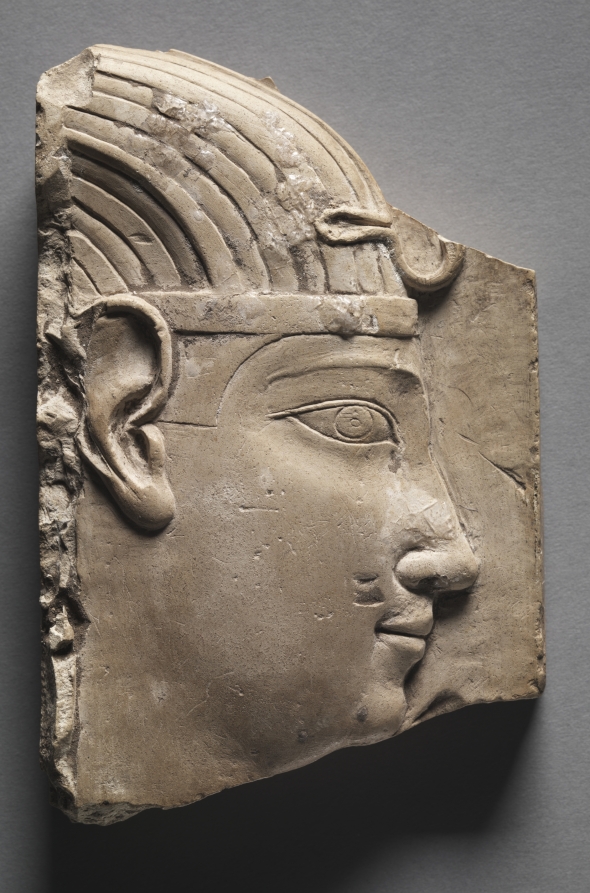
Votive Relief of a King at the Cleveland Museum of Art: 305–246 BCE, limestone. Explore the work's context, creator attribution and collection history.
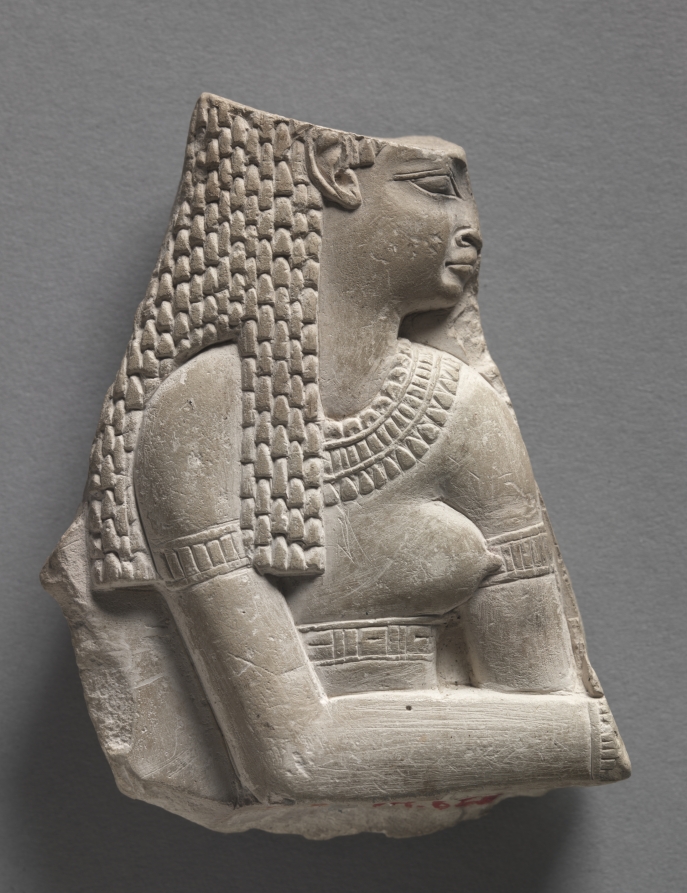
Double-Sided Votive Relief at the Cleveland Museum of Art: 305–30 BCE, limestone. Explore the work's context, creator attribution and collection history.
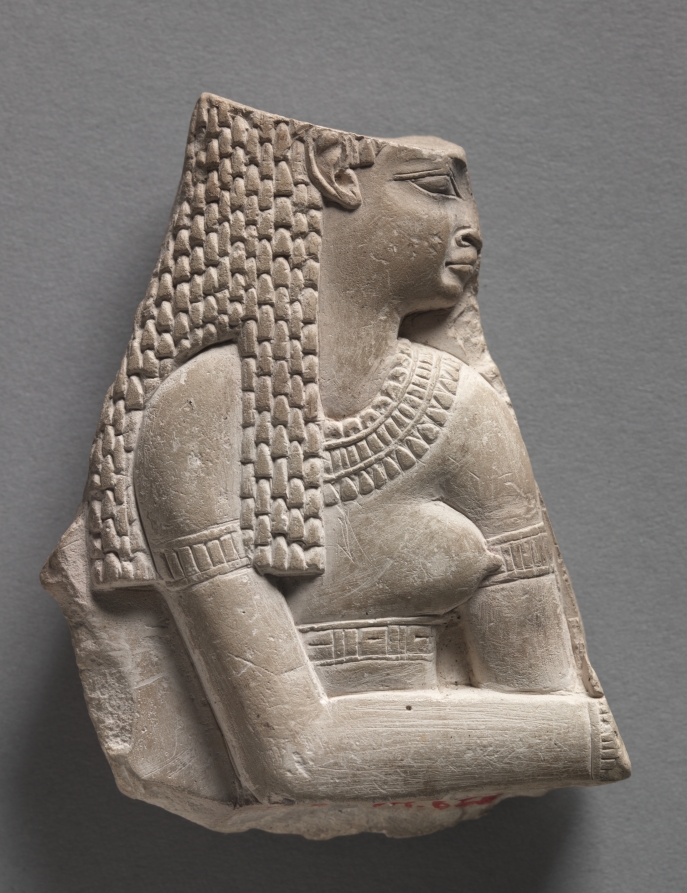
Double-Sided Votive Relief at the Cleveland Museum of Art: 305–30 BCE, limestone. Explore the work's context, creator attribution and collection history.
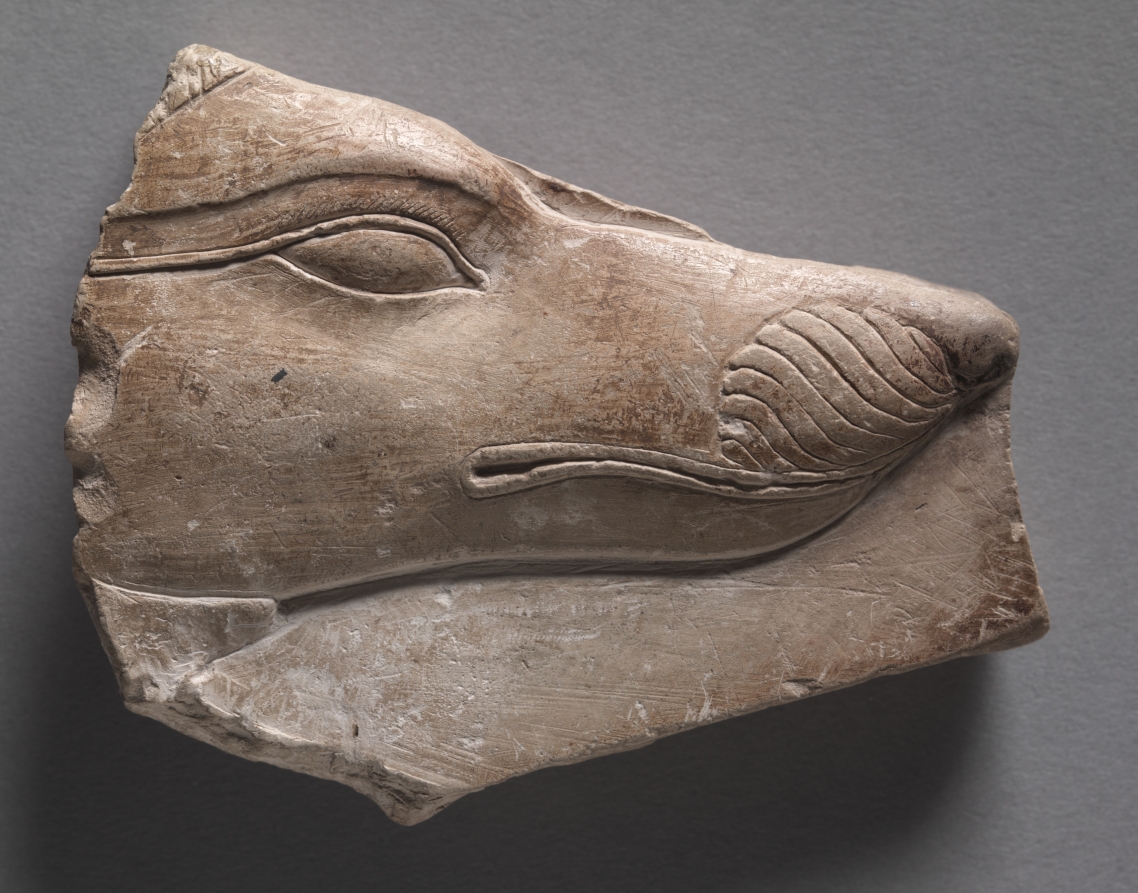
Double-Sided Votive Relief at the Cleveland Museum of Art: 305–30 BCE, limestone. Explore the work's context, creator attribution and collection history.
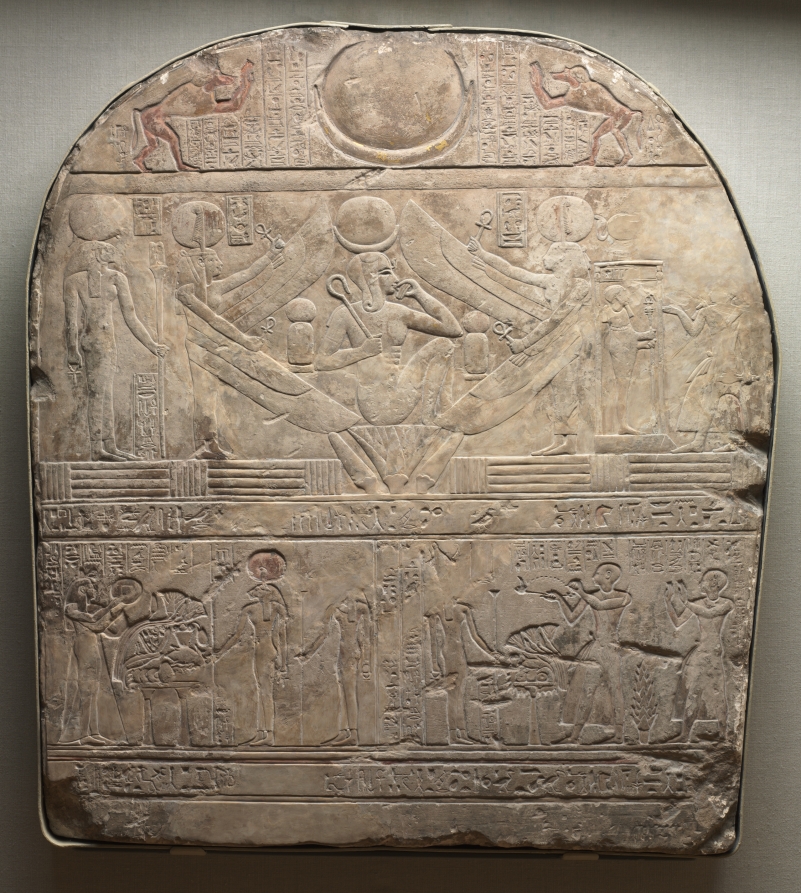
Stele of the High Priest of Ptah, Shedsunefertem at the Cleveland Museum of Art: 945–924 BCE, limestone, originally painted and gilded. Explore the work's context, creator attribution and collection history.
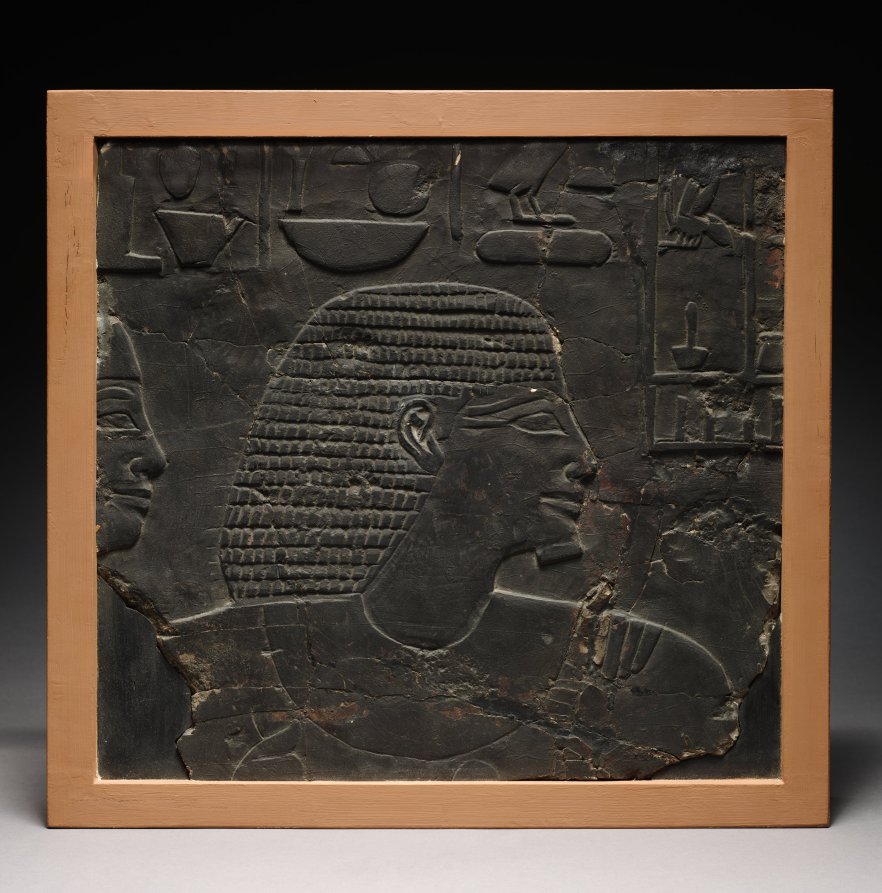
Fragment of a Tomb Relief at the Cleveland Museum of Art: 1401–1391 BCE, limestone. Explore the work's context, creator attribution and collection history.
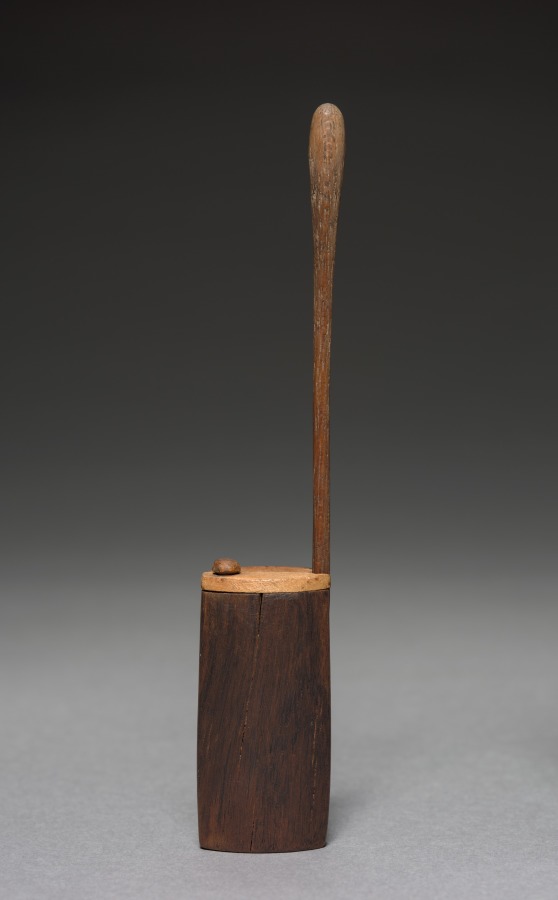
Kohl Container at the Cleveland Museum of Art: 1540–1296 BCE, wood. Explore the work's context, creator attribution and collection history.
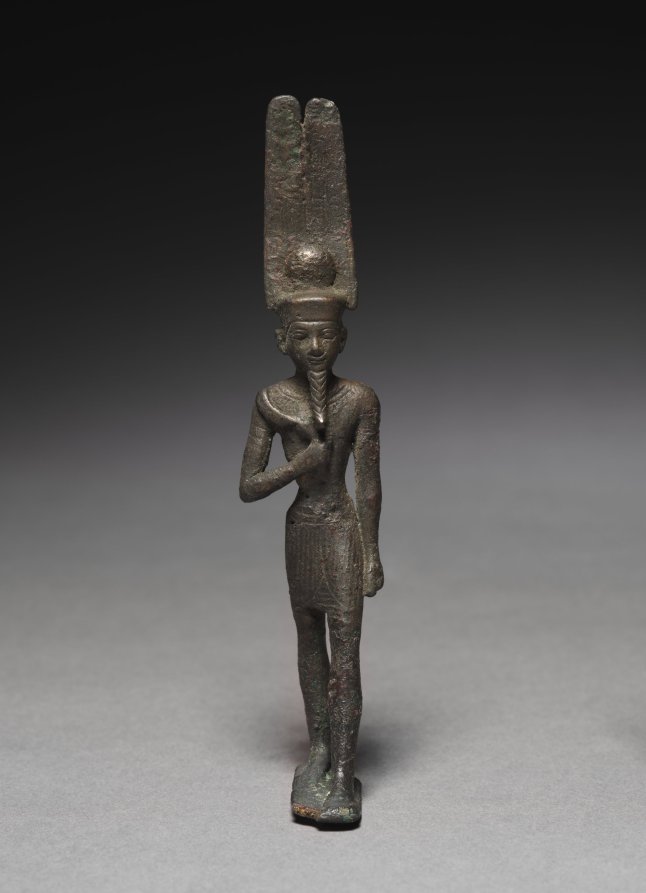
Statuette of Amen-Ra at the Cleveland Museum of Art: 664–525 BCE, bronze, solid cast. Explore the work's context, creator attribution and collection history.
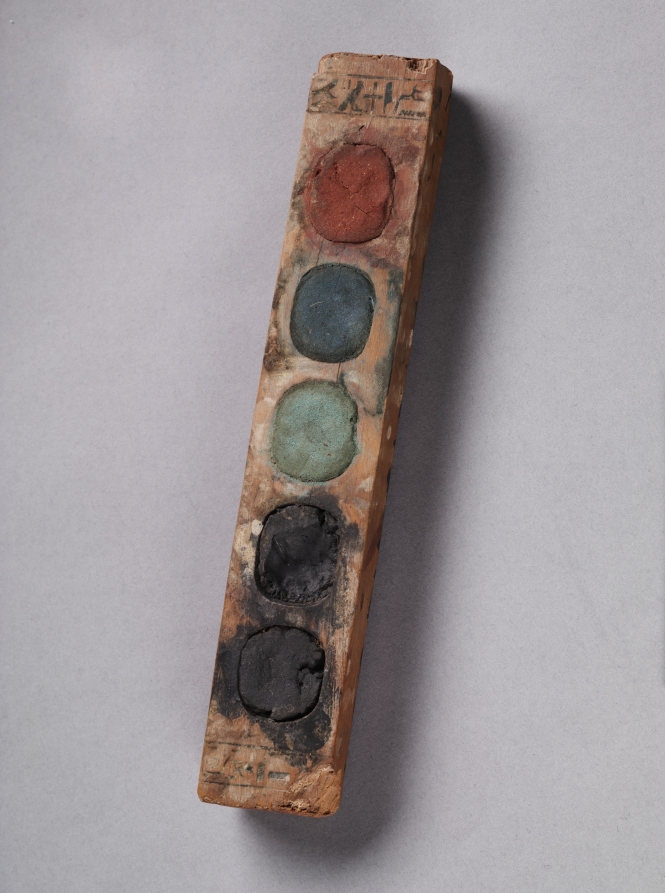
Paint Box of Vizier Amenemope at the Cleveland Museum of Art: c. 1427–1401 BCE, boxwood with inscription inlaid in Egyptian blue. Explore the work's context, creator attribution and collection history.
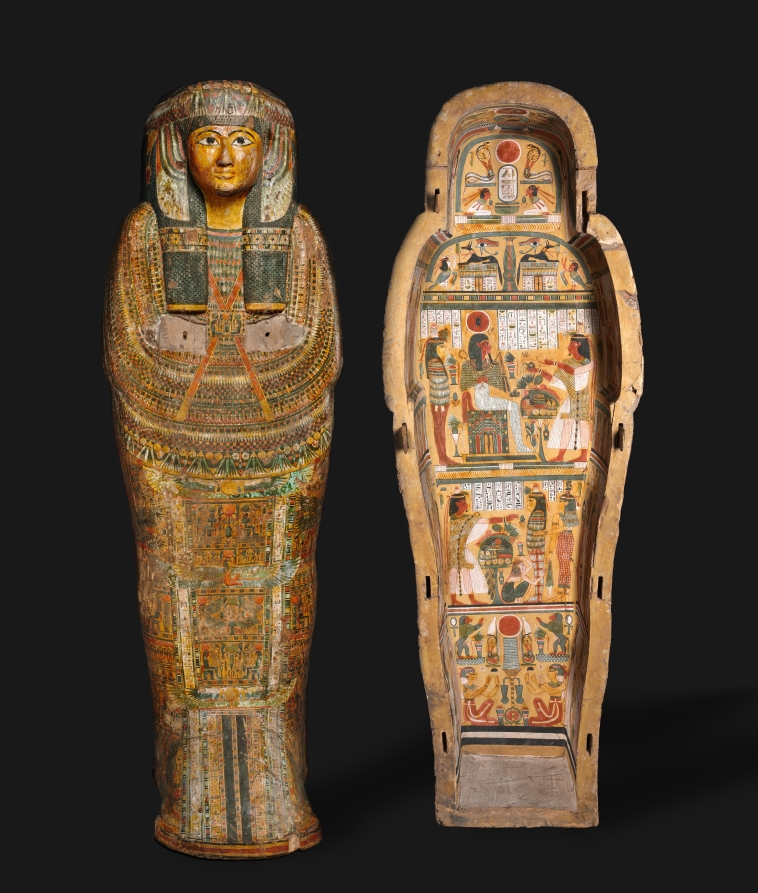
Coffin of Nesykhonsu at the Cleveland Museum of Art: c. 976–889 BCE, gessoed and painted sycamore fig. Explore the work's context, creator attribution and collection history.
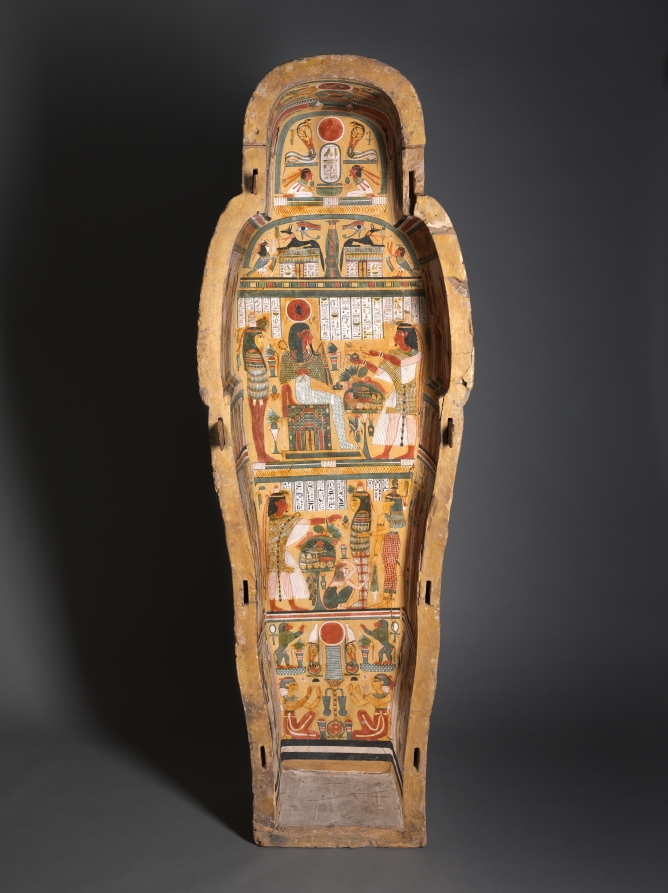
Coffin of Nesykhonsu at the Cleveland Museum of Art: c. 976–889 BCE, gessoed and painted sycamore fig. Explore the work's context, creator attribution and collection history.
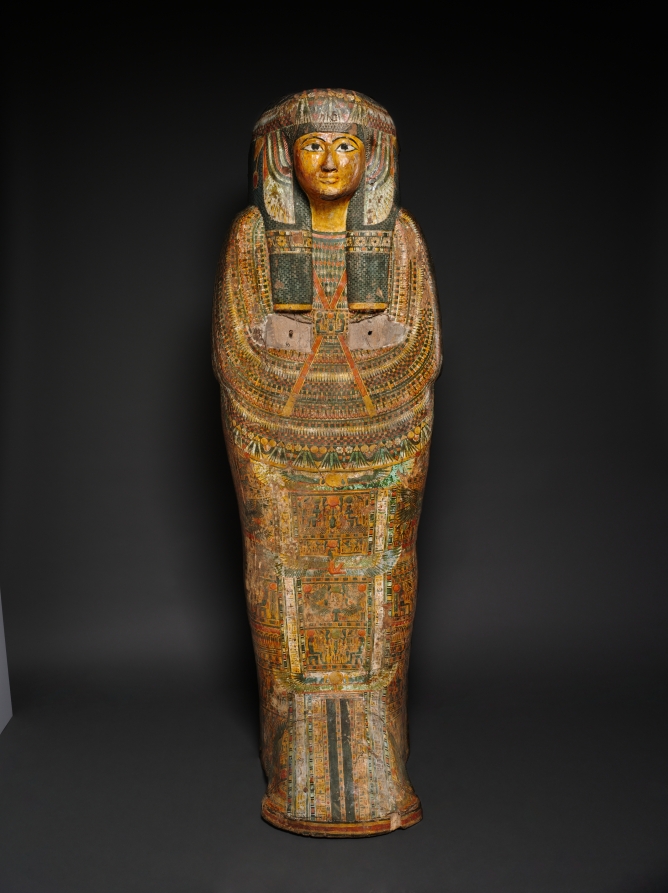
Coffin of Nesykhonsu (lid) at the Cleveland Museum of Art: c. 976–889 BCE, gessoed and painted sycamore fig. Explore the work's context, creator attribution and collection history.
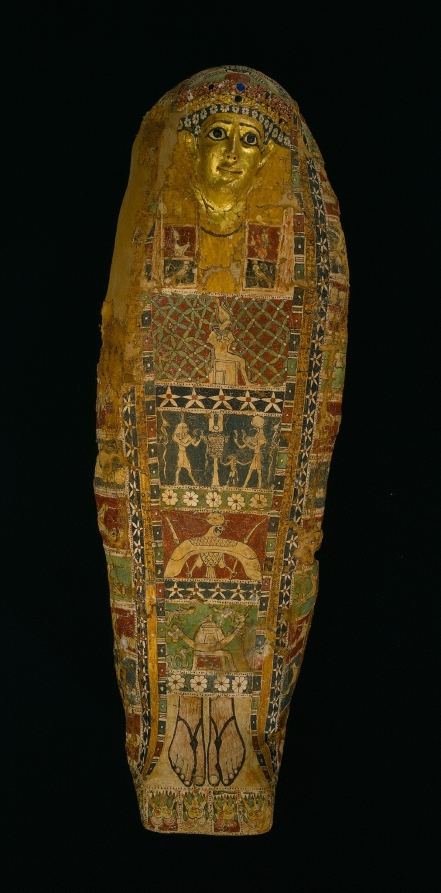
Cartonnage Mummy Case at the Cleveland Museum of Art: c. 50 BCE–50 CE, cartonnage, painted and gilded, with glass inlays. Explore the work's context, creator attribution and collection history.
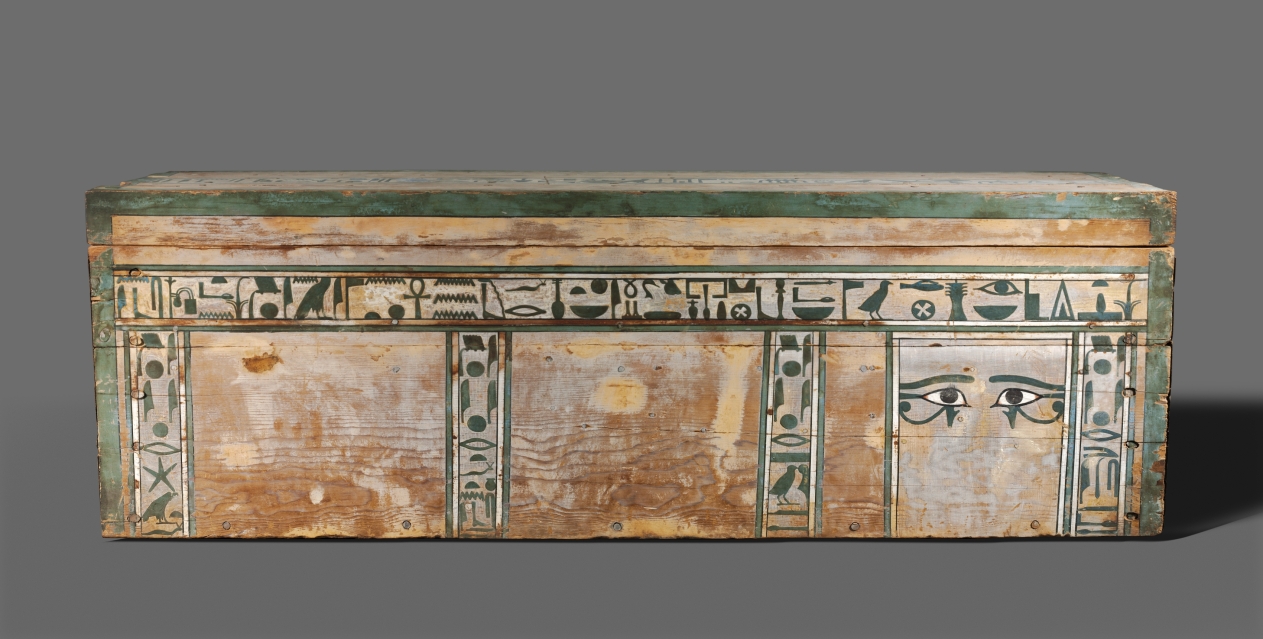
Coffin of Senbi at the Cleveland Museum of Art: c. 1918–1859 BCE, gessoed and painted cedar. Explore the work's context, creator attribution and collection history.
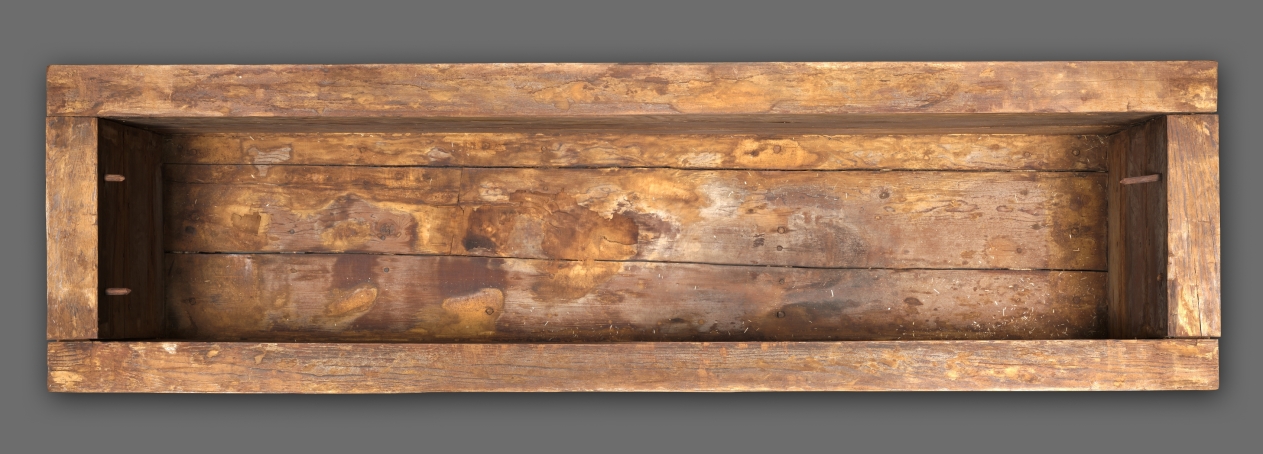
Coffin of Senbi at the Cleveland Museum of Art: c. 1918–1859 BCE, gessoed and painted cedar. Explore the work's context, creator attribution and collection history.
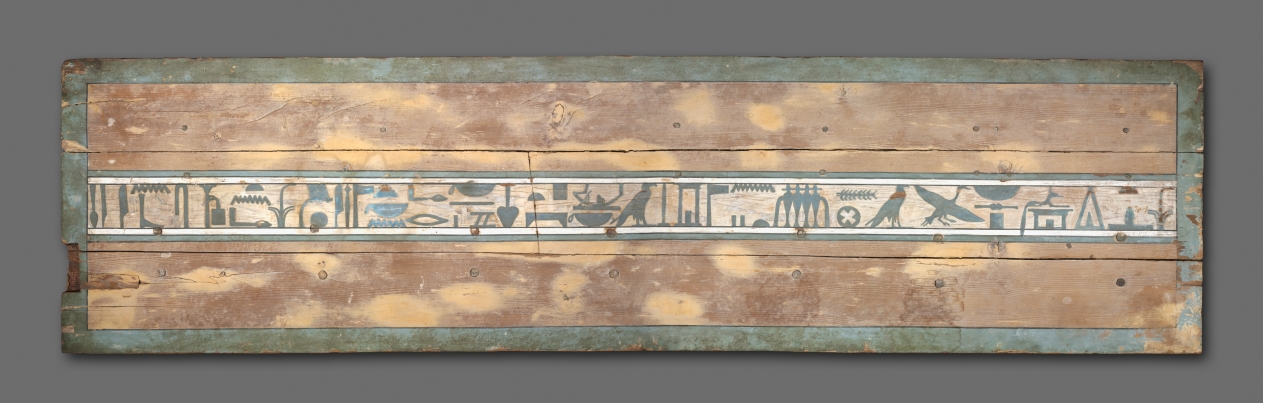
Coffin of Senbi (Lid) at the Cleveland Museum of Art: 1918–1859 BCE, gessoed and painted cedar. Explore the work's context, creator attribution and collection history.