Fragment of a Tomb Relief (1401–1391 BCE): Art, History and Details
Fragment of a Tomb Relief at the Cleveland Museum of Art: 1401–1391 BCE, limestone. Explore the work's context, creator attribution and collection history.
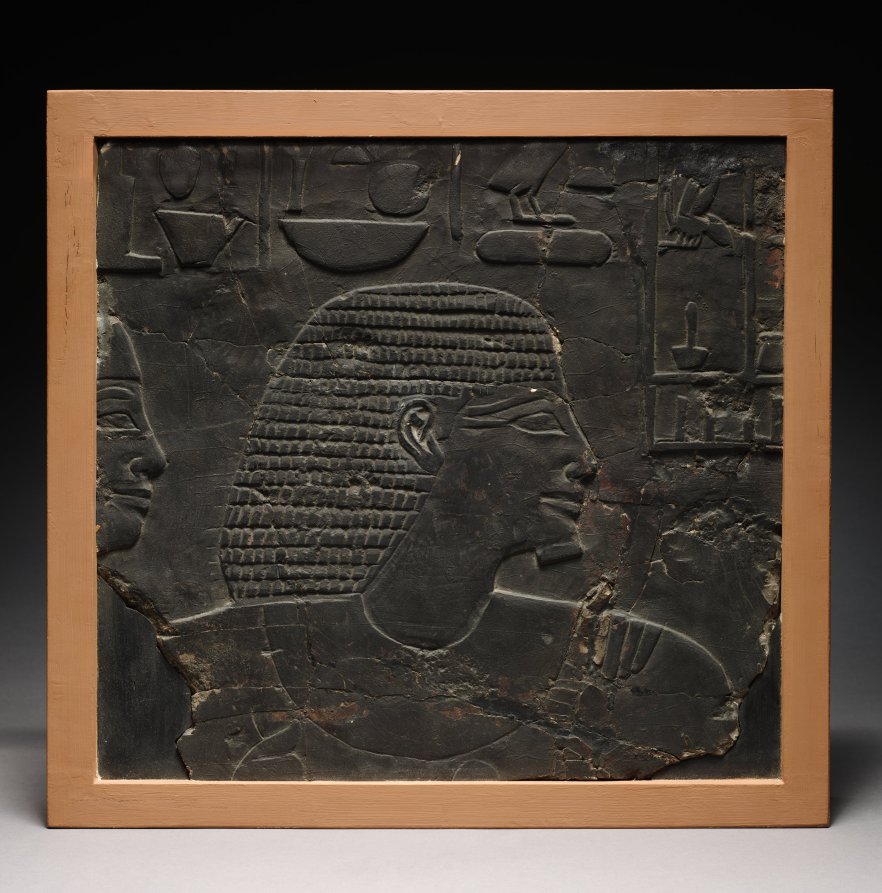
Fragment of a Tomb Relief (1401–1391 BCE) is in the Cleveland Museum of Art collection.
The work and its context
The museum's open-access catalogue describes the work:
In later ages tombs must have served as dwelling places for peasants, since the walls became completely blackened with soot. This fragment is from the most common type of Egyptian tomb scene: the deceased and his wife seated at the funeral banquet of at an offering table.
Object facts
- Title: Fragment of a Tomb Relief
- Date: 1401–1391 BCE
- Culture: Egypt, probably Thebes, New Kingdom (1540–1069 BCE), Dynasty 18, reign of Tuthmosis II (1493–1479 BCE) or later
- Type: Sculpture
- Technique: limestone
- Dimensions: Overall: 40 x 37.5 cm (15 3/4 x 14 3/4 in.)
- Collection: Egypt - New Kingdom
- Department: Egyptian and Ancient Near Eastern Art
- Accession number: 1914.670
Collection credit
Gift of the John Huntington Art and Polytechnic Trust
Further reading listed by the museum
- Berman, Lawrence M., and Kenneth J. Bohač. Catalogue of Egyptian Art: The Cleveland Museum of Art. Cleveland, OH: Cleveland Museum of Art, 1999
View the collection record
See the museum's photographs and full catalogue entry. Catalogue text is reproduced from the Cleveland Museum of Art's open-access data, with HTML formatting removed. This object and its supplied image are designated CC0.
Sources
More in Lifestyle
Keep reading
Related stories


