Pin with Yarn Figure (c. 300 BCE–200 CE): Art, History and Details
Pin with Yarn Figure at the Cleveland Museum of Art: c. 300 BCE–200 CE, wood, yarn, paint. Explore the work's context, creator attribution and collection history.
48 articles

Pin with Yarn Figure at the Cleveland Museum of Art: c. 300 BCE–200 CE, wood, yarn, paint. Explore the work's context, creator attribution and collection history.

Hat (laket) with Pin at the Cleveland Museum of Art: Early 1900s, Raffia, dye, and metal. Explore the work's context, creator attribution and collection history.

Double-Faced Crossbar from a Railing: Female Figure (verso) at the Cleveland Museum of Art: c. 150 BCE, plum-colored sandstone. Explore the work's context, creator attribution and collection history.
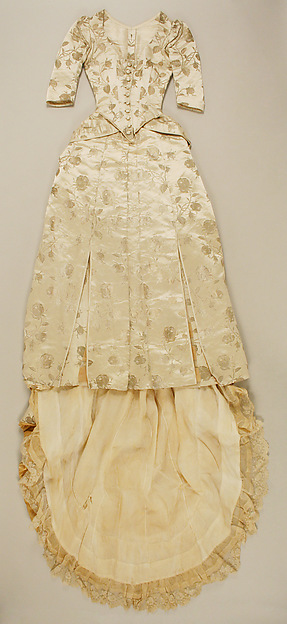
Explore ball gown (1885) by House of Worth: materials, catalogue facts and collection credit from the Met's Costume Institute.

Madonna and Child at the Cleveland Museum of Art: c. 1400–1410, lindenwood with polychromy. Explore the work's context, creator attribution and collection history.
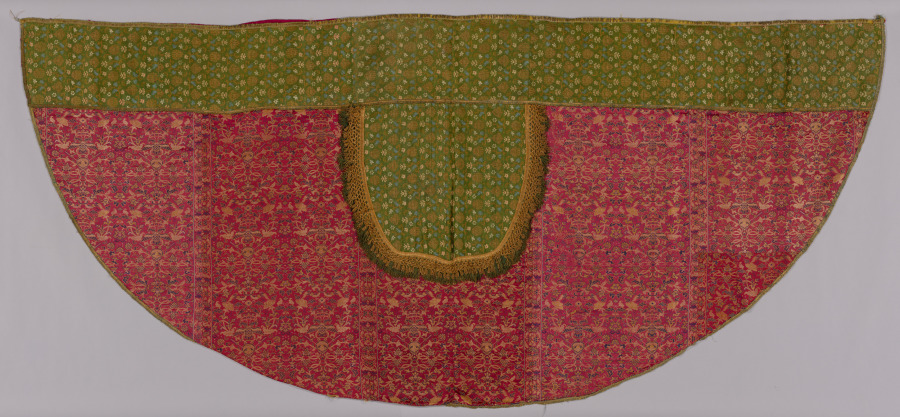
Cope at the Cleveland Museum of Art: 1500s, Silk. Explore the work's context, creator attribution and collection history.

The Gotha Missal: Fol. 83v, Text at the Cleveland Museum of Art: c. 1375, ink, tempera, and gold on vellum; blind-tooled leather binding. Explore the work's context, creator attribution and collection history.

A Creeper in the Peradeniya Gardens, Ceylon at the Cleveland Museum of Art: c. 1880, Albumen print from glass plate negative. Explore the work's context, creator attribution and collection history.
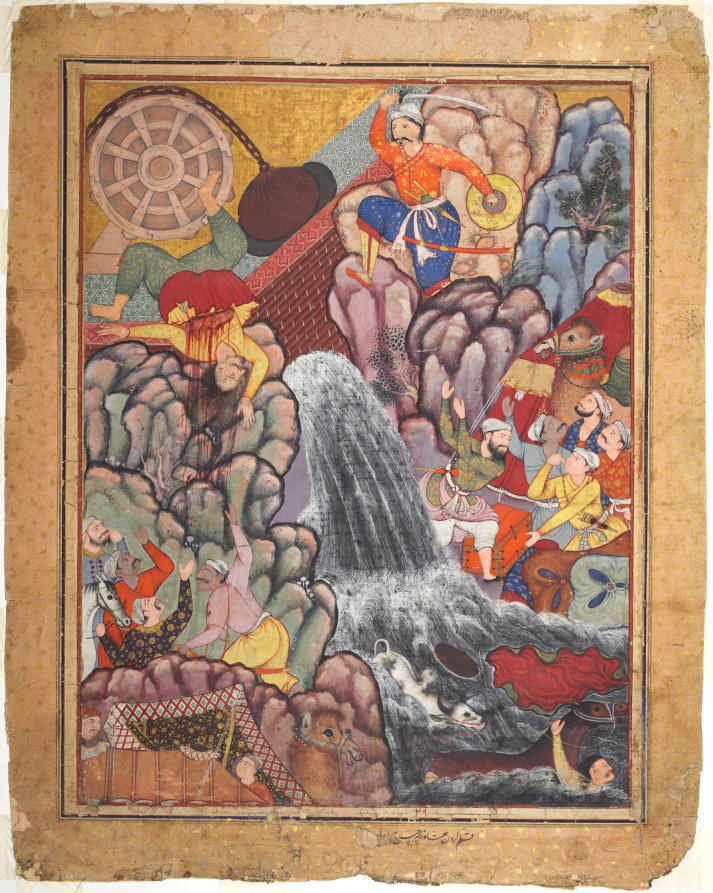
Alamshah cleaving asunder the chain of the wheel, from volume 11 of a Hamza-nama (Adventures of Hamza) at the Cleveland Museum of Art: c. 1560s–70s, Gum tempera, ink, and gold on cotton and paper. Explore the work's context, creator attribu

Cover for a Tureen at the Cleveland Museum of Art: 1812, silver. Explore the work's context, creator attribution and collection history.

Melancholy at the Cleveland Museum of Art: c. 1868, graphite on beige wove paper. Explore the work's context, creator attribution and collection history.
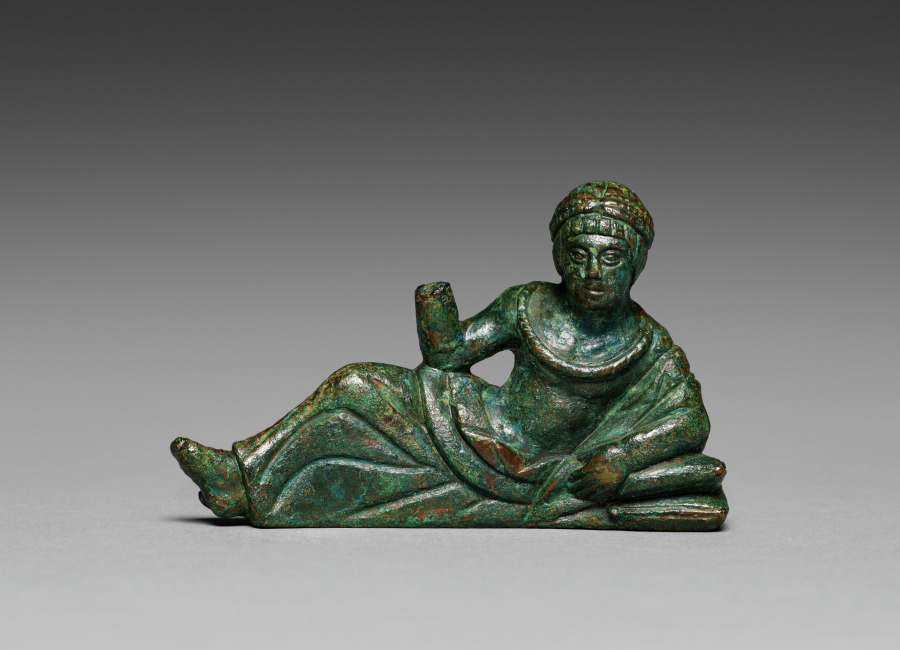
Vessel Ornament of Banqueter at the Cleveland Museum of Art: probably 400–375 BCE, bronze. Explore the work's context, creator attribution and collection history.

Ōtsu-e Nirvana of the Buddha (Ōtsu-e Butsu Nehanzu) at the Cleveland Museum of Art: 1800s, hanging scroll; ink and color on paper. Explore the work's context, creator attribution and collection history.

Leaf from a Book of Hours: Annunciation to the Shepherds (recto) at the Cleveland Museum of Art: c. 1410–20, ink, tempera and gold on vellum. Explore the work's context, creator attribution and collection history.
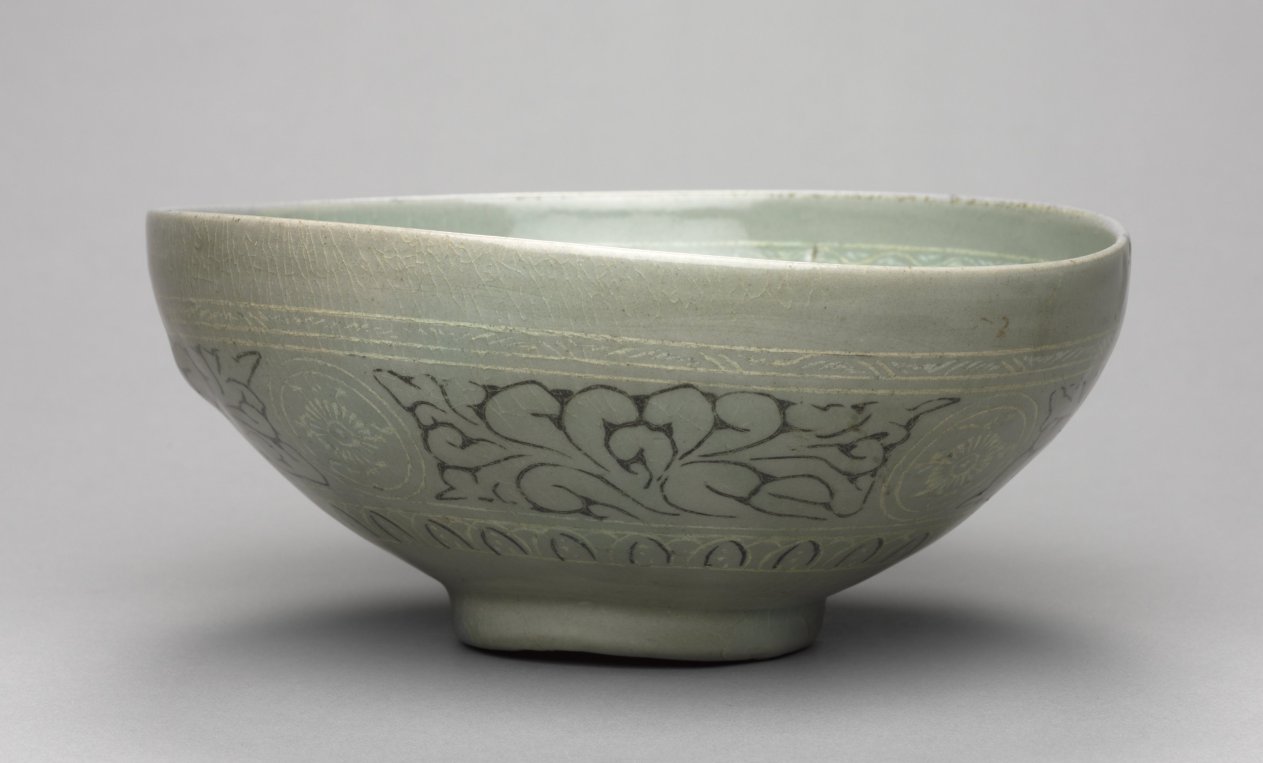
Bowl with Inlaid Chrysanthemum and Lychee Design at the Cleveland Museum of Art: 1300s, pottery. Explore the work's context, creator attribution and collection history.
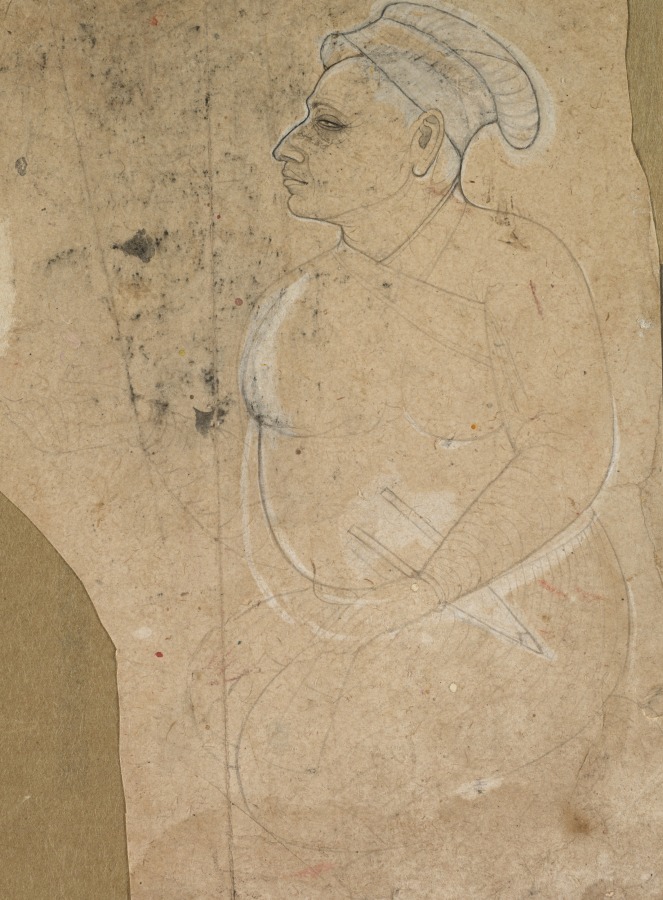
Portrait of a blind man at the Cleveland Museum of Art: c. 1750, Gum tempera on paper. Explore the work's context, creator attribution and collection history.
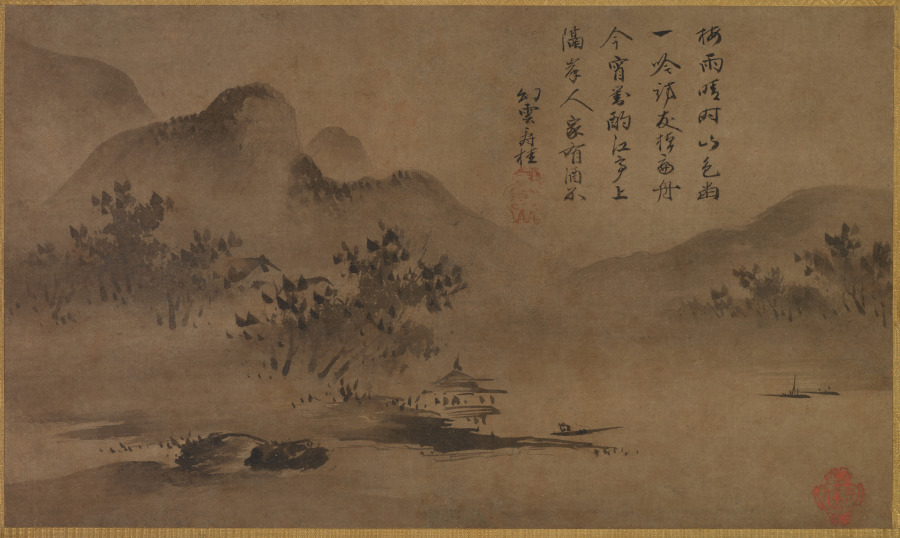
Landscape at the Cleveland Museum of Art: mid-1500s, Hanging scroll; ink on paper. Explore the work's context, creator attribution and collection history.
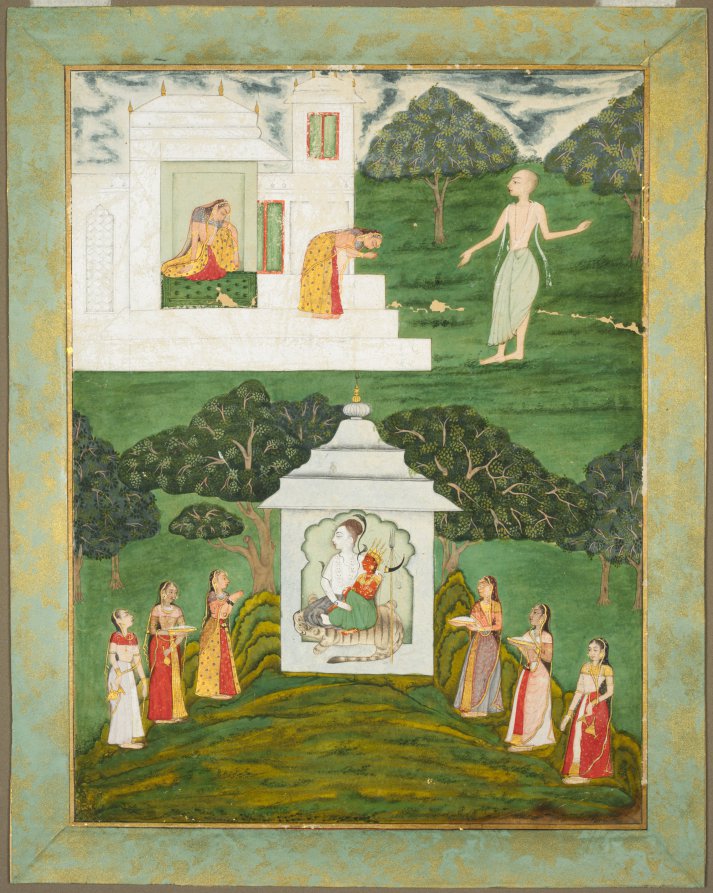
Worship of Shiva and Devi at the Cleveland Museum of Art: early 1700s, Gum tempera, ink, and gold on paper. Explore the work's context, creator attribution and collection history.

Green Tara at the Cleveland Museum of Art: c. 1260s, mounted 2020, thangka; gum tempera, ink, and gold on sized cotton; mount: silk. Explore the work's context, creator attribution and collection history.

Flowers of a Hundred Worlds (Momoyogusa): Fulling Silk (Uchiginu) at the Cleveland Museum of Art: 1909–10, color woodcuts with gold and silver. Explore the work's context, creator attribution and collection history.
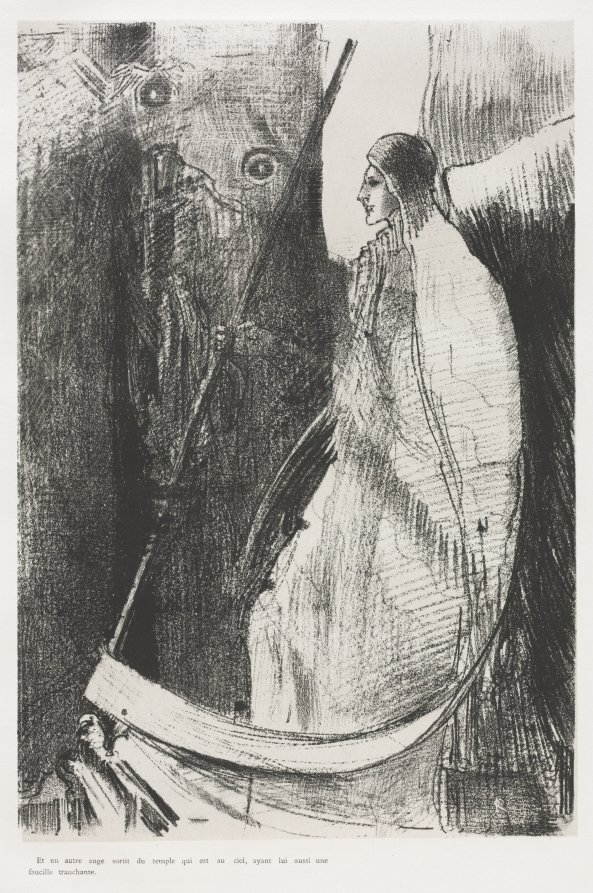
And Another Angel Came Out of the Temple which is in Heaven, and He also Having a Sharp Sickle at the Cleveland Museum of Art: 1899, lithograph. Explore the work's context, creator attribution and collection history.

Figure of the Dancer (La Danseuse) at the Cleveland Museum of Art: 1748–52, unglazed soft-paste porcelain (biscuit porcelain). Explore the work's context, creator attribution and collection history.
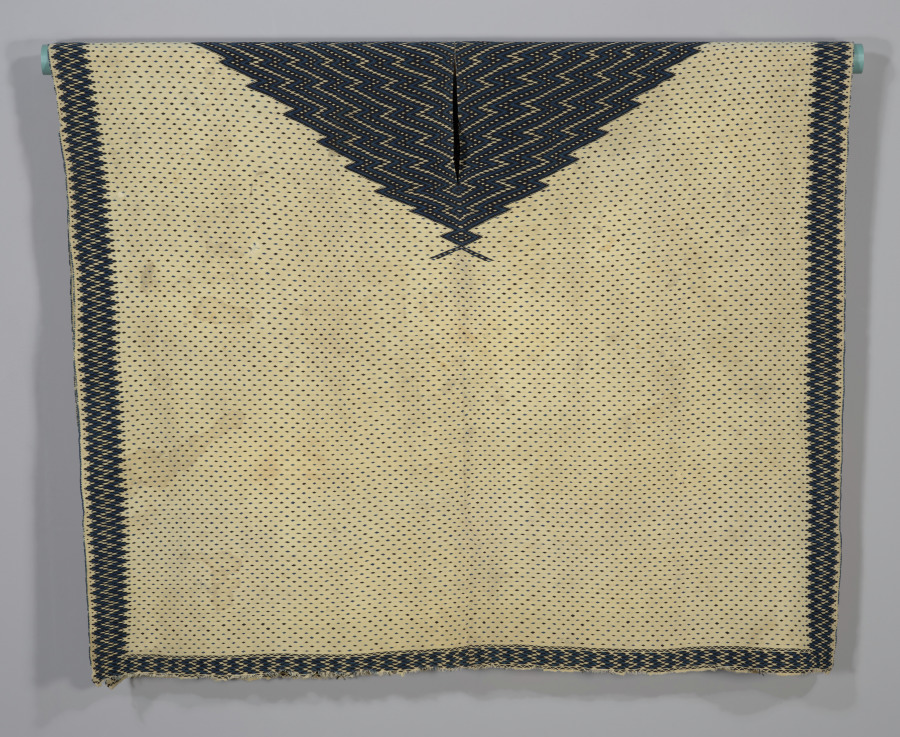
Saltillo Sarape at the Cleveland Museum of Art: c. 1820, Wool, cotton; tapestry weave. Explore the work's context, creator attribution and collection history.

Pedestal at the Cleveland Museum of Art: mid-1700s, carved, gilded, and painted wood. Explore the work's context, creator attribution and collection history.

White Mare at the Cleveland Museum of Art: c. 1868, oil on panel. Explore the work's context, creator attribution and collection history.

Pair of Lace Lappets at the Cleveland Museum of Art: 1700s, Linen: bobbin lace. Explore the work's context, creator attribution and collection history.

Cleansing Medicinal Herbs in the Stream on a Spring Day at the Cleveland Museum of Art: 1703, Handscroll; ink and color on silk. Explore the work's context, creator attribution and collection history.
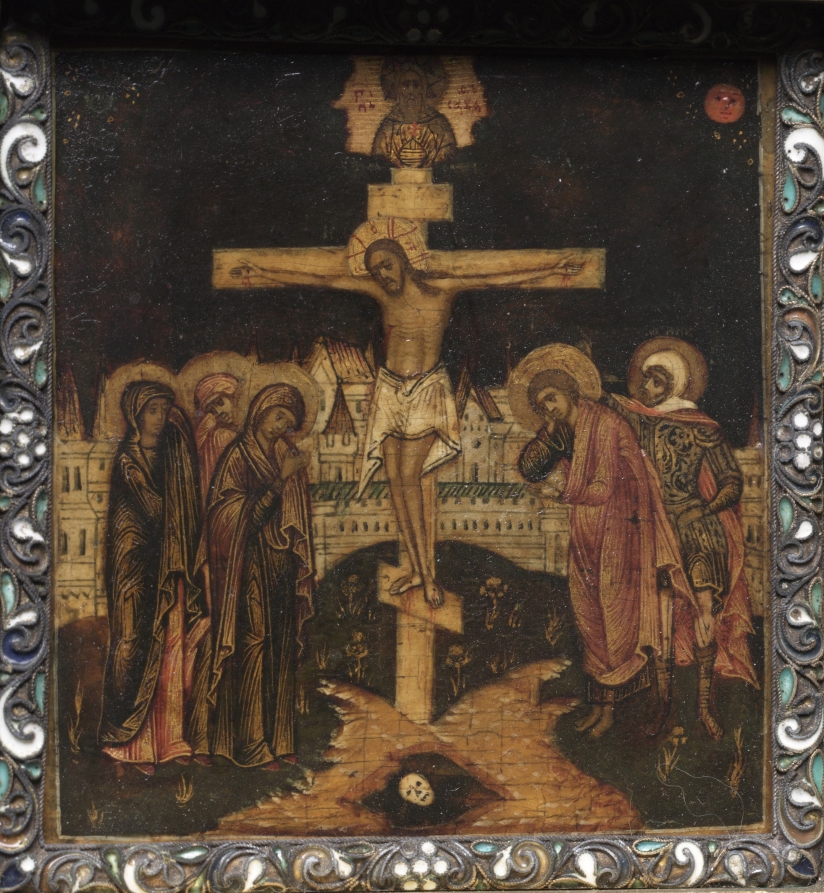
Portable Triptych Icon: The Crucifixion at the Cleveland Museum of Art: 1600s, painted wood panel within enameled brass frame. Explore the work's context, creator attribution and collection history.
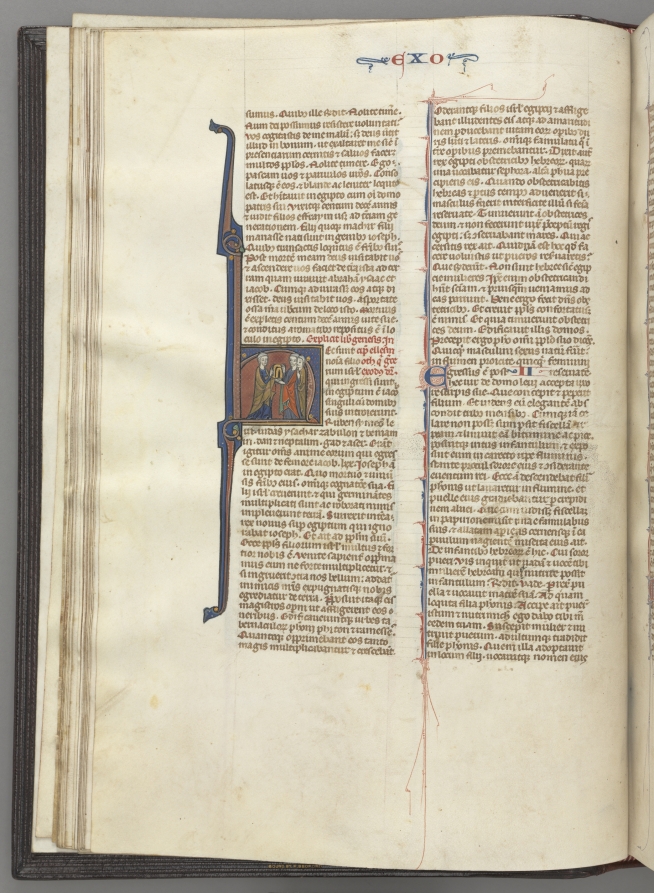
Fol. 20v, Exodus, historiated initial H, Moses and two followers with the tablets of the law at the Cleveland Museum of Art: c. 1275–1300, ink, tempera and gold on vellum. Explore the work's context, creator attribution and collection histo

Head from a Building's Façade at the Cleveland Museum of Art: 250–900 CE, stucco, paint. Explore the work's context, creator attribution and collection history.

Persian Flowers at the Cleveland Museum of Art: 1755, etching. Explore the work's context, creator attribution and collection history.

Erasmus of Rotterdam at the Art Institute of Chicago: date, artist attribution, materials and the museum's explanation of the work.

King Siddhartha and Queen Trishala Sit Alone to Discuss Her Dreams, Folio 24 (recto), from a Kalpa-sutra at the Cleveland Museum of Art: c. 1475–1500, Gum tempera, ink, and gold on paper. Explore the work's context, creator attribution and
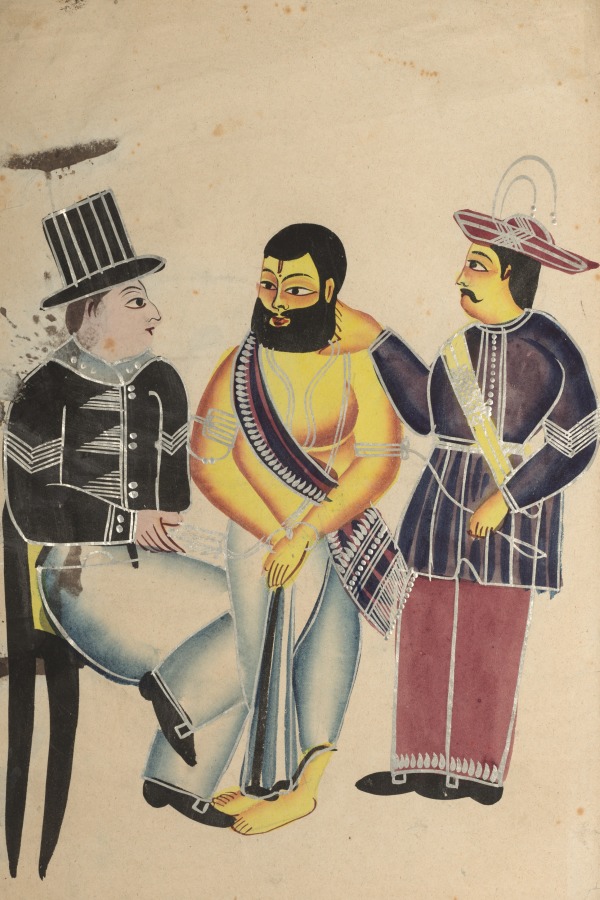
Jailer Receiving the Mahant of Tarakeshwar in Prison at the Cleveland Museum of Art: c. 1890, Black ink, gum tempera, and tin paint, with graphite underdrawing on paper. Explore the work's context, creator attribution and collection history

Eagle Ornament at the Cleveland Museum of Art: c. 1200–1519, silver. Explore the work's context, creator attribution and collection history.
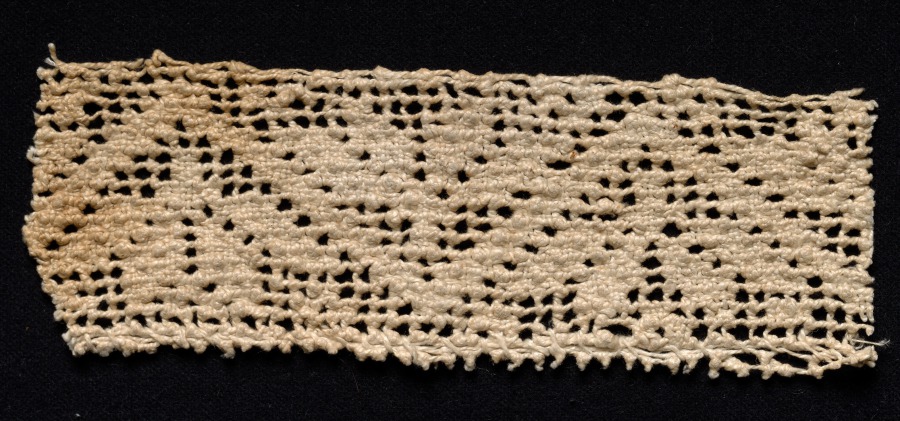
Fragment of a Band with Geometric Motif at the Cleveland Museum of Art: 1600s–1700s, Bleached linen (est.): needle lace, filet/lacis (knotted ground and darned in two directions). Explore the work's context, creator attribution and collecti
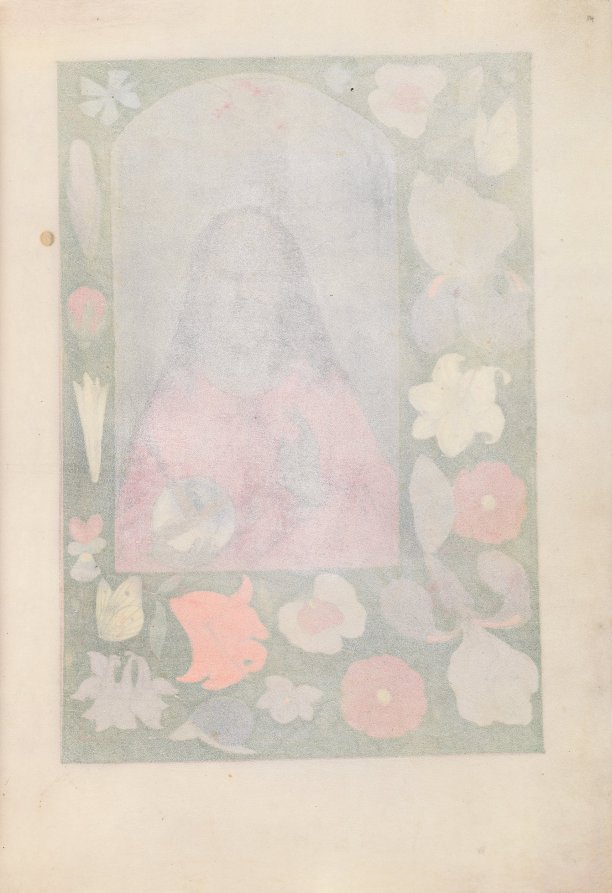
Hours of Queen Isabella the Catholic, Queen of Spain: Fol. 14r at the Cleveland Museum of Art: c. 1500, ink, tempera, and gold on vellum. Explore the work's context, creator attribution and collection history.
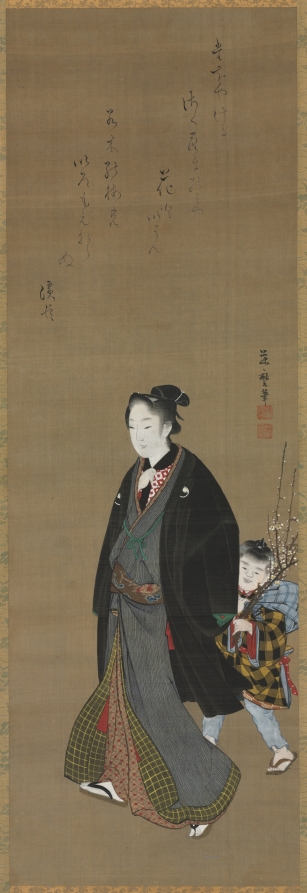
A Beauty at the Cleveland Museum of Art: c. 1810, hanging scroll; ink and color on silk. Explore the work's context, creator attribution and collection history.
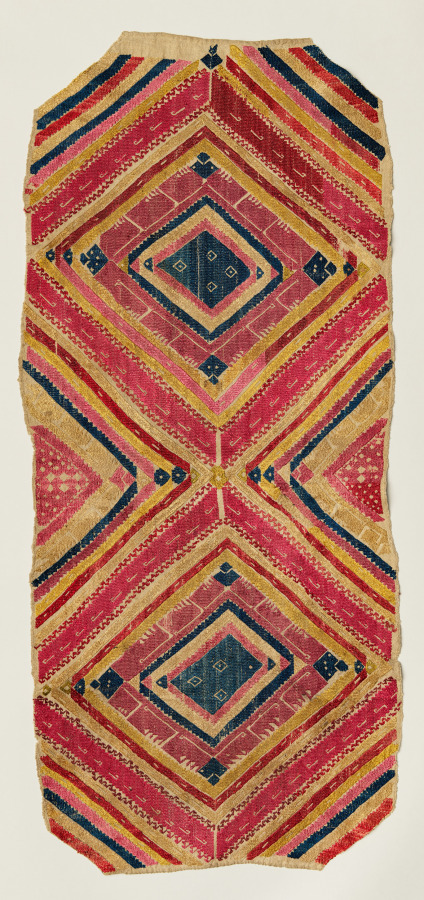
Fragment at the Cleveland Museum of Art: 1600s-1700s, Silk, linen. Explore the work's context, creator attribution and collection history.
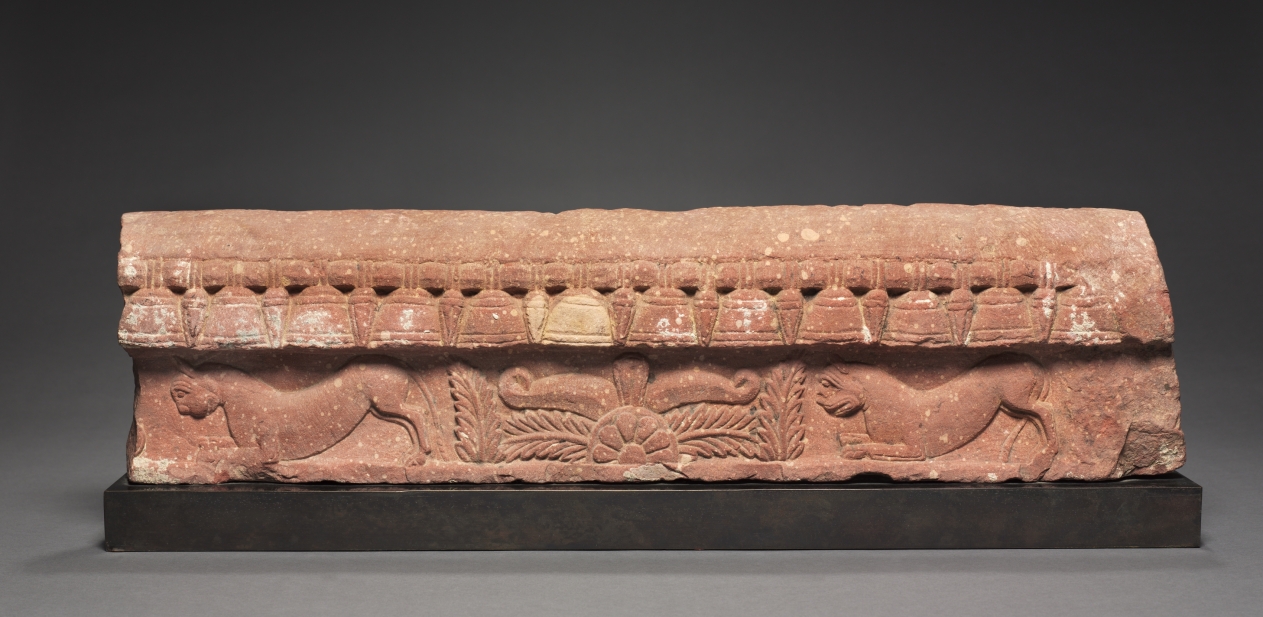
Section of a Coping Rail at the Cleveland Museum of Art: 1–200 CE, sandstone. Explore the work's context, creator attribution and collection history.
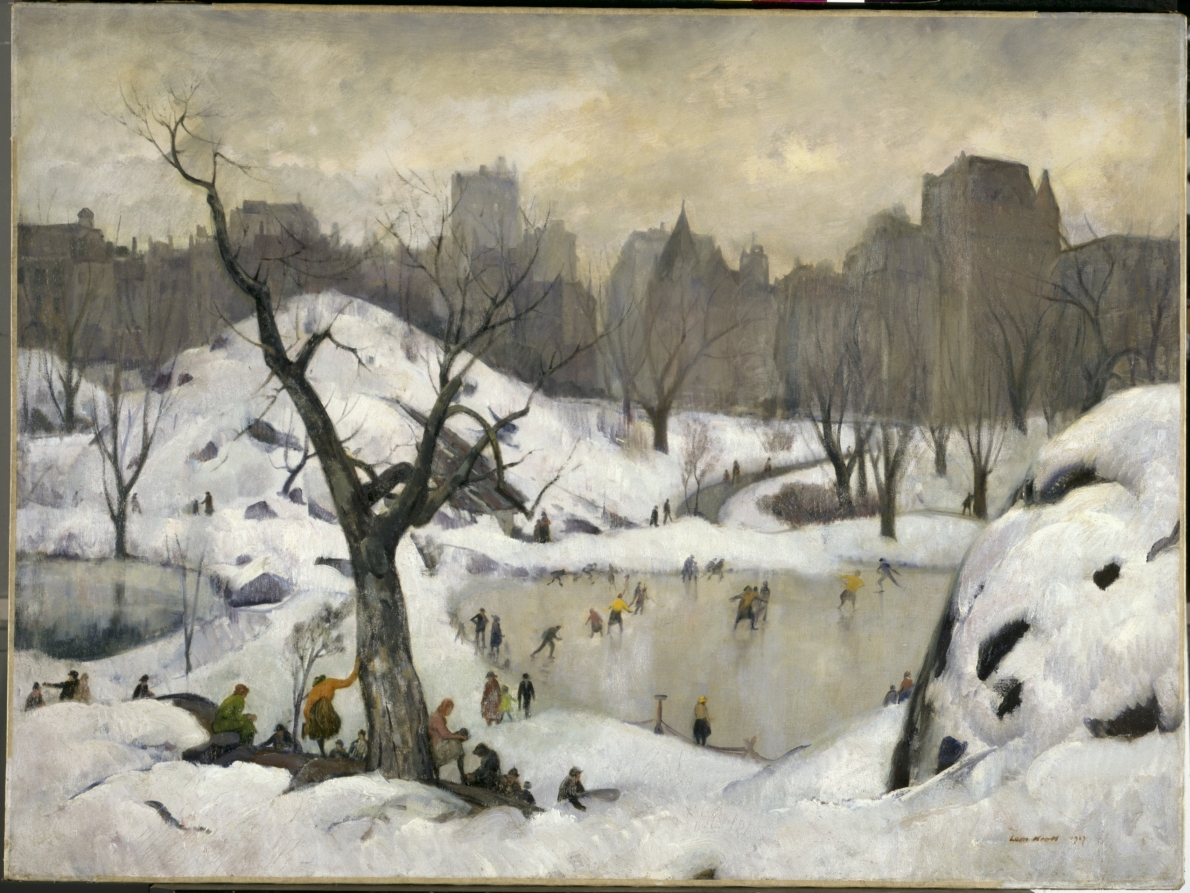
The Park-Winter at the Cleveland Museum of Art: 1923, oil on canvas. Explore the work's context, creator attribution and collection history.

Album of Daoist and Buddhist Themes: Search the Mountain: Leaf 44 at the Cleveland Museum of Art: 1200s, Album; ink on paper. Explore the work's context, creator attribution and collection history.
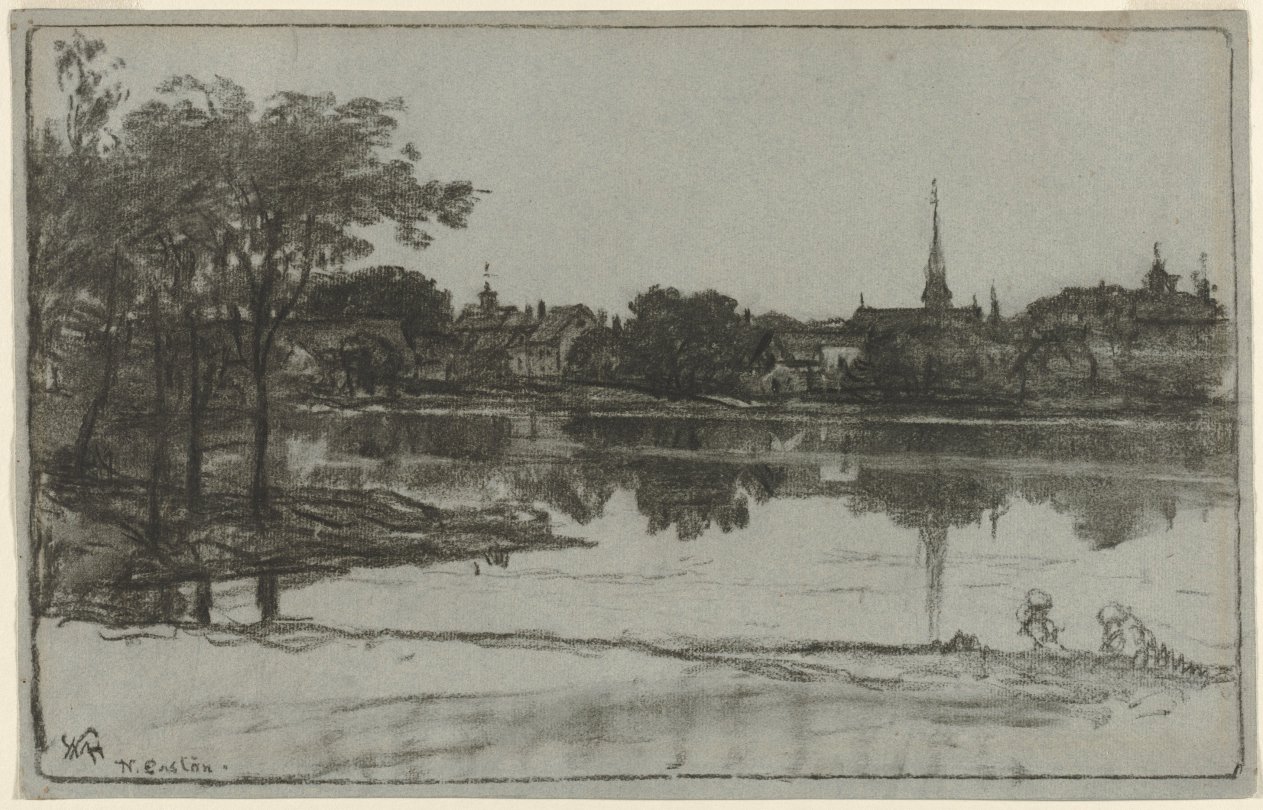
North Easton, Massachusetts at the Cleveland Museum of Art: 1877, charcoal; framing lines in charcoal. Explore the work's context, creator attribution and collection history.

Gift Bowl at the Cleveland Museum of Art: c. 1905, Sedge with mallard, meadowlark, and quail feathers, and shells; coiled (3 rods). Explore the work's context, creator attribution and collection history.
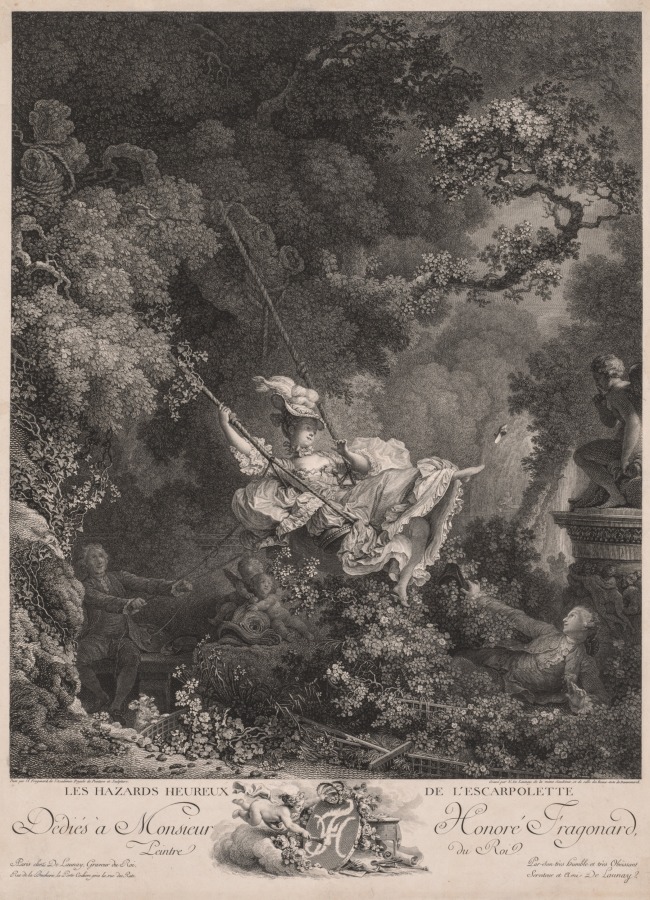
The Swing at the Cleveland Museum of Art: 1782, engraving. Explore the work's context, creator attribution and collection history.
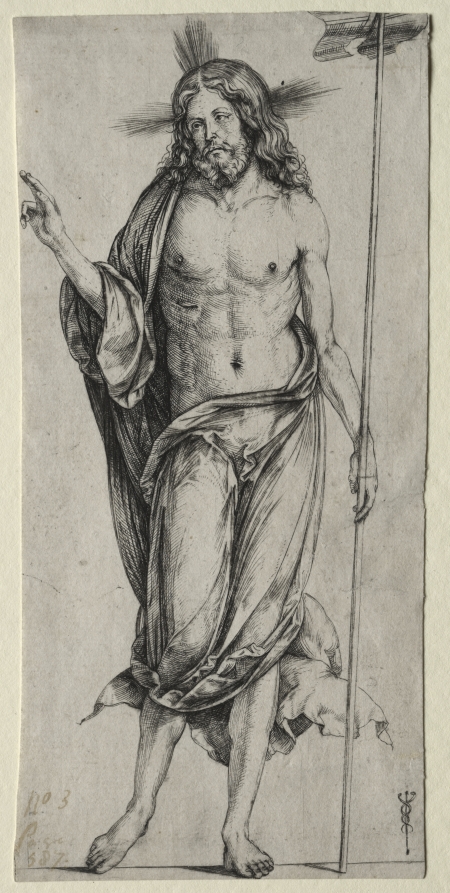
The Risen Christ at the Cleveland Museum of Art: c. 1503–4, engraving. Explore the work's context, creator attribution and collection history.
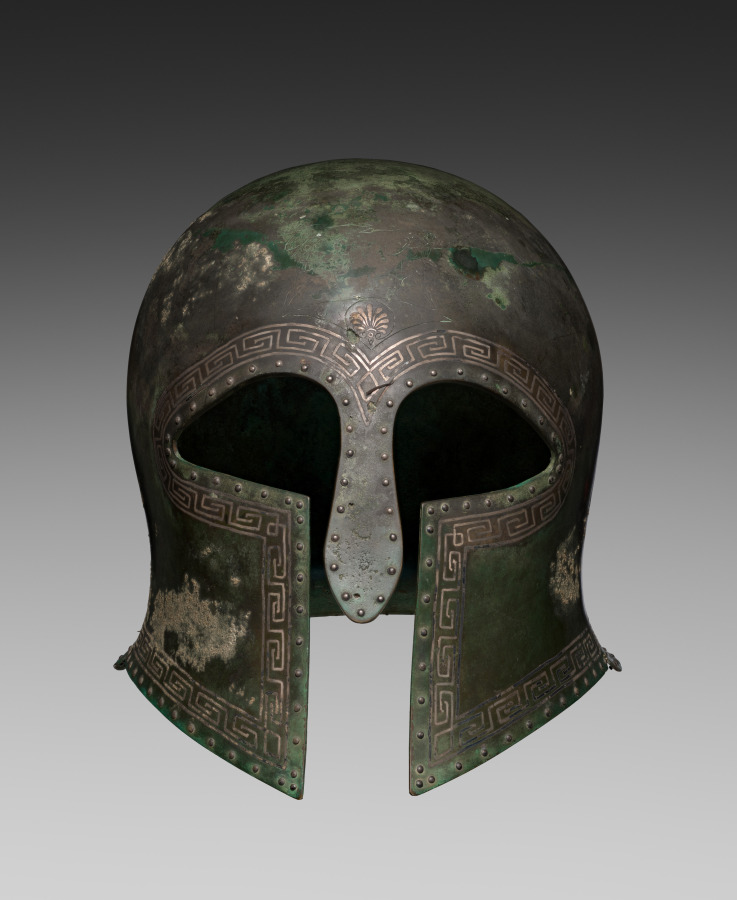
Corinthian Helmet at the Cleveland Museum of Art: 500–475 BCE or modern (before 1926), bronze with silver inlay. Explore the work's context, creator attribution and collection history.

Punch Bowl at the Art Institute of Chicago: date, artist attribution, materials and the museum's explanation of the work.