The Conversion of Saint Paul (n.d.): Artwork and History
The Conversion of Saint Paul at the Art Institute of Chicago: date, artist attribution, materials and the museum's explanation of the work.
Oldest entries first, in a fixed order. Newly added articles appear at the end. Explore a shuffled selection →

The Conversion of Saint Paul at the Art Institute of Chicago: date, artist attribution, materials and the museum's explanation of the work.

Conrad Hertz, Stiffter at the Art Institute of Chicago: date, artist attribution, materials and the museum's explanation of the work.
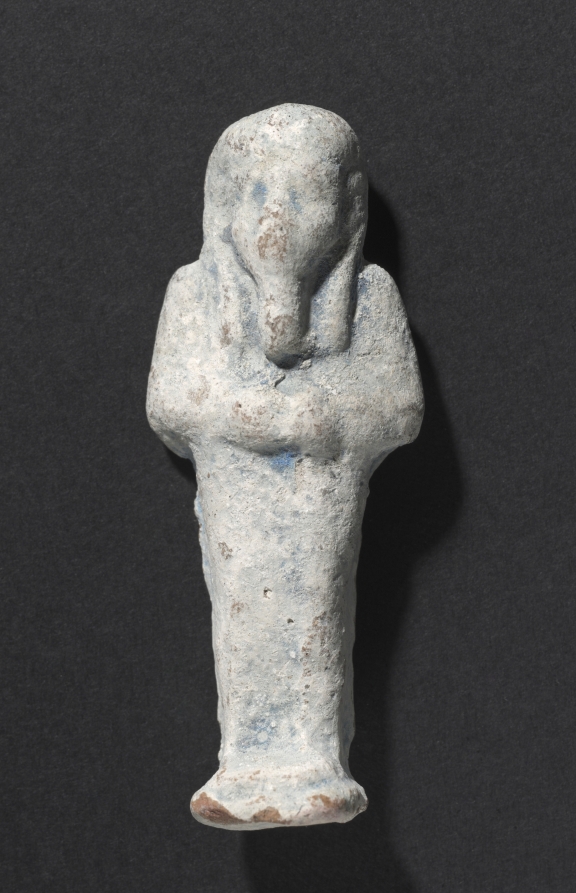
Shawabty of Ditamenpaankh at the Cleveland Museum of Art: 715–656 BCE, terracotta. Explore the work's context, creator attribution and collection history.
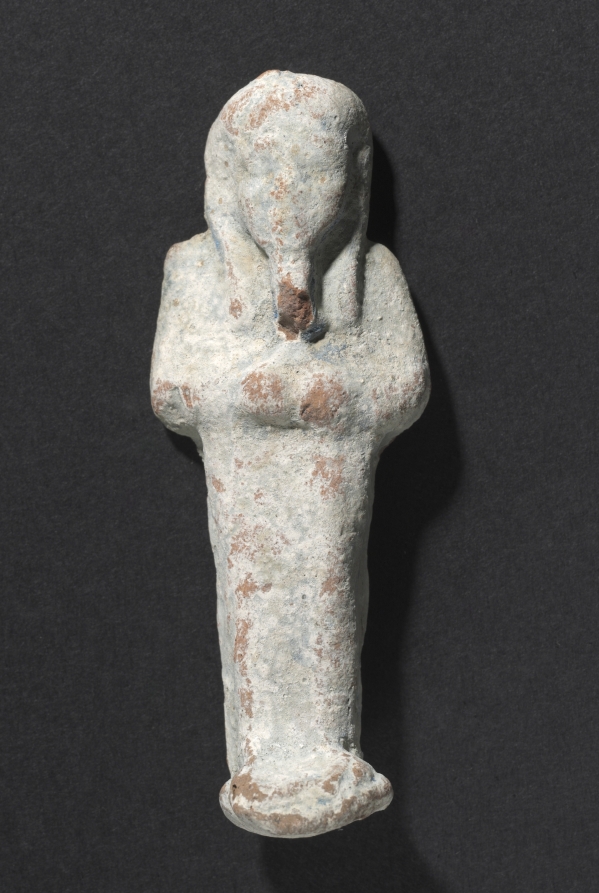
Shawabty of Ditamenpaankh at the Cleveland Museum of Art: 715–656 BCE, terracotta. Explore the work's context, creator attribution and collection history.
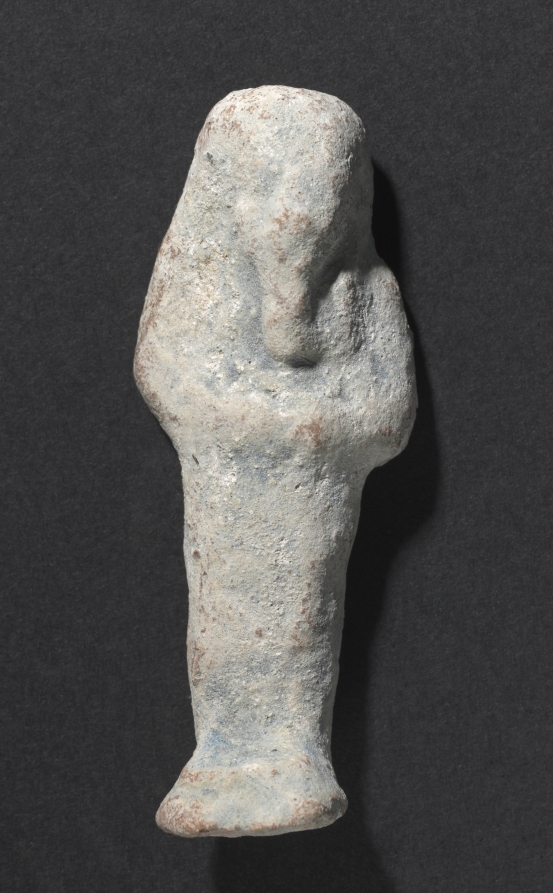
Shawabty of Ditamenpaankh at the Cleveland Museum of Art: 715–656 BCE, terracotta. Explore the work's context, creator attribution and collection history.
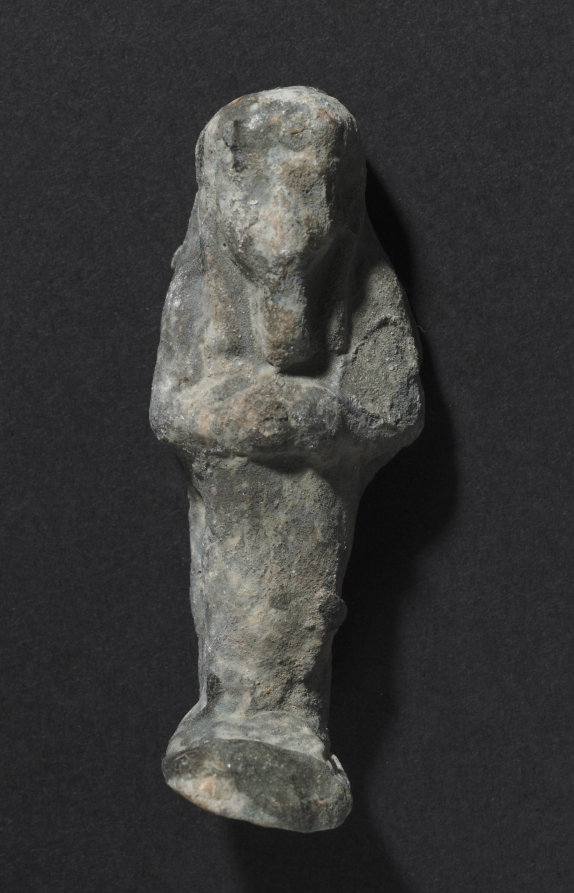
Shawabty of Ditamenpaankh at the Cleveland Museum of Art: 715–656 BCE, terracotta. Explore the work's context, creator attribution and collection history.
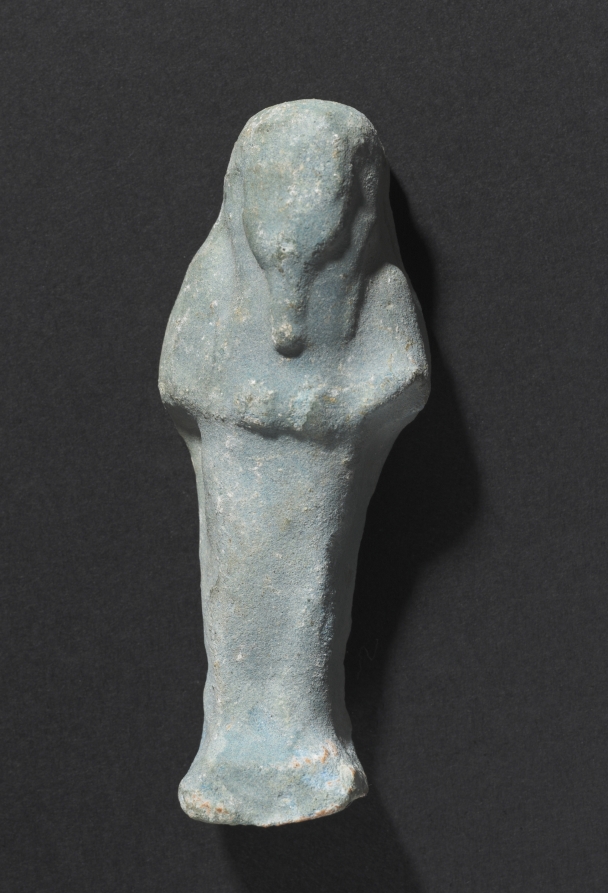
Shawabty of Ditamenpaankh at the Cleveland Museum of Art: 715–656 BCE, terracotta. Explore the work's context, creator attribution and collection history.
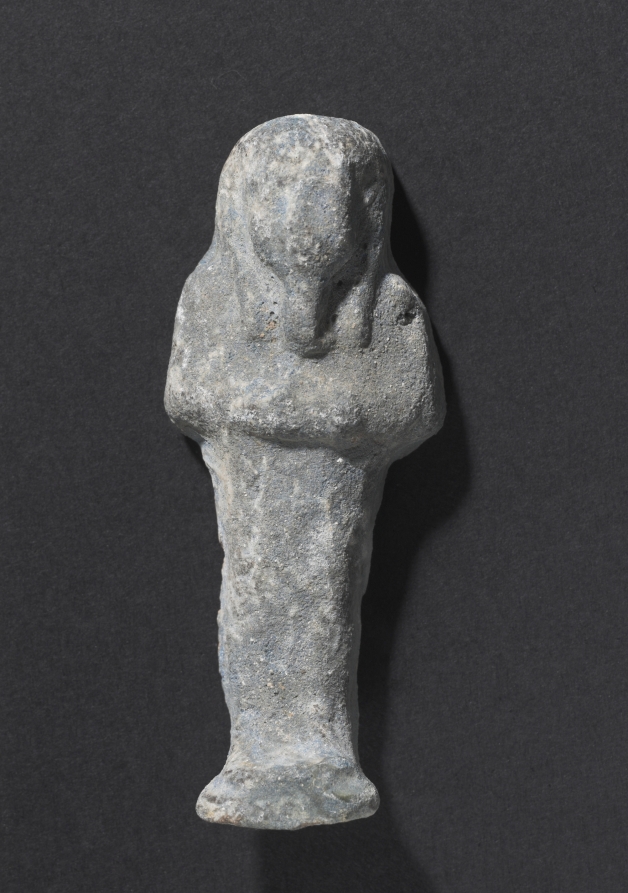
Shawabty of Ditamenpaankh at the Cleveland Museum of Art: 715–656 BCE, terracotta. Explore the work's context, creator attribution and collection history.
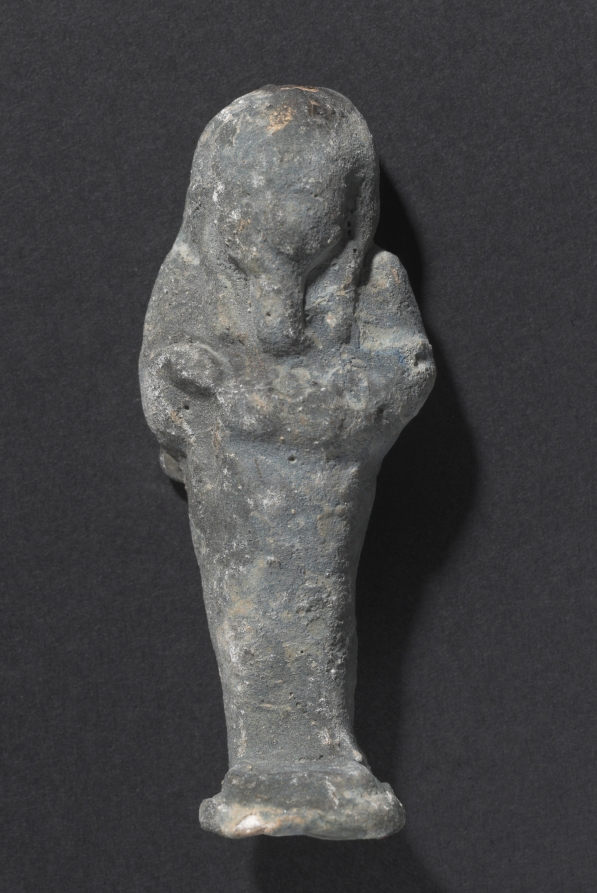
Shawabty of Ditamenpaankh at the Cleveland Museum of Art: 715–656 BCE, terracotta. Explore the work's context, creator attribution and collection history.
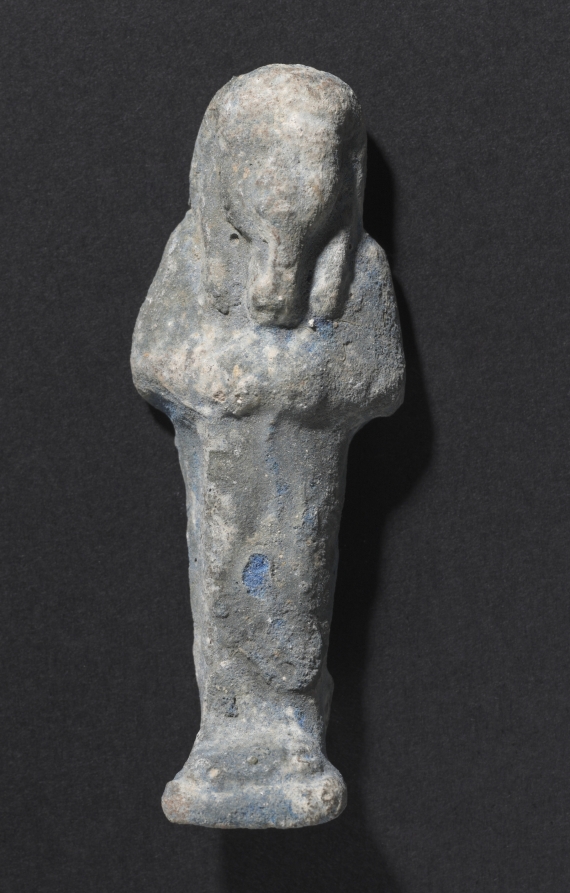
Shawabty of Ditamenpaankh at the Cleveland Museum of Art: 715–656 BCE, terracotta. Explore the work's context, creator attribution and collection history.
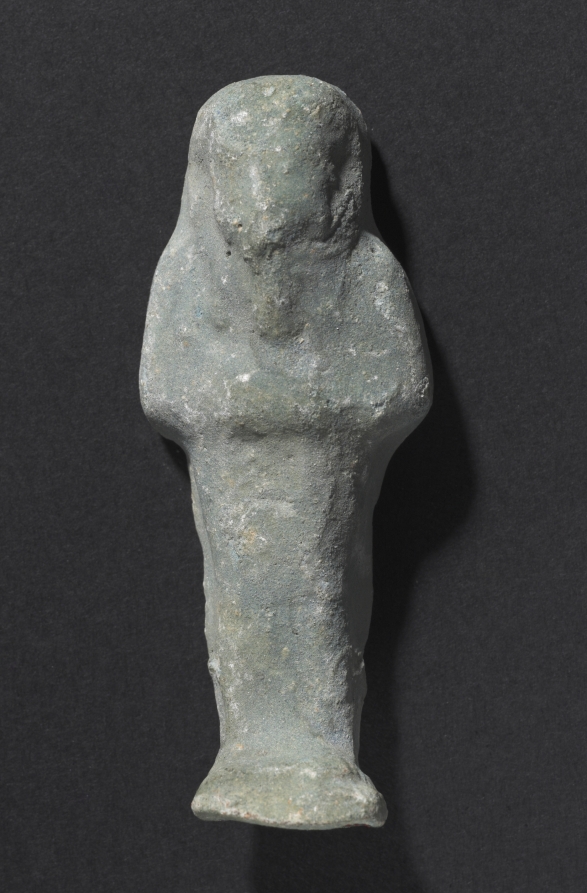
Shawabty of Ditamenpaankh at the Cleveland Museum of Art: 715–656 BCE, terracotta. Explore the work's context, creator attribution and collection history.
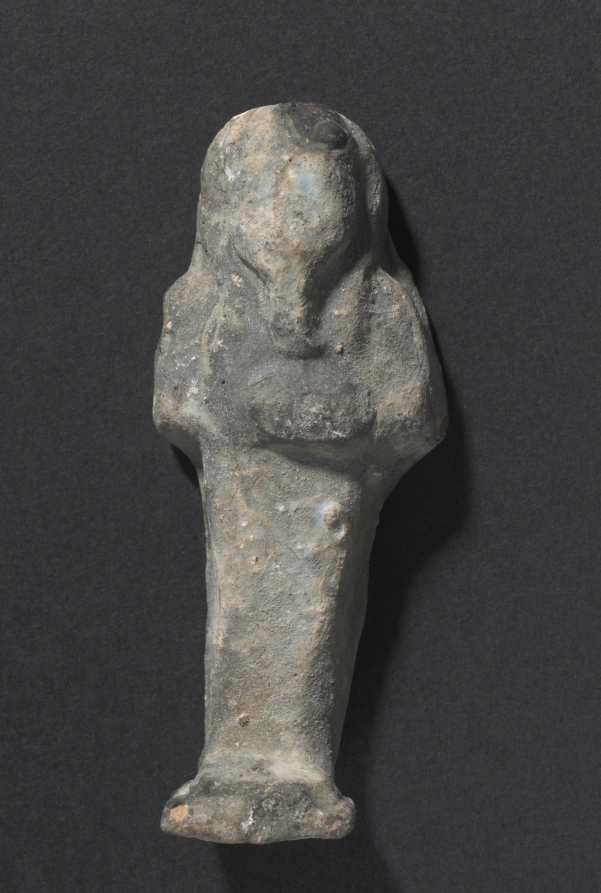
Shawabty of Ditamenpaankh at the Cleveland Museum of Art: 715–656 BCE, terracotta. Explore the work's context, creator attribution and collection history.
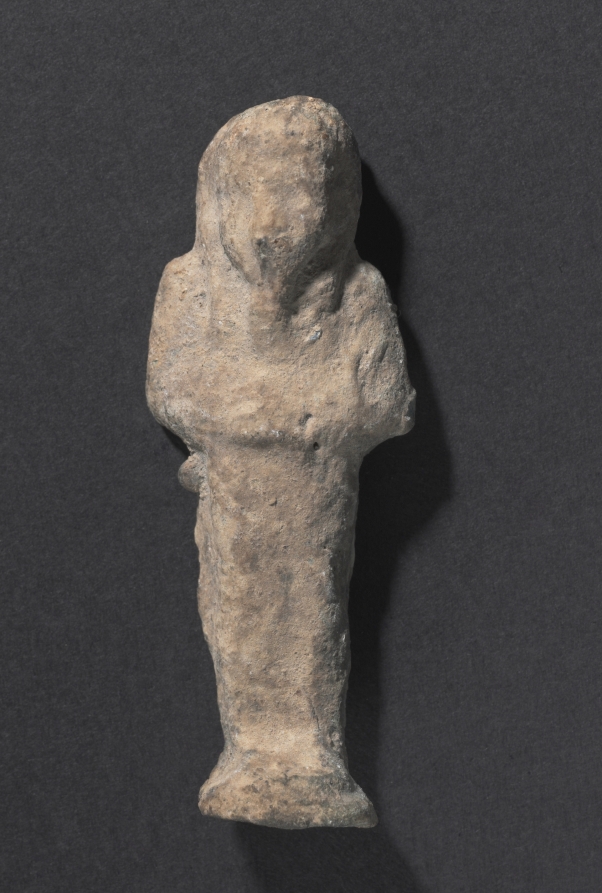
Shawabty of Ditamenpaankh at the Cleveland Museum of Art: 715–656 BCE, terracotta. Explore the work's context, creator attribution and collection history.
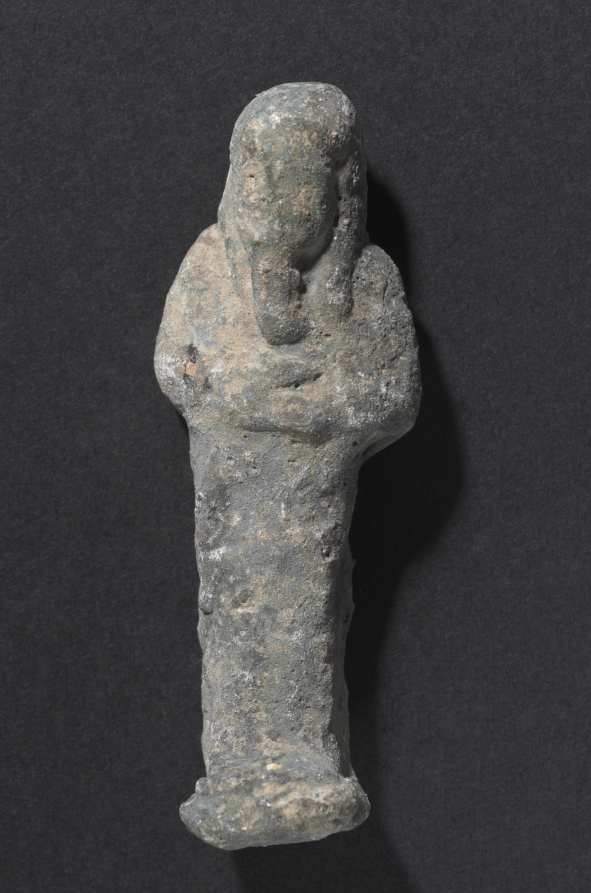
Shawabty of Ditamenpaankh at the Cleveland Museum of Art: 715–656 BCE, terracotta. Explore the work's context, creator attribution and collection history.
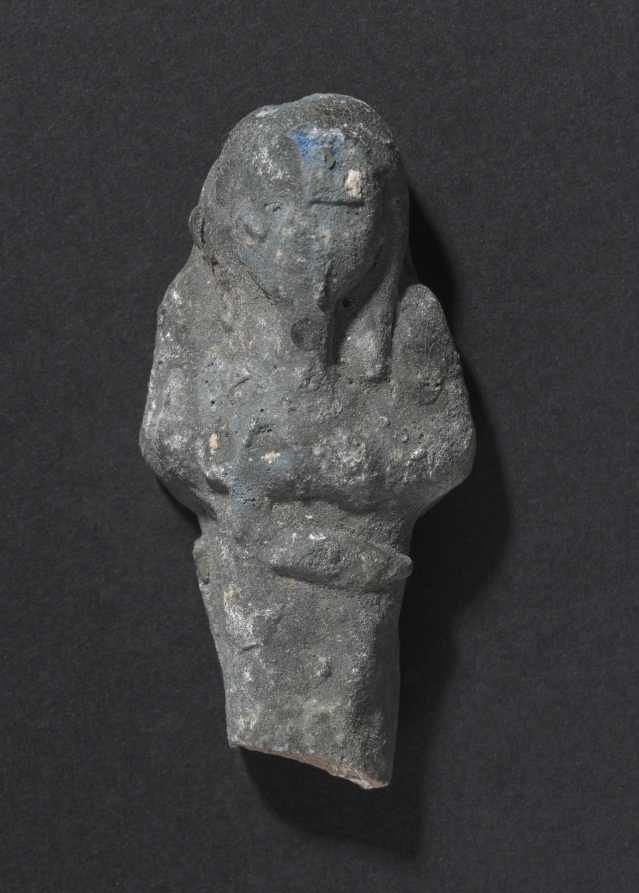
Shawabty of Ditamenpaankh at the Cleveland Museum of Art: 715–656 BCE, terracotta. Explore the work's context, creator attribution and collection history.
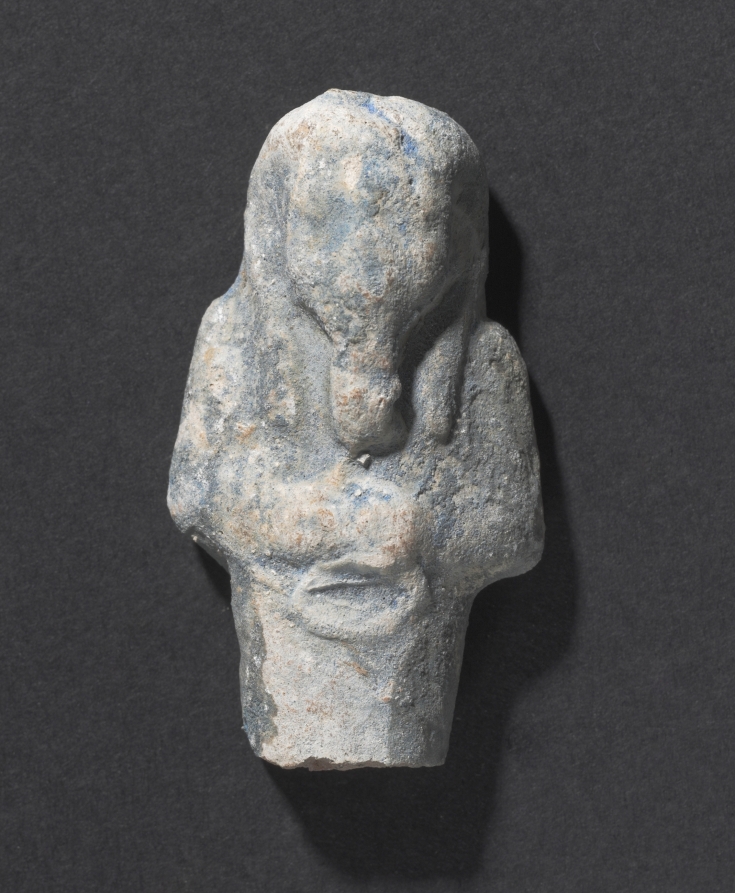
Shawabty of Ditamenpaankh at the Cleveland Museum of Art: 715–656 BCE, terracotta. Explore the work's context, creator attribution and collection history.
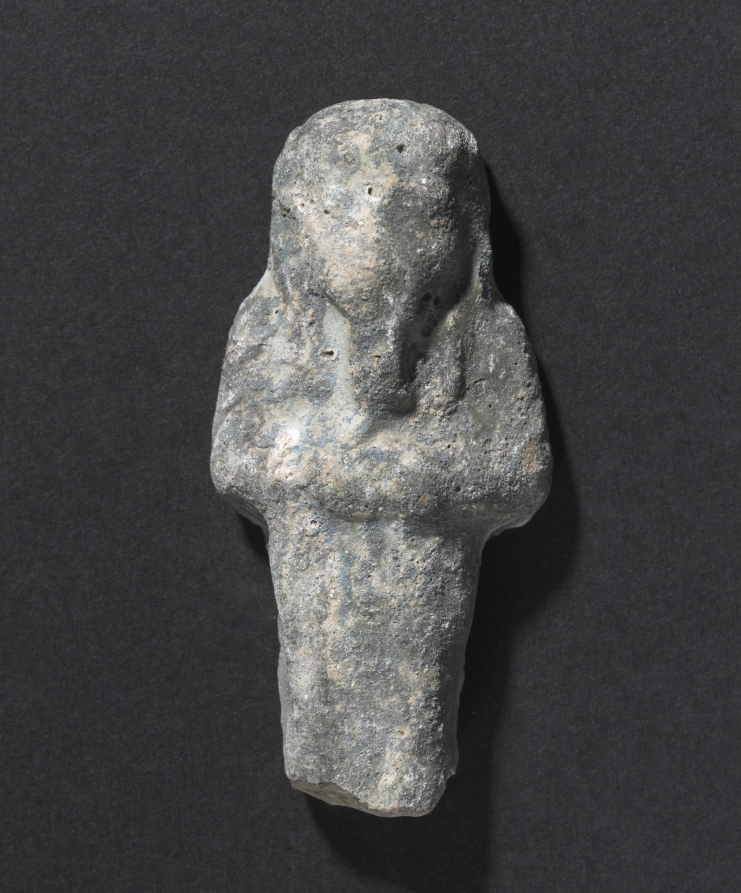
Shawabty of Ditamenpaankh at the Cleveland Museum of Art: 715–656 BCE, terracotta. Explore the work's context, creator attribution and collection history.
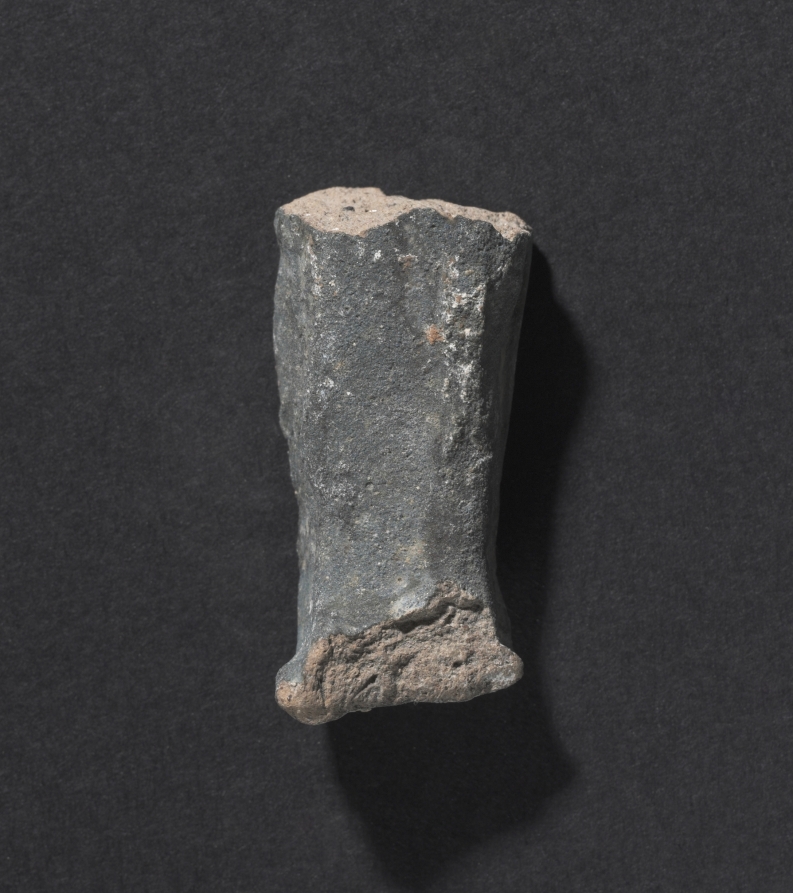
Shawabty of Ditamenpaankh at the Cleveland Museum of Art: 715–656 BCE, terracotta. Explore the work's context, creator attribution and collection history.
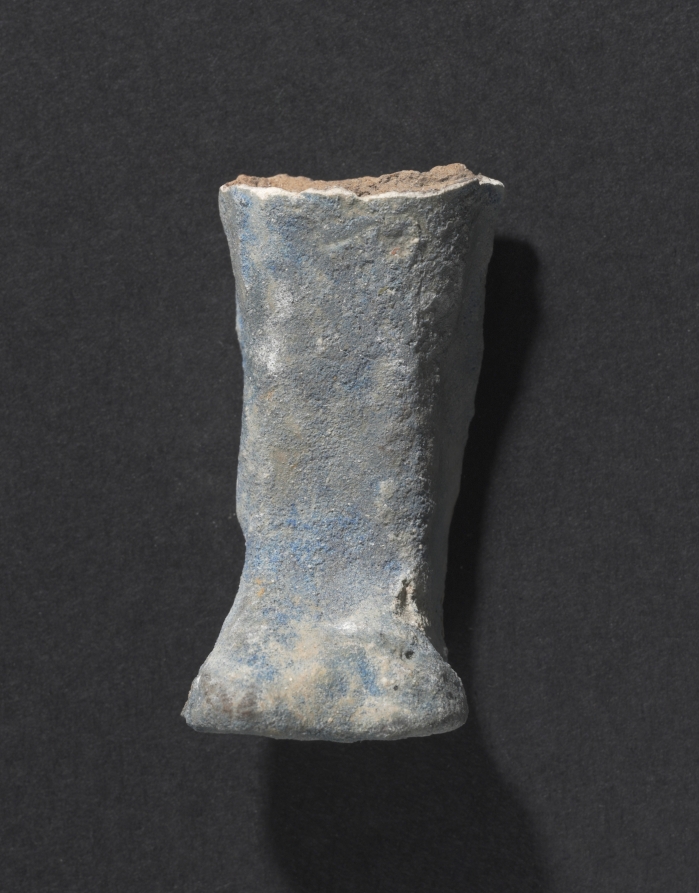
Shawabty of Ditamenpaankh at the Cleveland Museum of Art: 715–656 BCE, terracotta. Explore the work's context, creator attribution and collection history.
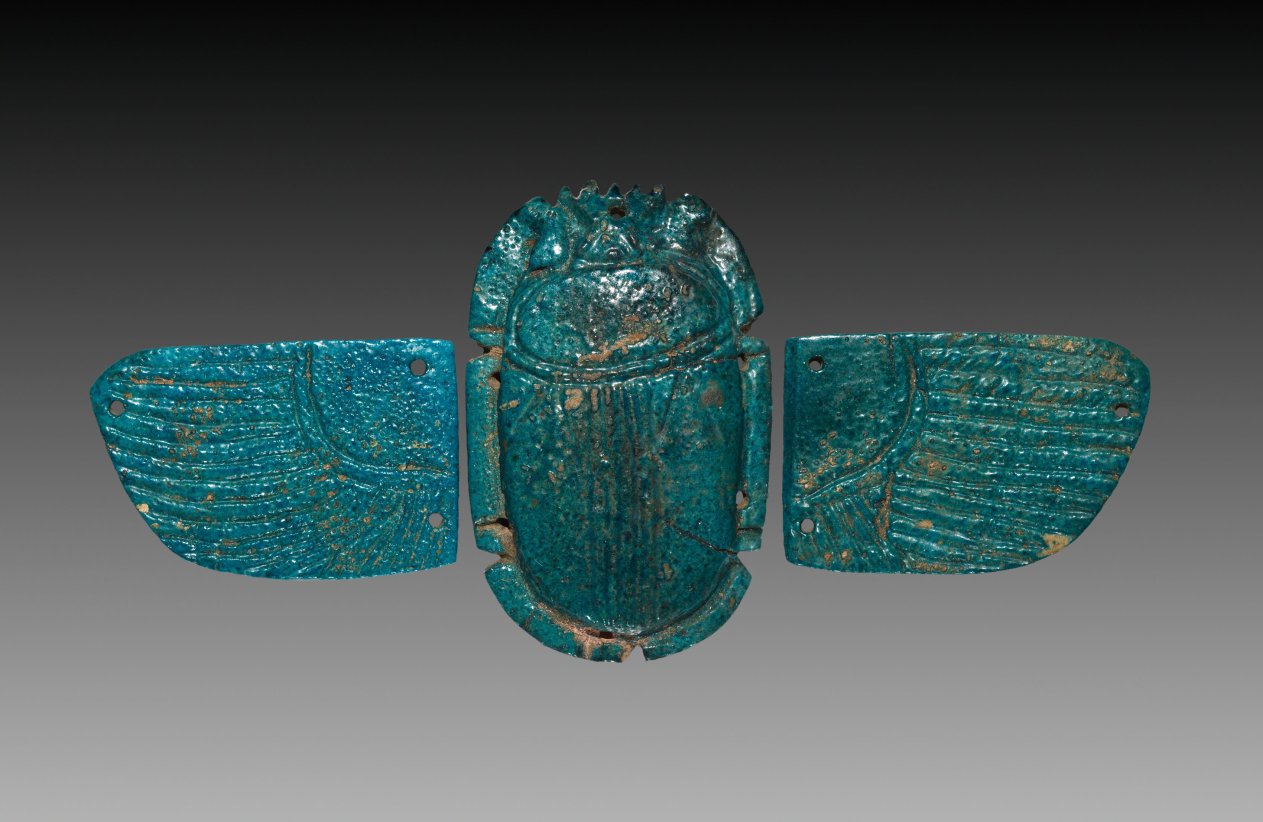
Winged Pectoral Scarab at the Cleveland Museum of Art: 664–525 BCE, deep turquoise faience. Explore the work's context, creator attribution and collection history.
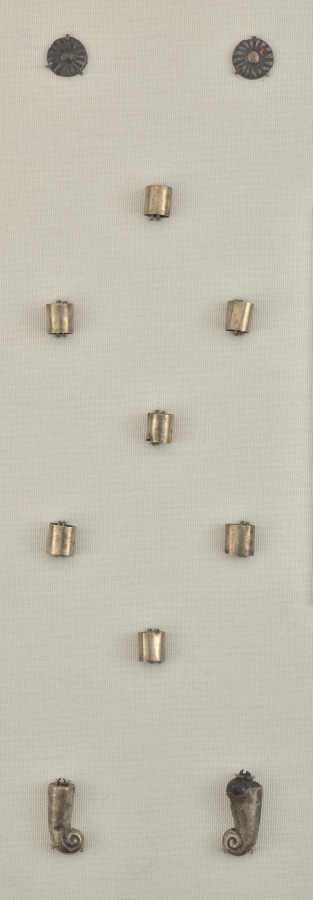
Sidelocks and Elements of Wig Decoration at the Cleveland Museum of Art: 1980–1801 BCE, Electrum (?) over a calcite gesso; silver. Explore the work's context, creator attribution and collection history.
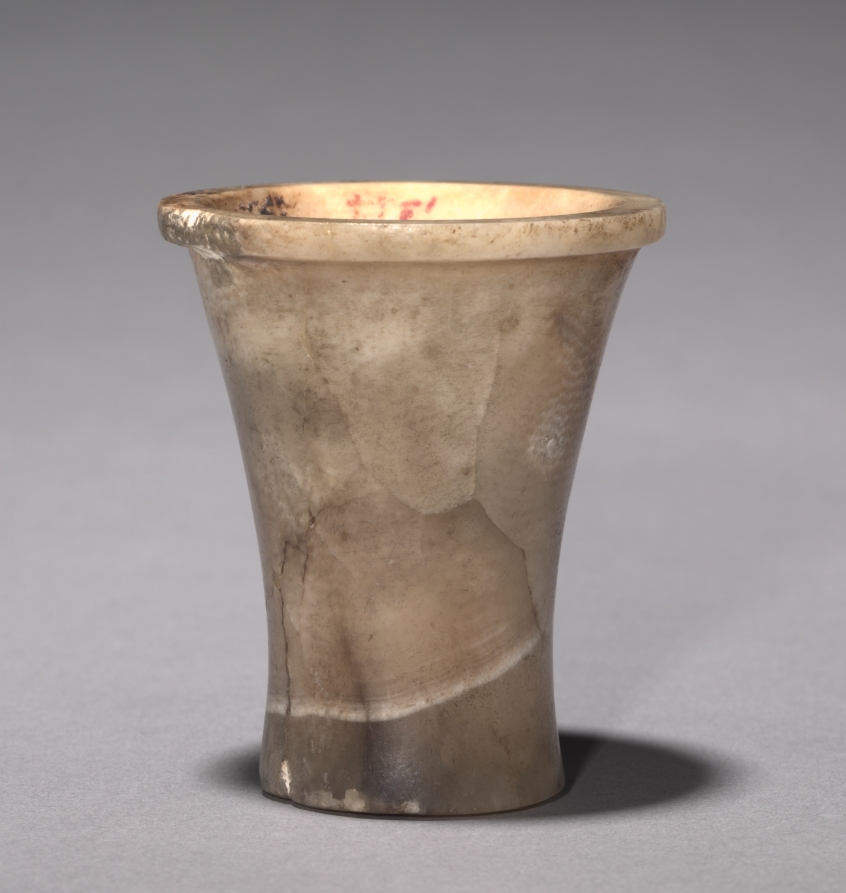
Cosmetic Vessel (Cylinder Beaker) at the Cleveland Museum of Art: 1980–1801 BCE, travertine. Explore the work's context, creator attribution and collection history.

Adoration of the Magi at the Art Institute of Chicago: date, artist attribution, materials and the museum's explanation of the work.

Presentation of Christ at the Art Institute of Chicago: date, artist attribution, materials and the museum's explanation of the work.

Sacrifice to Priapus, the smaller plate at the Art Institute of Chicago: date, artist attribution, materials and the museum's explanation of the work.

Battle of the Naked Men at the Art Institute of Chicago: date, artist attribution, materials and the museum's explanation of the work.

Lucretia at the Art Institute of Chicago: date, artist attribution, materials and the museum's explanation of the work.

Bacchanal with Silenus at the Art Institute of Chicago: date, artist attribution, materials and the museum's explanation of the work.

Bacchanal with a Wine Vat at the Art Institute of Chicago: date, artist attribution, materials and the museum's explanation of the work.

Battle of Sea-Gods, Left Half of a Frieze at the Art Institute of Chicago: date, artist attribution, materials and the museum's explanation of the work.

Battle of the Sea Gods: Right Half of a Frieze at the Art Institute of Chicago: date, artist attribution, materials and the museum's explanation of the work.

The Senators, from Triumph of Caesar at the Art Institute of Chicago: date, artist attribution, materials and the museum's explanation of the work.

Descent into Limbo at the Art Institute of Chicago: date, artist attribution, materials and the museum's explanation of the work.

Four Women Dancing at the Art Institute of Chicago: date, artist attribution, materials and the museum's explanation of the work.

Holy Family at the Art Institute of Chicago: date, artist attribution, materials and the museum's explanation of the work.

The Adoration of the Shepherds at the Art Institute of Chicago: date, artist attribution, materials and the museum's explanation of the work.

Triumph of the Moon at the Art Institute of Chicago: date, artist attribution, materials and the museum's explanation of the work.

Judith with the Head of Holofernes at the Art Institute of Chicago: date, artist attribution, materials and the museum's explanation of the work.

Saint George at the Art Institute of Chicago: date, artist attribution, materials and the museum's explanation of the work.

Orpheus Charming the Animals at the Art Institute of Chicago: date, artist attribution, materials and the museum's explanation of the work.