Hand Coil (1800s): Art, History and Details
Hand Coil at the Cleveland Museum of Art: 1800s, Copper alloy. Explore the work's context, creator attribution and collection history.
Oldest entries first, in a fixed order. Newly added articles appear at the end. Explore a shuffled selection →

Hand Coil at the Cleveland Museum of Art: 1800s, Copper alloy. Explore the work's context, creator attribution and collection history.
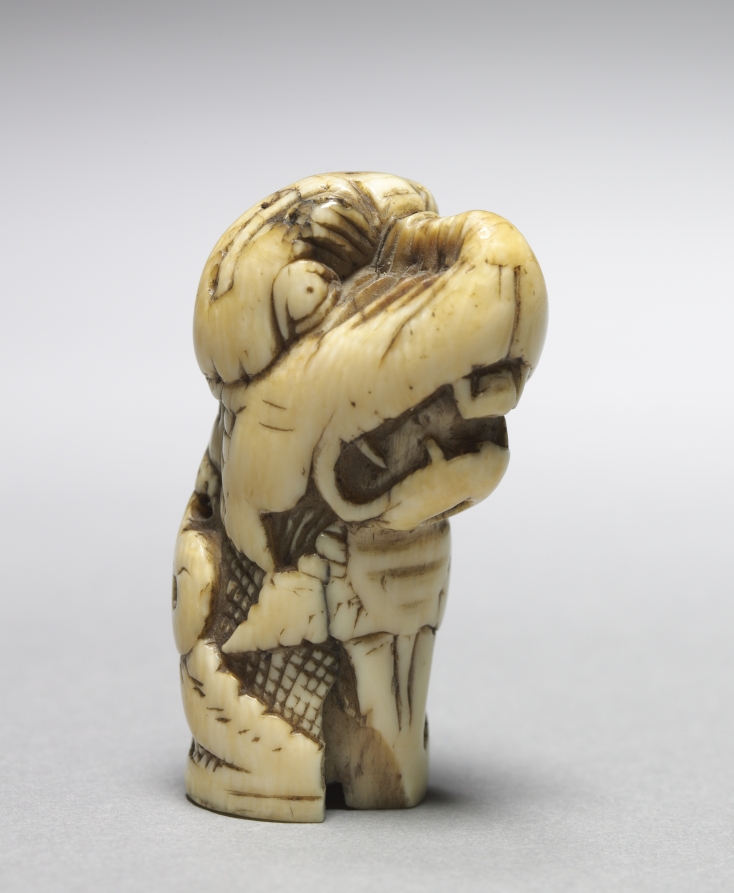
Dragon's Head at the Cleveland Museum of Art: 1100–1150, walrus ivory. Explore the work's context, creator attribution and collection history.
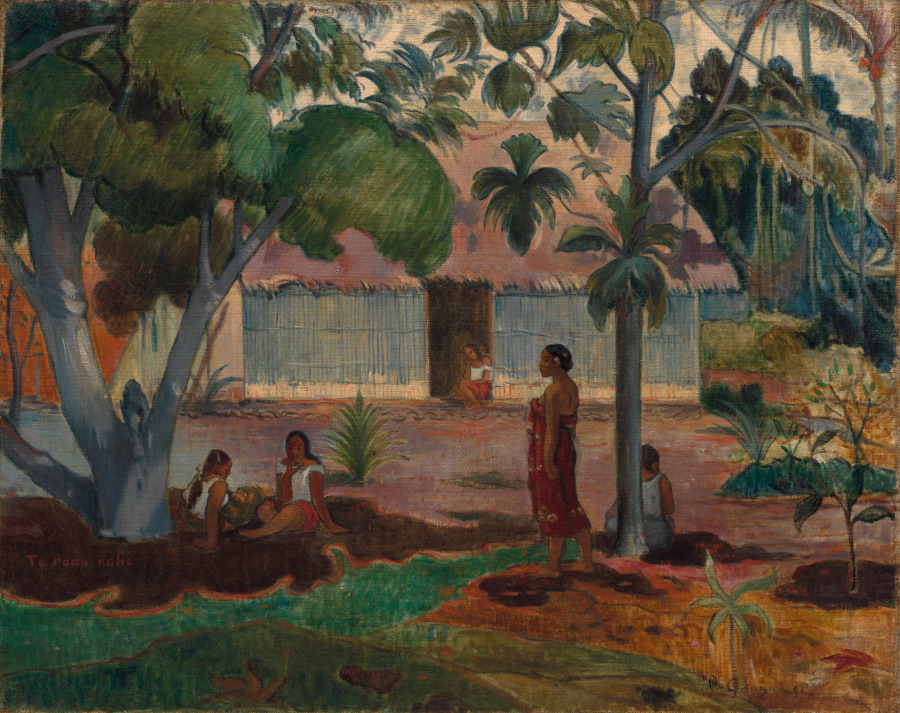
The Large Tree at the Cleveland Museum of Art: 1891, oil on canvas. Explore the work's context, creator attribution and collection history.

In the Palace at the Cleveland Museum of Art: before 1140, Handscroll; ink and light color on silk. Explore the work's context, creator attribution and collection history.
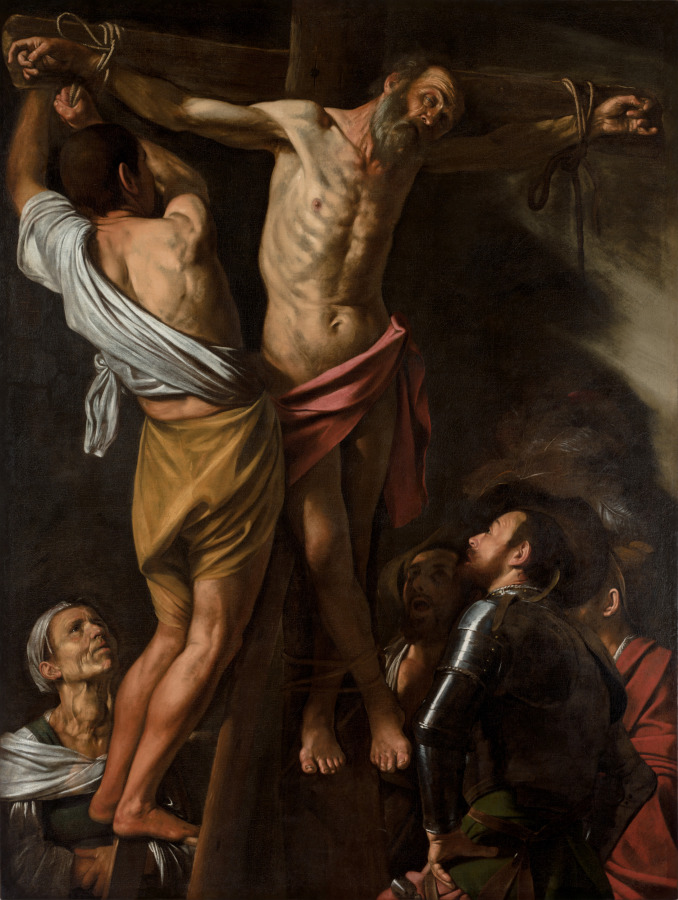
The Crucifixion of Saint Andrew at the Cleveland Museum of Art: 1606–7, oil on canvas. Explore the work's context, creator attribution and collection history.
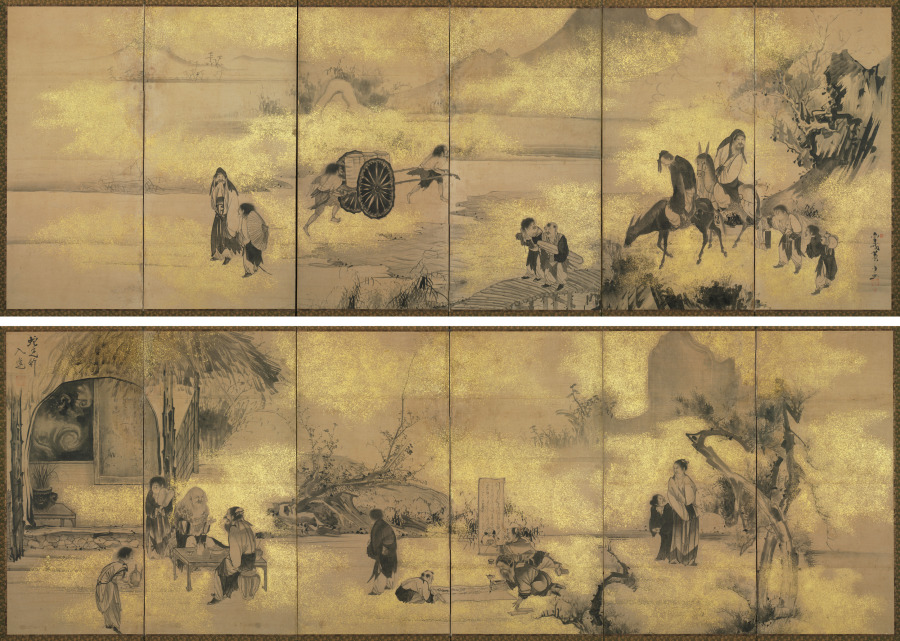
The Eight Immortals of the Wine Cup at the Cleveland Museum of Art: later 1700s, pair of six-panel folding screens, ink and cut-gold foil on paper. Explore the work's context, creator attribution and collection history.
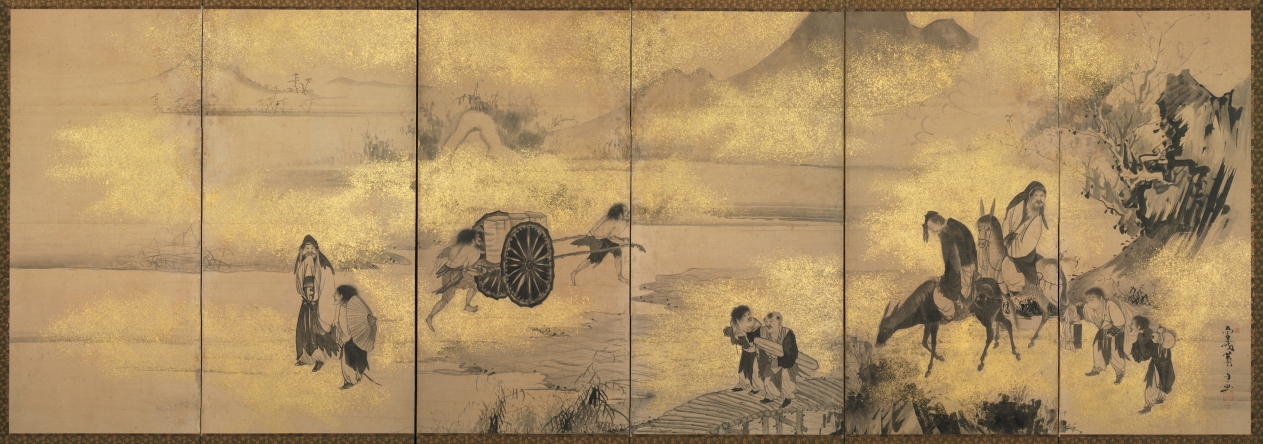
The Eight Immortals of the Wine Cup at the Cleveland Museum of Art: later 1700s, Six-panel folding screen, ink and cut-gold foil on paper. Explore the work's context, creator attribution and collection history.
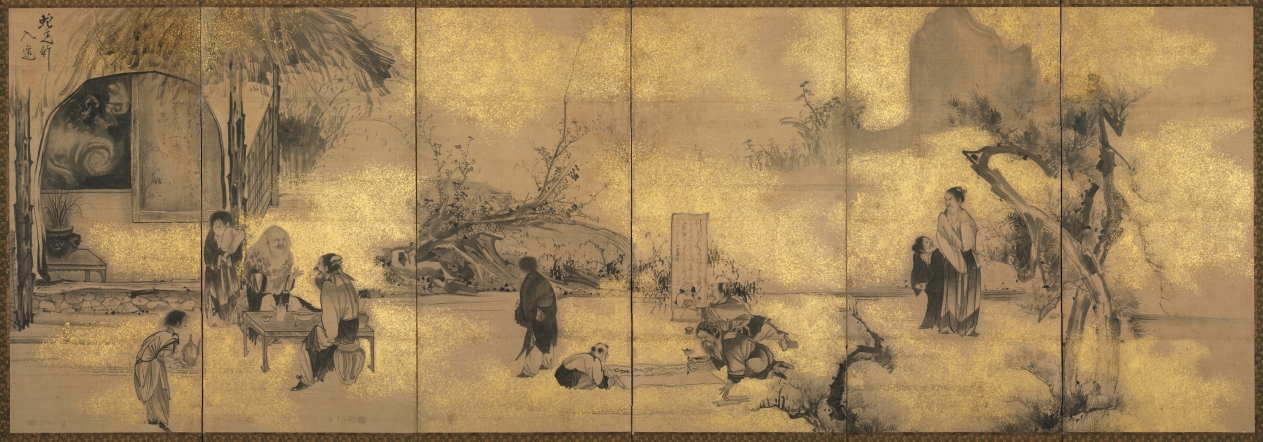
The Eight Immortals of the Wine Cup at the Cleveland Museum of Art: later 1700s, six-panel folding screen, ink and cut-gold foil on paper. Explore the work's context, creator attribution and collection history.

Zhongli Quan Crossing the Ocean at the Cleveland Museum of Art: 1368–1644, Hanging scroll; ink and color on silk. Explore the work's context, creator attribution and collection history.

Bodhisattva Guanyin at the Cleveland Museum of Art: 900s, gilt bronze. Explore the work's context, creator attribution and collection history.
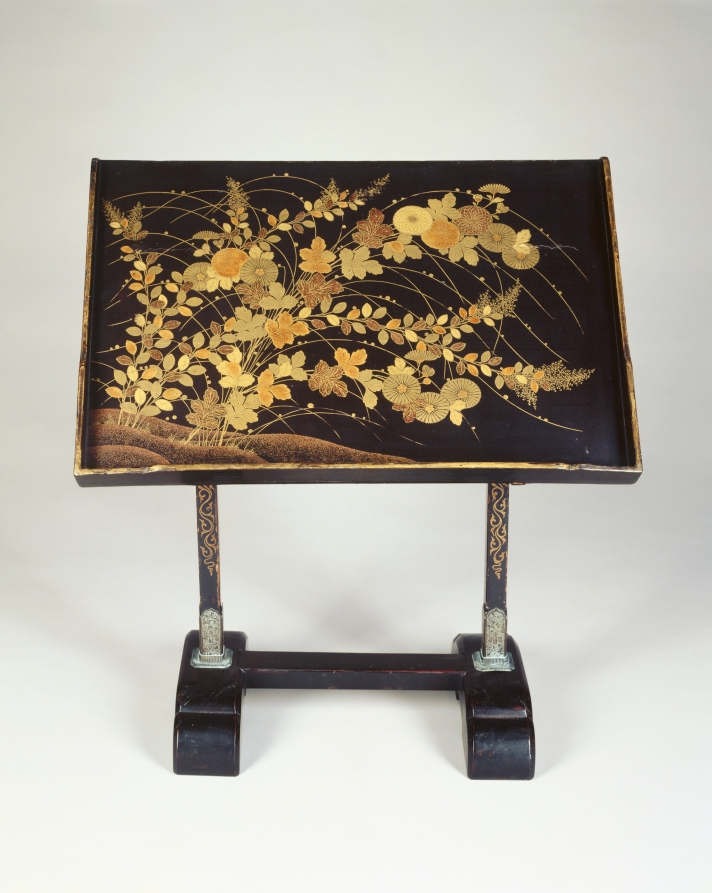
Reading Stand with Chrysanthemums and Autumn Grasses at the Cleveland Museum of Art: early 1600s, Wood with lacquer, sprinkled gold powder (maki-e), and metal fittings. Explore the work's context, creator attribution and collection history.
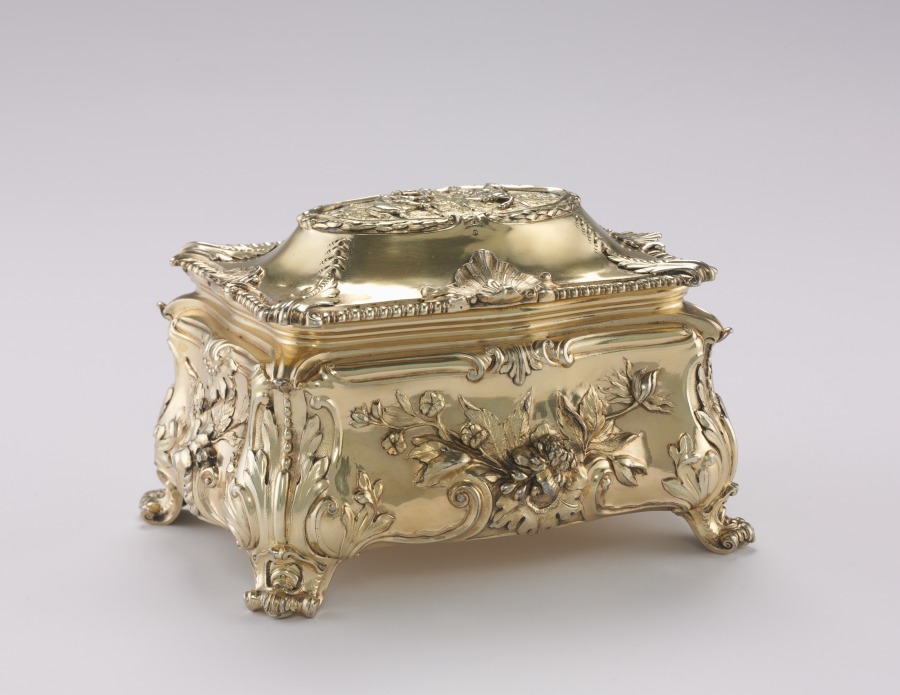
Box at the Cleveland Museum of Art: 1771, silver gilt. Explore the work's context, creator attribution and collection history.
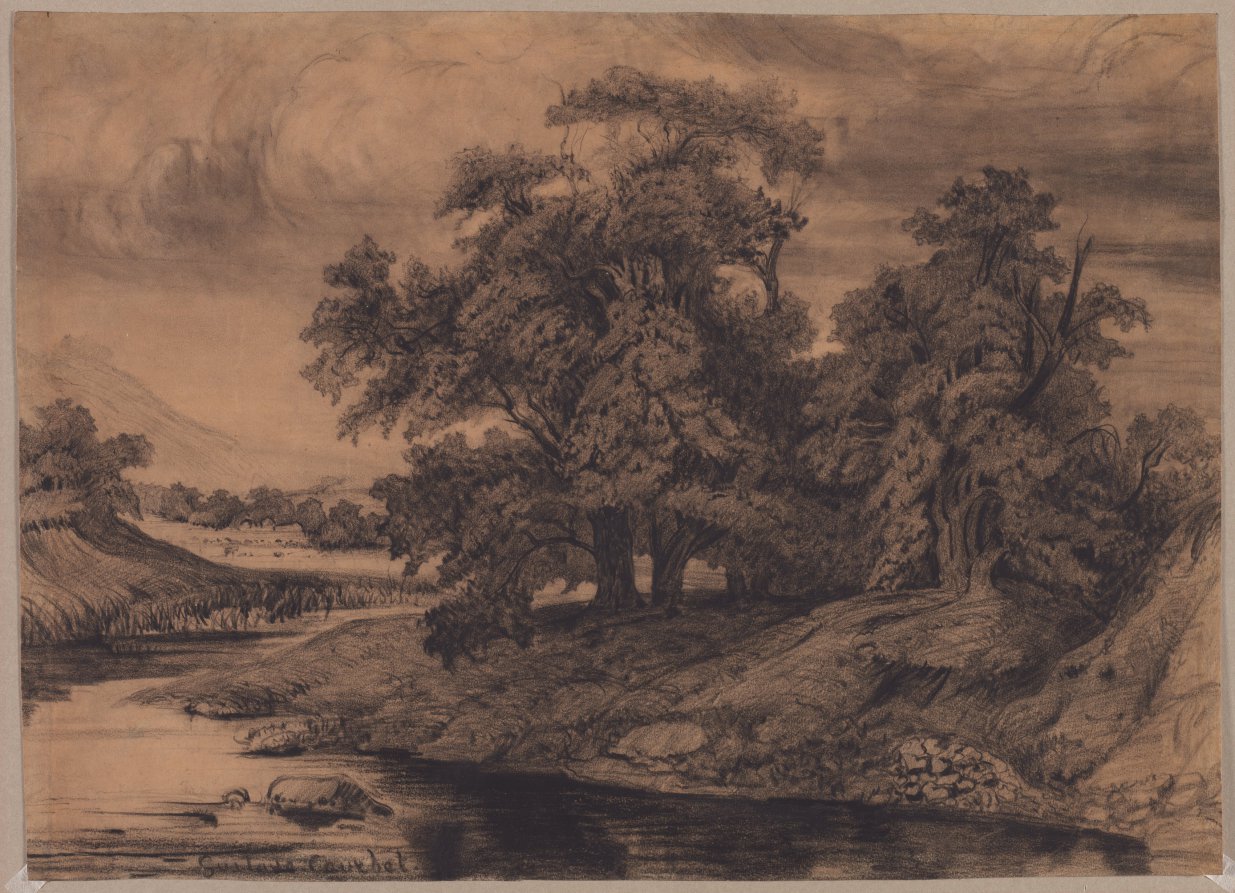
Landscape with Large Trees at the Cleveland Museum of Art: c. 1870, black chalk with stumping on brown wove paper. Explore the work's context, creator attribution and collection history.

La Roche-Guyon at the Cleveland Museum of Art: 1866, etching. Explore the work's context, creator attribution and collection history.

The Marriage of Pradyumna and Rukmavati, page from a Bhagavata Purana at the Cleveland Museum of Art: c. 1525–40, Gum tempera and ink on paper. Explore the work's context, creator attribution and collection history.
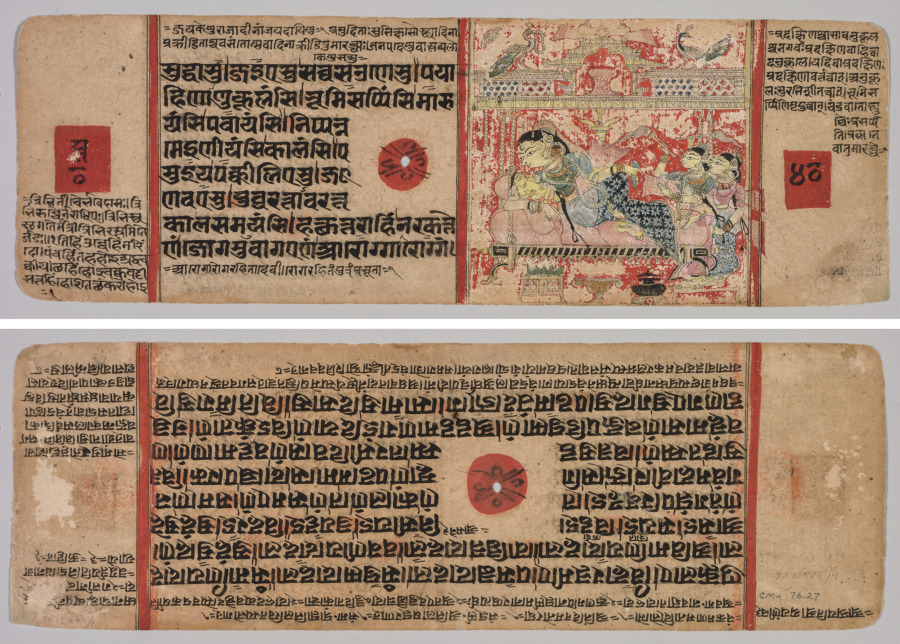
Folio 40 from a Kalpa-sutra: Text (recto); Birth of Mahavira (verso) at the Cleveland Museum of Art: c. 1400, gum tempera, ink, and gold on paper. Explore the work's context, creator attribution and collection history.

Text describing the pregnancy of Queen Trishala, folio 40 (recto) from a Kalpa-sutra at the Cleveland Museum of Art: c. 1400, gum tempera and ink on paper. Explore the work's context, creator attribution and collection history.

Birth of Mahavira, folio 40 (verso) from a Kalpa-sutra at the Cleveland Museum of Art: c. 1400, gum tempera, ink, and gold on paper. Explore the work's context, creator attribution and collection history.

Figure at the Cleveland Museum of Art: possibly early 1400s, soapstone. Explore the work's context, creator attribution and collection history.

Avalokitesvara Padmapani: Bodhisattva of Mercy Bearing a Lotus at the Cleveland Museum of Art: c. 1000s, bronze with gilding, pigment, and semiprecious stones. Explore the work's context, creator attribution and collection history.
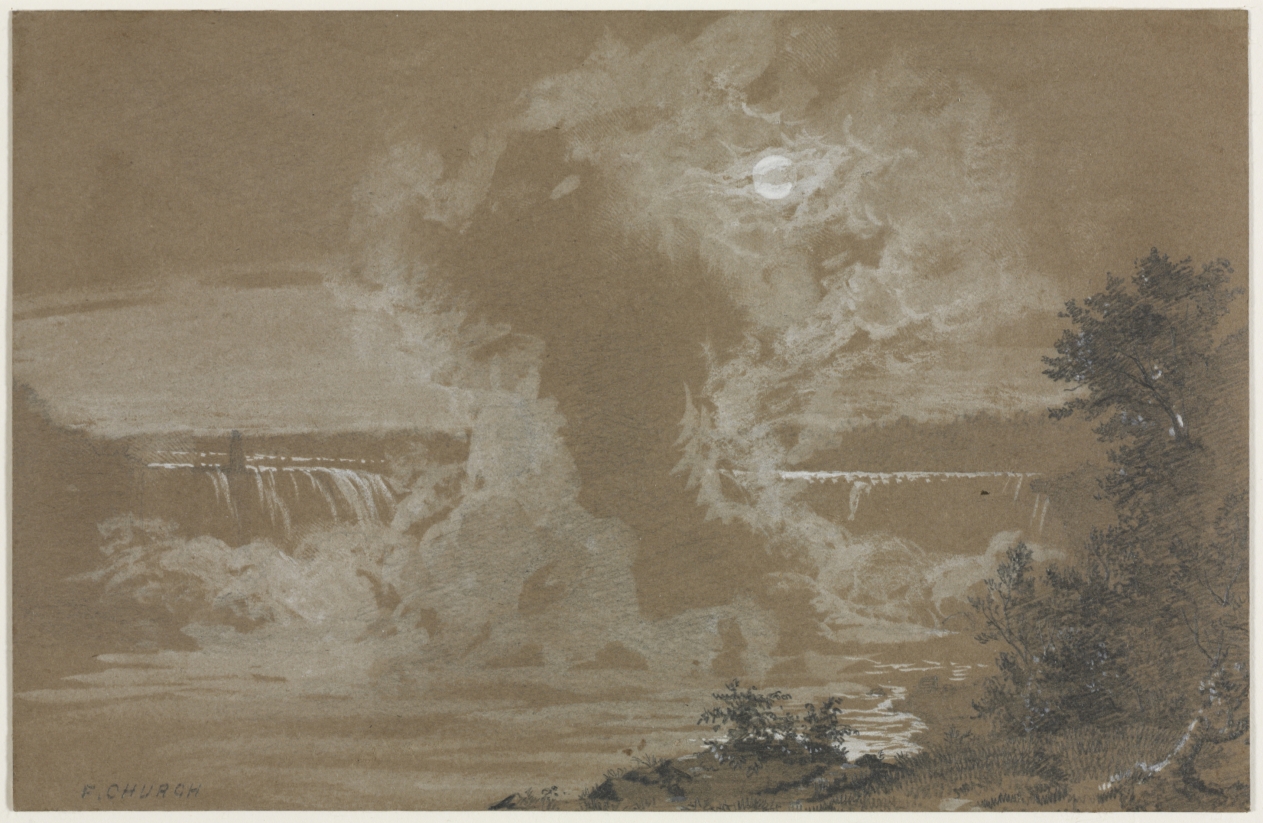
Niagara Falls by Moonlight at the Cleveland Museum of Art: probably 1856, graphite and white gouache. Explore the work's context, creator attribution and collection history.
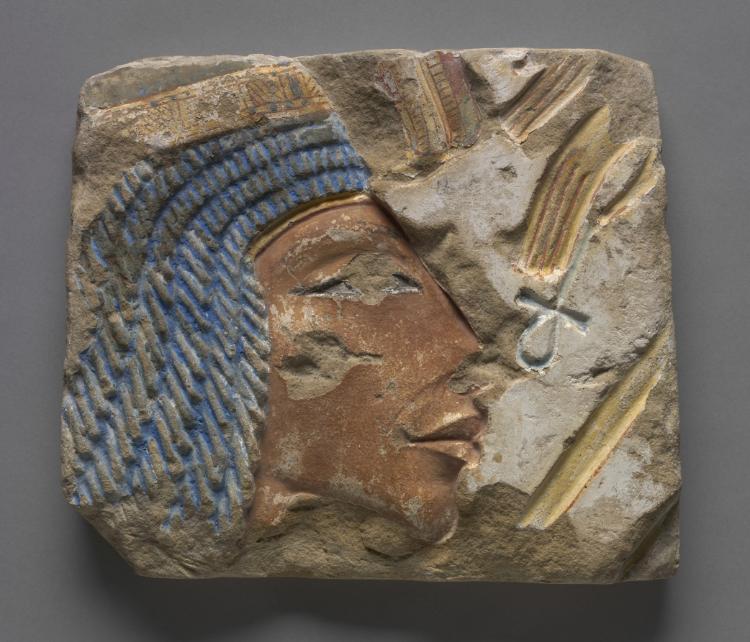
Talatat: Portrait of Nefertiti at the Cleveland Museum of Art: c. 1353–1347 BCE, painted sandstone. Explore the work's context, creator attribution and collection history.
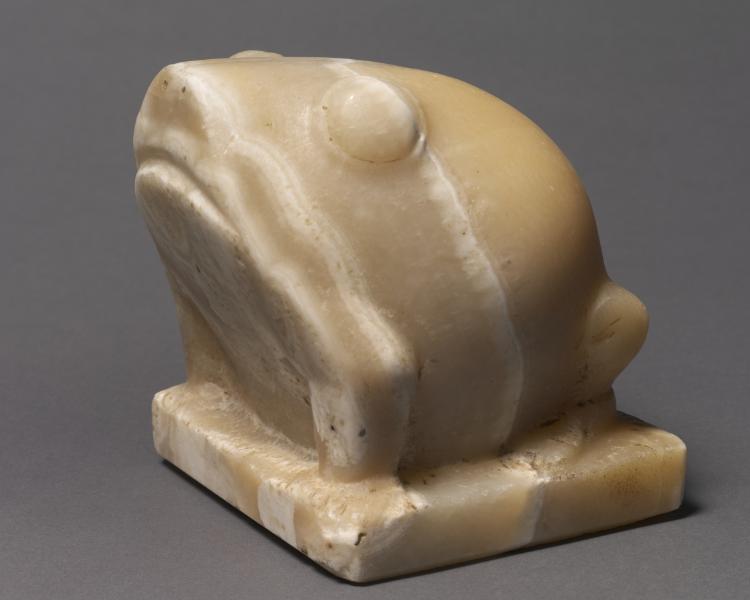
Statue of Heqat, the Frog Goddess at the Cleveland Museum of Art: c. 2950 BCE, travertine (Egyptian alabaster). Explore the work's context, creator attribution and collection history.
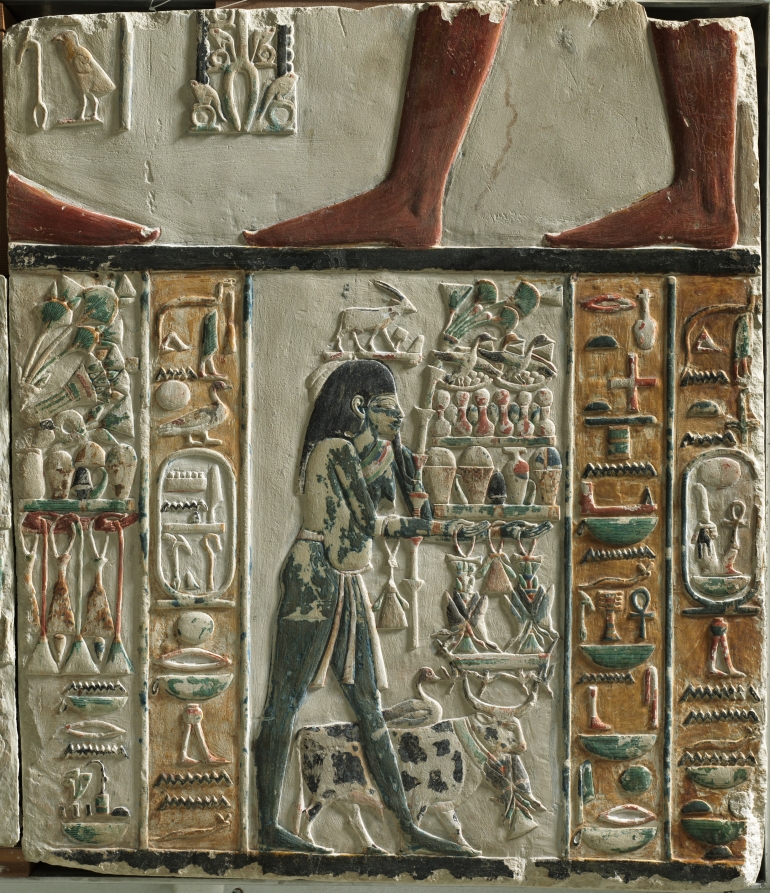
Nome Gods Bearing Offerings at the Cleveland Museum of Art: c. 1391–1353 BCE, painted limestone. Explore the work's context, creator attribution and collection history.
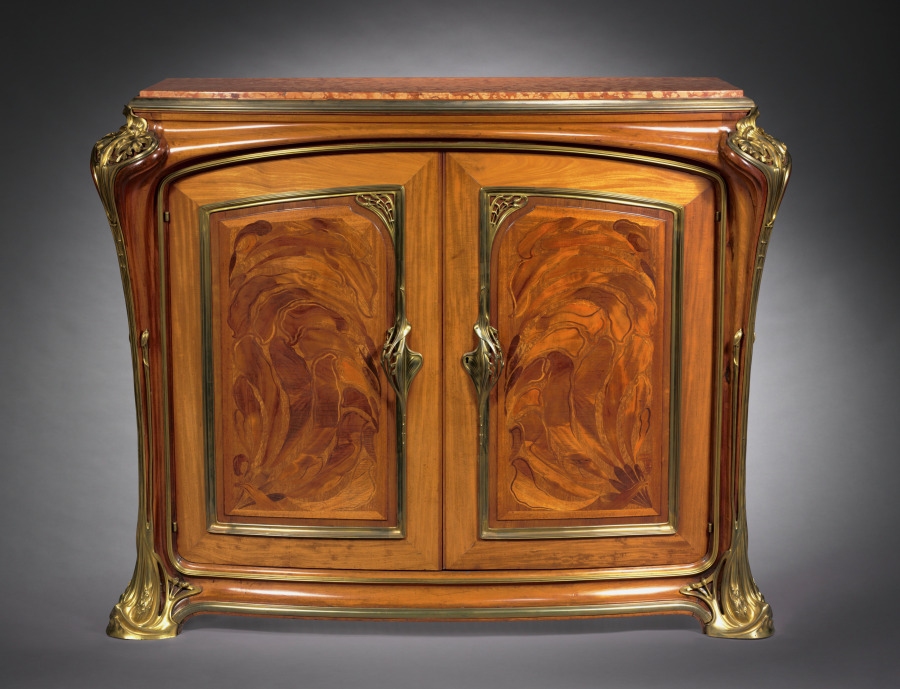
Cabinet at the Cleveland Museum of Art: c. 1910, wood marquetry with metal mounts. Explore the work's context, creator attribution and collection history.

The Strolling Musicians at the Cleveland Museum of Art: c. 1635, etching and drypoint. Explore the work's context, creator attribution and collection history.
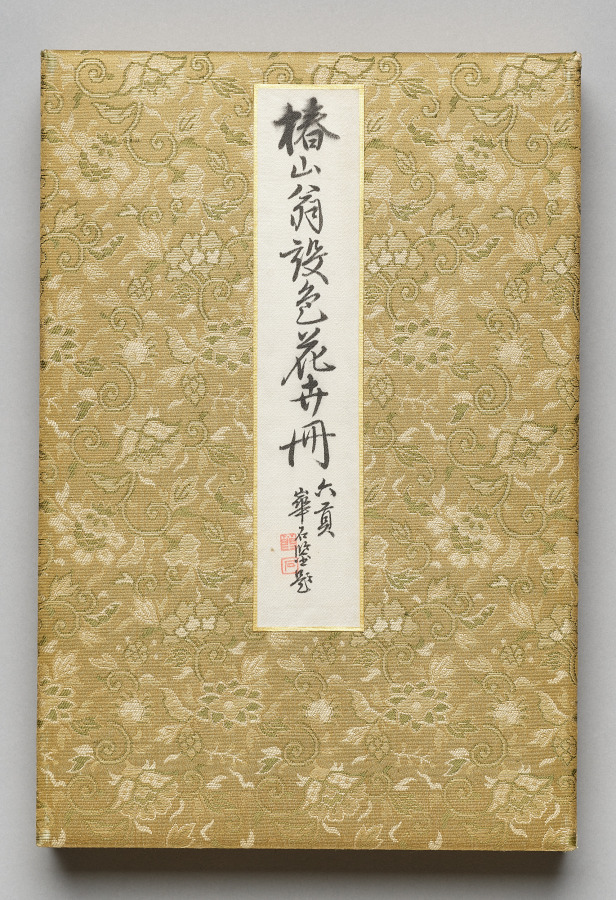
Flowers and Grasses at the Cleveland Museum of Art: 1841, folding-album with six leaves of paintings; preface in ink on paper; paintings in ink and color on silk. Explore the work's context, creator attribution and collection history.
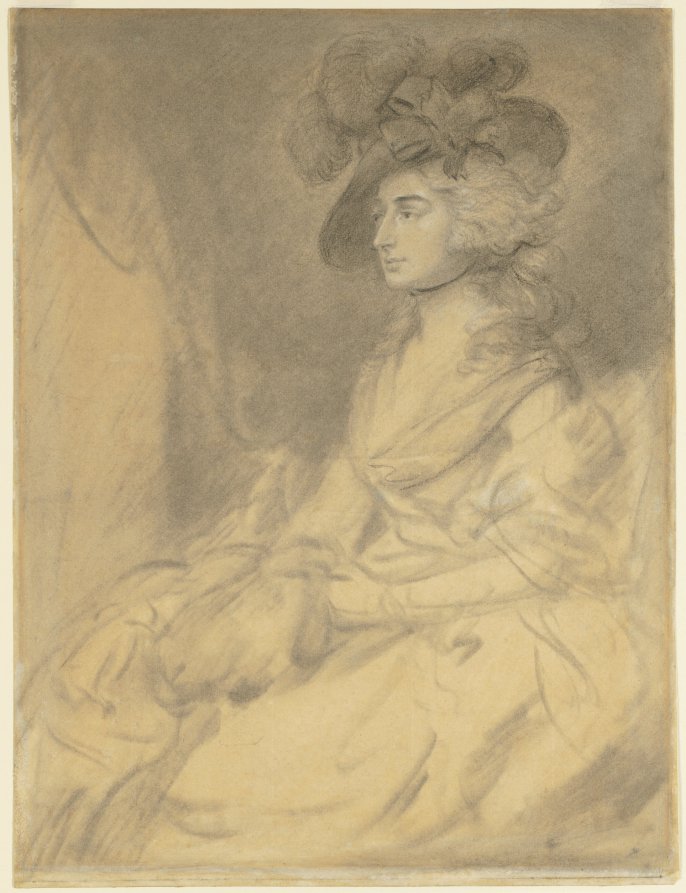
Mrs. Sarah Siddons at the Cleveland Museum of Art: 1785, black chalk with extensive stump work with traces of white gouache. Explore the work's context, creator attribution and collection history.

Musicale at the Prellers' at the Cleveland Museum of Art: 1838, graphite. Explore the work's context, creator attribution and collection history.
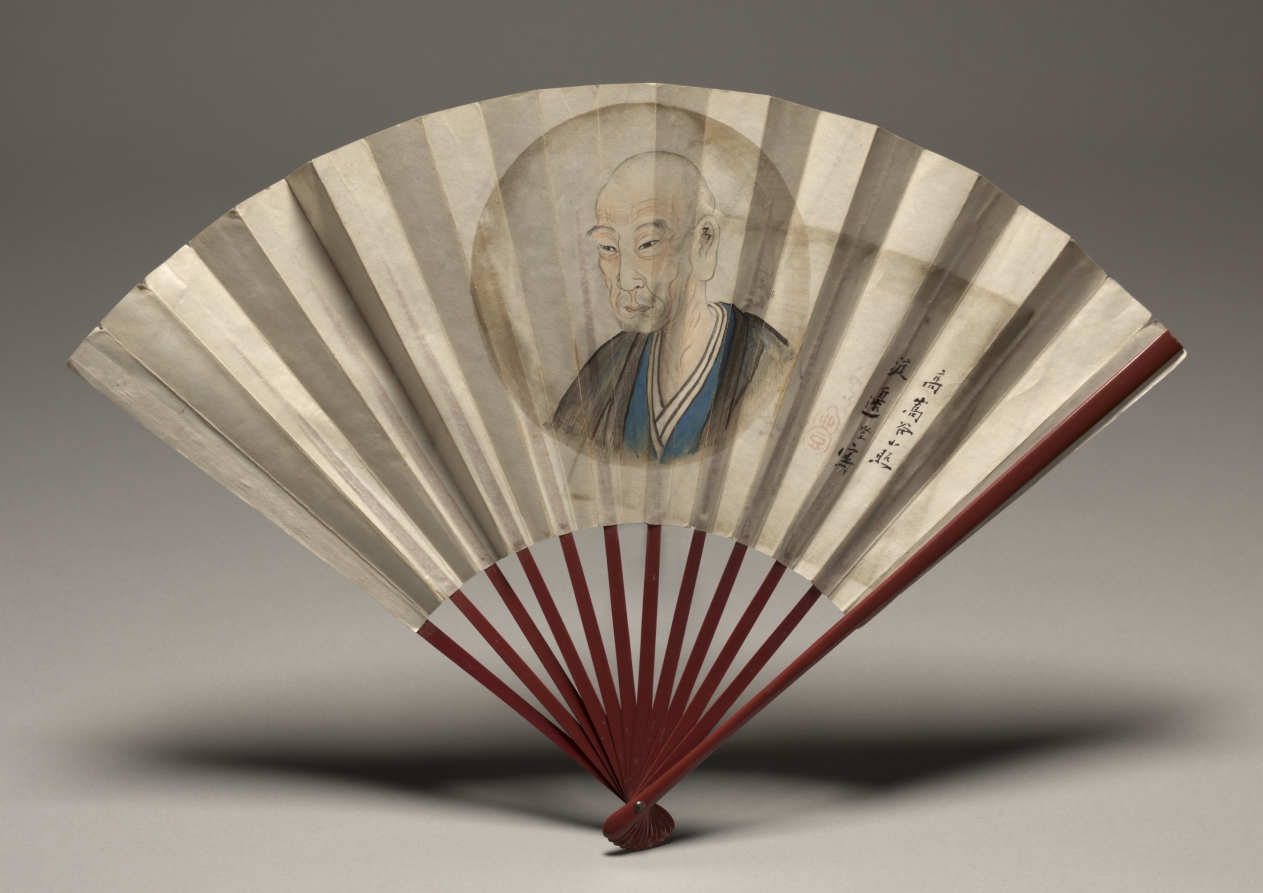
Portrait of Kō Sūkoku at the Cleveland Museum of Art: possibly 1817, Fan, wood with ink, color, gold, and silver on paper. Explore the work's context, creator attribution and collection history.

Portrait of a Woman, Possibly a Novice of San Secondo at the Cleveland Museum of Art: c. 1490, oil on wood. Explore the work's context, creator attribution and collection history.
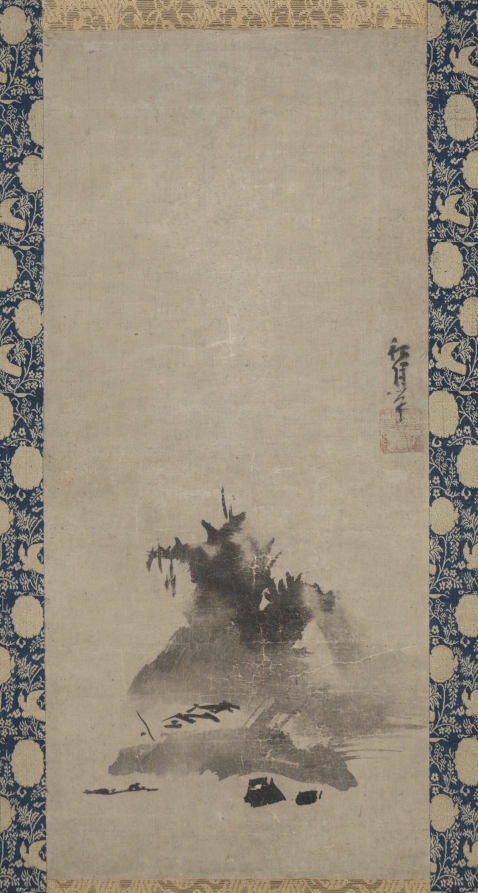
Haboku (Flung-ink) Landscape at the Cleveland Museum of Art: c. 1510, hanging scroll; ink on paper. Explore the work's context, creator attribution and collection history.
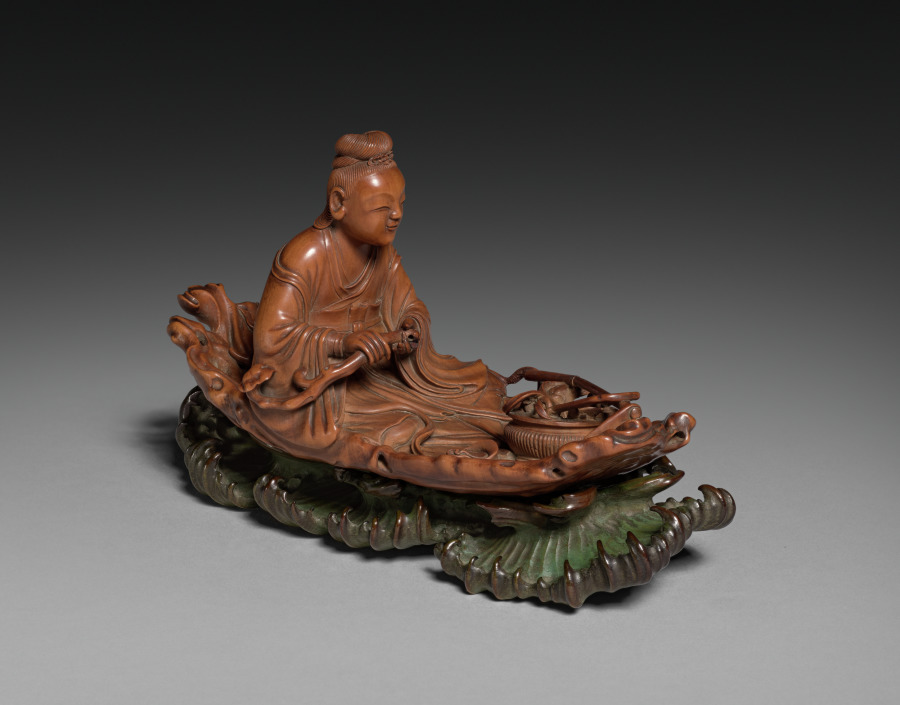
Figure of Daoist Immortal He Xiangu at the Cleveland Museum of Art: 1700s, Boxwood with colored ivory base. Explore the work's context, creator attribution and collection history.
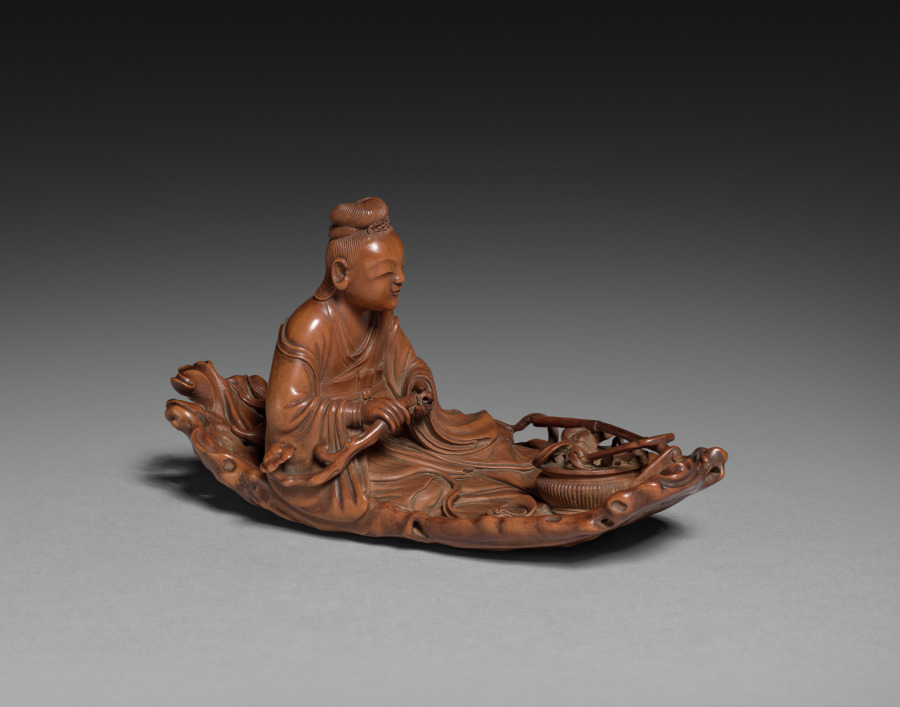
Figure of Daoist Immortal He Xiangu at the Cleveland Museum of Art: 1700s, Boxwood. Explore the work's context, creator attribution and collection history.
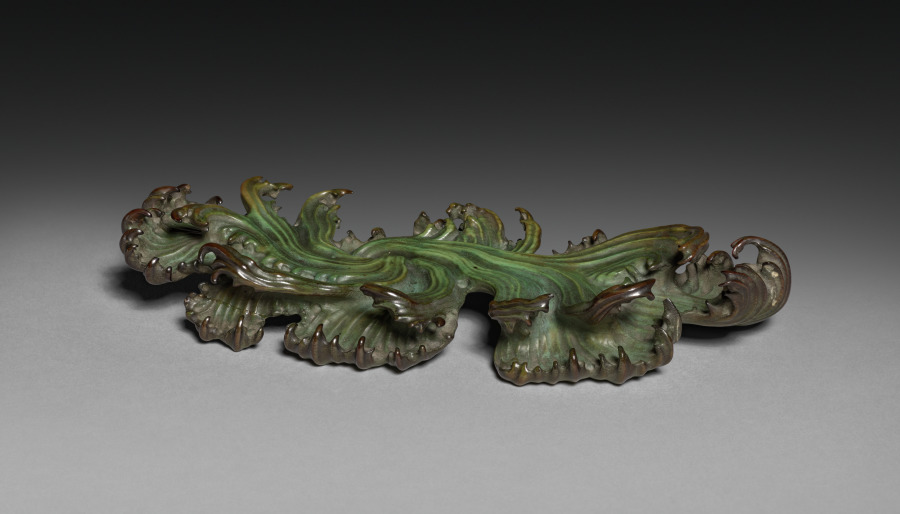
Figure of Daoist Immortal He Xiangu (base) at the Cleveland Museum of Art: 1700s, Colored ivory. Explore the work's context, creator attribution and collection history.

Ichikawa Ebijūrō II as Horiguchi Manzaemon (right), Arashi Rikan II as Kizu Kansuke, Nakayama Bunshichi III as Hayashi Sanzemon (center), and Asao Gakujurō as the Ferryman Sanjūrō (left) from the Kabuki Play "Eight Views of the Kizu River b
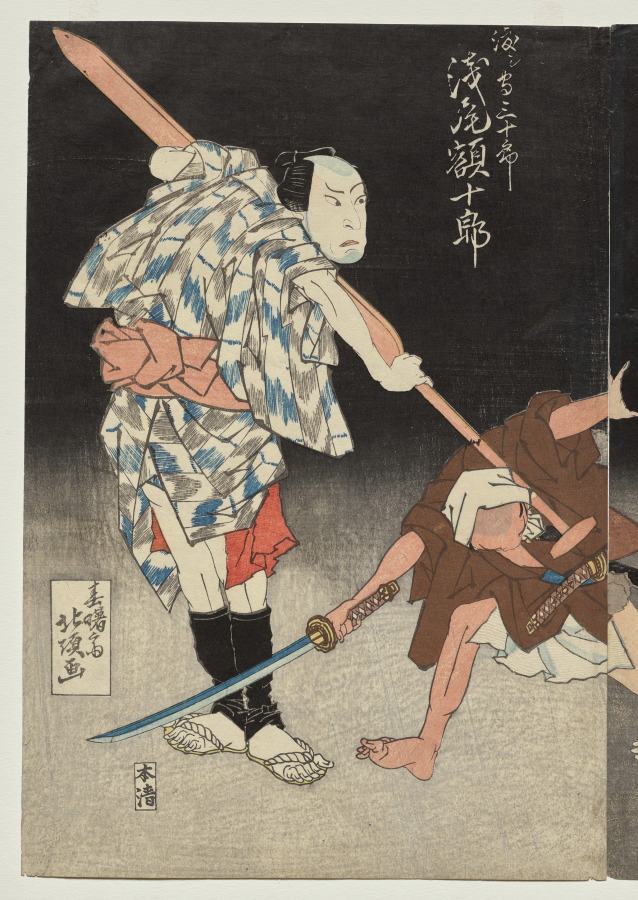
Asao Gakujurō as the Ferryman Sanjūrō from the Kabuki Play "Eight Views of the Kizu River by Boating Song" at the Cleveland Museum of Art: 1829, Left print from a triptych of color woodblock prints. Explore the work's context, creator attri
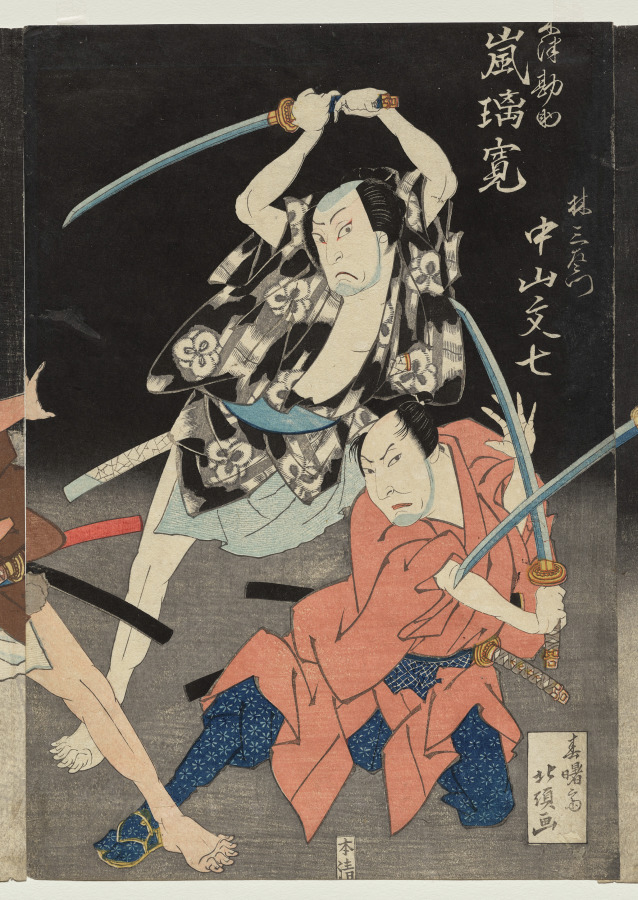
Arashi Rikan II as Kizu Kansuke and Nakayama Bunshichi III as Hayashi Sanzemon from the Kabuki Play "Eight Views of the Kizu River by Boating Song" at the Cleveland Museum of Art: 1829, Center print from a triptych of color woodblock prints
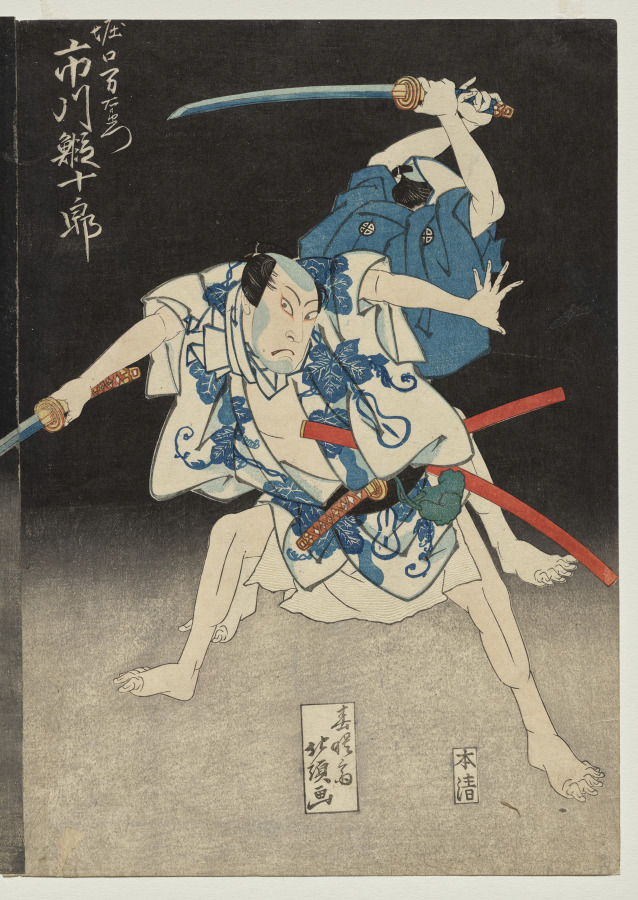
Ichikawa Ebijūrō II as Horiguchi Manzaemon from the Kabuki Play "Eight Views of the Kizu River by Boating Song" at the Cleveland Museum of Art: 1829, Right print from a triptych of color woodblock prints. Explore the work's context, creator

Reliquary Box at the Cleveland Museum of Art: 200–400 CE, bronze. Explore the work's context, creator attribution and collection history.