CX (noise reduction): History and Key Facts
CX is a noise reduction system for recorded analog audio.
Oldest entries first, in a fixed order. Newly added articles appear at the end. Explore a shuffled selection →

CX is a noise reduction system for recorded analog audio.

A sound recording copyright is the copyright in a recorded fixation of sounds, as distinct from the underlying musical, literary (text-based), or dramatic work embodied in the recording.

Delay is an audio signal processing technique that records an input signal to a storage medium and then plays it back after a period of time.

In digital recording, an audio or video signal is converted into a stream of discrete numbers representing the changes over time in air pressure for audio, or chroma and luminance values for vide
Digital audio cassette formats introduced to the professional audio and consumer markets: Digital Audio Tape (or DAT) is the most well-known, and had some success as an audio storage format amon
A Dolby noise-reduction system (Dolby NR) is one of a series of noise reduction systems developed by Dolby Laboratories for use in analog audio tape recording.
Direct metal mastering (DMM) is an analog audio disc mastering technique jointly developed by two German companies, Telefunken-Decca (Teldec) and Georg Neumann GmbH, toward the end of the 20th ce
Binaural recording is a method of recording sound that uses two microphones, arranged with the intent to create a 3D stereo sound sensation for the listener of actually being in the room with the
An effects unit, effects processor, or effects pedal is an electronic device that alters the sound of a musical instrument or other audio source through audio signal processing.
Electrical network frequency (ENF) analysis is an audio forensics technique for validating audio recordings by comparing frequency changes in background mains hum in the recording with long-term

Equalization, or simply EQ, in sound recording and reproduction is the process of adjusting the volume of different frequency bands within an audio signal.

In audio engineering, a fade is a gradual increase or decrease in the level of an audio signal.
The "Experimental Talking Clock" was recorded c.
Flanging is an audio effect produced by mixing two identical signals together, one signal delayed by a small and (usually) gradually changing period, usually smaller than 20 milliseconds.
Field recording is the production of audio recordings outside recording studios, and the term applies to recordings of both natural and human-produced sounds.
In audio engineering, a gain stage is a point during an audio signal flow that the engineer can make adjustments to the level, such as a fader on a mixing console or in a DAW.

A multiple-language version film (often abbreviated to MLV) or foreign language version is a film, especially from the early talkie era, produced in several different languages for international
A guitar speaker is a loudspeaker – specifically the driver (transducer) part – designed for use in a combination guitar amplifier (in which a loudspeaker and an amplifier are installed in a wood
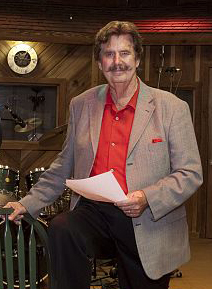
Roe Erister "Rick" Hall (January 31, 1932 – January 2, 2018) was an American record producer, songwriter, and musician who became known as the owner of FAME Studios in Muscle Shoals, Alabama.
Home recording is the practice of recording sound in a private home instead of a professional recording studio.
International Sound Version (also known as Foreign Sound Version) is a term for a film in which all dialogue is replaced with music and foreign inter-titles.
Logic Pro is a proprietary digital audio workstation (DAW) and MIDI sequencer software application for the macOS platform developed by Apple Inc.
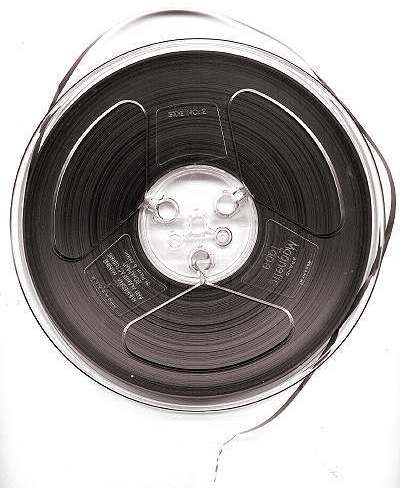
Magnetic tape is a medium for magnetic storage made of a thin, magnetizable coating on a long, narrow strip of plastic film.
A microphone, colloquially called a mic (), or mike, is a transducer that converts sound into an electrical signal.
There are a number of well-developed microphone techniques used for recording musical, film, or voice sources or picking up sounds as part of sound reinforcement systems.
A mixing engineer (or simply mix engineer) is responsible for combining ("mixing") different sonic elements of an auditory piece into a complete rendition (also known as "final mix" or "mixdown")
Noise reduction is the process of removing noise from a signal.
In music, "noise" has been variously described as unpitched, indeterminate, uncontrolled, convoluted, unmelodic, loud, otherwise unmusical, or unwanted sound, or simply as sound in general.
A part-talkie is a sound film that includes at least some "talking sequences" or sections with audible dialogue.
In United States copyright law, phonorecord is a term of art for a material object that embodies sounds (other than those accompanying audiovisual recordings such as movies).

A variable speed pitch control (or vari-speed) is a control on an audio device such as a turntable, tape recorder, or CD player that allows the operator to deviate from a standard speed (such as
A pickup group is a group of professional musicians, which may be session musicians, who are hired to play for a limited time period—ranging from a single concert or sound recording session to se
Pro Tools is a digital audio workstation (DAW) developed and released by Avid Technology (formerly Digidesign) for Microsoft Windows and macOS.
In filmmaking and television production, presence, also known as room tone, or simply room sound, is the "silence" recorded at a location or space when no dialogue is spoken.
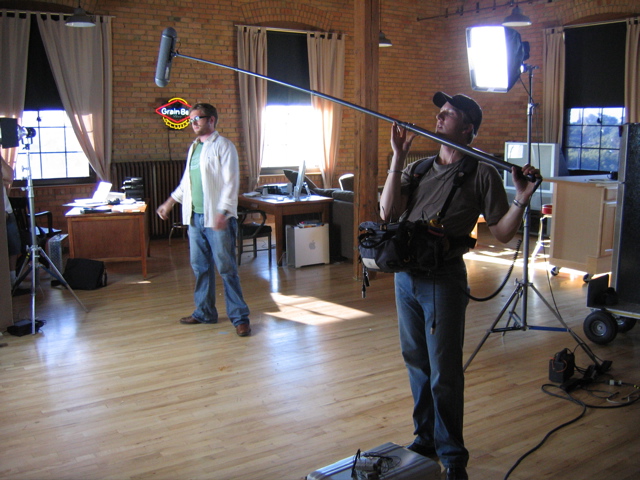
A production sound mixer, location sound recordist, location sound engineer, or simply sound mixer is the member of a film crew or television crew responsible for recording all sound recording on
Producing Great Sound for Film and Video: Expert Tips from Preproduction to Final Mix is a non-fiction, filmmaking handbook.
Re-amping is a process often used in multitrack recording in which a recorded signal is routed back out of the editing environment and run through external processing using effects units and then
Punch in/out is an audio and video term that originated as a recording technique used on early multitrack recordings whereby a portion of the performance was recorded onto a previously recorded t
A re-recording mixer in North America, also known as a dubbing mixer in Europe, is a post-production audio engineer who mixes recorded dialogue, sound effects and music to create the final versio
Measurement of wow and flutter is carried out on audio tape machines, cassette recorders and players, and other analog recording and reproduction devices with rotary components (e.g.