Invisible theater: History and Key Facts
Invisible theatre is a form of theatrical performance that is enacted in a place where people would not normally expect to see one, for example in the street or in a shopping centre.
Oldest entries first, in a fixed order. Newly added articles appear at the end. Explore a shuffled selection →
Invisible theatre is a form of theatrical performance that is enacted in a place where people would not normally expect to see one, for example in the street or in a shopping centre.

Kitchen sink realism (or kitchen sink drama) is a British cultural movement that developed in the late 1950s and early 1960s in theatre, art, novels, mainstream and independent cinema, and televi
Olivier Award for Best New Play, "Jitney": Date: 2002. Issued by: Society of London Theatre, British, founded 1908. Subject of: August Wilson, American, 1945 - 2005.
Waistcoat for Ain't Misbehavin' costume worn by André De Shields: Date: 1982. Created by: Brooks-Van Horn Costume Company, Inc., American, 1962 - 1981. Worn by: André De Shields, American, born 1946.

Living Newspaper is a theatrical form presenting factual information on current events to a popular audience.
A loa ("praise") is a short theatrical piece, a prologue, written to introduce plays of the Spanish Golden Age or Siglo de Oro during the 16th and 17th centuries.
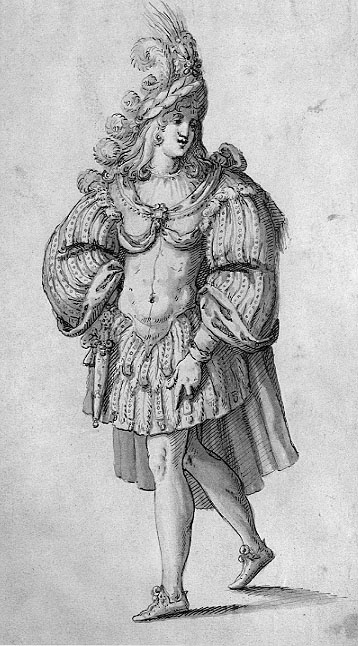
The masque was a form of festive courtly entertainment that flourished in 16th- and early 17th-century Europe, though it was developed earlier in Italy, in forms including the intermedio (a publi

A melodrama is a dramatic work in which plot, typically sensationalized for a strong emotional appeal, takes precedence over detailed characterization.
Mummers' plays are folk plays performed by troupes of amateur actors, traditionally all male, known as mummers or guisers (also by local names such as rhymers, pace-eggers, soulers, tipteerers, w

Music hall is a type of British theatrical entertainment that was most popular from the early Victorian era until around World War I.

Music theatre is a performance genre that emerged over the course of the 20th century, in opposition to more conventional genres like opera and musical theatre.

A mystery dinner is a popular type of dinner theater in which the play is a murder mystery, and the diners are invited to solve the mystery as they eat and watch the play.
Ten Nights in a Bar Room Handbill: Object Name: Playbill. Physical Description: paper (overall material). Physical Description: ink (overall material).

Haemo-Vac Evacuated Container for 500 ml. of Plasma: Object Name: plasma bottle with theatrical blood. ID Number: 1985.0252.055. catalog number: 1985.0252.055.
Opera is a form of Western theatre in which music is a fundamental component and dramatic roles are taken by singers.
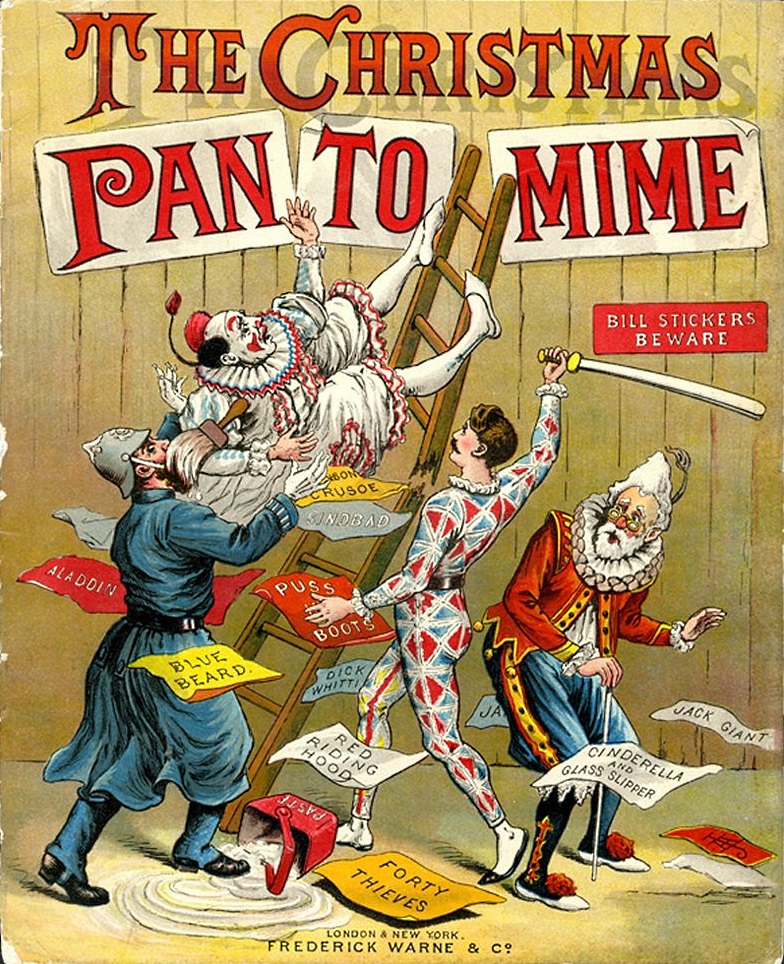
Pantomime (; informally panto) is a type of musical comedy stage production designed for family entertainment, generally combining broad and topical humour and cross-dressing actors with a story
Oral interpretation is a dramatic art, also commonly called "interpretive reading" and "dramatic reading", though these terms are more conservative and restrictive.
Participatory theatre is a form of theatre in which the audience interacts with the performers or the presenters.
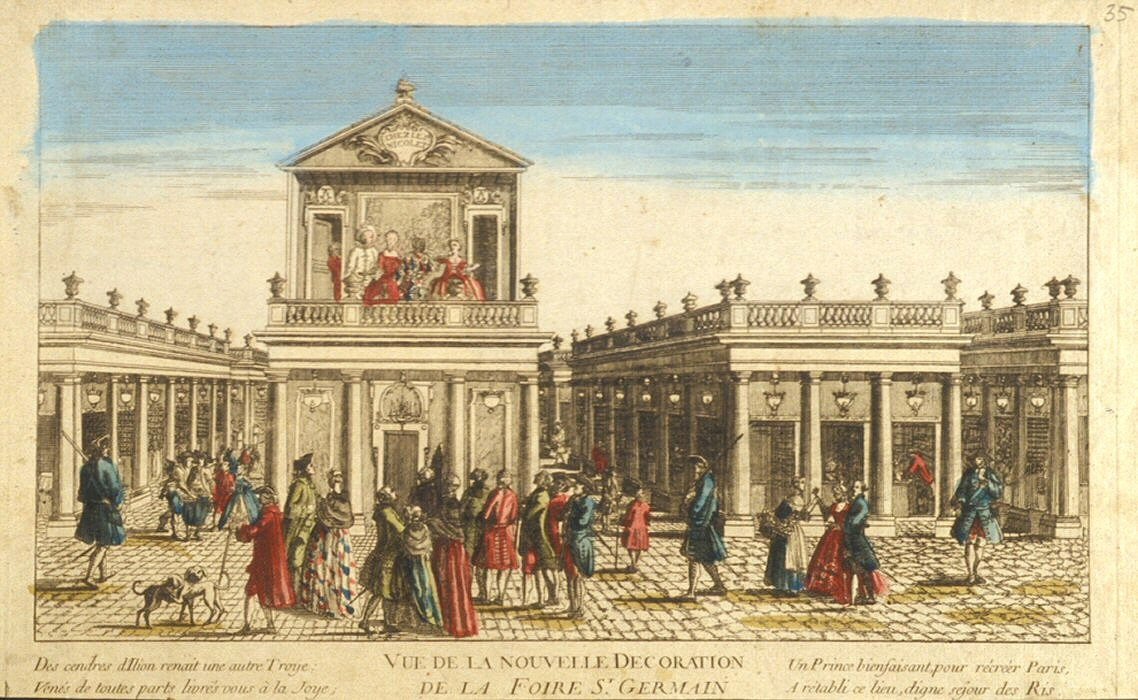
A parade is a type of French street entertainment which originated during the Renaissance.
The Passion Play or Easter pageant is a dramatic presentation depicting the Passion of Jesus: his trial, suffering and death.
Pasku Sinhala essy is a Roman Catholic Passion Play which originated in the Catholic areas of Jaffna in northern Sri Lanka in the late 19th century.
The notion of postdramatic theatre was established by German theatre researcher Hans-Thies Lehmann in his book Postdramatic Theatre, summarising a number of tendencies and stylistic traits occurr
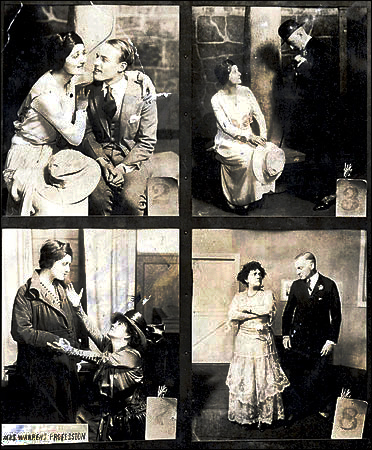
The problem play is a form of drama that emerged during the 19th century as part of the wider movement of realism in the arts, especially following the innovations of Henrik Ibsen.

Randai (Jawi: رنداي) is a folk theater tradition of the Minangkabau ethnic group in West Sumatra, Indonesia, which incorporates music, singing, dance, drama and the martial art of silat.
Real time within a narrative is a method in which events are portrayed at the same rate at which they occur in the plot.

Realism was a general movement that began in 19th-century theatre, around the 1870s, and remained present through much of the 20th century.
Revenge tragedy (sometimes referred to as revenge drama, revenge play, or tragedy of blood) is a theatrical genre in which the principal theme is revenge and revenge's fatal consequences.

A revue is a type of multi-act popular theatrical entertainment that combines music, dance, and sketches.

The revista porteña (meaning "porteña revue" or "Buenos Aires revue" in Spanish) is a theatrical genre native to Argentina, derived from European revue, which originated in the city of Buenos Air
A Royal Command Performance is any performance by actors or musicians that occurs at the direction or request of a reigning monarch of the United Kingdom.
The sceneggiata (pronounced [ʃenedˈdʒaːta], pl.
Photograph of Bill Bailey: Date: ca. 1937. Photograph by: Marvin Smith, American, 1910 - 2003. Photograph by: Morgan Smith, American, born 1910.
Photograph of two men and eleven women posing in stage costumes: Date: ca. 1925. Photograph by: Unidentified. Subject of: Unidentified Man or Men.
"Memphis Underground": publising date: 1969. publisher: Herbie Mann Music Corp.. Object Name: sheet music.
Shadow play, also known as shadow puppetry, is an ancient form of storytelling and entertainment which uses flat articulated cut-out figures (shadow puppets) which are held between a source of li
Site-specific theatre is a theatrical production that is performed at a unique location other than a theatre.

In theatres, beginning in Elizabethan London, a jig was a short comic drama that immediately followed a full-length play.
Ta'ziyeh, also spelled as ta'zieh (Iranian Persian: تعزیه, romanized: taʿziye [tæʔziˈje], from Arabic تعزية taʿziya, 'condolence'), is a dramatic art form of Iran, performed by Shia Muslims, an
A tableau vivant (French: [tablo vivɑ̃]; often shortened to tableau; pl.
The Theatre of the Grotesque was a twentieth-century dramatic movement.