Manuscript culture: History and Key Facts
A manuscript culture is a culture that depends on hand-written manuscripts to store and disseminate information.
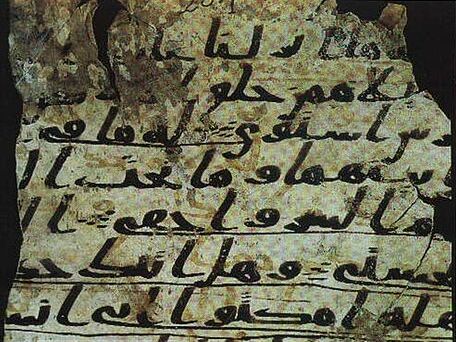
A manuscript culture is a culture that depends on hand-written manuscripts to store and disseminate information. It is a stage that most developed cultures went through in between oral culture and print culture. Europe entered the stage in classical antiquity. In early medieval manuscript culture, monks or nuns copied manuscripts by hand. They copied religious works and a variety of texts including some on astronomy, herbals, and bestiaries. Medieval manuscript culture deals with the transition of the manuscript from the monasteries to the market in the cities, and the rise of universities. Manuscript culture in the cities created jobs built around the making and trade of manuscripts, and typically was regulated by universities. Late manuscript culture was characterized by a desire for uniformity, well-ordered and convenient access to the text contained in the manuscript, and ease of reading aloud. This culture grew out of the Fourth Lateran Council (1215) and the rise of the Devotio Moderna. It included a change in materials (switching from vellum to paper), and was subject to remediation by the printed book, while also influencing it.
Source and attribution
Text excerpted from Manuscript culture by Wikipedia contributors, available under Creative Commons Attribution-ShareAlike 4.0. The extract is abridged and formatting has been adjusted; the adapted text on this page is shared under the same licence. Revision history.
Sources
More in Books & Authors
Keep reading