Hevajra and Consort (1600s): Art, History and Details
Hevajra and Consort at the Cleveland Museum of Art: 1600s, gilt bronze inlaid with semiprecious stones. Explore the work's context, creator attribution and collection history.
Oldest entries first, in a fixed order. Newly added articles appear at the end. Explore a shuffled selection →
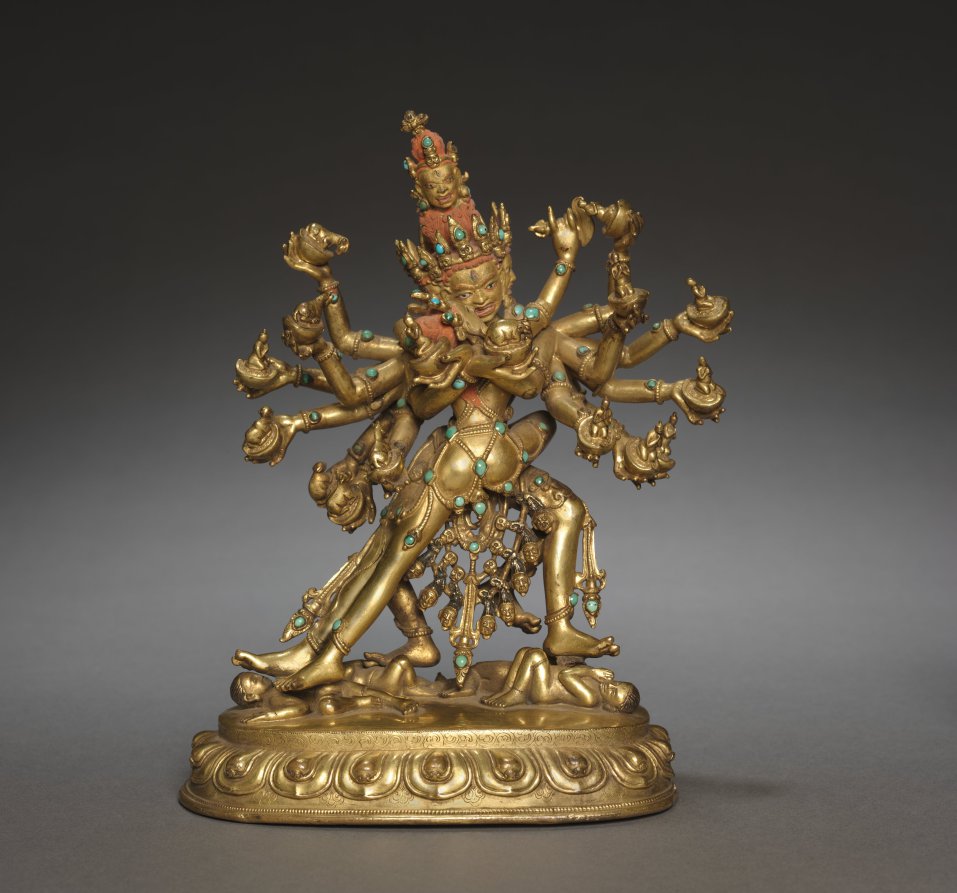
Hevajra and Consort at the Cleveland Museum of Art: 1600s, gilt bronze inlaid with semiprecious stones. Explore the work's context, creator attribution and collection history.
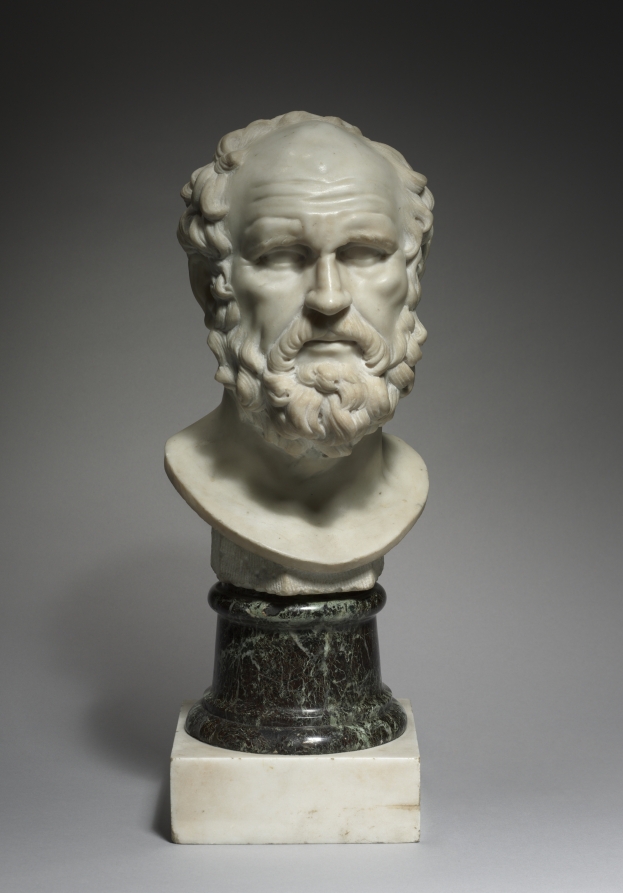
A Philosopher at the Cleveland Museum of Art: 1662, marble. Explore the work's context, creator attribution and collection history.
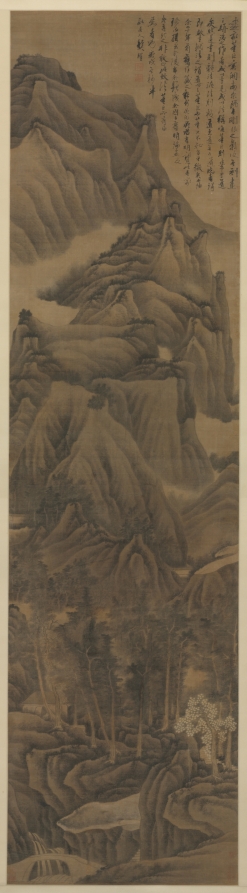
Landscape in the Style of Dong Yuan and Juran at the Cleveland Museum of Art: c. 1650, hanging scroll, ink with white pigment on silk. Explore the work's context, creator attribution and collection history.
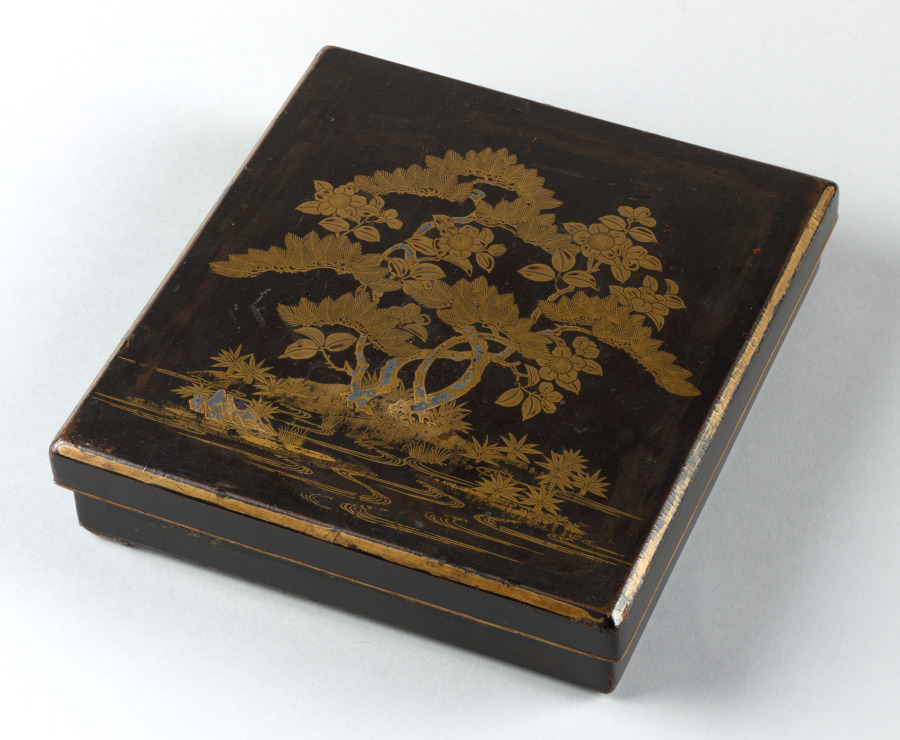
Writing Box (Suzuribako) with Pine, Camellia, and Bamboo at the Cleveland Museum of Art: 1400s, Lacquered wood with gold and silver sprinkled powder (maki-e), stone, and metal. Explore the work's context, creator attribution and collection

Writing Box (Suzuribako) with Design of Pine, Camellia, and Bamboo (base) at the Cleveland Museum of Art: 1400s, Lacquered wood with gold and silver sprinkled powder (maki-e), stone, and metal. Explore the work's context, creator attributio
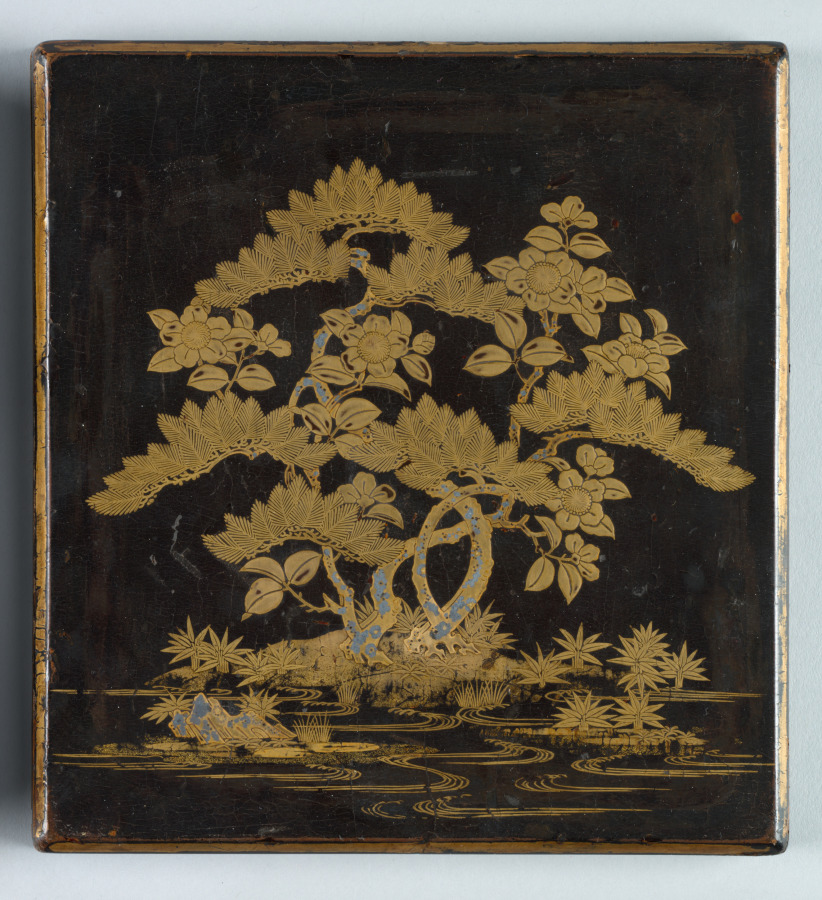
Writing Box (Suzuribako) with Design of Pine, Camellia, and Bamboo (lid) at the Cleveland Museum of Art: 1400s, Lacquered wood with gold and silver sprinkled powder (maki-e). Explore the work's context, creator attribution and collection hi
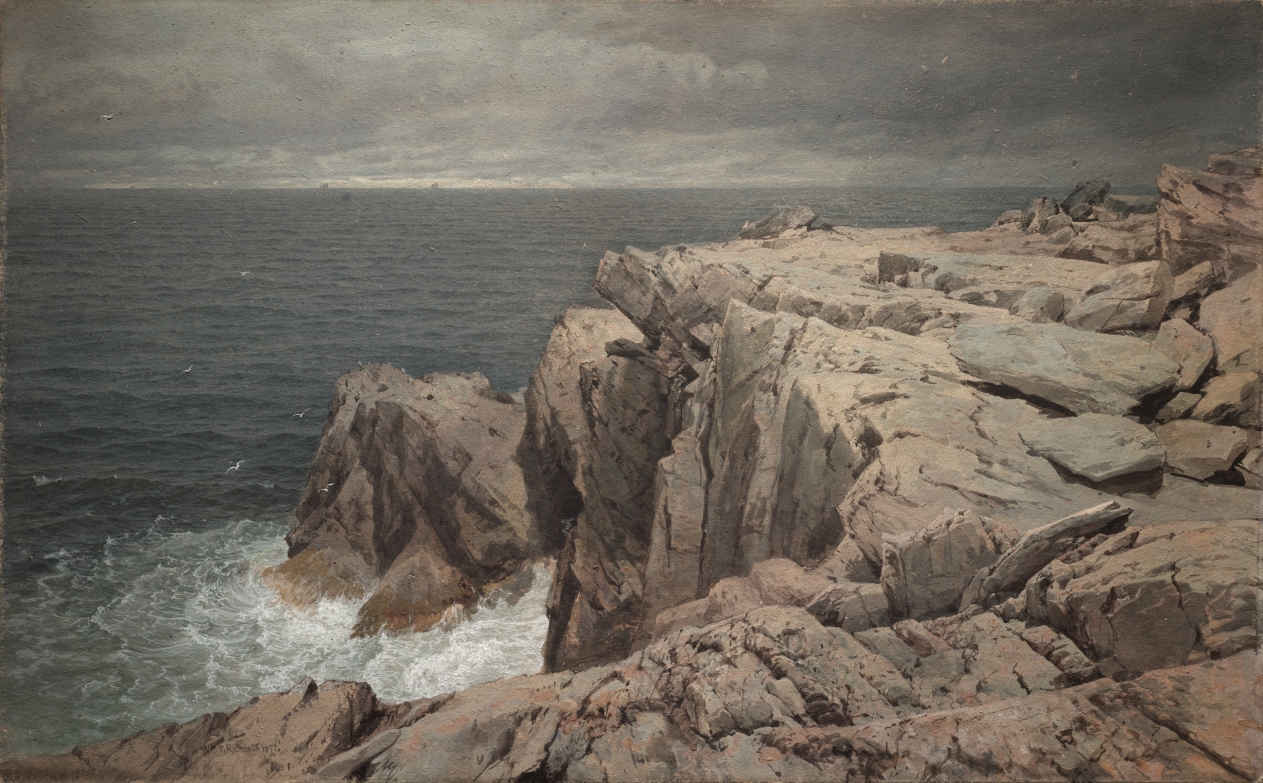
Cormorant Cliff, Jamestown, Rhode Island at the Cleveland Museum of Art: 1877, watercolor and gouache. Explore the work's context, creator attribution and collection history.
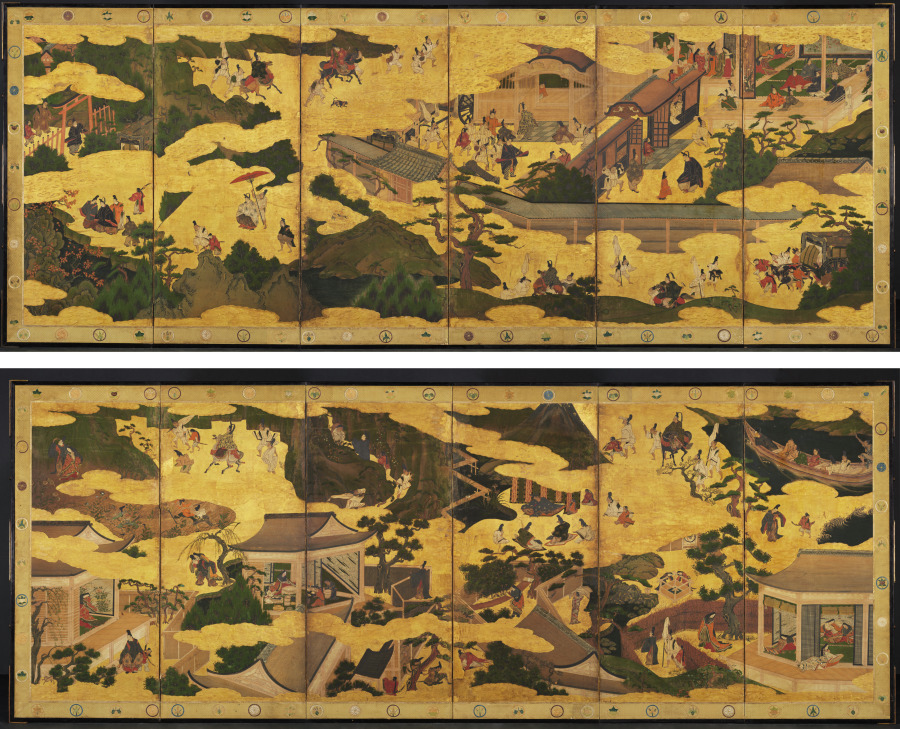
Scenes from the Tales of Ise at the Cleveland Museum of Art: mid-1600s, Pair of six-panel folding screens; ink, color, and gold on gilded paper. Explore the work's context, creator attribution and collection history.
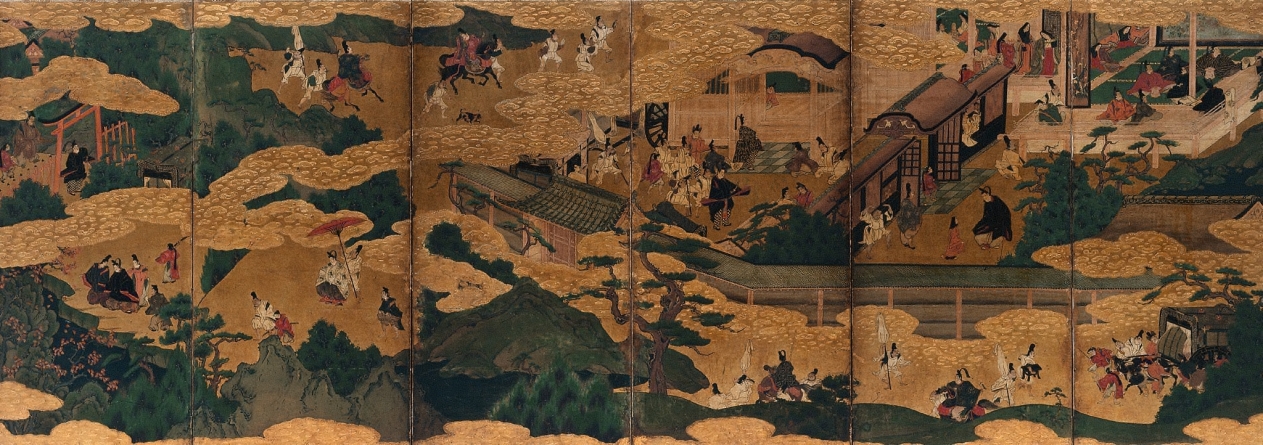
Scenes from the Tales of Ise at the Cleveland Museum of Art: mid-1600s, One of a pair of six-panel folding screens; ink, color and gold on paper. Explore the work's context, creator attribution and collection history.
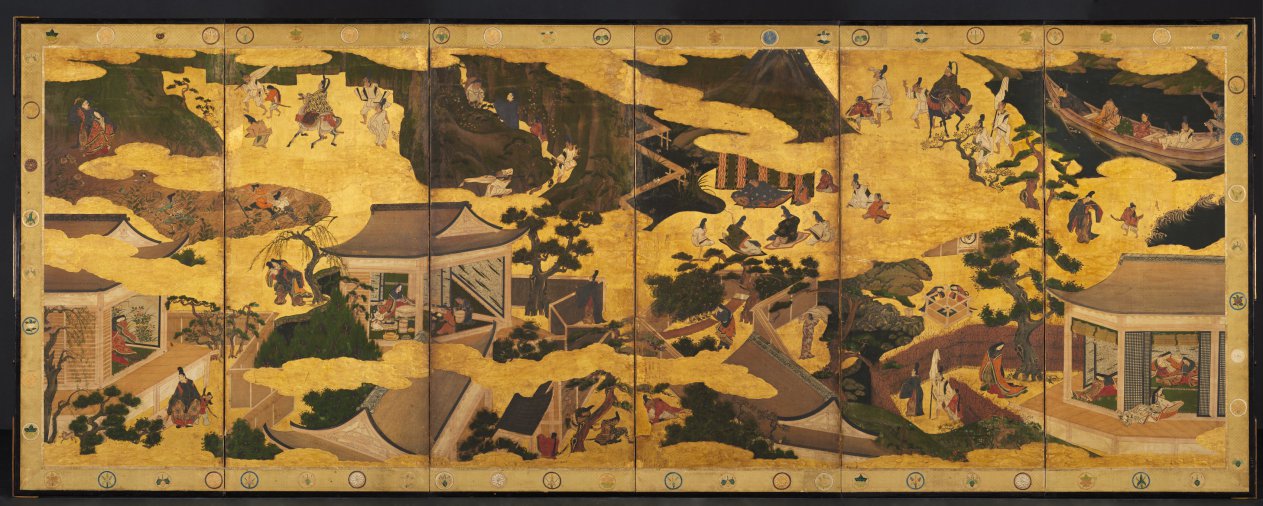
Scenes from the Tales of Ise at the Cleveland Museum of Art: mid-1600s, One of a pair of six-panel folding screens; ink, color and gold on paper. Explore the work's context, creator attribution and collection history.
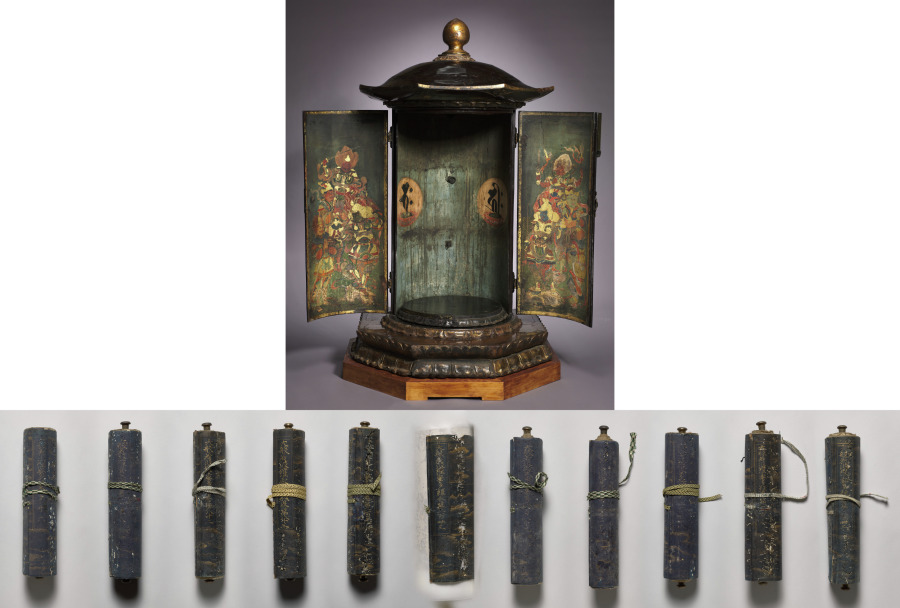
Repository for the Great Perfection of Wisdom Sutra and Eleven Volumes of the Great Perfection of Wisdom Sutra at the Cleveland Museum of Art: late 1100s, lacquered wood with ink, color, gold, cut gold, and metalwork. Explore the work's con
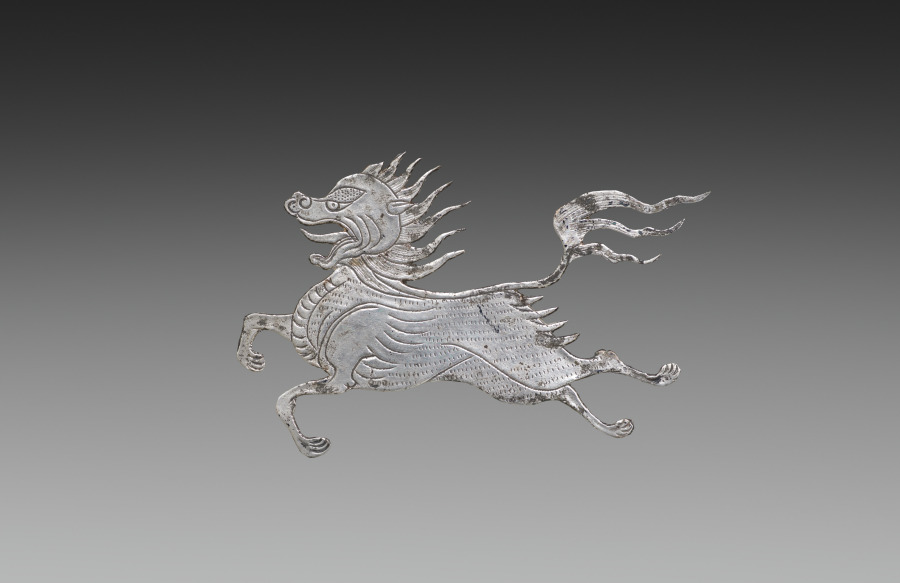
Inlay for a Mirror or Box: shih-shih at the Cleveland Museum of Art: c. 900–1000, beaten silver with chased details. Explore the work's context, creator attribution and collection history.

Inlay for a Mirror or Box: shih-shih at the Cleveland Museum of Art: c. 900–1000, beaten silver with chased details. Explore the work's context, creator attribution and collection history.

Inlay for a Mirror or Box: Lady on a Bird at the Cleveland Museum of Art: c. 900–1000, beaten silver with chased details. Explore the work's context, creator attribution and collection history.
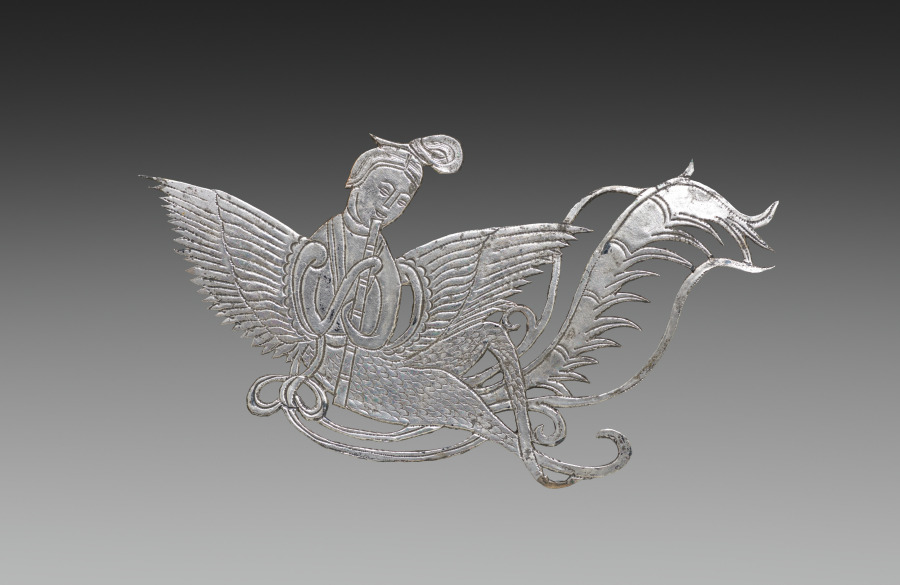
Inlay for a Mirror or Box: Lady and Flute at the Cleveland Museum of Art: c. 900–1000, beaten silver with chased details. Explore the work's context, creator attribution and collection history.

Hollyhock-shaped Cup at the Cleveland Museum of Art: 1400s, porcelain. Explore the work's context, creator attribution and collection history.

Repository for the Great Perfection of Wisdom Sutra at the Cleveland Museum of Art: late 1100s, lacquered wood with ink, color, gold, cut gold, and metalwork. Explore the work's context, creator attribution and collection history.
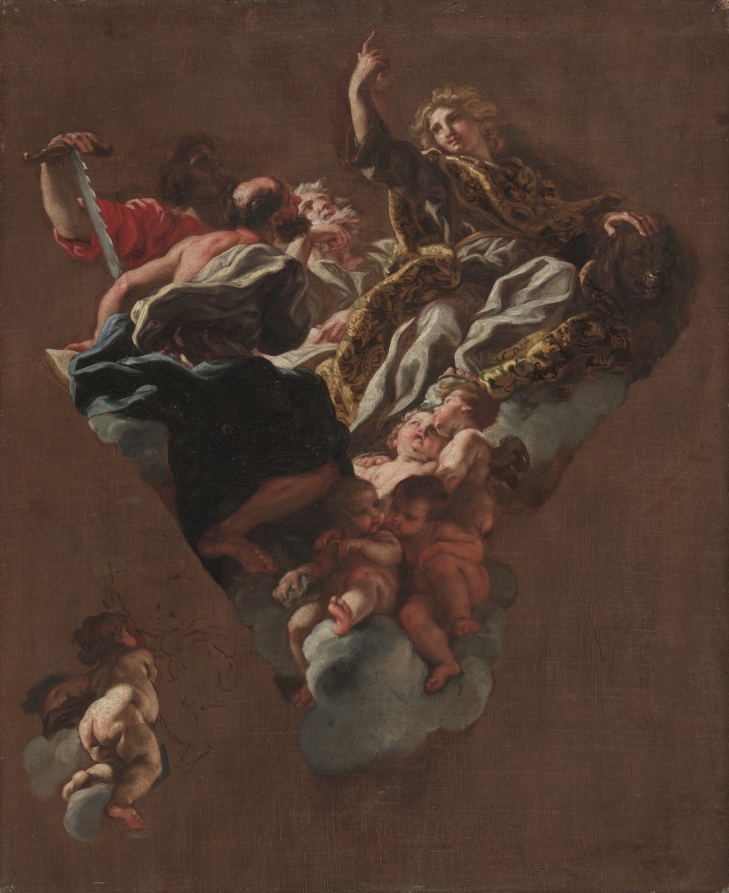
Sketch for "The Four Prophets of Israel" (for Il Gesù, Rome) at the Cleveland Museum of Art: c. 1675–1677, oil on canvas. Explore the work's context, creator attribution and collection history.

Adoration of the Magi at the Cleveland Museum of Art: 1642, oil on canvas. Explore the work's context, creator attribution and collection history.
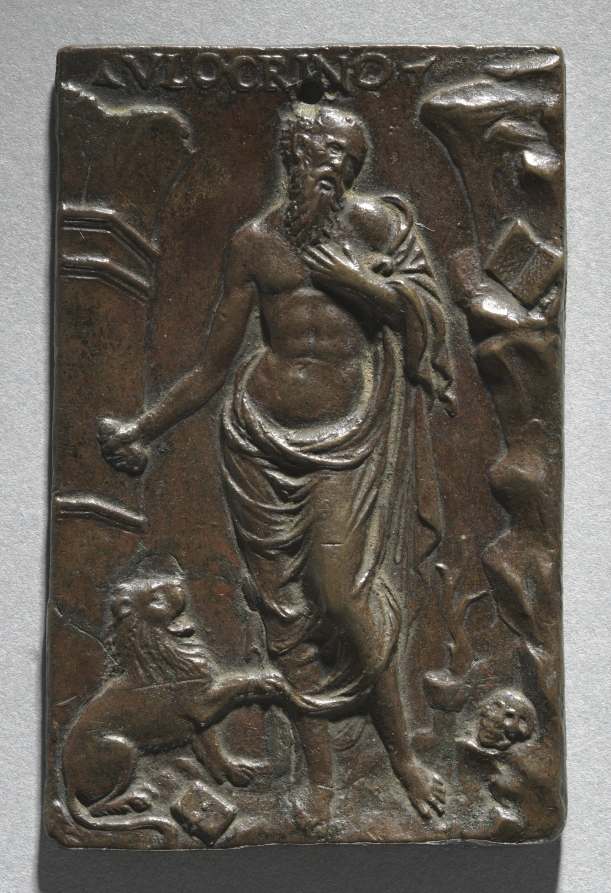
Saint Jerome at the Cleveland Museum of Art: 1500s, bronze. Explore the work's context, creator attribution and collection history.
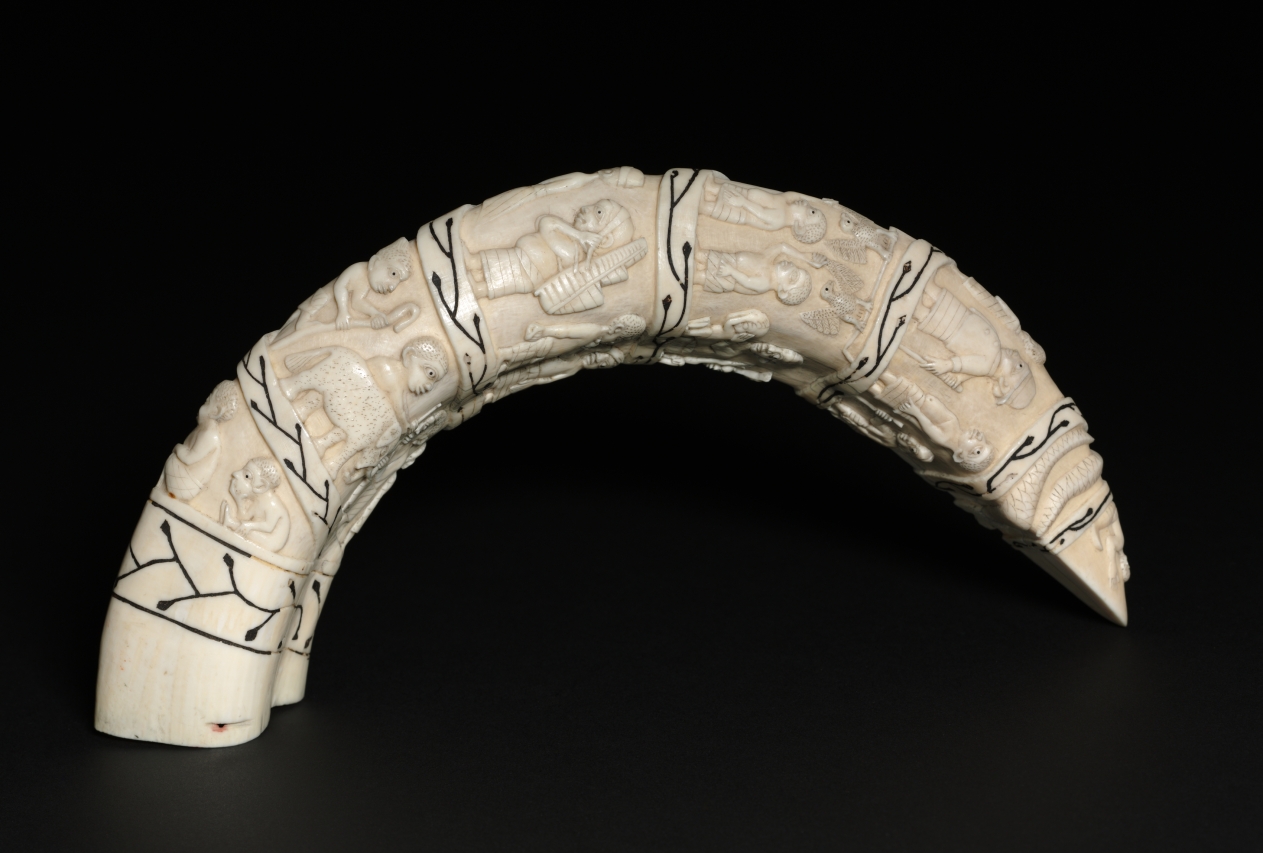
Carved Tooth at the Cleveland Museum of Art: late 1800s, Hippopotamus ivory and organic material. Explore the work's context, creator attribution and collection history.
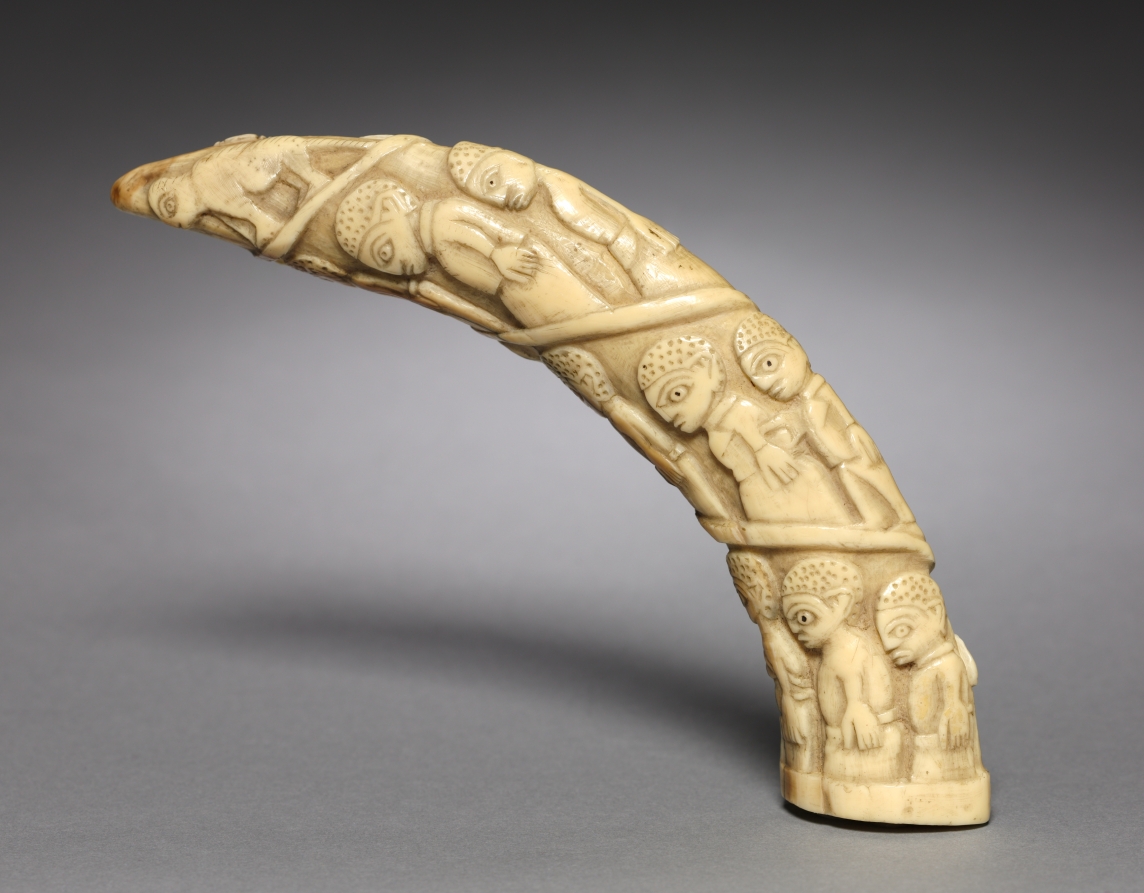
Carving at the Cleveland Museum of Art: c. 1900, ivory. Explore the work's context, creator attribution and collection history.
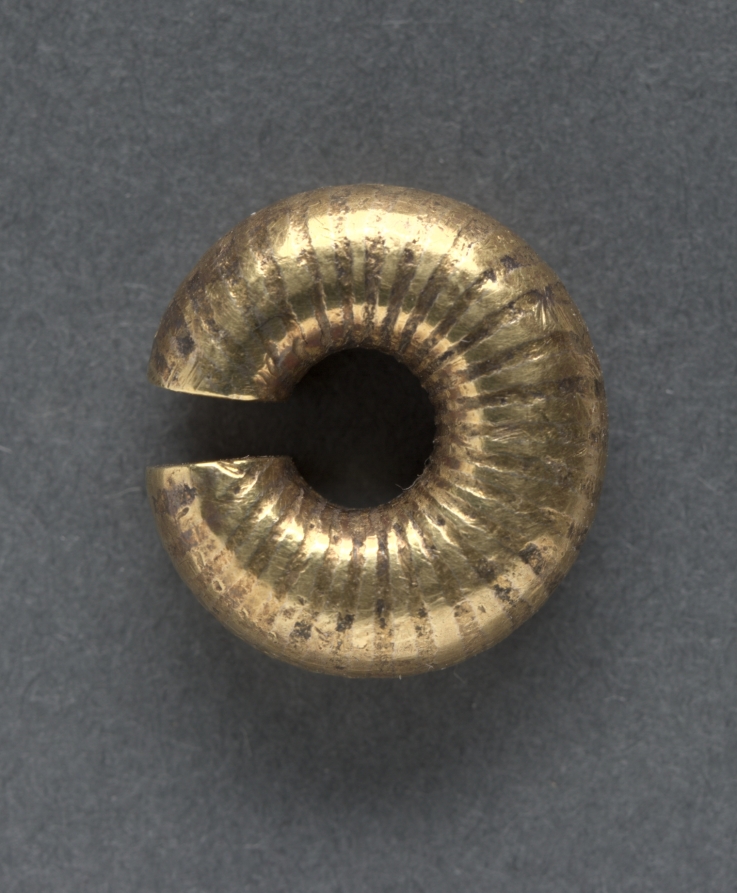
Ring Money at the Cleveland Museum of Art: c. 100–50 BCE, gold. Explore the work's context, creator attribution and collection history.
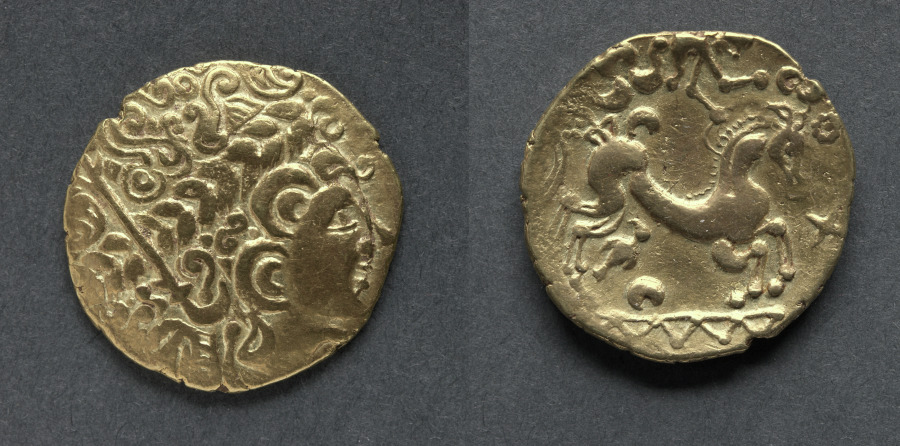
Stater: Head (obverse); Horse with Victory (reverse) at the Cleveland Museum of Art: c. 125–100 BCE, gold. Explore the work's context, creator attribution and collection history.

Quarter Stater: Tree (obverse); Plain Field (reverse) at the Cleveland Museum of Art: c. 125–20 BCE, gold. Explore the work's context, creator attribution and collection history.

Stater: Plain (obverse); Horse (reverse) at the Cleveland Museum of Art: c. 57–45 BCE, gold. Explore the work's context, creator attribution and collection history.
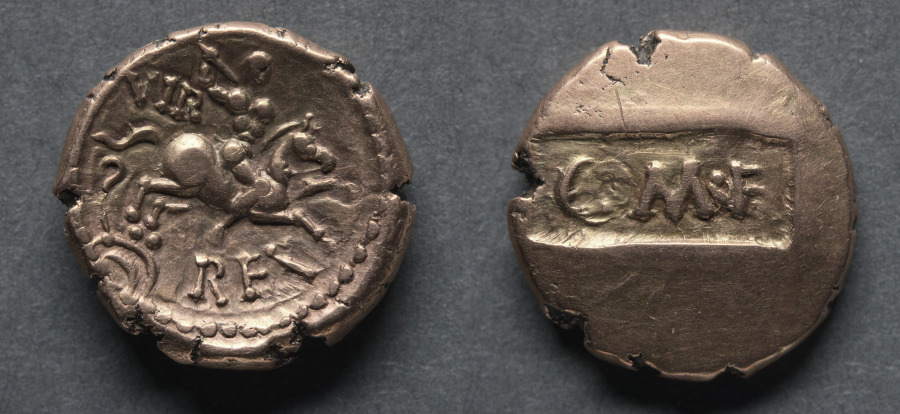
Verica Stater: Sunken Tablet (obverse); Horse and Rider (reverse) at the Cleveland Museum of Art: c. 10–40 CE, gold. Explore the work's context, creator attribution and collection history.

Addedomaros Stater: Crescents (obverse); Horse, Branch, and Spiral Sun (reverse) at the Cleveland Museum of Art: 50 BCE–10 CE, gold. Explore the work's context, creator attribution and collection history.

Dubnovellaunos Stater: Wreath and Crescents (obverse); Horse with Branch (reverse) at the Cleveland Museum of Art: 20 BCE–10 CE, gold. Explore the work's context, creator attribution and collection history.
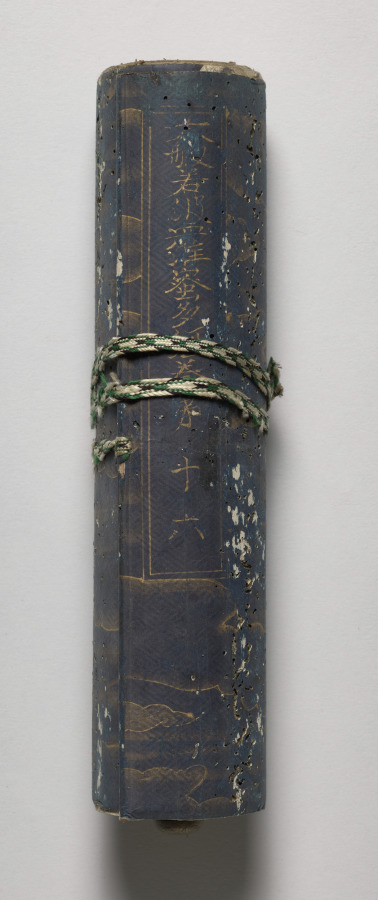
Volume from the Great Perfection of Wisdom Sutra at the Cleveland Museum of Art: late 1100s, Handscroll; ink and gold on dyed paper. Explore the work's context, creator attribution and collection history.

Volume from the Great Perfection of Wisdom Sutra at the Cleveland Museum of Art: late 1100s, Handscroll; ink and gold on dyed paper. Explore the work's context, creator attribution and collection history.

Volume from the Great Perfection of Wisdom Sutra at the Cleveland Museum of Art: late 1100s, Handscroll; ink and gold on dyed paper. Explore the work's context, creator attribution and collection history.

Volume from the Great Perfection of Wisdom Sutra at the Cleveland Museum of Art: late 1100s, Handscroll; ink and gold on dyed paper. Explore the work's context, creator attribution and collection history.

Volume from the Great Perfection of Wisdom Sutra at the Cleveland Museum of Art: late 1100s, Handscroll; ink and gold on dyed paper. Explore the work's context, creator attribution and collection history.

Volume from the Great Perfection of Wisdom Sutra at the Cleveland Museum of Art: late 1100s, Handscroll; ink and gold on dyed paper. Explore the work's context, creator attribution and collection history.
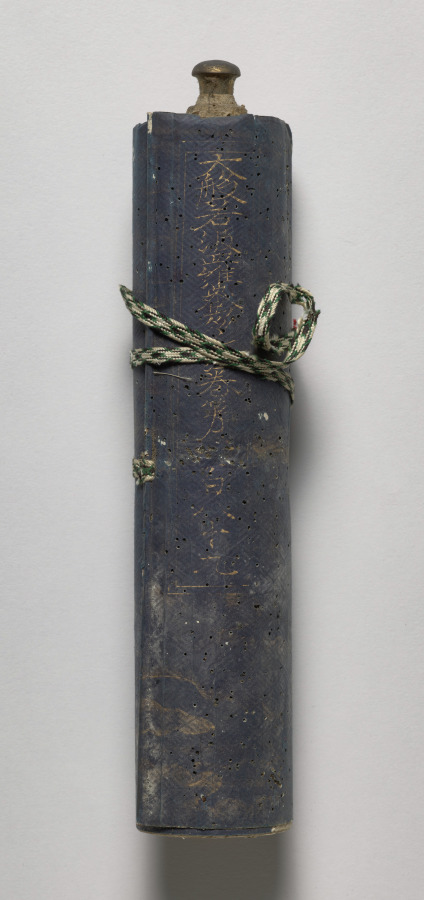
Volume from the Great Perfection of Wisdom Sutra at the Cleveland Museum of Art: late 1100s, Handscroll; ink and gold on dyed paper. Explore the work's context, creator attribution and collection history.

Volume from the Great Perfection of Wisdom Sutra at the Cleveland Museum of Art: late 1100s, Handscroll; ink and gold on dyed paper. Explore the work's context, creator attribution and collection history.
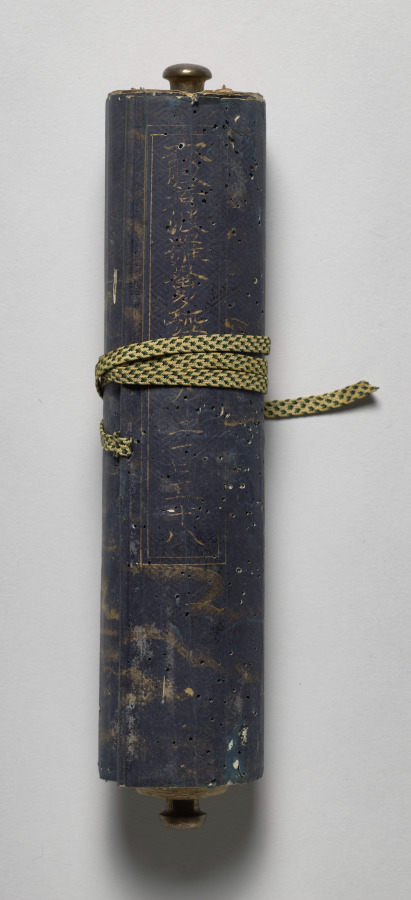
Volume from the Great Perfection of Wisdom Sutra at the Cleveland Museum of Art: late 1100s, Handscroll; ink and gold on dyed paper. Explore the work's context, creator attribution and collection history.

Volume from the Great Perfection of Wisdom Sutra at the Cleveland Museum of Art: late 1100s, Handscroll; ink and gold on dyed paper. Explore the work's context, creator attribution and collection history.

Volume from the Great Perfection of Wisdom Sutra at the Cleveland Museum of Art: late 1100s, Handscroll; ink and gold on dyed paper. Explore the work's context, creator attribution and collection history.