Seated Buddha (1100s): Art, History and Details
Seated Buddha at the Cleveland Museum of Art: 1100s, Gilt lacquer on solid wood. Explore the work's context, creator attribution and collection history.
Oldest entries first, in a fixed order. Newly added articles appear at the end. Explore a shuffled selection →

Seated Buddha at the Cleveland Museum of Art: 1100s, Gilt lacquer on solid wood. Explore the work's context, creator attribution and collection history.
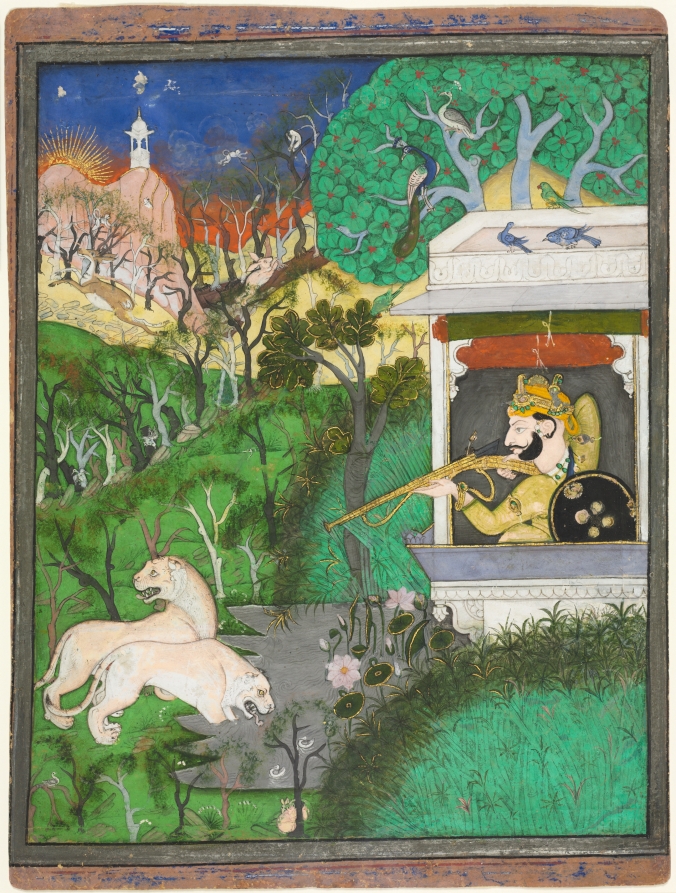
Maharaja Chattarsol of Kota Shooting Lions at the Cleveland Museum of Art: c. 1860, Gum tempera, ink, and gold on paper. Explore the work's context, creator attribution and collection history.
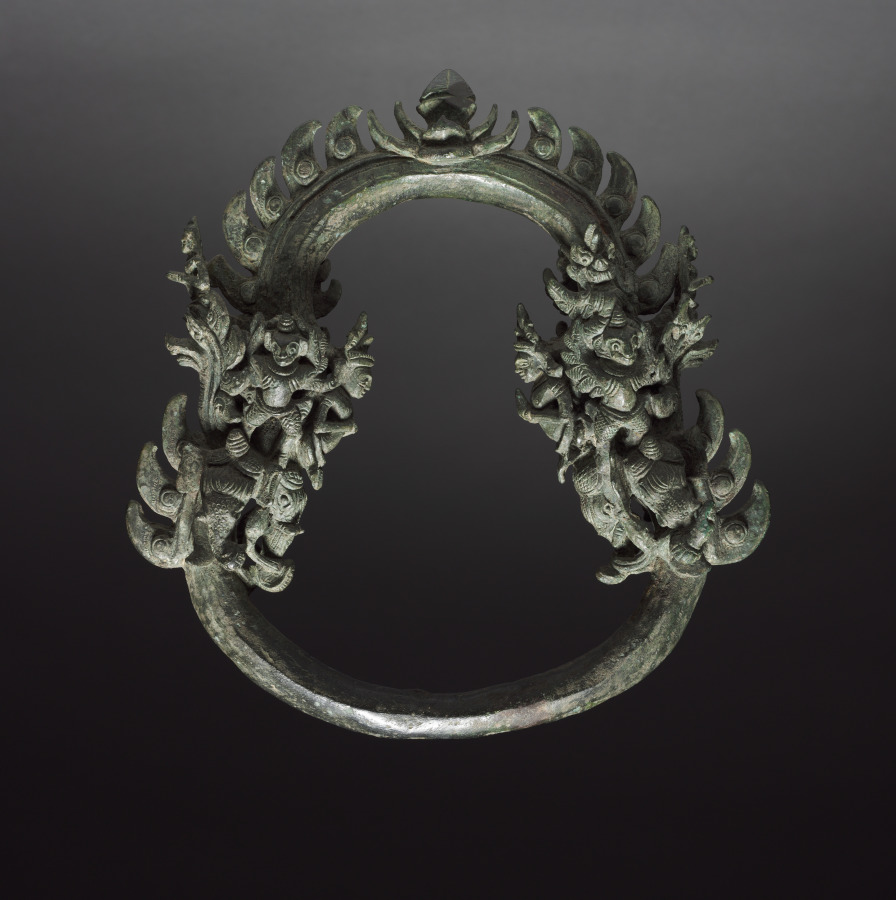
Palanquin Ring at the Cleveland Museum of Art: 1100s–1200s, bronze. Explore the work's context, creator attribution and collection history.
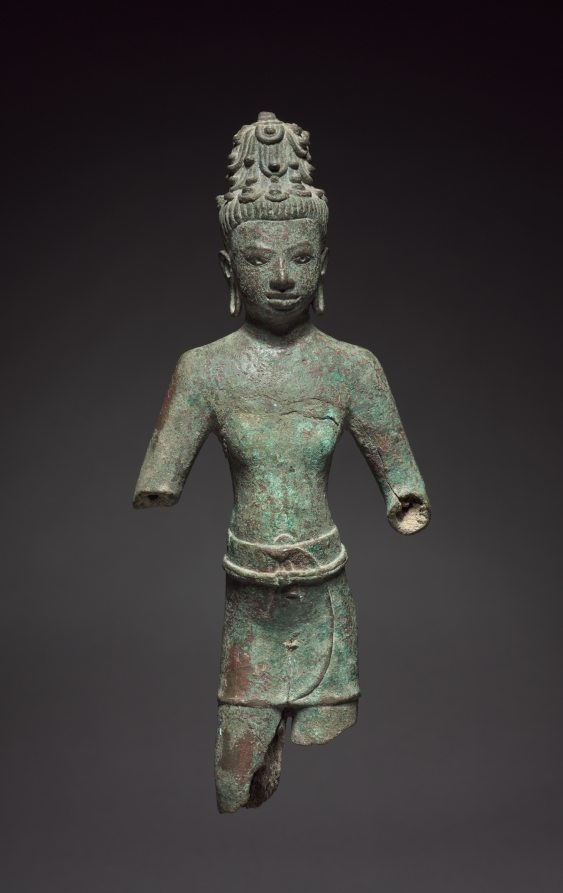
Bodhisattva at the Cleveland Museum of Art: 700s, bronze. Explore the work's context, creator attribution and collection history.

Bust Reliquary of St. Louis, Bishop of Toulouse at the Cleveland Museum of Art: late 1300s, wood (walnut) with polychromy, gesso and gilding. Explore the work's context, creator attribution and collection history.
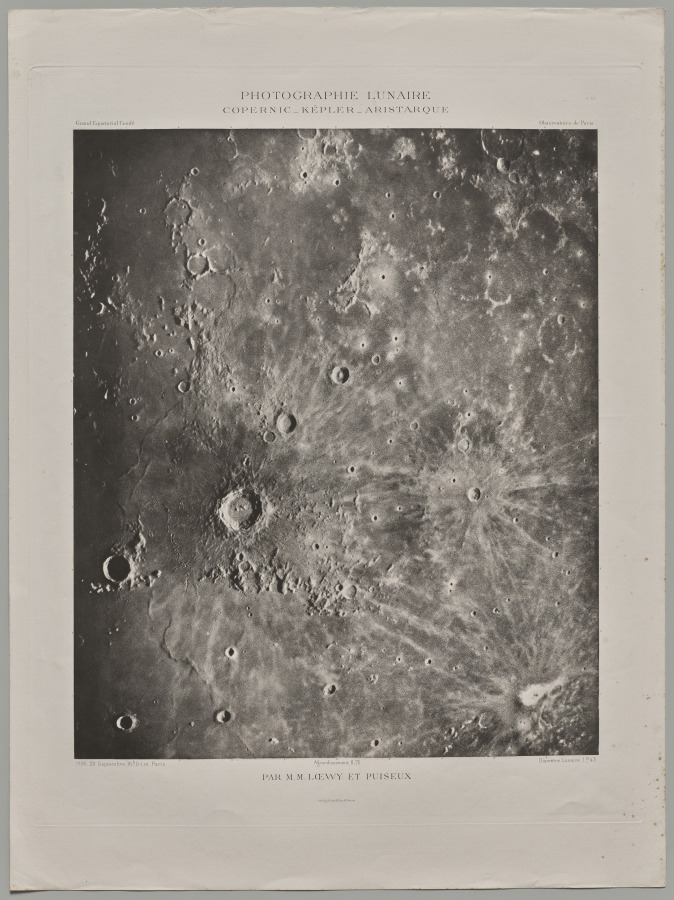
Photographie Lunaire: Copernic-Képler-Aristarique at the Cleveland Museum of Art: 1896, photogravure (heliogravure). Explore the work's context, creator attribution and collection history.

Portrait of a Young Woman (Profil de jeune fille) at the Cleveland Museum of Art: c. 1893, lithograph on yellow paper. Explore the work's context, creator attribution and collection history.
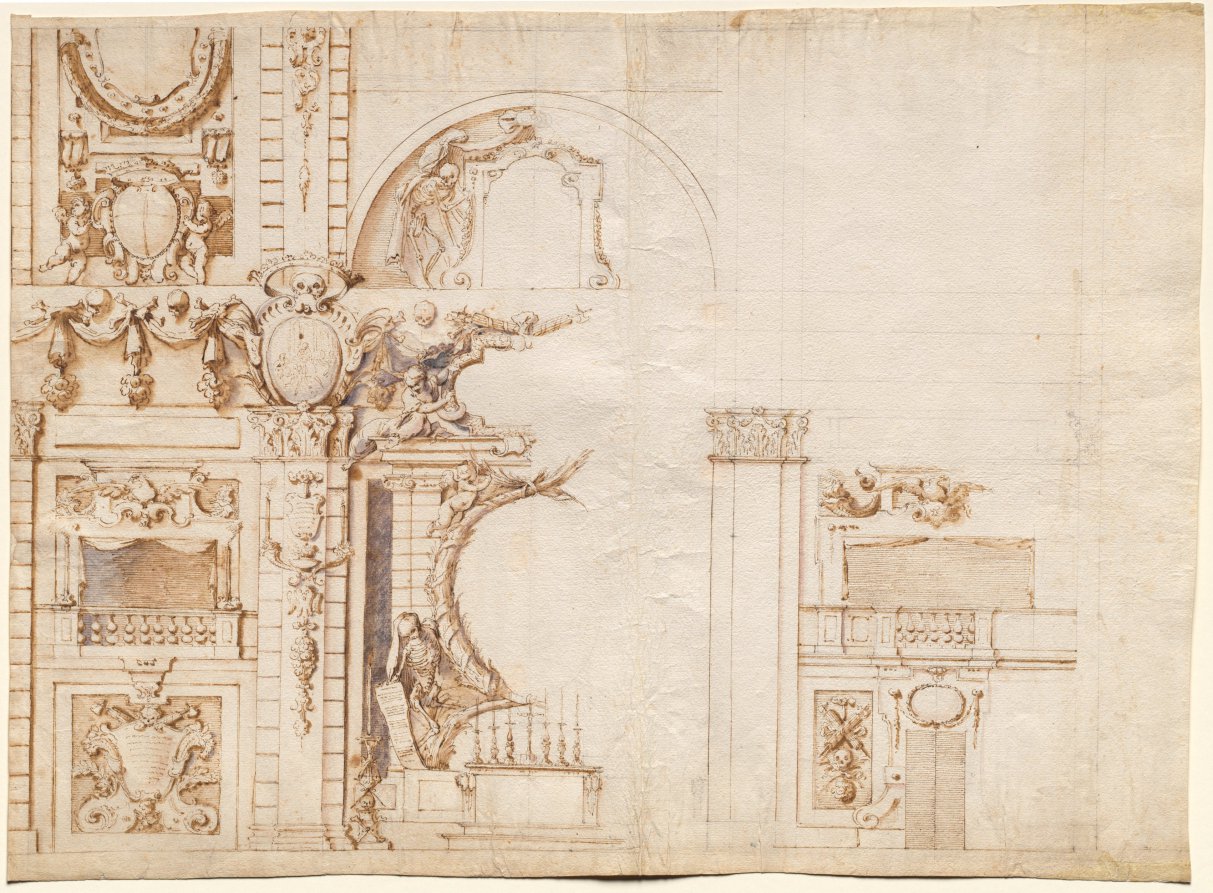
Study for the "Essequie" Conducted in San Lorenzo, Florence, in 1637 in Honour of Holy Roman Emperor Ferdinand II at the Cleveland Museum of Art: 1637, pen and brown ink and brown wash with graphite and accents of pink, purple-grey and deep
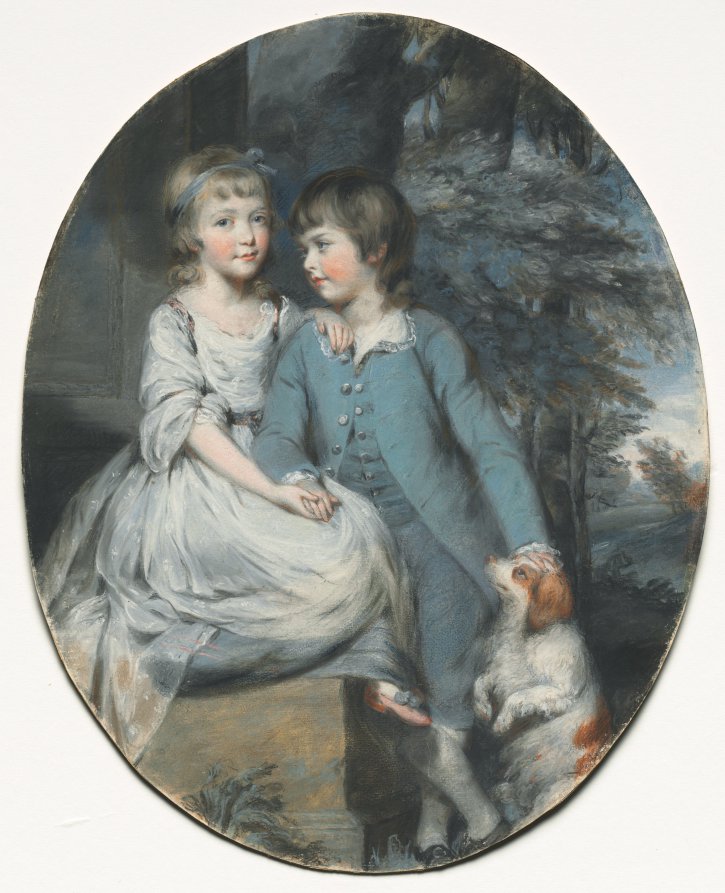
Cropley Ashley-Cooper (Later 6th Earl of Shaftesbury) with His Sister Mary Anne Ashley-Cooper, Later Lady Sturt of Crichel at the Cleveland Museum of Art: c. 1776, pastel with black and red chalk and graphite. Explore the work's context, cr

Helmet Mask at the Cleveland Museum of Art: possibly early to mid-1900s, Wood and organic materials. Explore the work's context, creator attribution and collection history.

Portrait of Maharaja Pratap Singh (1764–1803) at the Cleveland Museum of Art: c. 1793, Colored ink drawing. Explore the work's context, creator attribution and collection history.

Tetradrachm Coin of Herognetos, Magistrate of Magnesia at the Cleveland Museum of Art: 155–145 BCE, silver. Explore the work's context, creator attribution and collection history.

Tetradrachm Coin of Herognetos, Magistrate of Magnesia at the Cleveland Museum of Art: 155–145 BCE, silver. Explore the work's context, creator attribution and collection history.

Tetradrachm Coin of Erognetos, Magistrate of Magnesia at the Cleveland Museum of Art: 155–145 BCE, silver. Explore the work's context, creator attribution and collection history.
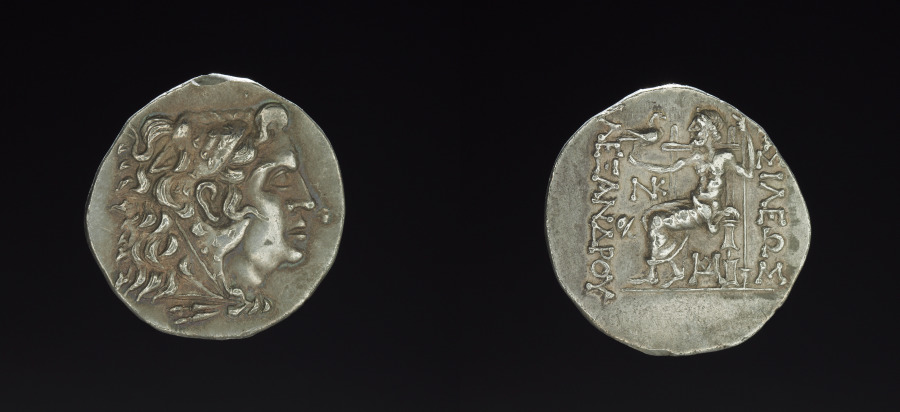
Indo-Greek Coin at the Cleveland Museum of Art: c. 200–1 BCE, silver. Explore the work's context, creator attribution and collection history.
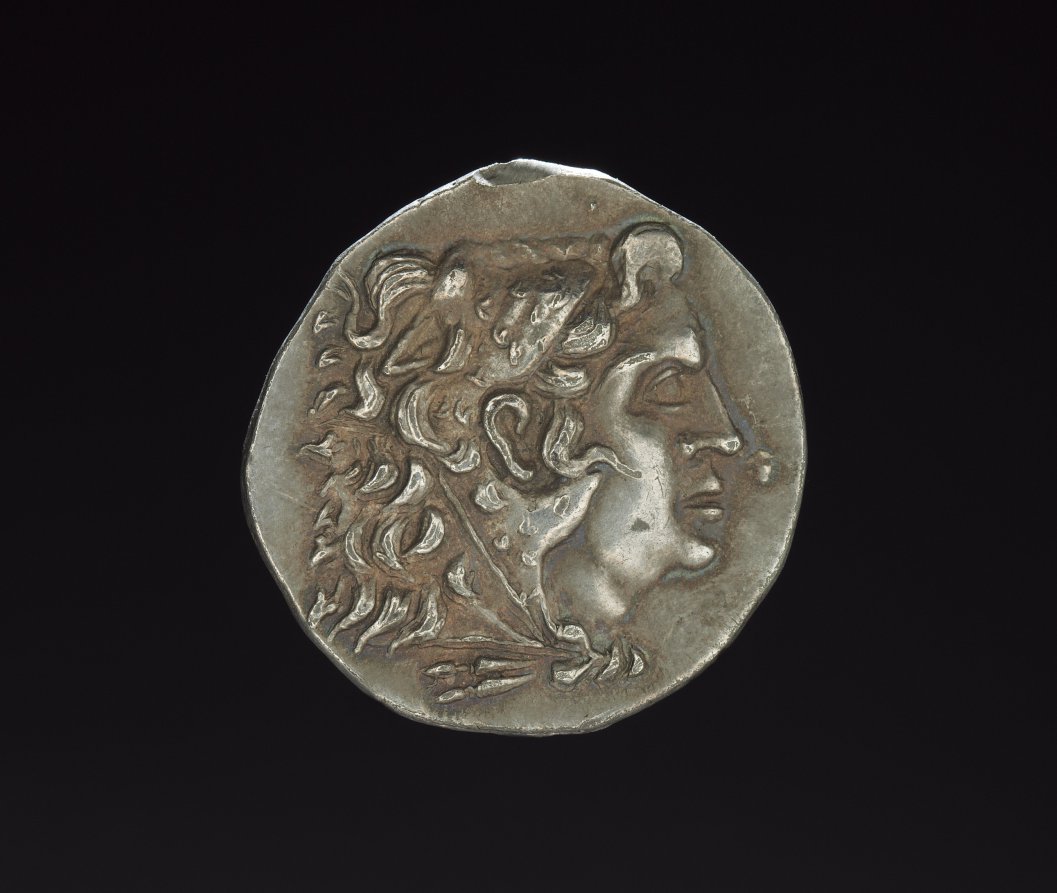
Indo-Greek Coin at the Cleveland Museum of Art: c. 200–1 BCE, silver. Explore the work's context, creator attribution and collection history.
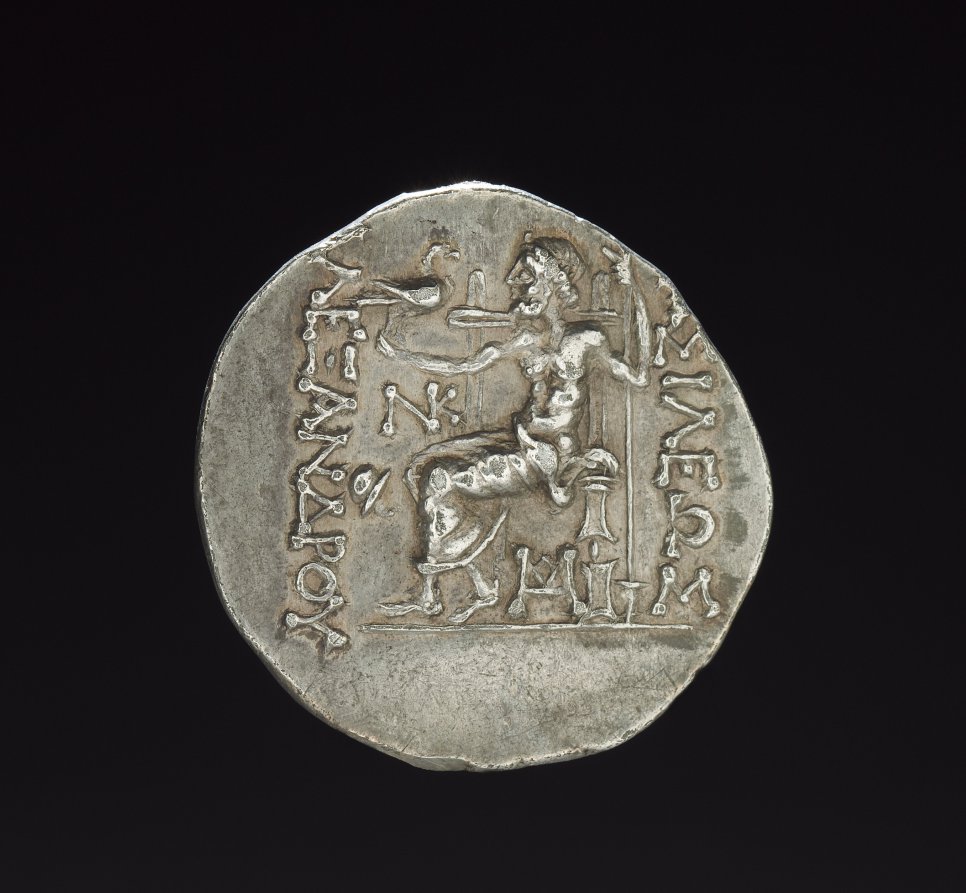
Indo-Greek Coin at the Cleveland Museum of Art: 200–1 BCE, silver. Explore the work's context, creator attribution and collection history.

Coin of Eukratides I at the Cleveland Museum of Art: 170–145 BCE, silver. Explore the work's context, creator attribution and collection history.

Coin of Eukratides I at the Cleveland Museum of Art: 170–145 BCE, silver. Explore the work's context, creator attribution and collection history.
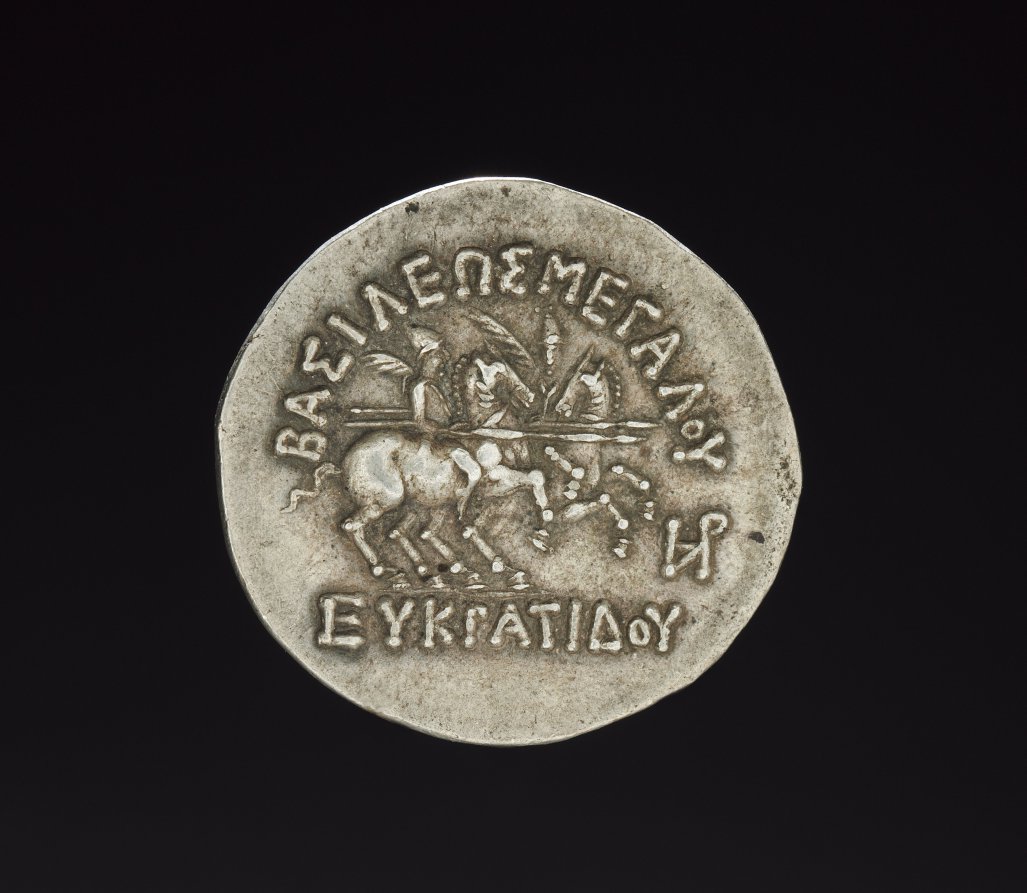
Coin of Eukratides I at the Cleveland Museum of Art: 170–145 BCE, silver. Explore the work's context, creator attribution and collection history.

Histamenon of Romanus III at the Cleveland Museum of Art: 1028–34, gold. Explore the work's context, creator attribution and collection history.

Lesson in Understanding in 1843 at the Cleveland Museum of Art: 1843, lithograph. Explore the work's context, creator attribution and collection history.

The Fleet Off the Coast, Beachy Head at the Cleveland Museum of Art: c. 1790–1805, watercolor with graphite underdrawing. Explore the work's context, creator attribution and collection history.

Female Devotee at the Cleveland Museum of Art: c. early 100s CE, sandstone. Explore the work's context, creator attribution and collection history.

Solidus of Constans II and Constantine IV at the Cleveland Museum of Art: 659–661, gold. Explore the work's context, creator attribution and collection history.
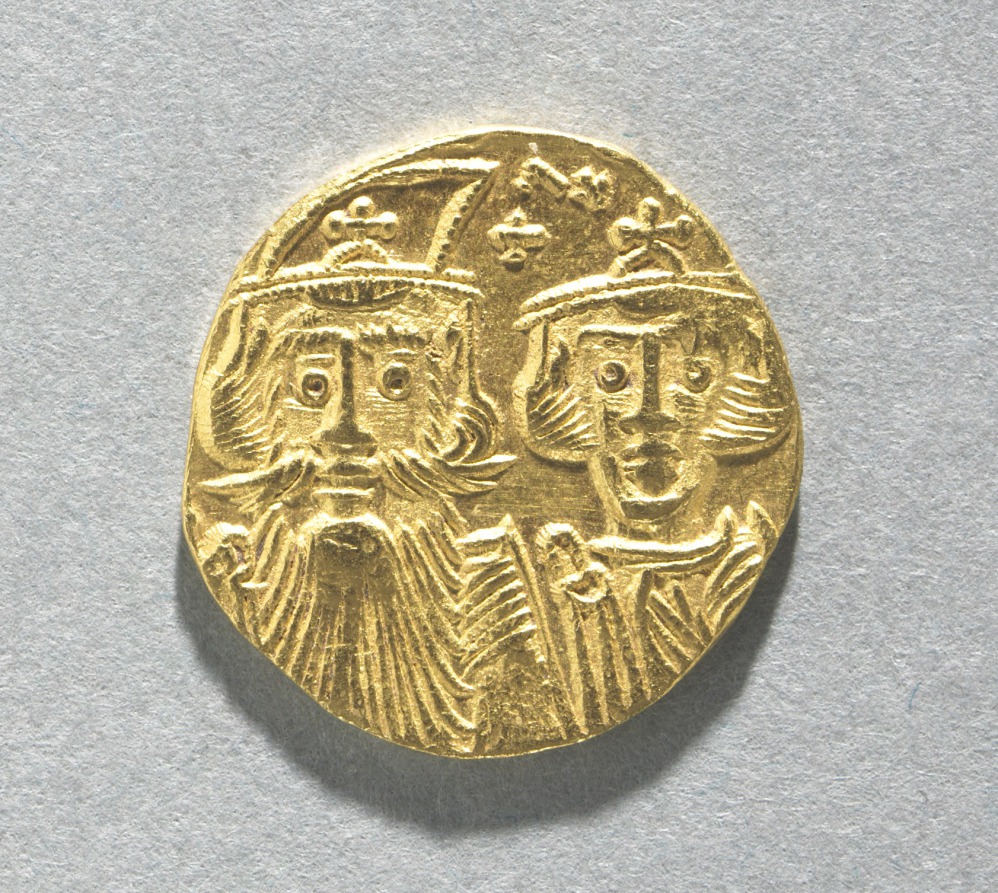
Solidus with Busts of Constans II and Constantine IV (obverse) at the Cleveland Museum of Art: 659–661, gold. Explore the work's context, creator attribution and collection history.
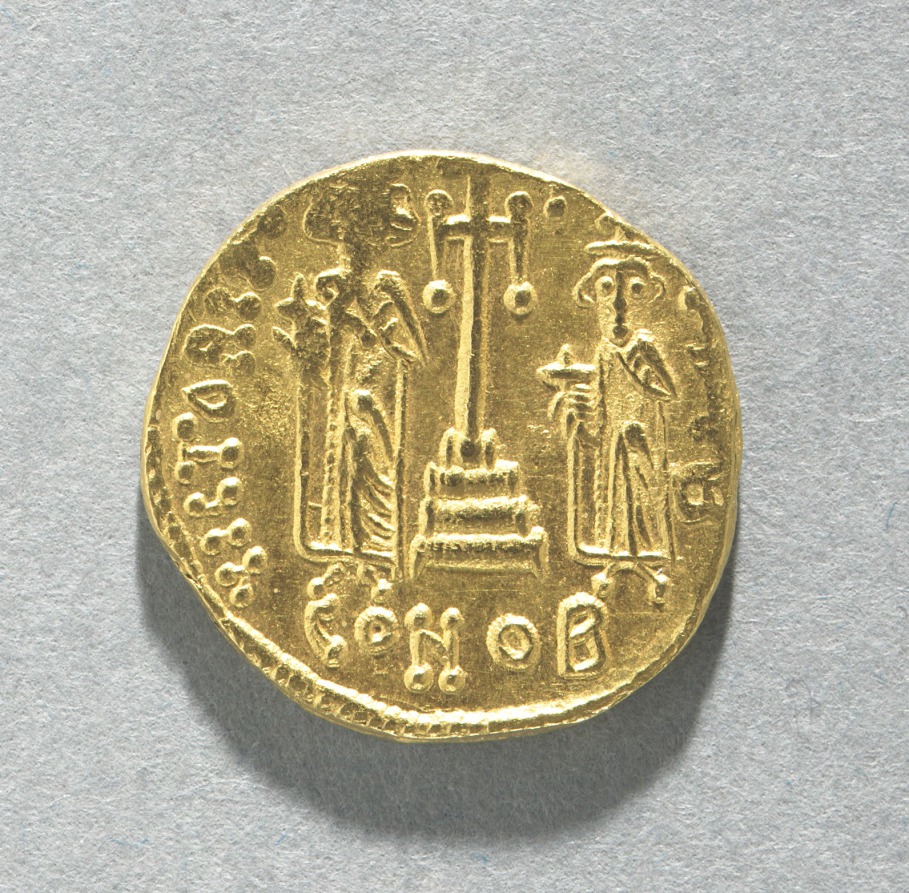
Solidus of Constans II and Constantine IV with a Cross Potent on Three Steps (reverse) at the Cleveland Museum of Art: 659–661, gold. Explore the work's context, creator attribution and collection history.

Self-Portrait with Five Muses at the Cleveland Museum of Art: c. 1880, oil on paper mounted to board. Explore the work's context, creator attribution and collection history.

Vessel with Battle Scene at the Cleveland Museum of Art: 600–900, ceramic and slip. Explore the work's context, creator attribution and collection history.
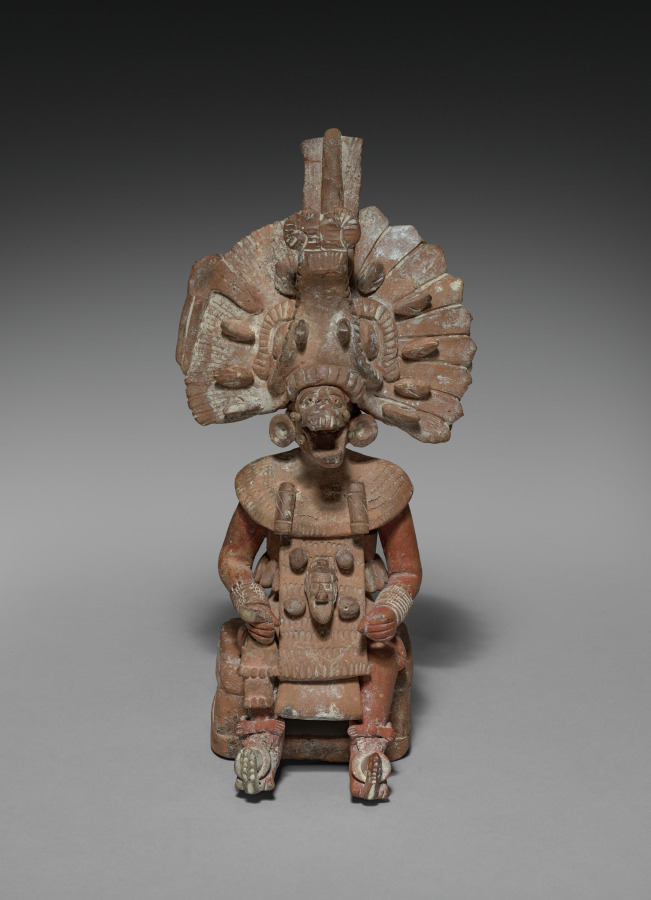
Seated Lord with Removable Headdress at the Cleveland Museum of Art: 600–800, ceramic and slip. Explore the work's context, creator attribution and collection history.
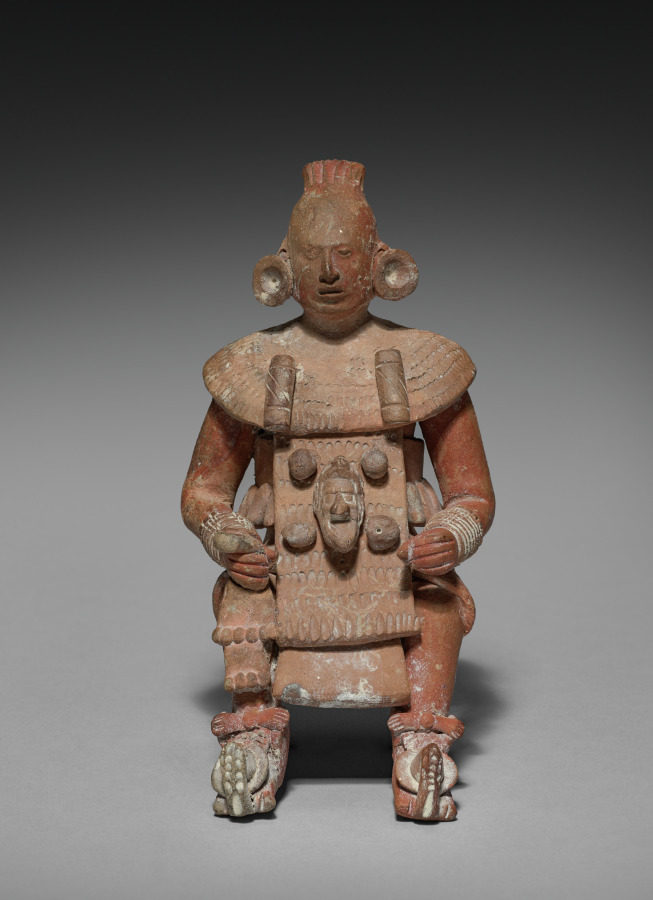
Seated Lord with Removable Headdress: Figure at the Cleveland Museum of Art: 600–800, ceramic and slip. Explore the work's context, creator attribution and collection history.
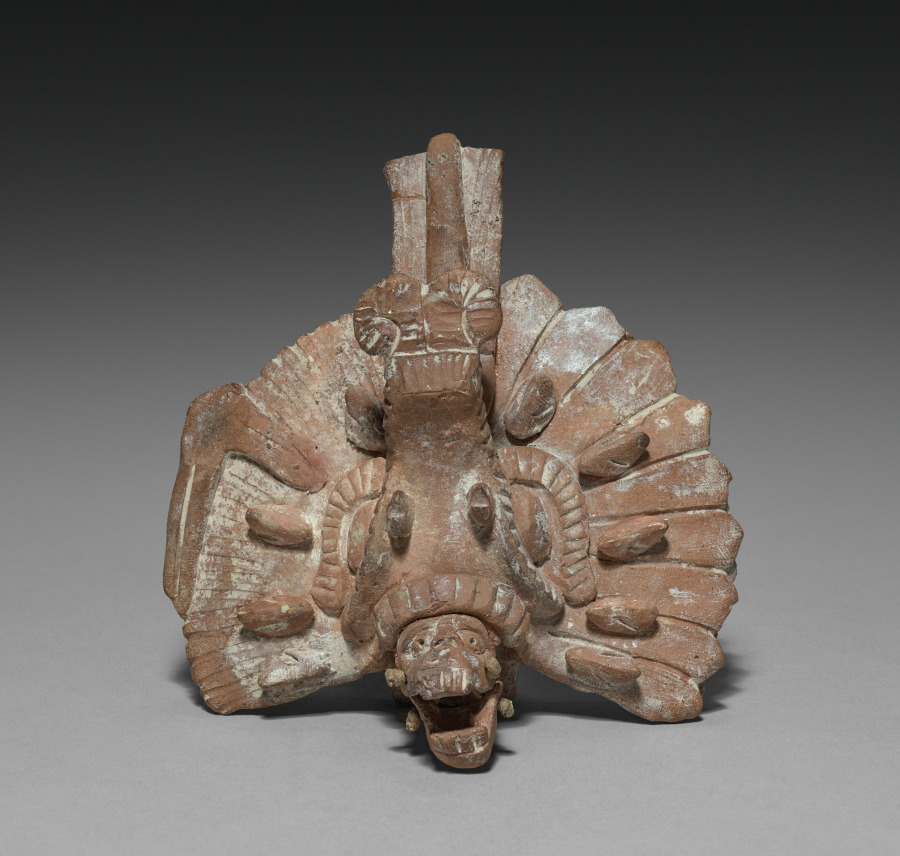
Seated Lord with Removable Headdress: Headdress at the Cleveland Museum of Art: 600–800, ceramic and slip. Explore the work's context, creator attribution and collection history.
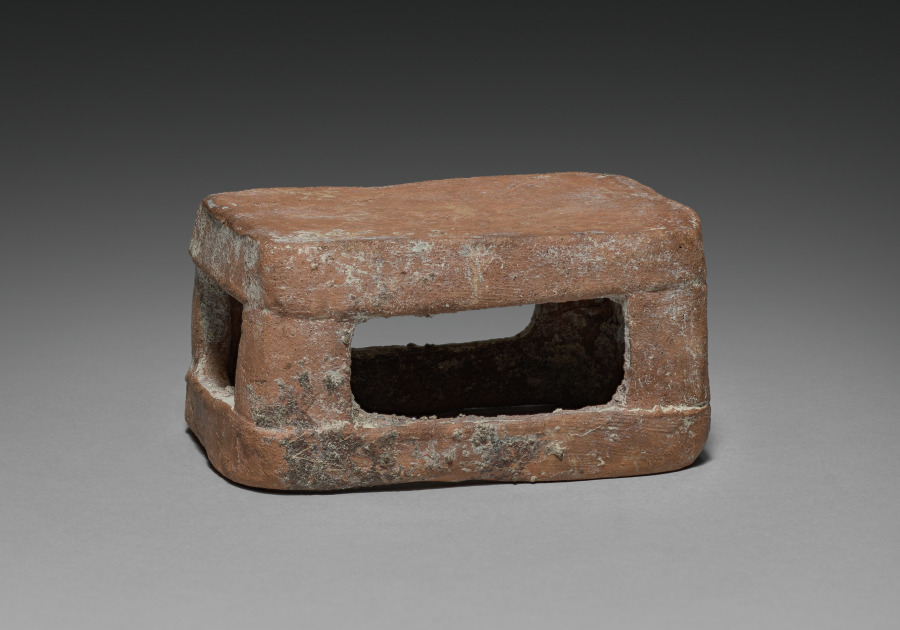
Seated Lord with Removable Headdress: Stool at the Cleveland Museum of Art: 600–800, ceramic and slip. Explore the work's context, creator attribution and collection history.
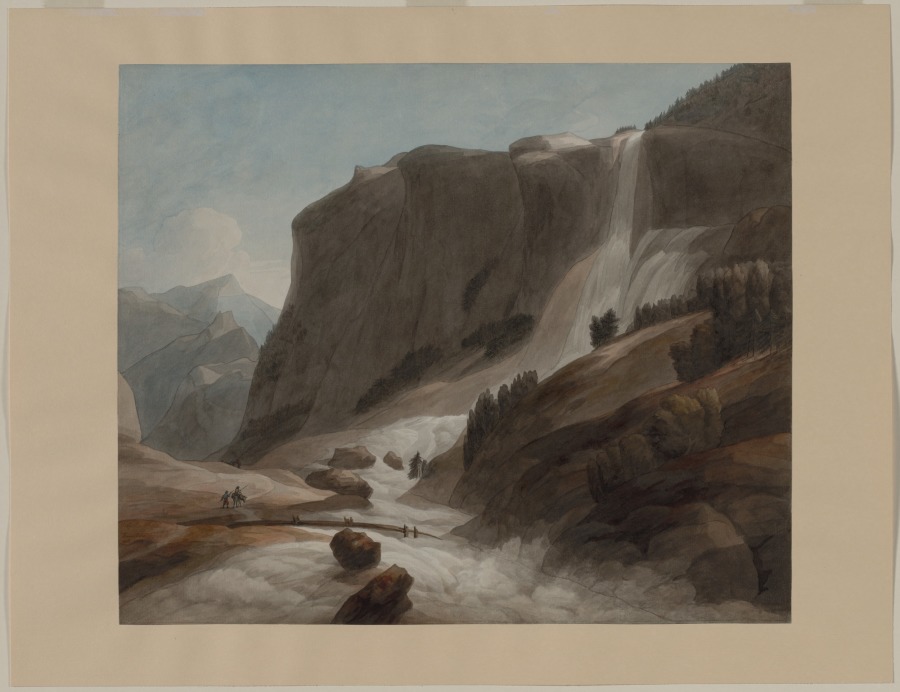
Waterfall between Chiavenna and Mount Splügen at the Cleveland Museum of Art: 1784, watercolor with graphite, point of brushwork, and selective glazing. Explore the work's context, creator attribution and collection history.
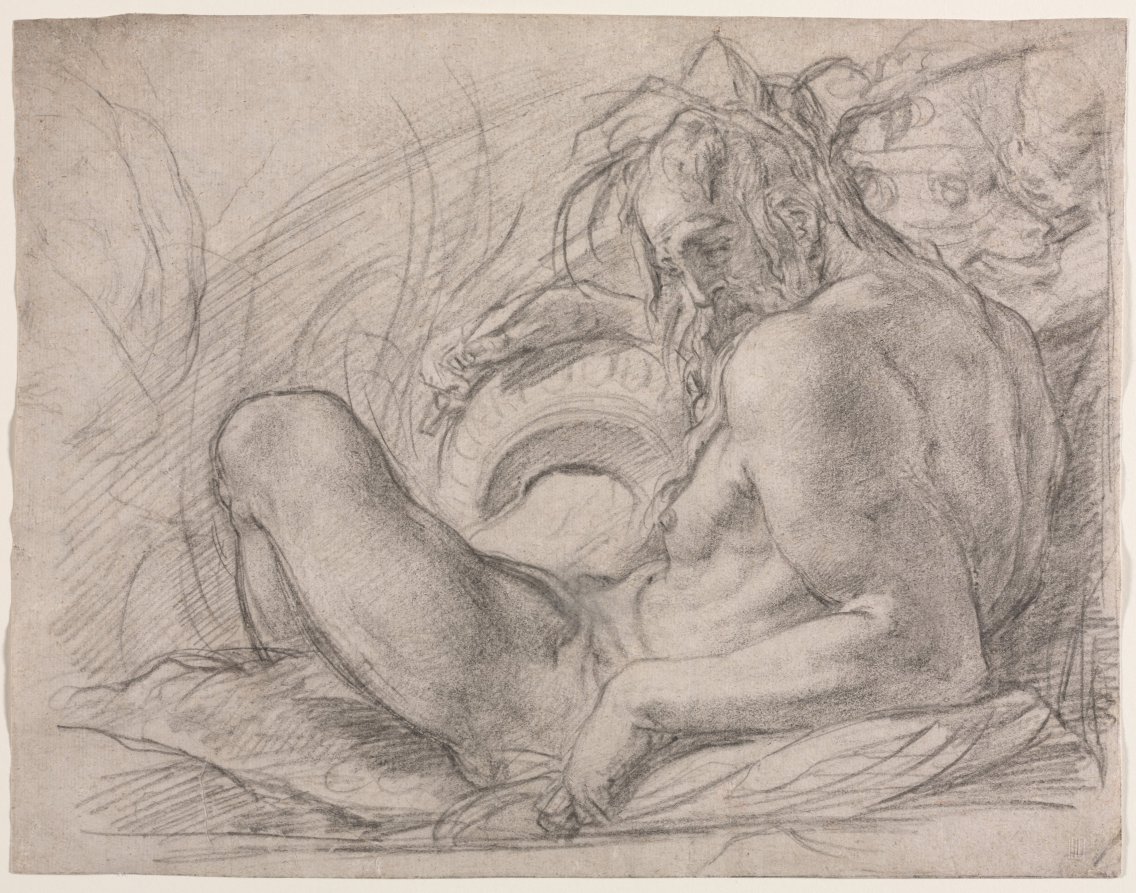
The River God Tiber (Study for a fresco, Miracle of the Snow, or the Foundation of Santa Maria Maggiore, Rome in the Canigiani chapel of S. Felicita, Florence) at the Cleveland Museum of Art: 1589, black chalk on antique laid paper. Explore

Cuirassier's Armor at the Cleveland Museum of Art: c. 1600–20, steel (originally blued, now black); leather straps. Explore the work's context, creator attribution and collection history.

Cuirassier's Armor: Helmet at the Cleveland Museum of Art: c. 1600–20, steel (originally blued, now black); leather straps. Explore the work's context, creator attribution and collection history.

Field Armor in Maximilian Style at the Cleveland Museum of Art: c. 1510–15, fluted steel with leather straps. Explore the work's context, creator attribution and collection history.

Field Armor in Maximilian Style: Helmet at the Cleveland Museum of Art: c. 1510–15, fluted steel with leather straps. Explore the work's context, creator attribution and collection history.
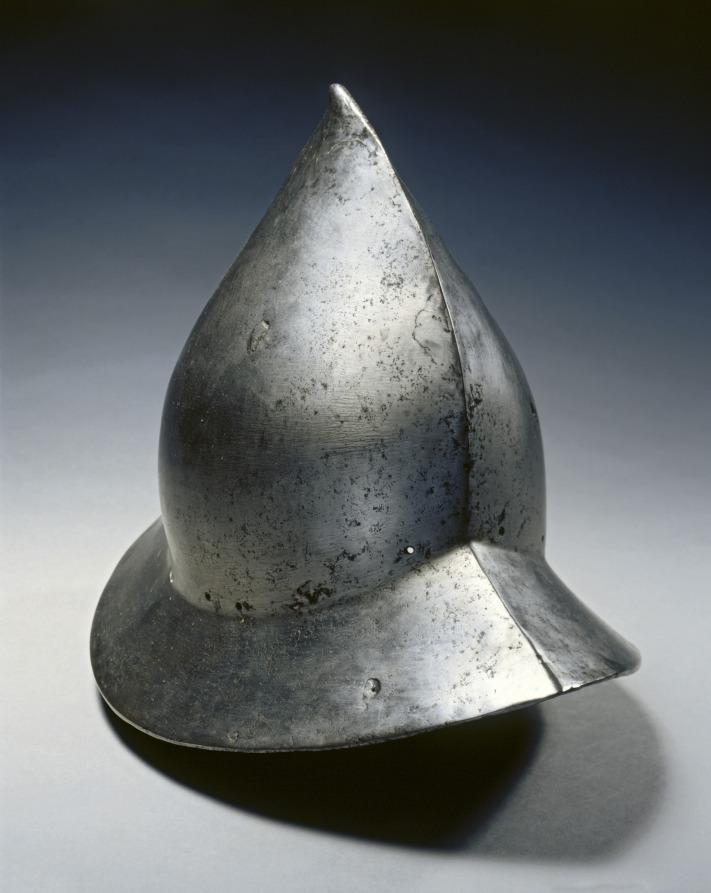
Cabacete (Helmet) at the Cleveland Museum of Art: c. 1480s–90s, steel. Explore the work's context, creator attribution and collection history.