Axe (c. 250–900 CE): Art, History and Details
Axe at the Cleveland Museum of Art: c. 250–900 CE, chipped flint. Explore the work's context, creator attribution and collection history.
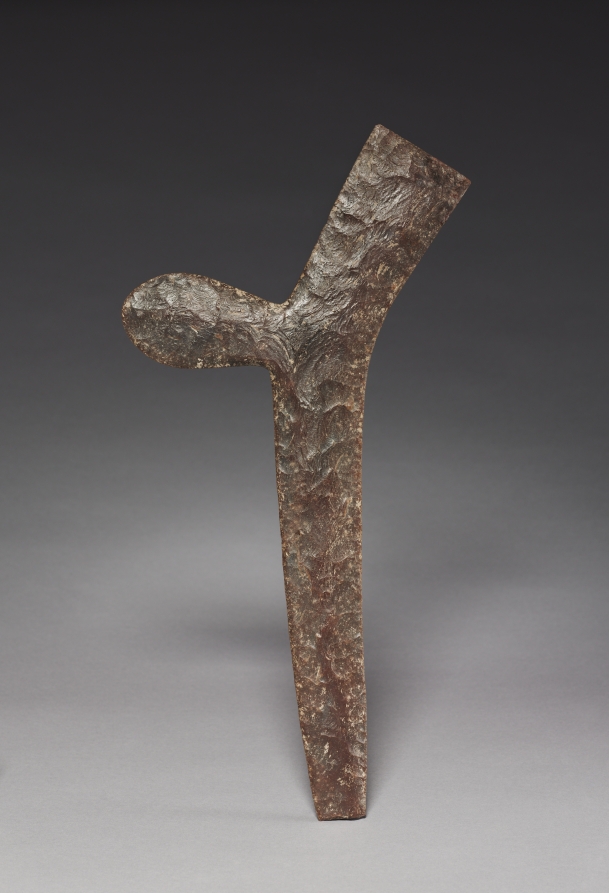
Axe (c. 250–900 CE) is in the Cleveland Museum of Art collection.
The work and its context
The museum's open-access catalogue describes the work:
Axes with stone blades and wooden hafts were used to clear land for planting. This more fragile example, made entirely of chipped flint, is a ceremonial version probably used in rituals before it was deposited in a tomb or an offering. Late Classic Maya vase paintings make the ceremonial associations of axes clear. In these painted scenes, axe-wielding deities dance among skeletons and supernatural animals, or raise the axe to strike a sacrificial victim.
Object facts
- Title: Axe
- Date: c. 250–900 CE
- Culture: Mexico or Central America, Maya
- Type: Tools and Equipment
- Technique: chipped flint
- Dimensions: Overall: 18 cm (7 1/16 in.)
- Collection: AA - Mesoamerica
- Department: Art of the Americas
- Accession number: 1997.170
Collection credit
John L. Severance Fund
View the collection record
See the museum's photographs and full catalogue entry. Catalogue text is reproduced from the Cleveland Museum of Art's open-access data, with HTML formatting removed. This object and its supplied image are designated CC0.
Sources
More in Lifestyle
Keep reading
Related stories