Axel Shaft Cup (c. 800–700 BCE): Art, History and Details
Axel Shaft Cup at the Cleveland Museum of Art: c. 800–700 BCE, bronze, cast. Explore the work's context, creator attribution and collection history.
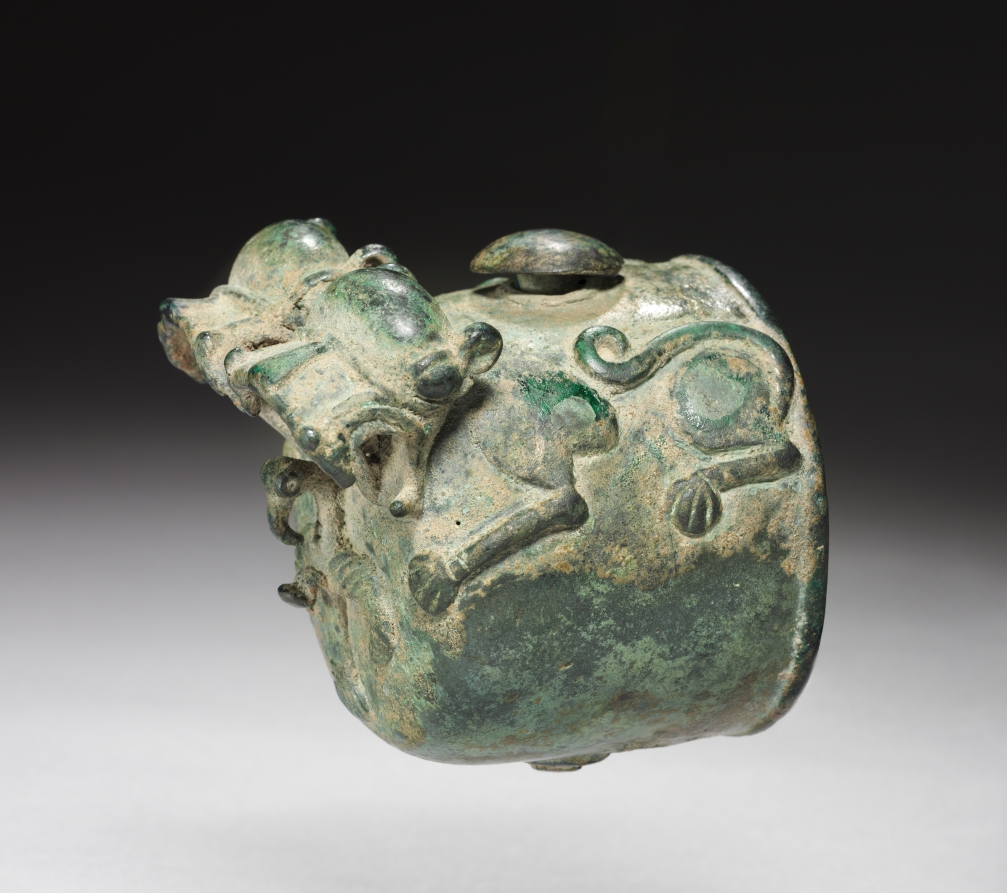
Axel Shaft Cup (c. 800–700 BCE) is in the Cleveland Museum of Art collection.
The work and its context
The museum's open-access catalogue describes the work:
Luristan, on Iran's western frontier, and Markik and Amlash in the north were sites of flourishing civilizations. However, since Luristan left little in the way of written records, all that we know about it has been guessed from their works of art. One of the ancient centers of the horse-breeding industry, Luristan is best known for its bronze objects, many of them horse or chariot trappings. Luristan supplied the Assyrian Empire not only with horses but also the hardware associated with them.
Object facts
- Title: Axel Shaft Cup
- Date: c. 800–700 BCE
- Culture: Iran, Luristan
- Type: Metalwork
- Technique: bronze, cast
- Dimensions: Diameter: 8.6 cm (3 3/8 in.); Overall: 7 cm (2 3/4 in.)
- Collection: Near Eastern Art
- Department: Egyptian and Ancient Near Eastern Art
- Accession number: 1930.729
Collection credit
The Charles W. Harkness Endowment Fund
Further reading listed by the museum
- "A Luristan Bronze." The Cleveland Museum of Art 18, no. 10 (December 1931): 191-192
View the collection record
See the museum's photographs and full catalogue entry. Catalogue text is reproduced from the Cleveland Museum of Art's open-access data, with HTML formatting removed. This object and its supplied image are designated CC0.
Sources
More in Lifestyle
Keep reading