Belt Ornament (918–1392): Art, History and Details
Belt Ornament at the Cleveland Museum of Art: 918–1392, bronze gilt. Explore the work's context, creator attribution and collection history.
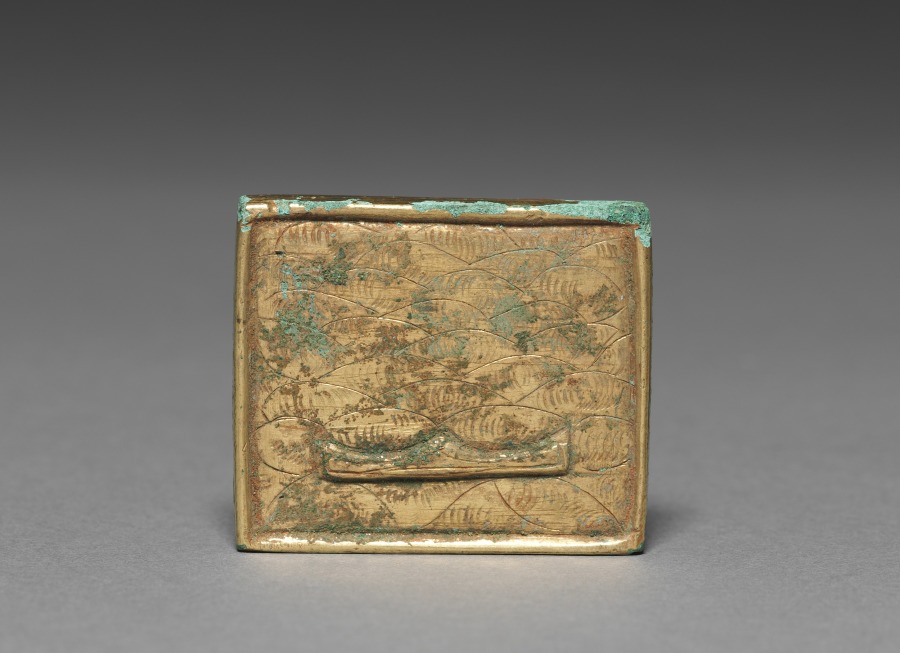
Belt Ornament (918–1392) is in the Cleveland Museum of Art collection.
The work and its context
The museum's open-access catalogue describes the work:
Metallurgy advanced remarkably in the Goryeo period (918-1392), explaining why a large quantity of sophisticated metal artifacts with delicate designs were used not only as daily accessories but also as burial goods. Belt ornaments like this example were fixed to leather belts.
Object facts
- Title: Belt Ornament
- Date: 918–1392
- Culture: Korea, Goryeo dynasty (918–1392)
- Type: Metalwork
- Technique: bronze gilt
- Dimensions: Overall: 3.9 x 4.5 cm (1 9/16 x 1 3/4 in.)
- Collection: Korean Art
- Department: Korean Art
- Accession number: 1917.1051
A detail from the museum
The Japanese antique dealer Yamanaka & Company, which opened its branches in New York (1895) and Boston (1899) sold small Korean archaeological materials such as this belt ornament to American collectors in the early 20th century.
Collection credit
Gift of the John Huntington Art and Polytechnic Trust
Further reading listed by the museum
- Choi, Eung-chon. “Metal Arts in the Late Goryeo Period [고려후기의 금속공예].” Kangjwa misulsa (2004): 125-156.
- Choi, Eung-chon. “Craftsmen in Metal Arts in the Goryeo Dynasty [고려시대 金屬工藝의 匠人].” Misulsahak yeongu (2004): 171-192.
- Goryeo Dynasty: Korea's Age of Enlightenment, 918-1392. San Francisco: Asian Art Museum, 2003.
View the collection record
See the museum's photographs and full catalogue entry. Catalogue text is reproduced from the Cleveland Museum of Art's open-access data, with HTML formatting removed. This object and its supplied image are designated CC0.
Sources
More in Lifestyle
Keep reading