Body Guard (Brigandine) (c. 1500–1525): Art, History and Details
Body Guard (Brigandine) at the Cleveland Museum of Art: c. 1500–1525, linen; gold velvet; steel; brass. Explore the work's context, creator attribution and collection history.
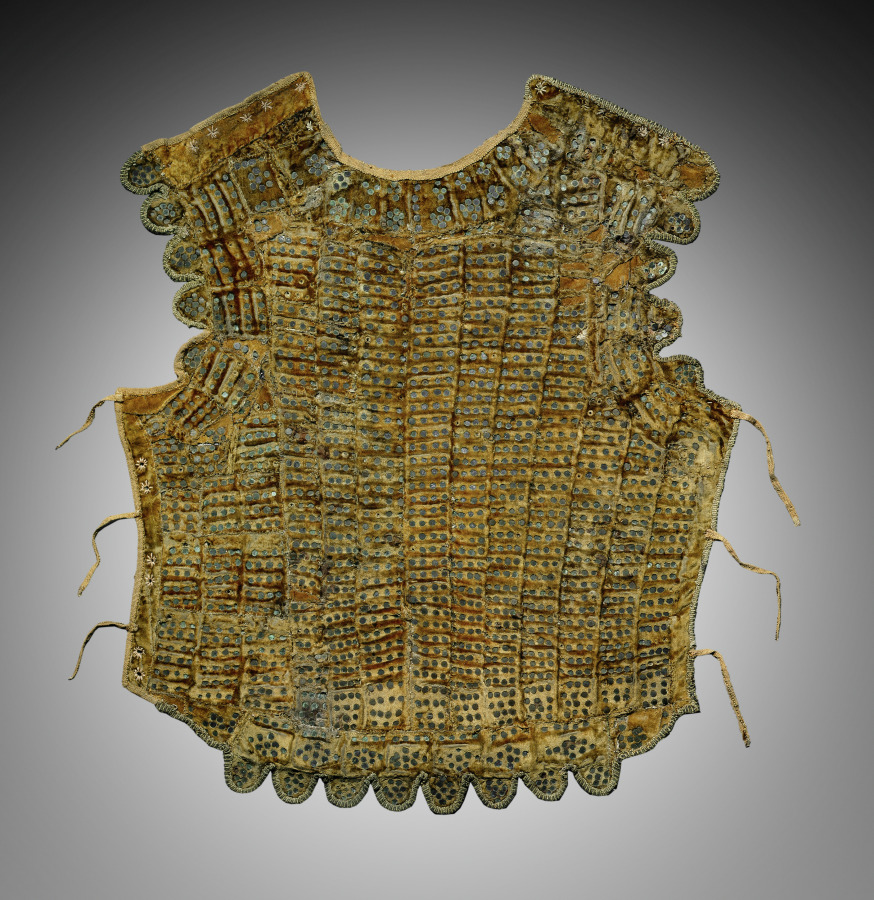
Body Guard (Brigandine) (c. 1500–1525) is in the Cleveland Museum of Art collection.
The work and its context
The museum's open-access catalogue describes the work:
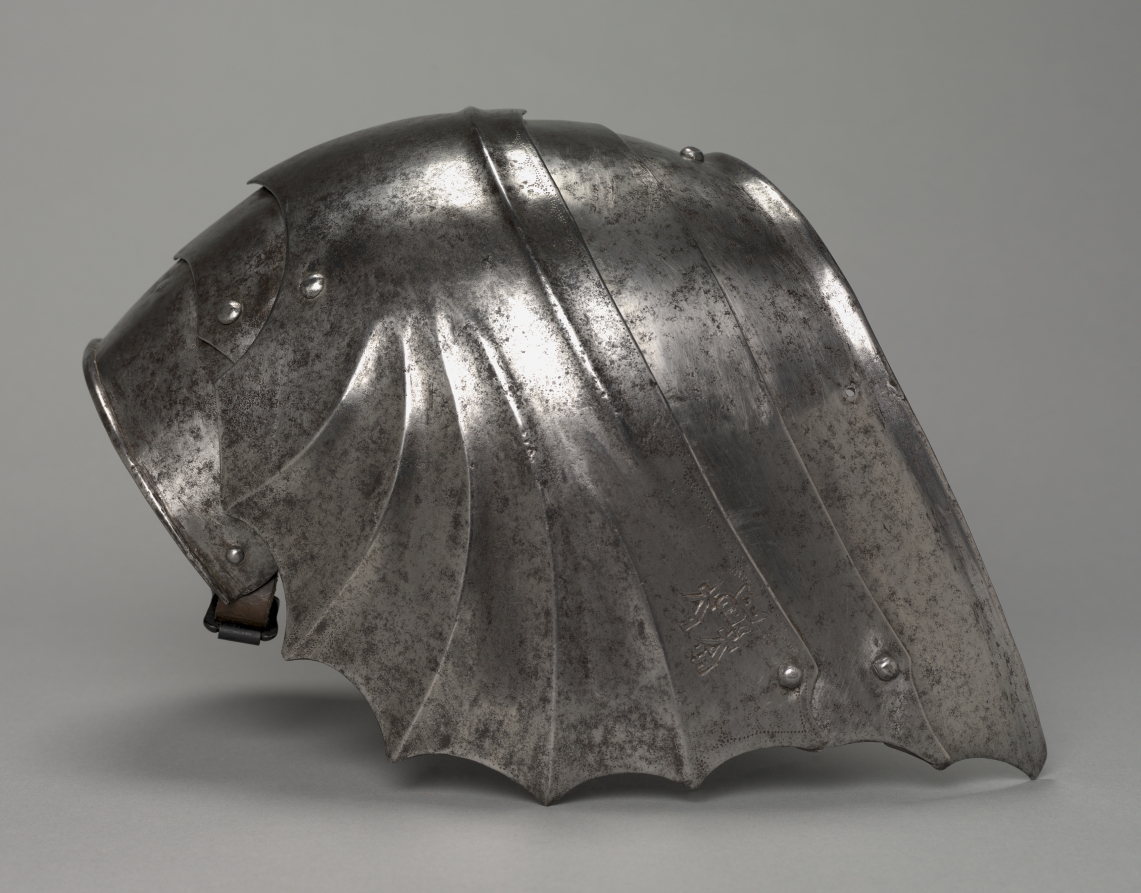
The brigandine is a light, vest-like body defense popular with both knights and infantry from the 1400s through about 1550. It is constructed of multiple small plates attached to a cloth covering. Finer examples, like this one, are faced in velvet or fabric made of gold thread. The lightweight brigandine provided protection from the weather, and was extremely flexible.
Object facts
- Title: Body Guard (Brigandine)
- Date: c. 1500–1525
- Culture: Italy(?)
- Type: Arms and Armor
- Technique: linen; gold velvet; steel; brass
- Dimensions: Overall: 56.5 x 47.6 cm (22 1/4 x 18 3/4 in.)
- Collection: MED - Arms & Armor
- Department: Medieval Art
- Accession number: 1921.1250
A detail from the museum
This vest only weighs about five and a half pounds, considerably lighter than plate armor.
Collection credit
Gift of Mr. and Mrs. John L. Severance
Further reading listed by the museum
- American Art Association. An Important Collection of Ancient Arms and Armor. 1921.
- Gilchrist, Helen Ives. A Catalogue of the Collection of Arms & Armor Presented to the Cleveland Museum of Art by Mr. and Mrs. John Long Severance; 1916-1923. Cleveland: The Cleveland Museum of Art, 1924.
- Gilchrist, Helen Ives. Handbook of the Severance Collection of Arms and Armor. Cleveland, Ohio: The Cleveland Museum of Art, 1948.
View the collection record
See the museum's photographs and full catalogue entry. Catalogue text is reproduced from the Cleveland Museum of Art's open-access data, with HTML formatting removed. This object and its supplied image are designated CC0.
Sources
More in Lifestyle
Keep reading