Bowl with Brushing Decorations (1400s–1500s): Art, History and Details
Bowl with Brushing Decorations at the Cleveland Museum of Art: 1400s–1500s, Clay, glaze. Explore the work's context, creator attribution and collection history.
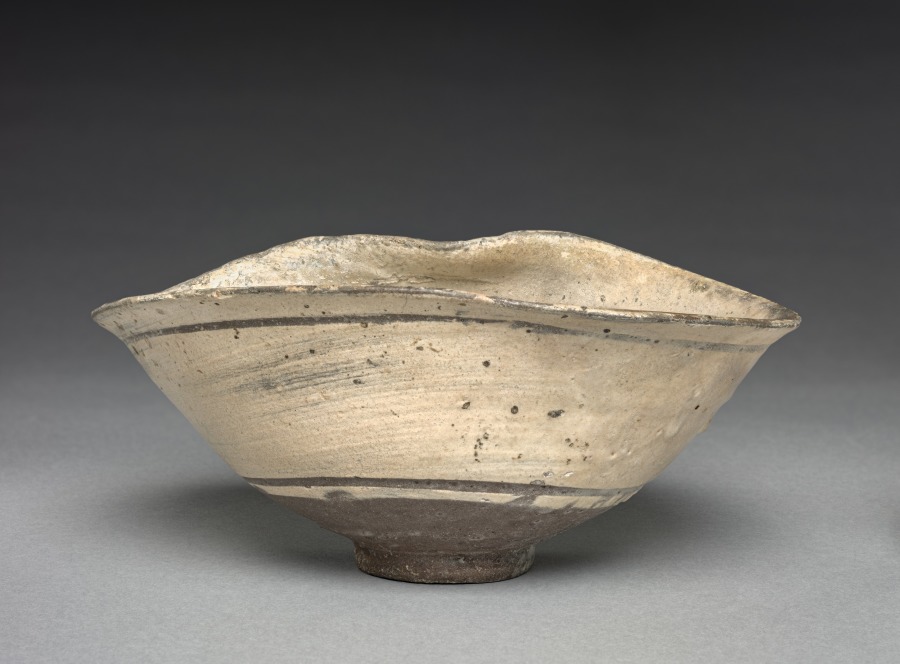
Bowl with Brushing Decorations (1400s–1500s) is in the Cleveland Museum of Art collection.
The work and its context
The museum's open-access catalogue describes the work:
This type of wide-mouthed bowl was used everyday in Korea, not exclusively for tea drinking. But when it was introduced to Japan around the early 1500s, its imperfect appearance evoking the aesthetics of wabi-sabi caused it to be repurposed as a tea bowl. Korean tea bowls were circulated as an item of foreign luxury among Japanese military elites. Many Korean potters were abducted to Japan during the Japanese invasions (1592–98) and some settled down in provinces such as in the Saga prefecture in Kyushu. Dislocated Korean potters are often credited for their leading role in the development of ceramic industry in Japan.
Object facts
- Title: Bowl with Brushing Decorations
- Date: 1400s–1500s
- Culture: Korea, Joseon dynasty (1392–1910)
- Type: Ceramic
- Technique: Clay, glaze
- Collection: Korean Art
- Department: Korean Art
- Accession number: 1970.559
A detail from the museum
This type of humble tea bowl was highly praised among Japanese collectors for its imperfect beauty.
Collection credit
Gift of Mrs. Karl Martoch
Further reading listed by the museum
- Park, Kyung-ja and Park Hyeong-soon. “Evolution of the Buncheong Wares in the Early Joseon Period as the White Porcelain Takes over the Taxation Supply [조선 전기 공납용 백자제작에 따른 분청사기 양식변화].” Misul sahak (2010): 291–321.
- Buncheong Ware [분청사기]. Seoul: Ehwa Woman’s University Museum, 2019.
View the collection record
See the museum's photographs and full catalogue entry. Catalogue text is reproduced from the Cleveland Museum of Art's open-access data, with HTML formatting removed. This object and its supplied image are designated CC0.
Sources
More in Lifestyle
Keep reading