Ear Spool (c. 400–900): Art, History and Details
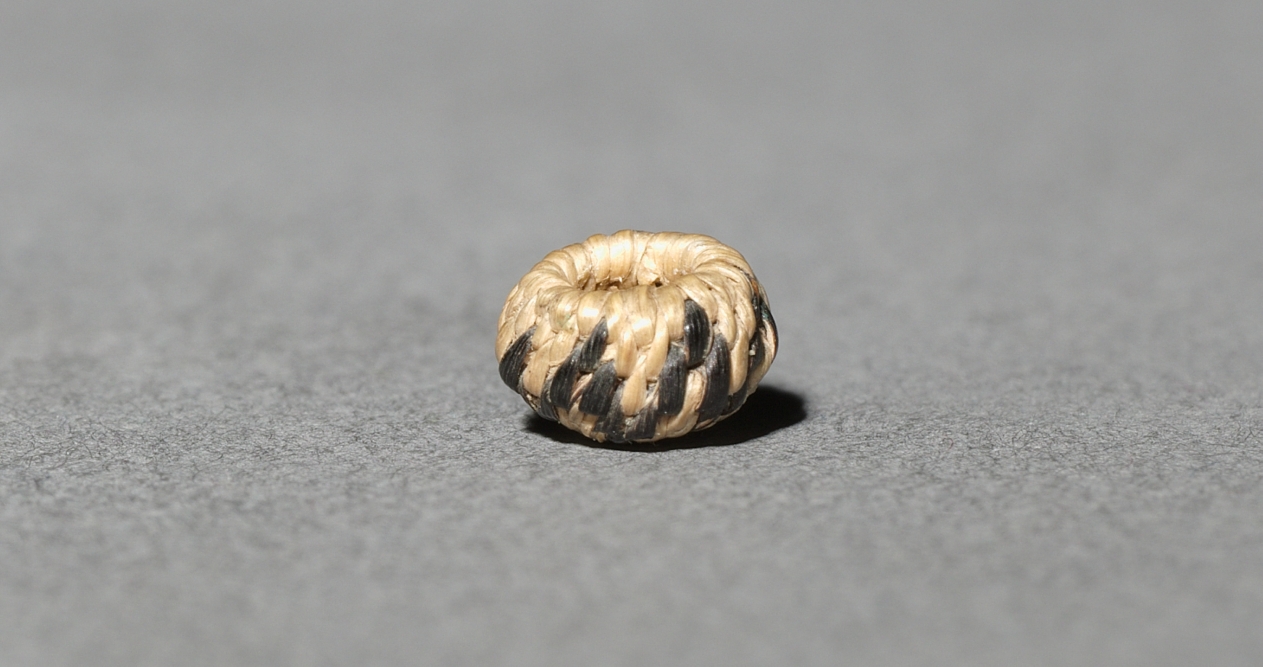
Ear Spool at the Cleveland Museum of Art: c. 400–900, hammered gold. Explore the work's context, creator attribution and collection history.
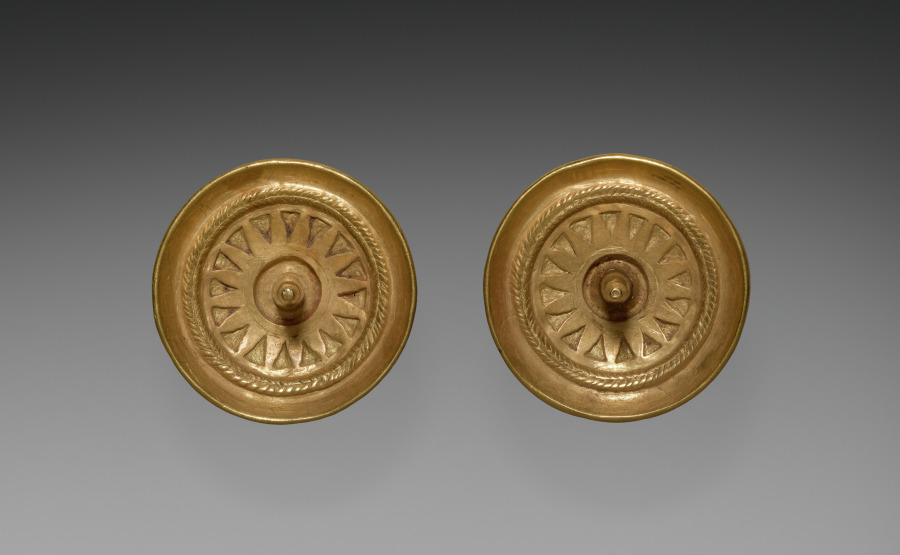
Ear Spool (c. 400–900) is in the Cleveland Museum of Art collection.
The work and its context
The museum's open-access catalogue describes the work:
Harvard archaeologists excavated the eight ornaments in this case from several burials at Sitio Conte, a cemetery famous for its lavish graves of powerful chieftains. The young man buried in Grave 26 was such a chief. His status was stunningly memorialized by 21 human companions and 475 objects, many of them personal ornaments made of gold, including the large chest plaque (no. 2) and the rod-shaped ear ornament (no. 3) shown here. The creature on the chest plaque, found close to the chief’s body, has reptile claws and perhaps the head crest of an iguana. Its meaning is unknown but perhaps, as in later periods, reptilian imagery and the warm gleam of gold linked rulers with the sun’s creative force.
Object facts
- Title: Ear Spool
- Date: c. 400–900
- Culture: Panama, Conte style, 5th - 10th century
- Type: Metalwork
- Technique: hammered gold
- Dimensions: Diameter: 3.1 cm (1 1/4 in.); Overall: 3.2 cm (1 1/4 in.)
- Collection: AA - Intermediate Region
- Department: Art of the Americas
- Accession number: 1958.191
Collection credit
Roberta Holden Bole Fund
Further reading listed by the museum
- Cleveland Museum of Art. The CMA Companion: A Guide to the Cleveland Museum of Art. Cleveland: Cleveland Museum of Art, 2014.
View the collection record
See the museum's photographs and full catalogue entry. Catalogue text is reproduced from the Cleveland Museum of Art's open-access data, with HTML formatting removed. This object and its supplied image are designated CC0.
Sources
More in Lifestyle
Keep reading