Eggs of a Stone-curlew or Plover (1900s): Art, History and Details
Eggs of a Stone-curlew or Plover at the Cleveland Museum of Art: 1900s, silver print on printing out paper. Explore the work's context, creator attribution and collection history.
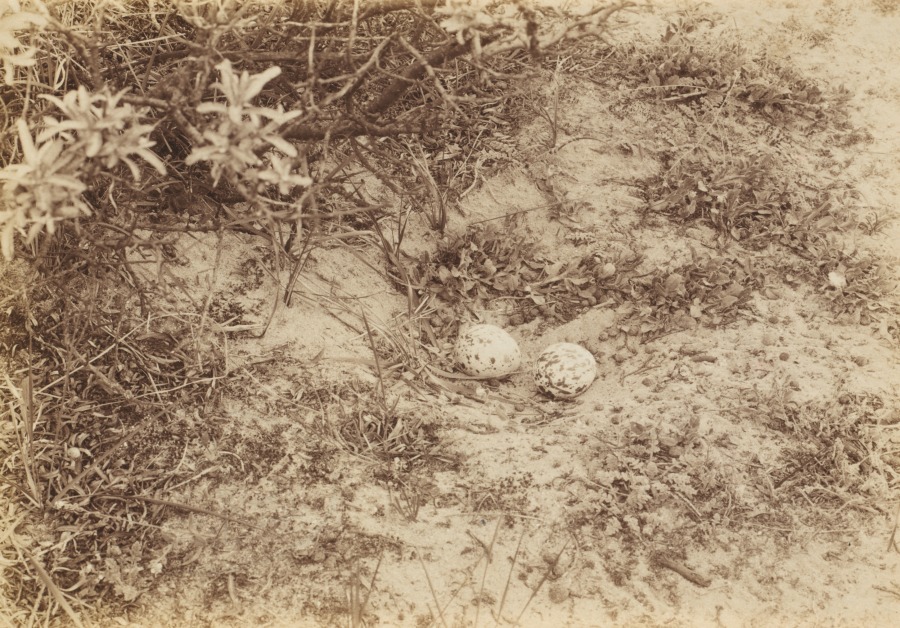
Eggs of a Stone-curlew or Plover (1900s) is in the Cleveland Museum of Art collection. The museum's creator attribution is Richard Tepe (Netherlandish, 1864–1952).
The work and its context
The museum's open-access catalogue describes the work:
Dedicated to wildlife and natural habitat preservation, Tepe helped bring nature photography into the fine art world. He exhibited his photographs and published articles and pictures in both natural history and art magazines.
Object facts
- Title: Eggs of a Stone-curlew or Plover
- Date: 1900s
- Creator attribution: Richard Tepe (Netherlandish, 1864–1952)
- Culture: Netherlands
- Type: Photograph
- Technique: silver print on printing out paper
- Dimensions: Image: 11.7 x 16.8 cm (4 5/8 x 6 5/8 in.)
- Collection: PH - Misc. 20th Century
- Department: Photography
- Accession number: 2007.128
Collection credit
John L. Severance Fund
Further reading listed by the museum
- Cleveland Museum of Art, Tom E. Hinson, Ian Walker, and Lisa Kurzner. Forbidden Games: Surrealist and Modernist Photography : the David Raymond Collection in the Cleveland Museum of Art. 2014.
View the collection record
See the museum's photographs and full catalogue entry. Catalogue text is reproduced from the Cleveland Museum of Art's open-access data, with HTML formatting removed. This object and its supplied image are designated CC0.
Sources
More in Lifestyle
Keep reading