Famous Views of Ōmi (1660s–90s): Art, History and Details
Famous Views of Ōmi at the Cleveland Museum of Art: 1660s–90s, pair of six-panel folding screens; ink, color, and gold on gilded paper. Explore the work's context, creator attribution and collection history.
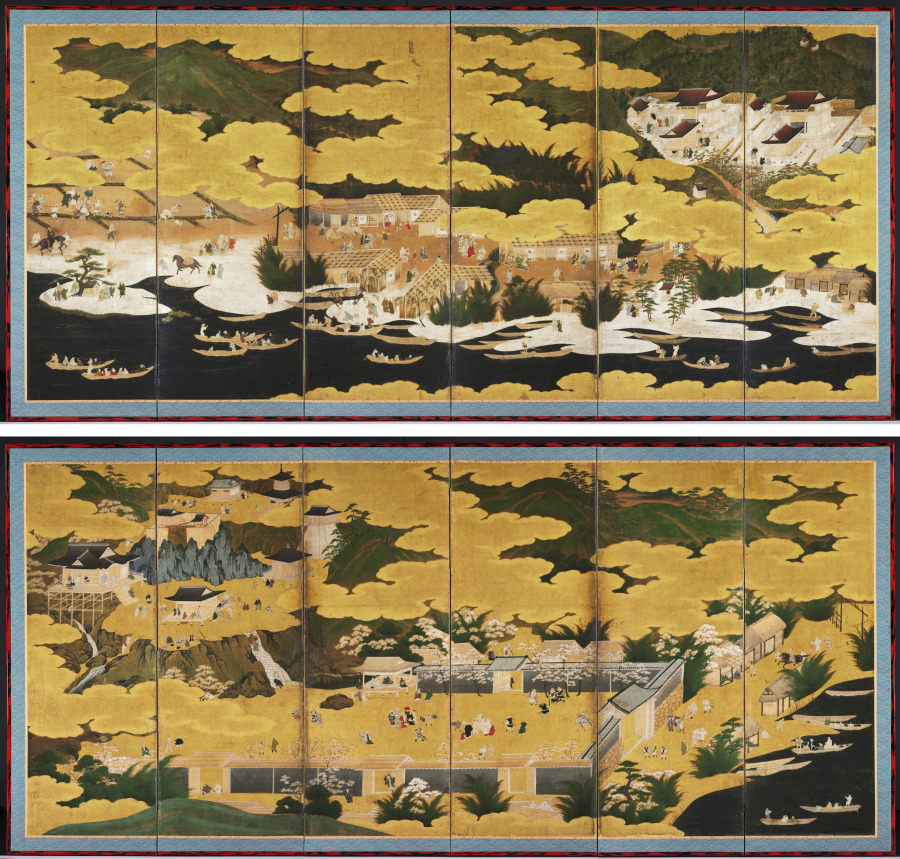
Famous Views of Ōmi (1660s–90s) is in the Cleveland Museum of Art collection.
The work and its context
The museum's open-access catalogue describes the work:
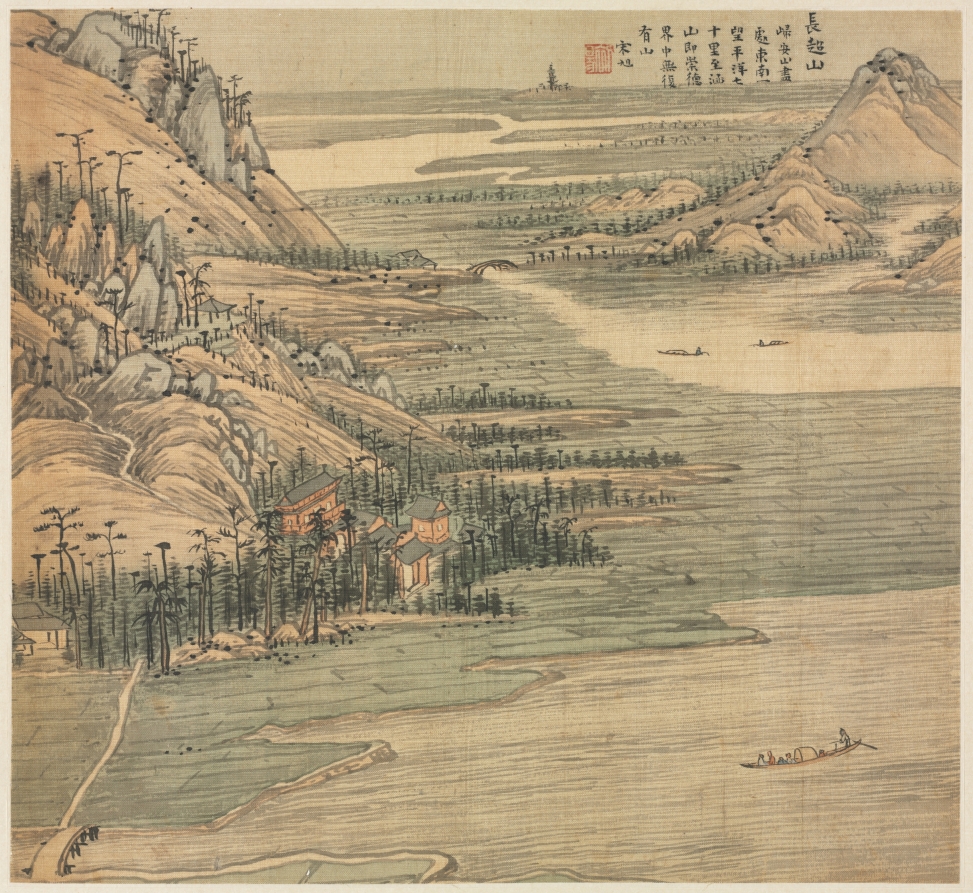
Ōmi is an area around Lake Biwa near Kyoto. The Shinto shrine Hiyoshi Taisha and the Buddhist temple Ishiyamadera are in the upper right and upper left of the composition, respectively. At center is the pilgrimage route, and people in the town before the temple gates. Harvested rice fields at right and cherry blossom trees in flower at left show seasonal change from winter to spring.
Object facts
- Title: Famous Views of Ōmi
- Date: 1660s–90s
- Culture: Japan, Edo period (1615–1868)
- Type: Painting
- Technique: pair of six-panel folding screens; ink, color, and gold on gilded paper
- Dimensions: Overall: 170 x 336 cm (66 15/16 x 132 5/16 in.)
- Collection: ASIAN - Folding screen
- Department: Japanese Art
- Accession number: 1983.19
Collection credit
Purchase from the J. H. Wade Fund
Further reading listed by the museum
- Cunningham, Michael R. “Byōbu: The Art of the Japanese Screen.” The Bulletin of the Cleveland Museum of Art 71, no. 7 (September 1984): 223–232.
- Tōyō kaiga no seika: tokubetsuten: Kurīvurando Bijutsukan no korekushon kara [東洋絵画の精華: 特别展: クリーヴラント美術館のコレクションから= Highlights of Asian painting from the Cleveland Museum of Art]. Nara, Japan: Nara National Museum, 1998.
- Cunningham, Michael R. Unfolding Beauty: Japanese Screens from the Cleveland Museum of Art. Cleveland, OH: Cleveland Museum of Art, 2001.
View the collection record
See the museum's photographs and full catalogue entry. Catalogue text is reproduced from the Cleveland Museum of Art's open-access data, with HTML formatting removed. This object and its supplied image are designated CC0.
Sources
More in Lifestyle
Keep reading