Gluttony (Land of Cockaigne) (1560s (later restrike)): Art, History and Details
Gluttony (Land of Cockaigne) at the Cleveland Museum of Art: 1560s (later restrike), engraving. Explore the work's context, creator attribution and collection history.
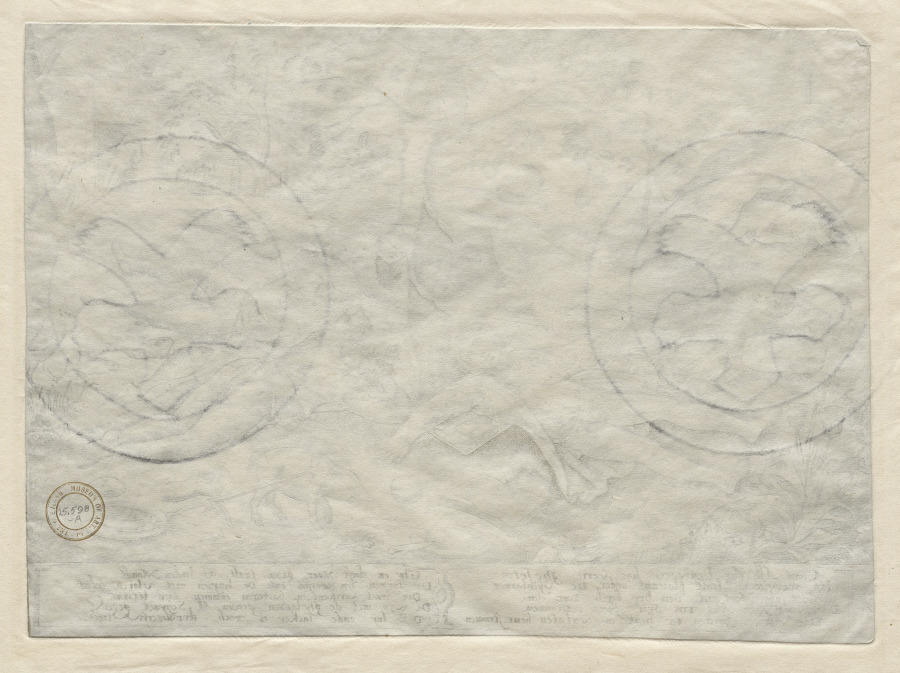
Gluttony (Land of Cockaigne) (1560s (later restrike)) is in the Cleveland Museum of Art collection. The museum's creator attribution is Peeter Baltens (Flemish, 1526/28–before 1584).
The work and its context
The museum's open-access catalogue describes the work:
The copperplate for this print was engraved with a lozenge-section burin in Antwerp (in present-day Belgium)—an important center for print publishing—in the 1560s. The subject is an imaginary land of ease and luxury, where food falls from trees (the Land of Cockaigne, or Luilekkerland in Dutch). To engrave, a copperplate is balanced on a sandbag. The sandbag allows the engraver to adjust the plate’s position while slowly guiding the burin to remove the copper. Rather than moving the hand in a pushing motion, the engraver forces the copperplate into the tool, rotating or tilting on the sandbag as necessary, while keeping the hand relatively still. This impression taken from the plate was printed in the early 1900s. Note that the image prints in reverse compared to how it appears on the copperplate.
Object facts
- Title: Gluttony (Land of Cockaigne)
- Date: 1560s (later restrike)
- Creator attribution: Peeter Baltens (Flemish, 1526/28–before 1584)
- Culture: Flanders
- Type: Print
- Technique: engraving
- Collection: PR - Engraving
- Department: Prints
- Accession number: 1925.598.1
Collection credit
Gift of FitzRoy Carrington
View the collection record
See the museum's photographs and full catalogue entry. Catalogue text is reproduced from the Cleveland Museum of Art's open-access data, with HTML formatting removed. This object and its supplied image are designated CC0.
Sources
More in Lifestyle
Keep reading