Headrest (c. 1910): Art, History and Details
Headrest at the Cleveland Museum of Art: c. 1910, wood. Explore the work's context, creator attribution and collection history.
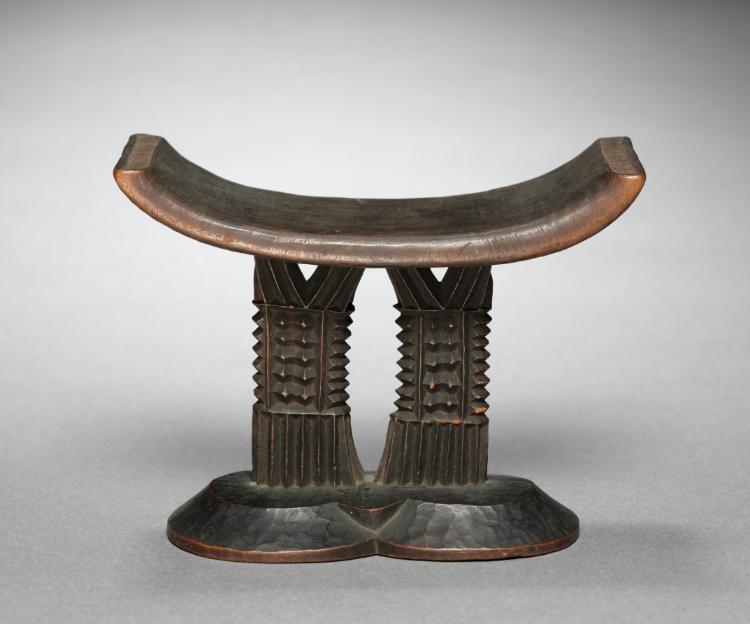
Headrest (c. 1910) is in the Cleveland Museum of Art collection.
The work and its context
The museum's open-access catalogue describes the work:
Headrests allowed Shona men to protect their elaborate braids. Placed under the neck or chin, frequent contact with hair and hairdressing products darkened its top. Tool marks show how it was smoothed only where the skin would make contact. Linked intimately to their owner, headrests often became burial goods or heirlooms. Recent research suggests Shona headrests symbolized women; small projections on the supports likely reference scarification marks worn by women of marrying age. As only mature men used headrests, it reinforces their female symbolism and women’s societal importance as wives.
Object facts
- Title: Headrest
- Date: c. 1910
- Culture: Southern Africa, Zimbabwe or Mozambique, Shona-style blacksmith-carver
- Type: Furniture and woodwork
- Technique: wood
- Dimensions: Overall: 13.4 x 17.8 cm (5 1/4 x 7 in.)
- Collection: African Art
- Department: African Art
- Accession number: 1921.1548
Collection credit
Gift of W. A. Price
View the collection record
See the museum's photographs and full catalogue entry. Catalogue text is reproduced from the Cleveland Museum of Art's open-access data, with HTML formatting removed. This object and its supplied image are designated CC0.
Sources
More in Lifestyle
Keep reading