Jar (1700s): Art, History and Details
Jar at the Cleveland Museum of Art: 1700s, glazed porcelain. Explore the work's context, creator attribution and collection history.
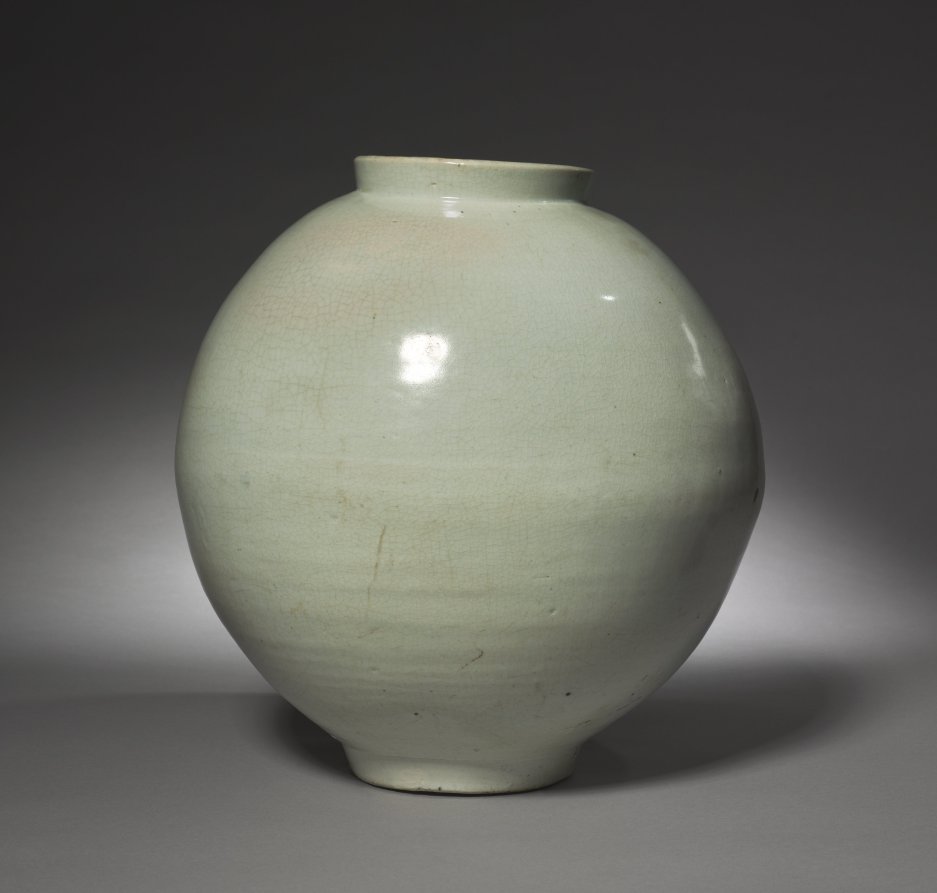
Jar (1700s) is in the Cleveland Museum of Art collection.
The work and its context
The museum's open-access catalogue describes the work:
This white jar reflects values of frugality and pragmatism, political ideals encouraged by the ruling house’s government. The absence of underglaze cobalt blue decoration could be the artist’s response to the socioeconomic crisis caused by famines in the late 1600s. The Korean ruling house then enforced strict laws banning luxuries, including cobalt blue, to preserve state finances. Such challenges did not stop the artist from experimenting with a new aesthetics. The concept of minimalism, often phrased as “less is more,” is powerfully exercised in this jar.
Object facts
- Title: Jar
- Date: 1700s
- Culture: Korea, Joseon dynasty (1392–1910)
- Type: Ceramic
- Technique: glazed porcelain
- Dimensions: Overall: 34.3 cm (13 1/2 in.); Outer diameter: 31.6 cm (12 7/16 in.)
- Collection: Korean Art
- Department: Korean Art
- Accession number: 1983.28
A detail from the museum
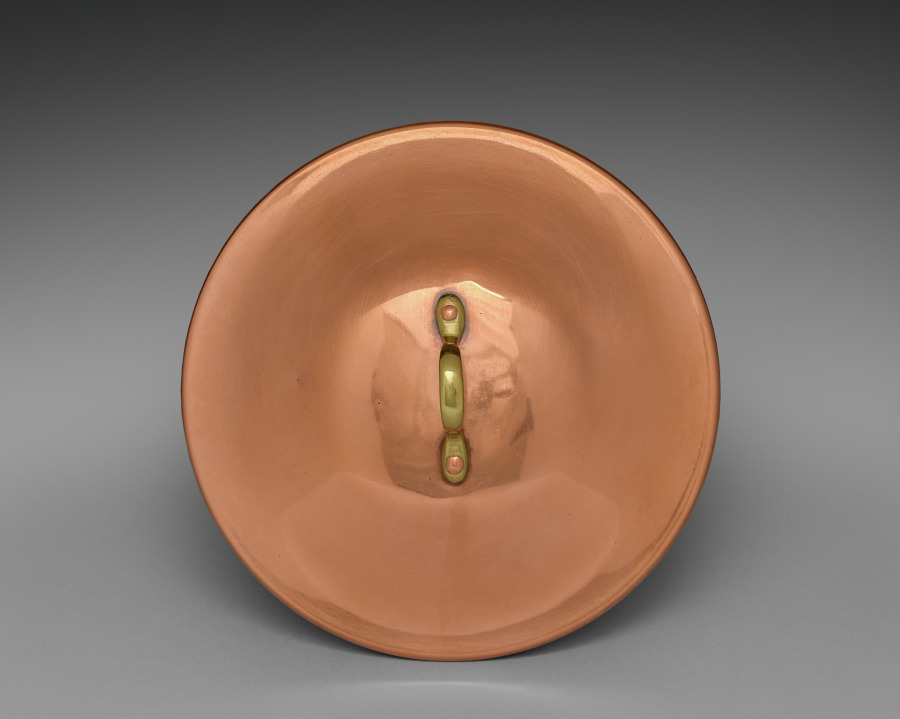
Known as a “moon” jar, this vessel is named for its circular form and color.
Collection credit
Purchase from the J. H. Wade Fund
Further reading listed by the museum
- White Porcelain Jars: Embracing the Joseon ideals and Rituals [백자 항아리: 조선의 인과 예를 담다]. Seoul: National Museum of Korea, 2010.
- Kang, Kyeong-sook. History of Korean Ceramics [韓國陶磁史]. Seoul: Yekyong, 2012.
- Treasures from Korea: Arts and Culture of the Joseon Dynasty, 1392-1910. Philadelphia: Philadelphia Museum of Art, 2014.
View the collection record
See the museum's photographs and full catalogue entry. Catalogue text is reproduced from the Cleveland Museum of Art's open-access data, with HTML formatting removed. This object and its supplied image are designated CC0.
Sources
More in Lifestyle
Keep reading