Lute or Tiorbino (c. 1620): Art, History and Details
Lute or Tiorbino at the Cleveland Museum of Art: c. 1620, wood. Explore the work's context, creator attribution and collection history.
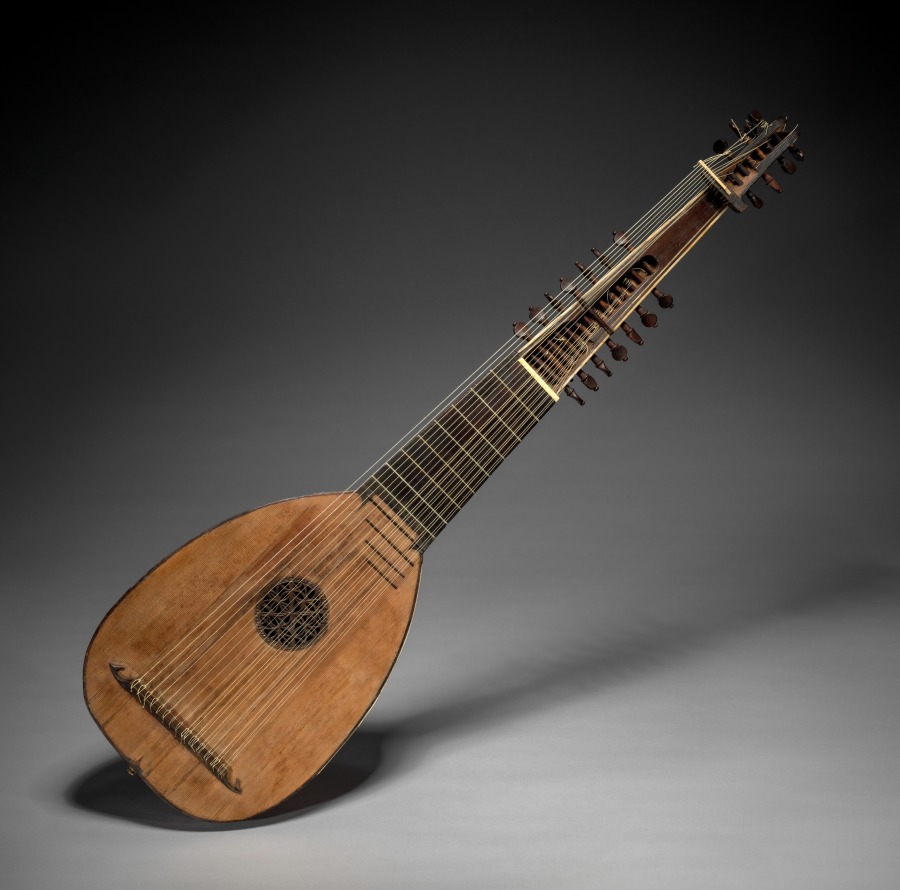
Lute or Tiorbino (c. 1620) is in the Cleveland Museum of Art collection.
The work and its context
The museum's open-access catalogue describes the work:
The lute was the most important musical instrument in secular settings throughout the 16th and 17th centuries. Not only a virtuoso instrument with a huge repertoire, the lute provided the ideal accompaniment for the voice, played an essential role in ensembles, figured in masques and operas, and was played by amateurs as well as professionals. A highly specialized instrument, this tiorbino is a type of long-necked lute resembling a theorbo, but significantly smaller and pitched an octave higher. An object of great rarity, it is one of the smallest Baroque tiorbinos to survive.
Object facts
- Title: Lute or Tiorbino
- Date: c. 1620
- Culture: Italy, probably made in the mid-17th century, but modified by later repair
- Type: Musical Instrument
- Technique: wood
- Dimensions: Overall: 100.7 x 27.7 cm (39 5/8 x 10 7/8 in.)
- Collection: Decorative Arts
- Department: Decorative Art and Design
- Accession number: 1918.368
Collection credit
The Charles G. King Jr. collection; Gift of Ralph King in memory of Charles G. King Jr.
Further reading listed by the museum
- "Accessions." The Bulletin of the Cleveland Museum of Art 5, no. 8/9 (1918): 82-85.
- D. S. M. "Exhibition of Musical Instruments." The Bulletin of the Cleveland Museum of Art 8, no. 9 (1921): 134-43.
View the collection record
See the museum's photographs and full catalogue entry. Catalogue text is reproduced from the Cleveland Museum of Art's open-access data, with HTML formatting removed. This object and its supplied image are designated CC0.
Sources
More in Lifestyle
Keep reading