Miniature from a Manuscript of the Apocalypse: The Fall of Babylon (c. 1295): Art, History and Details
Miniature from a Manuscript of the Apocalypse: The Fall of Babylon at the Cleveland Museum of Art: c. 1295, ink, tempera, and gold on vellum. Explore the work's context, creator attribution and collection history.
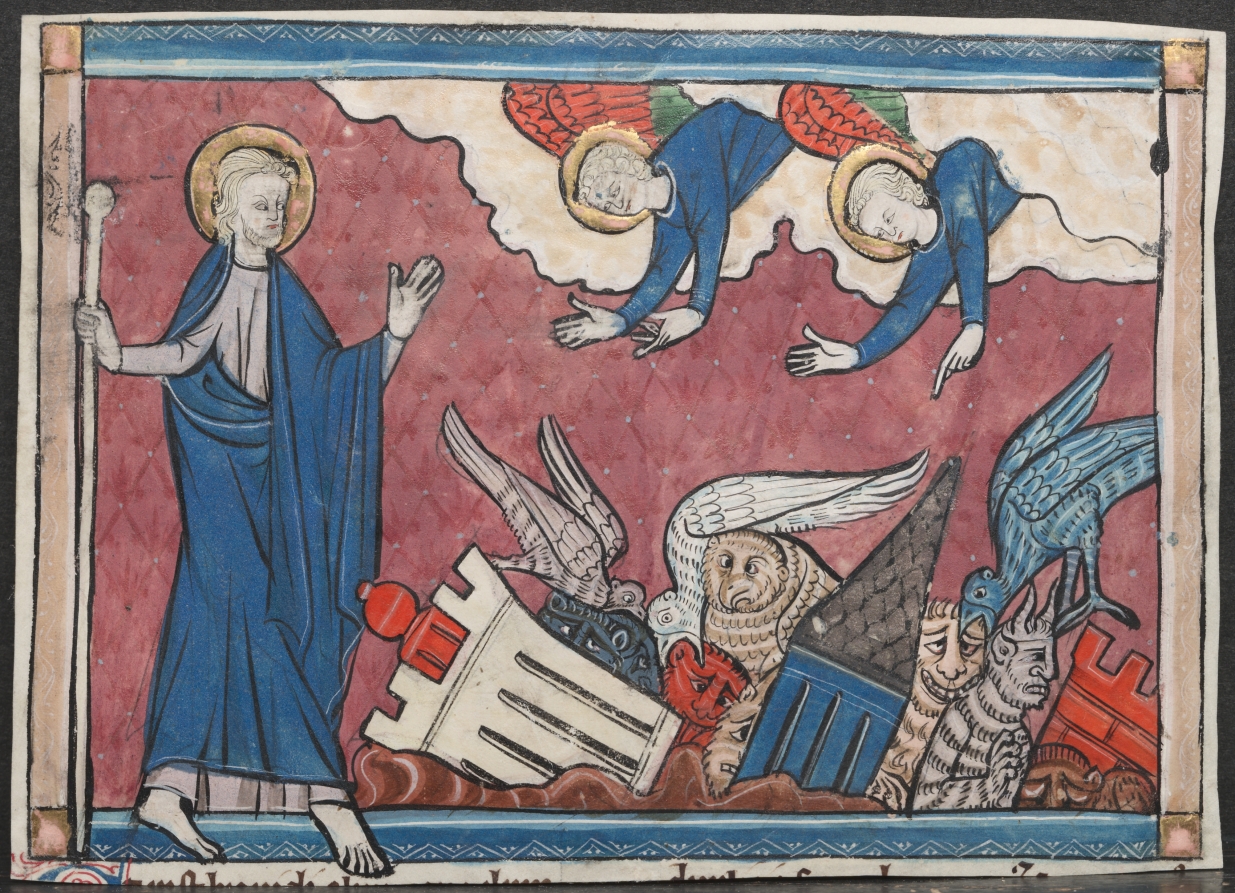
Miniature from a Manuscript of the Apocalypse: The Fall of Babylon (c. 1295) is in the Cleveland Museum of Art collection.
The work and its context
The museum's open-access catalogue describes the work:
The visionary text of St. John the Evangelist's Apocalypse, the final book of the New Testament, inspired these images of salvation, sin, and divine retribution. A large number of illustrated volumes of the Apocalypse appeared in Northern Europe, especially in England, after the year 1240--perhaps reflecting a fear of the world's end. These miniatures come from a manuscript produced in Lorraine, then artistically influenced by English models.
Object facts
- Title: Miniature from a Manuscript of the Apocalypse: The Fall of Babylon
- Date: c. 1295
- Culture: France, Lorraine
- Type: Manuscript
- Technique: ink, tempera, and gold on vellum
- Dimensions: Sheet: 10.4 x 14.6 cm (4 1/8 x 5 3/4 in.)
- Collection: MED - Manuscript Illuminations
- Department: Medieval Art
- Accession number: 1983.73.1.b
Collection credit
Mr. and Mrs. William H. Marlatt Fund
View the collection record
See the museum's photographs and full catalogue entry. Catalogue text is reproduced from the Cleveland Museum of Art's open-access data, with HTML formatting removed. This object and its supplied image are designated CC0.
Sources
More in Lifestyle
Keep reading