Printed Book of Hours (Use of Rome): fol. 109r, Mary Magdalene (1510): Art, History and Details
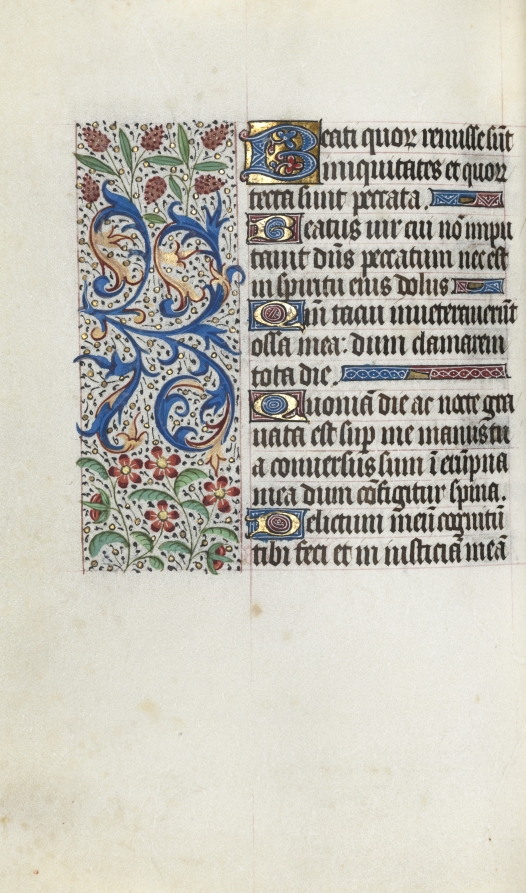
Printed Book of Hours (Use of Rome): fol. 109r, Mary Magdalene at the Cleveland Museum of Art: 1510, 112 printed folios on parchment, bound. Explore the work's context, creator attribution and collection history.
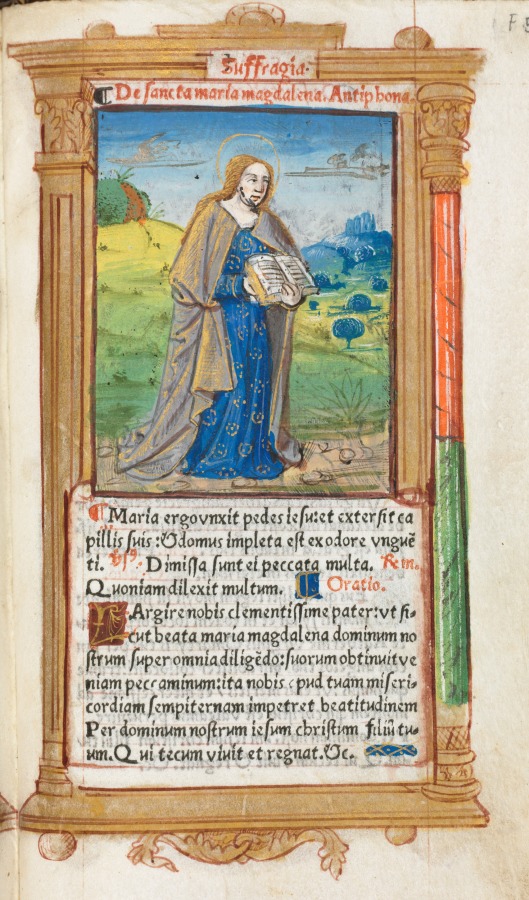
Printed Book of Hours (Use of Rome): fol. 109r, Mary Magdalene (1510) is in the Cleveland Museum of Art collection. The museum's creator attribution is Guillaume Le Rouge (French, Paris, active 1493–1517).
The work and its context
The museum's open-access catalogue describes the work:
Printed books of hours were produced between 1485 and 1520. Significantly less expensive than handwritten production, printing made books of hours’ popularity soar. More than 1,775 different versions were printed during this time, allowing much customization. This hybrid version has printed text but hand-colored images and comes from Paris, a major center of book production. Open to the suffrages, indicated in red at the top, one page is devoted to Saint Anne and one to Mary Magdalene. Other versions of this book of hours have less color and attention to detail, indicating a higher price paid for this edition.
Object facts
- Title: Printed Book of Hours (Use of Rome): fol. 109r, Mary Magdalene
- Date: 1510
- Creator attribution: Guillaume Le Rouge (French, Paris, active 1493–1517)
- Culture: France, Paris
- Type: Bound Volume
- Technique: 112 printed folios on parchment, bound
- Collection: MED - Manuscript Illuminations
- Department: Medieval Art
- Accession number: 2009.276.109.a
A detail from the museum
A typical book of hours contains around a dozen suffrages, also known as memorials, from the Latin memoriae.
Collection credit
Purchase from the J. H. Wade Fund
View the collection record
See the museum's photographs and full catalogue entry. Catalogue text is reproduced from the Cleveland Museum of Art's open-access data, with HTML formatting removed. This object and its supplied image are designated CC0.
Sources
More in Lifestyle
Keep reading