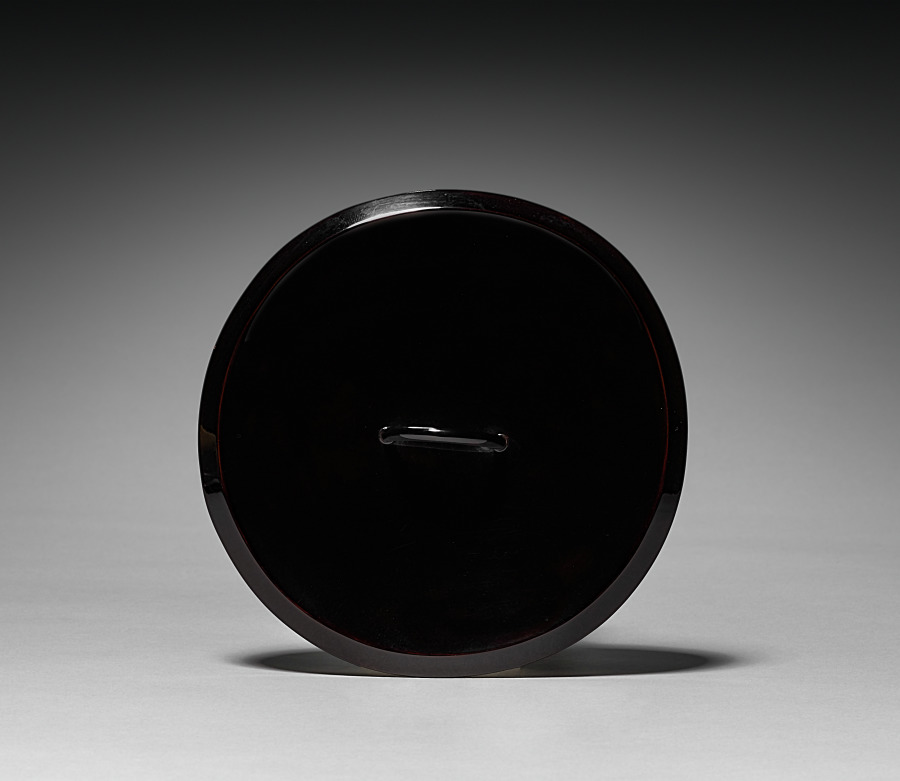
Stilt Footrest (early 1800s): Art, History and Details
Stilt Footrest at the Cleveland Museum of Art: early 1800s, wood. Explore the work's context, creator attribution and collection history.

Stilt Footrest (early 1800s) is in the Cleveland Museum of Art collection.
The work and its context
The museum's open-access catalogue describes the work:
Stilt walking and knockdown stilt contests were favorite forms of amusement and competition on the Marquesas Islands. The decorated footrest was secured to a six-foot stilt pole by wrapping sennit fiber cord through a wide slit at the carved figure's back and around the pointed end. Champion stilt walkers competed with those from other tribes during great festivals. Special artists carved the footrests from hardwood and cured them in the mud of a taro patch.
Object facts
- Title: Stilt Footrest
- Date: early 1800s
- Culture: Polynesia, Marquesas Islands, 19th century
- Type: Sculpture
- Technique: wood
- Dimensions: Overall: 40 x 7.7 x 11.8 cm (15 3/4 x 3 1/16 x 4 5/8 in.)
- Collection: Oceanic Art
- Department: Oceania
- Accession number: 1970.114
Collection credit
Gift of Mr. and Mrs. J. J. Klejman
View the collection record
See the museum's photographs and full catalogue entry. Catalogue text is reproduced from the Cleveland Museum of Art's open-access data, with HTML formatting removed. This object and its supplied image are designated CC0.
Sources
More in Lifestyle
Keep reading
Related stories