Tea Bowl (1600s): Art, History and Details
Tea Bowl at the Cleveland Museum of Art: 1600s, glazed stoneware. Explore the work's context, creator attribution and collection history.
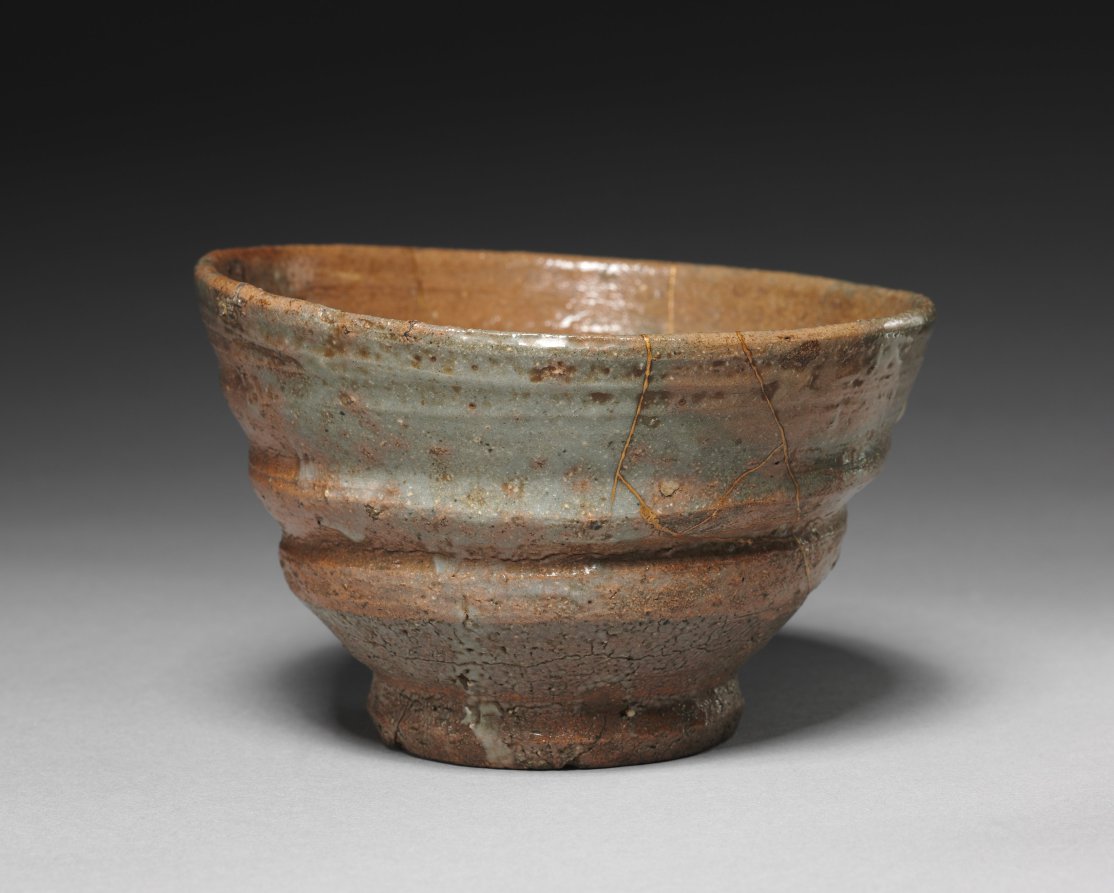
Tea Bowl (1600s) is in the Cleveland Museum of Art collection.
The work and its context
The museum's open-access catalogue describes the work:
This type of wide-mouthed bowl was used every day in Korea, not exclusively for tea drinking. But when it was introduced to Japan around the early 16th century, its imperfect appearance, which evokes the aesthetics of wabi-sabi, caused it to be repurposed as a tea bowl. Korean tea bowls were circulated as a item of foreign luxury among Japanese military elites. This type of tea bowl may have been produced in one of the kilns established and operated by the trading office (Waegwan) in Busan, southern Gyeongsang province, as an export item for Japanese tea bowl collectors.
Object facts
- Title: Tea Bowl
- Date: 1600s
- Culture: Korea, Joseon dynasty (1392–1910)
- Type: Ceramic
- Technique: glazed stoneware
- Dimensions: Diameter of mouth: 14.6 cm (5 3/4 in.); Overall: 8.9 cm (3 1/2 in.)
- Collection: Korean Art
- Department: Korean Art
- Accession number: 1996.4
A detail from the museum
For its imperfect aesthetics, this type of rustic tea bowl was highly appreciated among advanced Japanese practitioners of the tea ceremony.
Collection credit
Cornelia Blakemore Warner Fund
Further reading listed by the museum
- Cleveland Museum of Art, “The Cleveland Museum of Art Acquires Major Works,” March 18, 1996, Cleveland Museum of Art Archives.
- Jeong, Dong-ju. From Joseon Rice Bowl to Yido Tea Bowl [조선 막사발과 이도다완]. Paju: Hangil ateu, 2012.
- Hur, Nam-lin. “Korean Tea Bowls (Kōrai Chawan) and Japanese Wabicha: A Story of Acculturation in Premodern Northeast Asia.” Korean Studies 39 (2015): 1–22.
View the collection record
See the museum's photographs and full catalogue entry. Catalogue text is reproduced from the Cleveland Museum of Art's open-access data, with HTML formatting removed. This object and its supplied image are designated CC0.
Sources
More in Lifestyle
Keep reading