The Ecstasy of Saint Mary Magdalene (1506): Art, History and Details
The Ecstasy of Saint Mary Magdalene at the Cleveland Museum of Art: 1506, woodcut. Explore the work's context, creator attribution and collection history.
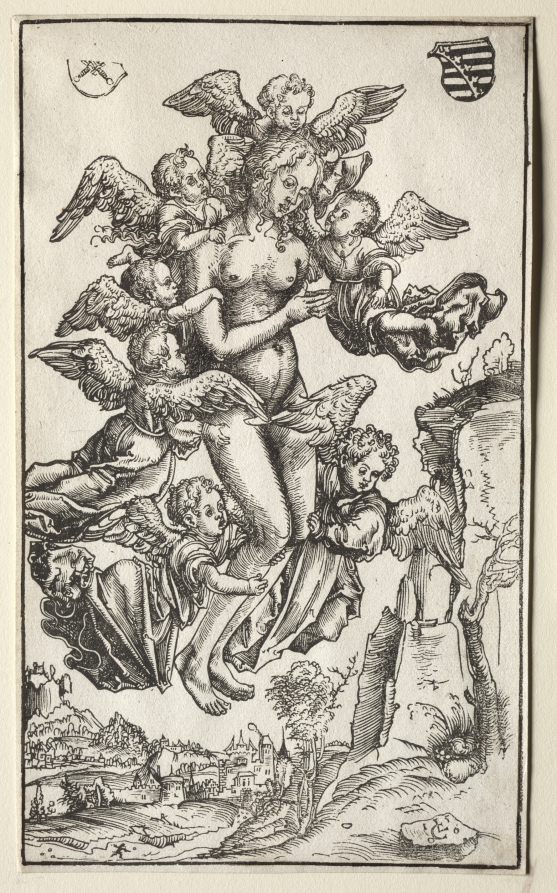
The Ecstasy of Saint Mary Magdalene (1506) is in the Cleveland Museum of Art collection. The museum's creator attribution is Lucas Cranach (German, 1472–1553).
The work and its context
The museum's open-access catalogue describes the work:
According to medieval legend, Mary Magdalene was a fallen woman until she devoted herself to Christ. During her ascetic life in the wilderness, angels raised her aloft seven times a day to hear the music of the heavenly host while her visions of paradise enhanced her radiance. Interested in reviving classical ideals, Renaissance artists such as Lucas Cranach the Elder gave Mary Magdalene a Venus-like body to personify her divine beauty.
Object facts
- Title: The Ecstasy of Saint Mary Magdalene
- Date: 1506
- Creator attribution: Lucas Cranach (German, 1472–1553)
- Culture: Germany
- Type: Print
- Technique: woodcut
- Collection: PR - Woodcut
- Department: Prints
- Accession number: 1922.110
Collection credit
Gift of The Print Club of Cleveland
View the collection record
See the museum's photographs and full catalogue entry. Catalogue text is reproduced from the Cleveland Museum of Art's open-access data, with HTML formatting removed. This object and its supplied image are designated CC0.
Sources
More in Lifestyle
Keep reading