The Little Executioner (1662): Art, History and Details
The Little Executioner at the Cleveland Museum of Art: 1662, mezzotint. Explore the work's context, creator attribution and collection history.
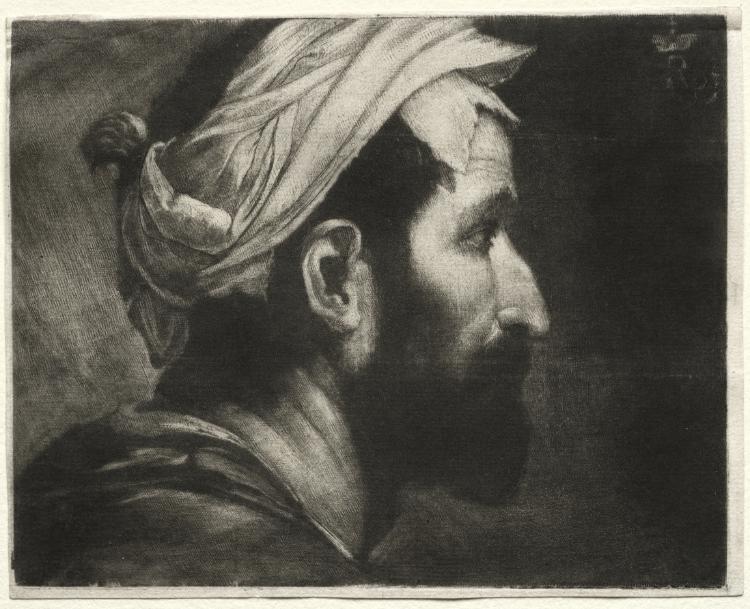
The Little Executioner (1662) is in the Cleveland Museum of Art collection. The museum's creator attribution is Prince Ruprecht (German, 1619–1682); Jusepe de Ribera (Spanish, 1591–1652).
The work and its context
The museum's open-access catalogue describes the work:
Prince Ruprecht of the Rhine—a nobleman who was the nephew of England’s King Charles I—was among the earliest practitioners of mezzotint, a printmaking technique first used in Germany in the 1600s. Prince Ruprecht is credited with bringing the technique to England around 1660, where he introduced it to John Evelyn, who was engaged in writing a book on the history of printmaking. Ruprecht created this image (after a painting thought to be by Jusepe de Ribera) to illustrate the mezzotint process in Evelyn’s book, making it the first mezzotint printed in England.
Object facts
- Title: The Little Executioner
- Date: 1662
- Creator attribution: Prince Ruprecht (German, 1619–1682); Jusepe de Ribera (Spanish, 1591–1652)
- Culture: Germany
- Type: Print
- Technique: mezzotint
- Collection: PR - Mezzotint
- Department: Prints
- Accession number: 1947.153
Collection credit
Gift of The Print Club of Cleveland
View the collection record
See the museum's photographs and full catalogue entry. Catalogue text is reproduced from the Cleveland Museum of Art's open-access data, with HTML formatting removed. This object and its supplied image are designated CC0.
Sources
More in Lifestyle
Keep reading