Wilson Cary Nicholas (c. 1805): Art, History and Details
Wilson Cary Nicholas at the Cleveland Museum of Art: c. 1805, oil on canvas. Explore the work's context, creator attribution and collection history.
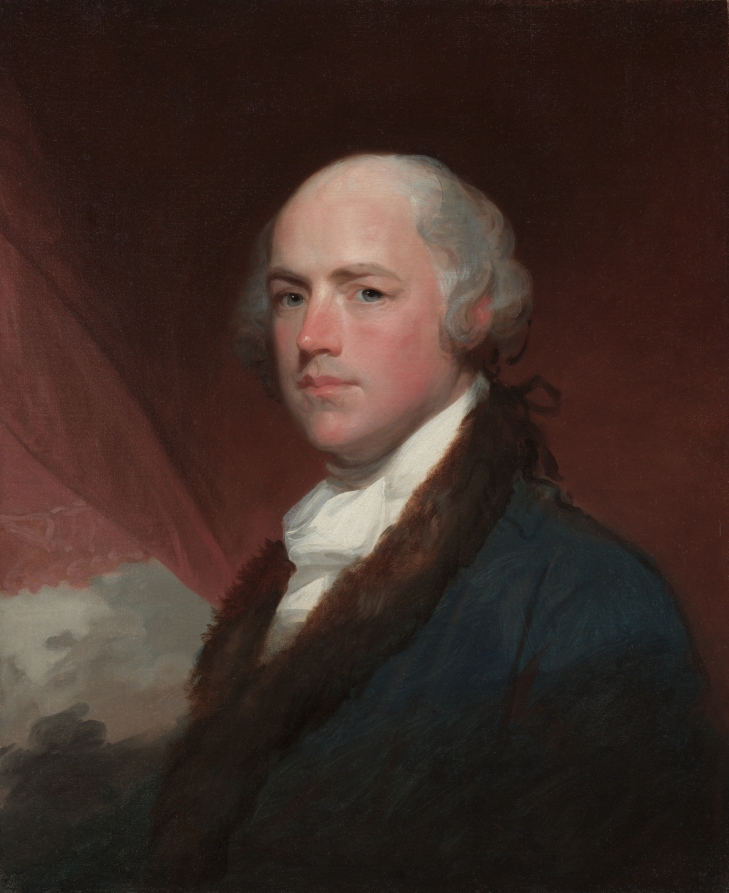
Wilson Cary Nicholas (c. 1805) is in the Cleveland Museum of Art collection. The museum's creator attribution is Gilbert Stuart (American, born The Thirteen Colonies, 1755–1828).
The work and its context
The museum's open-access catalogue describes the work:
Wilson Cary Nicholas was born January 31, 1761, into a politically powerful family from Williamsburg, Virginia. In 1781, he left William and Mary College to join the Continental Army, in which he commanded George Washington’s lifeguard until it was disbanded in 1783. As a member of the Constitutional Convention, he returned to Virginia to campaign for the ratification of the U.S. Constitution in that state, where it passed by a margin of only ten votes. He then served several terms in the House of Delegates before being elected to the U.S. Senate and the House of Representatives. He became the governor of Virginia in 1814, retiring in 1819 due to poor health and spending his remaining days in the home of his son-in-law, Thomas Jefferson Randolph, President Thomas Jefferson’s grandson. He died on October 20, 1820, and is buried at Monticello, the president’s former estate.
Object facts
- Title: Wilson Cary Nicholas
- Date: c. 1805
- Creator attribution: Gilbert Stuart (American, born The Thirteen Colonies, 1755–1828)
- Culture: United States
- Type: Painting
- Technique: oil on canvas
- Dimensions: Unframed: 72.8 x 59.8 cm (28 11/16 x 23 9/16 in.)
- Collection: American - Painting
- Department: American Painting and Sculpture
- Accession number: 1992.305
Collection credit
Gift of Mr. and Mrs. Thomas W. Moseley
Further reading listed by the museum
- Turner, Evan H. "The Year in Review for 1992." The Bulletin of the Cleveland Museum of Art 80, no. 2 (1993): 38-79.
View the collection record
See the museum's photographs and full catalogue entry. Catalogue text is reproduced from the Cleveland Museum of Art's open-access data, with HTML formatting removed. This object and its supplied image are designated CC0.
Sources
More in Lifestyle
Keep reading