Loin Cloth "Pha nung" or Cloth for Wrapped Garment (late 1800s-early 1900s): Art, History and Details
Loin Cloth "Pha nung" or Cloth for Wrapped Garment at the Cleveland Museum of Art: late 1800s-early 1900s, tabby weave, mordant resist and batik; cotton. Explore the work's context, creator attribution and collection history.
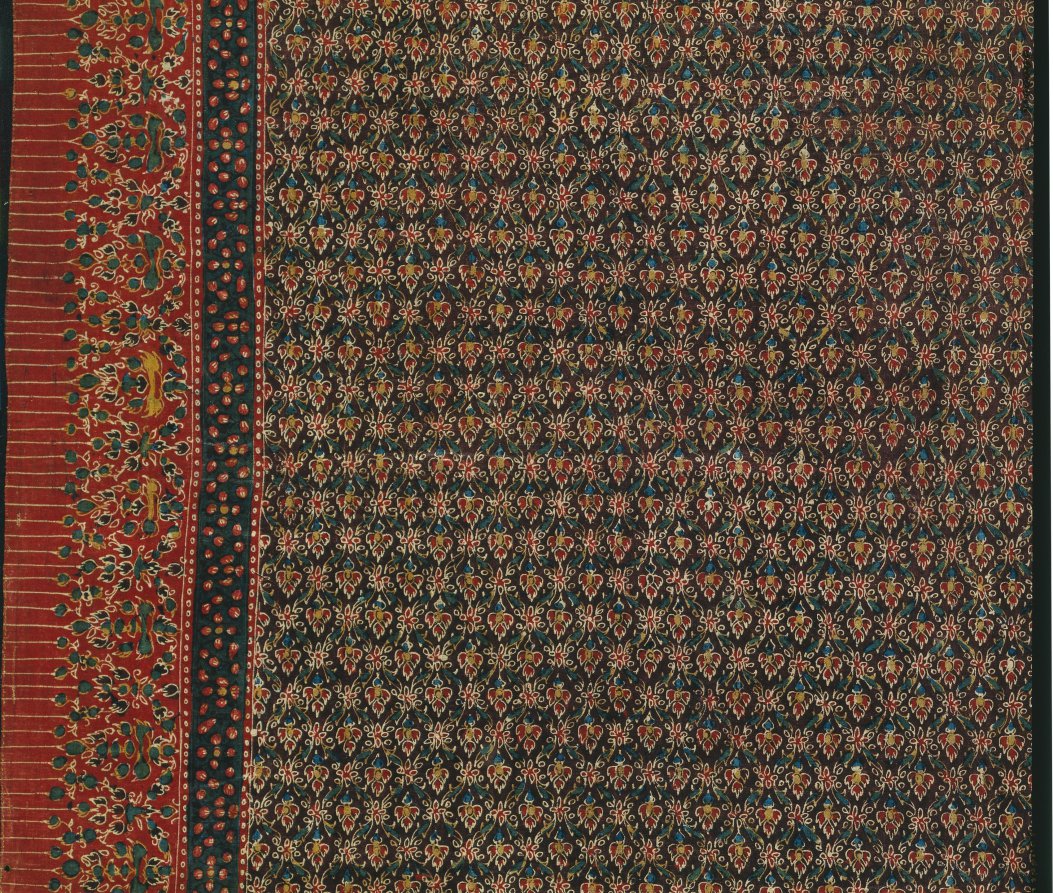
Loin Cloth "Pha nung" or Cloth for Wrapped Garment (late 1800s-early 1900s) is in the Cleveland Museum of Art collection.
The work and its context
The museum's open-access catalogue describes the work:
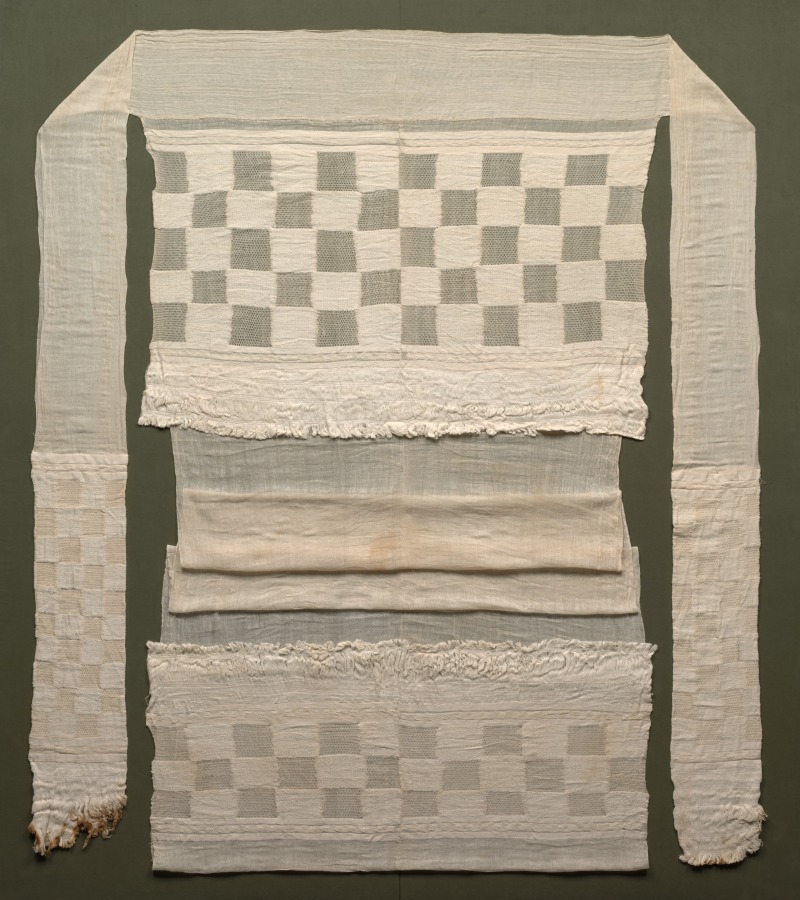
Indian craftsmen developed great skill in resist dyeing using both mordants (chemicals that fix dyes) and wax, or some other resist. When mordants were selectively drawn, painted, or printed onto cotton, only those portions of the fabric would accept the dye. In this textile, this technique has been combined with wax resist batik that prevented dyes from penetrating treated portions of the fabric. Indian textiles made for export were patterned with designs and colors that suited the tastes of the markets for which they were produced. This cloth was made for export to Thailand where lattice designs were preferred. While this particular textile would have been used as a wrapped garment, Indian textiles in Thailand served also as room dividers, coverings for floors, and hangings.
Object facts
- Title: Loin Cloth "Pha nung" or Cloth for Wrapped Garment
- Date: late 1800s-early 1900s
- Culture: India, East Coast, late 19th - early 20th century
- Type: Textile
- Technique: tabby weave, mordant resist and batik; cotton
- Dimensions: Overall: 97.8 x 325.1 cm (38 1/2 x 128 in.)
- Collection: Textiles
- Department: Textiles
- Accession number: 1925.119
Collection credit
Purchase from the J. H. Wade Fund
View the collection record
See the museum's photographs and full catalogue entry. Catalogue text is reproduced from the Cleveland Museum of Art's open-access data, with HTML formatting removed. This object and its supplied image are designated CC0.
Sources
More in Fashion & Style
Keep reading