Hat (early 1900s): Art, History and Details
Hat at the Cleveland Museum of Art: early 1900s, Raffia and dye. Explore the work's context, creator attribution and collection history.
48 articles
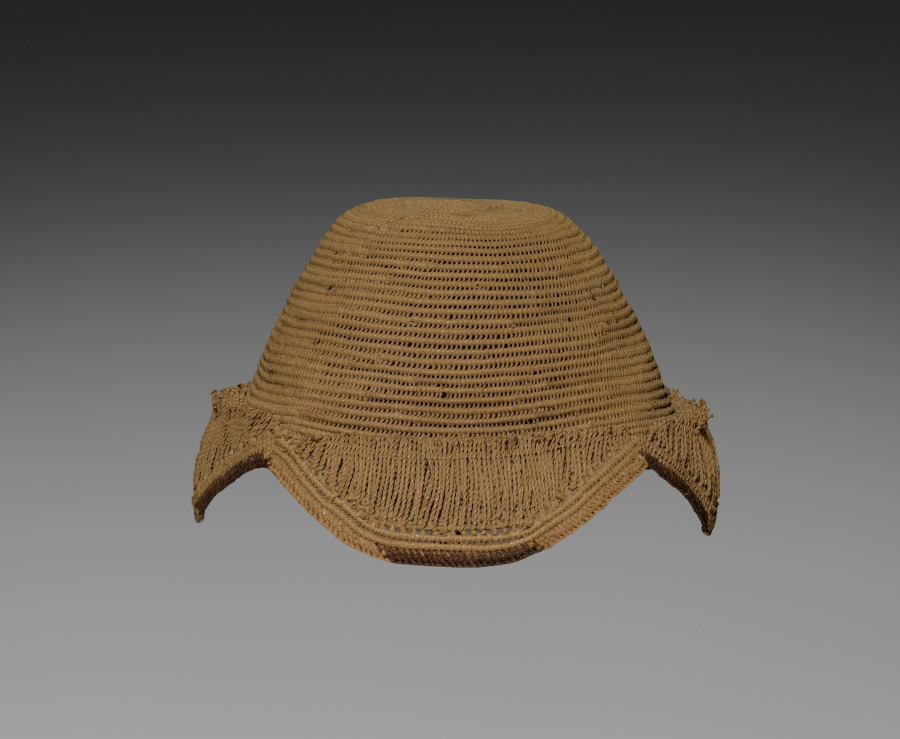
Hat at the Cleveland Museum of Art: early 1900s, Raffia and dye. Explore the work's context, creator attribution and collection history.
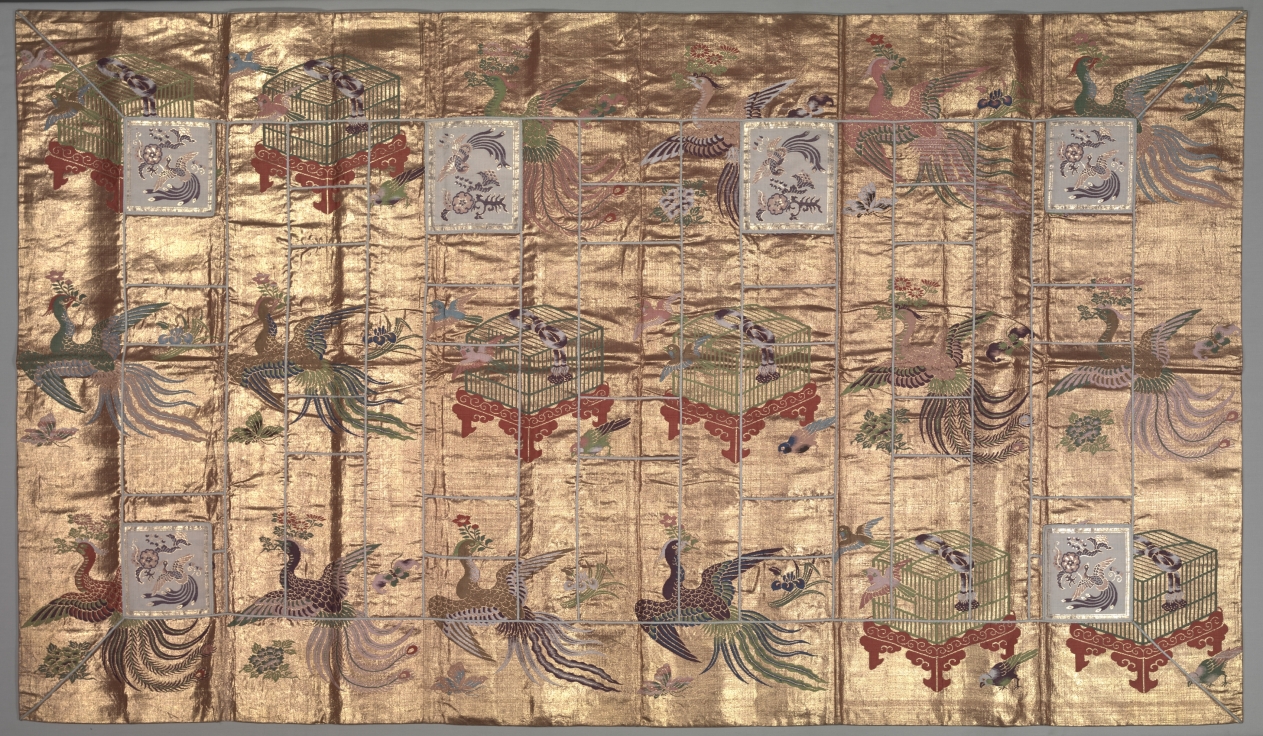
Buddhist Vestment (Kesa) at the Cleveland Museum of Art: early 1900s, silk with supplementary weft, brocaded; metal thread. Explore the work's context, creator attribution and collection history.

Headpiece (nlo-o-ngo) at the Cleveland Museum of Art: early 1900s, Plant fibers, cloth, hair, cowrie shells, buttons, upholstery studs, and thread. Explore the work's context, creator attribution and collection history.

Explore evening mantle (ca. 1887) by House of Worth: materials, catalogue facts and collection credit from the Met's Costume Institute.
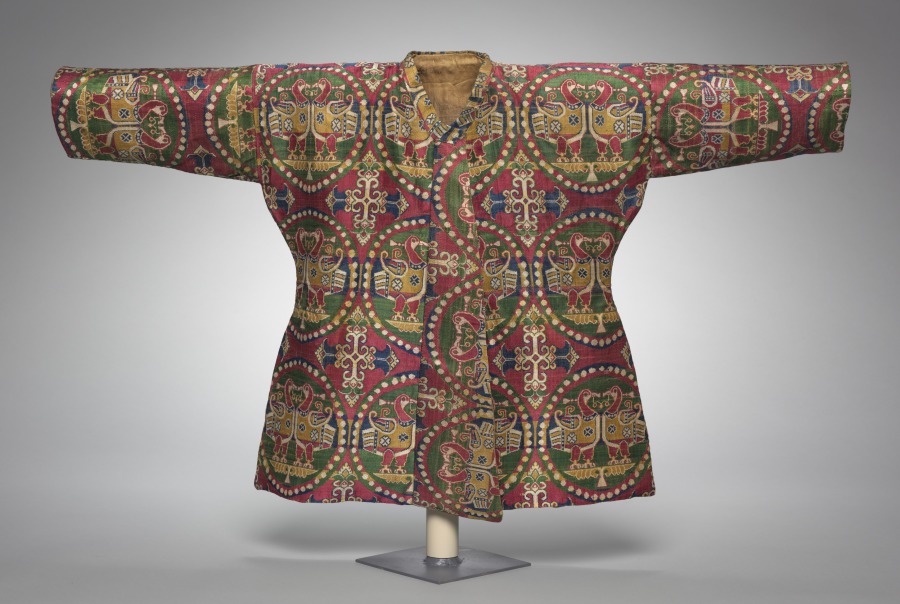
Child’s Coat with Ducks in Pearl Medallions at the Cleveland Museum of Art: 700s, Silk: weft-faced compound twill weave (samite). Explore the work's context, creator attribution and collection history.
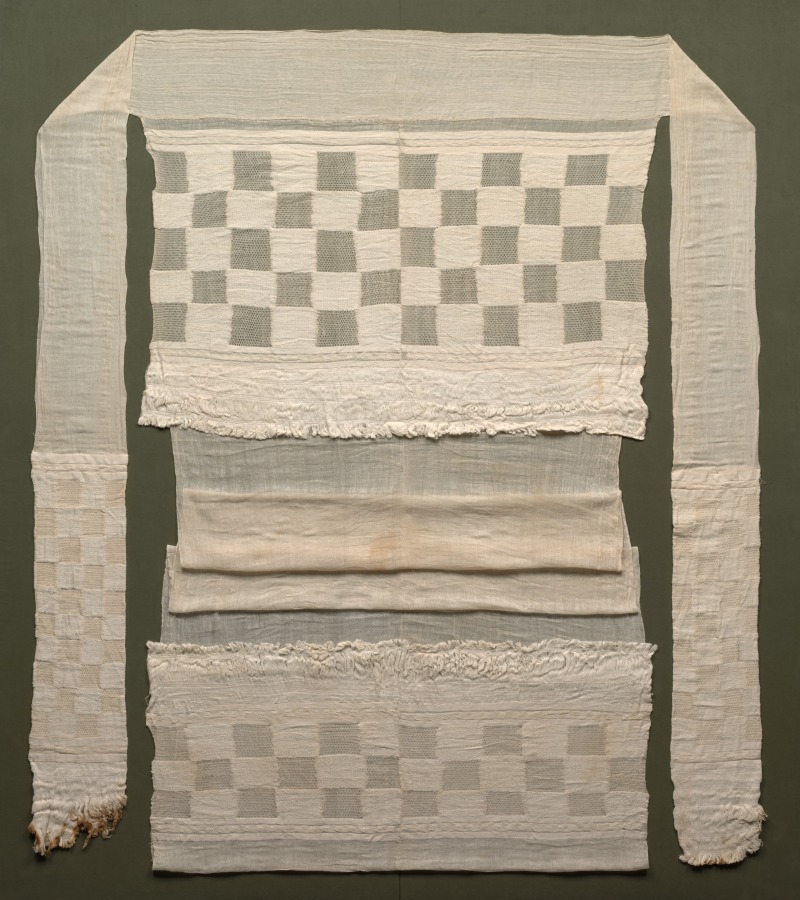
Loincloth at the Cleveland Museum of Art: 1425–1500 (radiocarbon date, 92.3% probability), cotton; plain weave, brocaded and complex alternating gauze with 5 shots of plain weave between gauze shots. Explore the work's context, creator attr
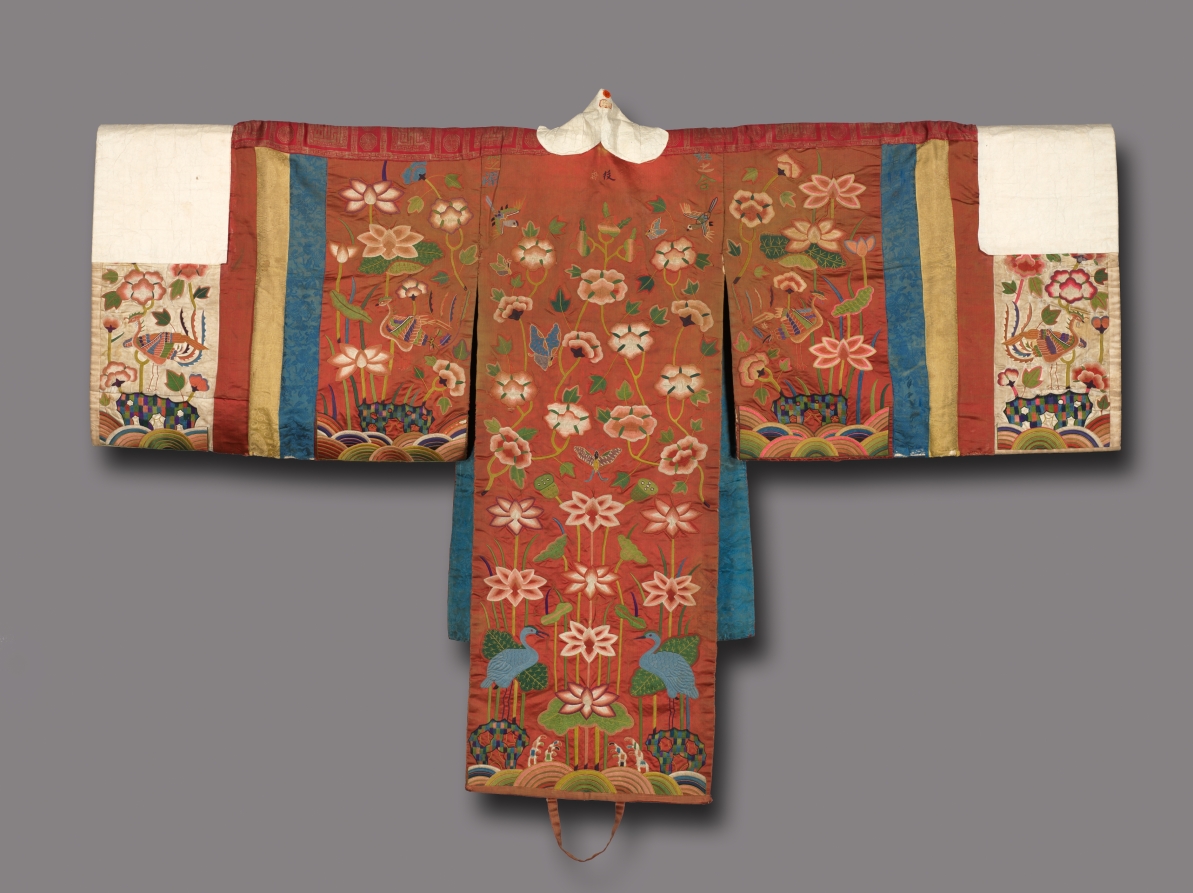
Bridal Robe (Hwarot) at the Cleveland Museum of Art: late 1800s, Silk: satin weave; embroidery; paper edging on neck and sleeves. Explore the work's context, creator attribution and collection history.

Explore ball gown (ca. 1872) by House of Worth: materials, catalogue facts and collection credit from the Met's Costume Institute.
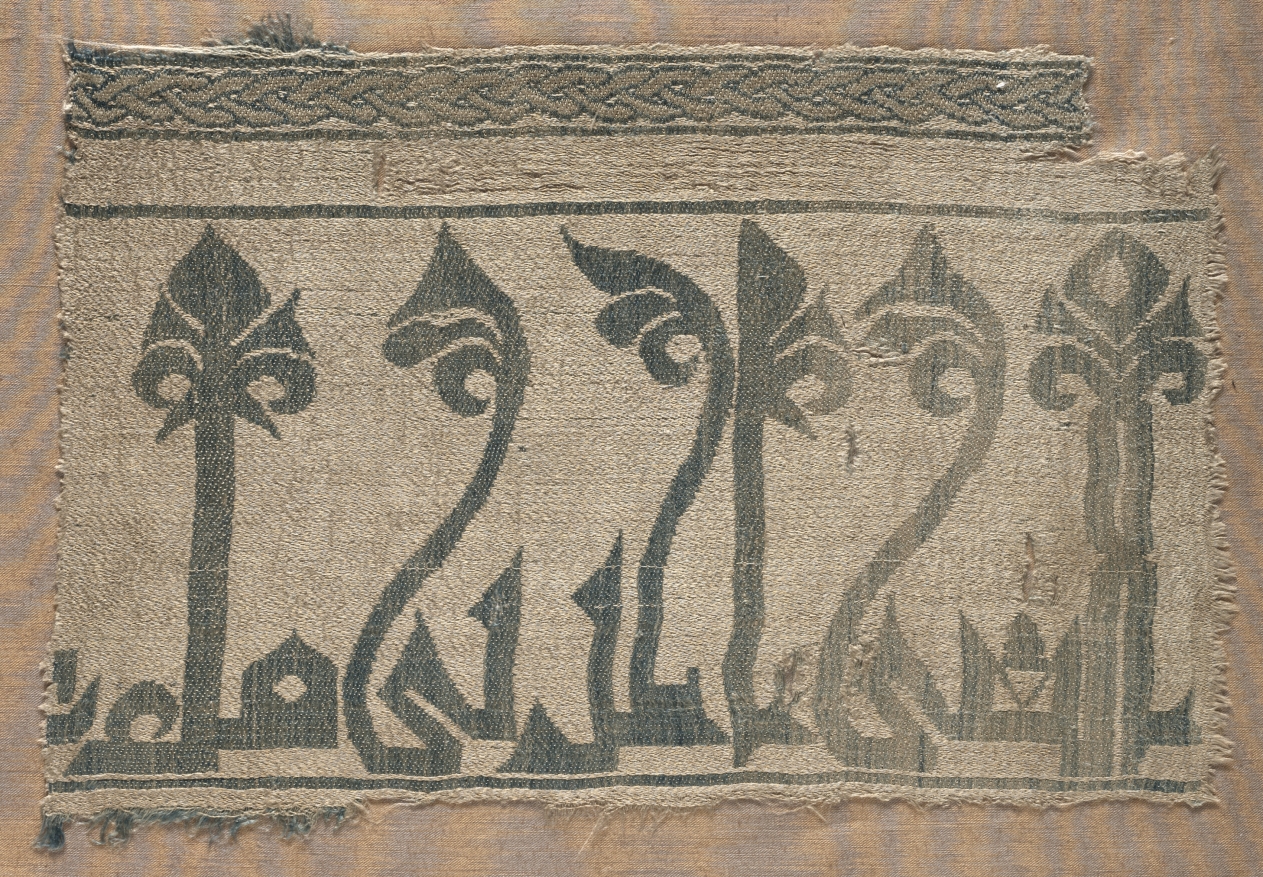
Fragment from Funeral Garment or Pall at the Cleveland Museum of Art: before 1958, Silk: lampas weave, brocaded. Explore the work's context, creator attribution and collection history.

Royal Belt (yet) at the Cleveland Museum of Art: possibly early 1900s, Plant fiber, rawhide or leather, glass beads, seashells, cowrie shells, cloth, and colorant. Explore the work's context, creator attribution and collection history.
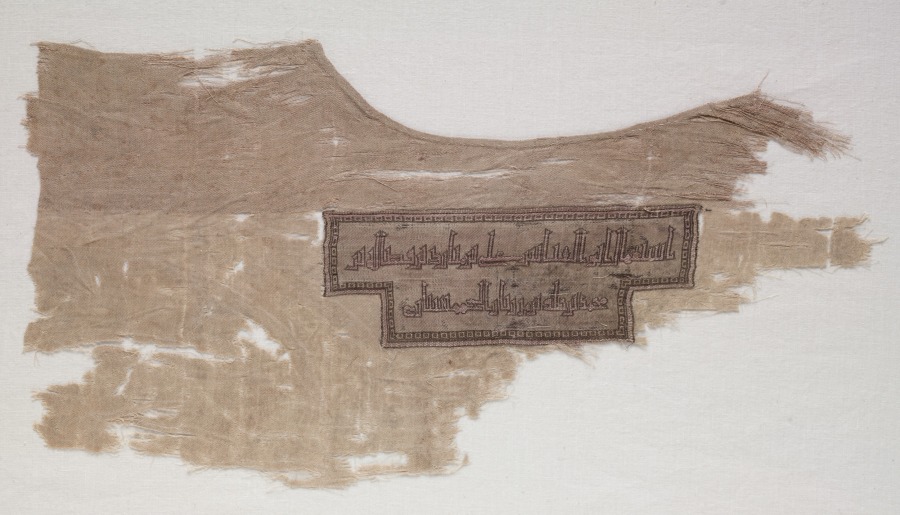
Fragments from a Garment with Inscription at the Cleveland Museum of Art: 1900s, Silk: lampas weave, brocaded. Explore the work's context, creator attribution and collection history.

Explore evening dress (ca. 1880) by House of Worth: materials, catalogue facts and collection credit from the Met's Costume Institute.

Explore walking dress (ca. 1885) by House of Worth: materials, catalogue facts and collection credit from the Met's Costume Institute.
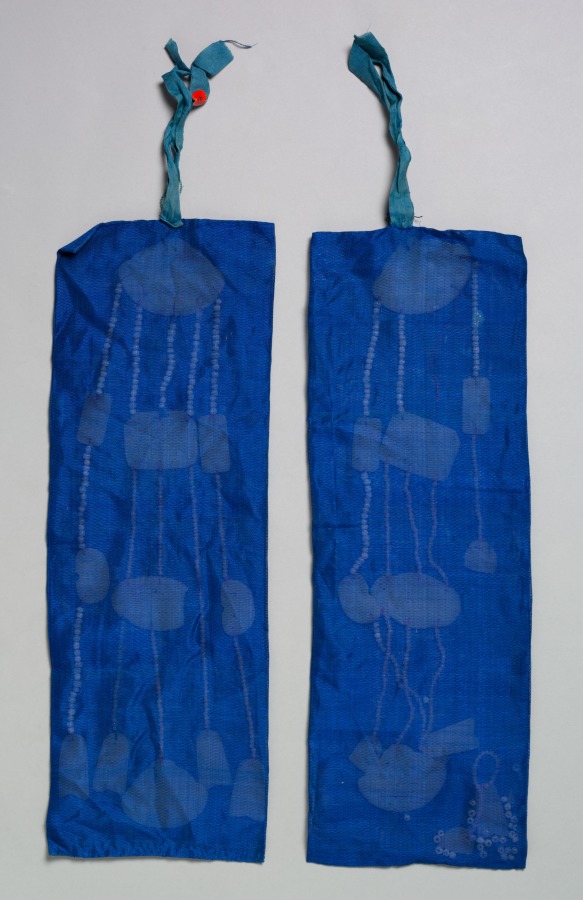
Jade String Pendant for the Royal Ceremonial Costume at the Cleveland Museum of Art: late 1800s–early 1900s, Silk: gauze weave and plain weave; jade and beads (2 sizes). Explore the work's context, creator attribution and collection history
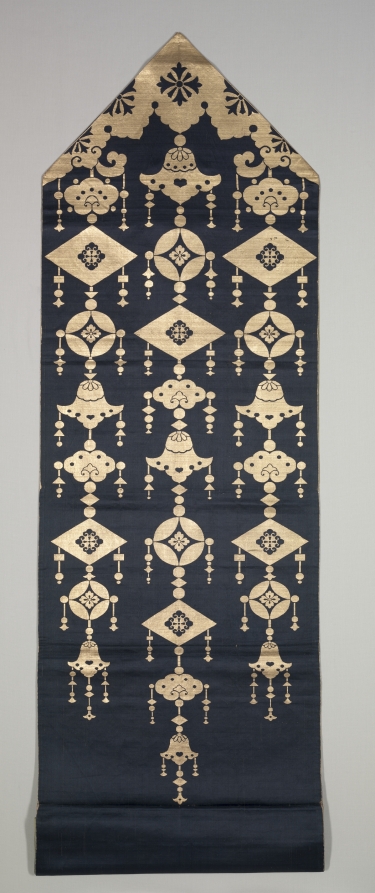
Sumibōshi at the Cleveland Museum of Art: 1800–1850, silksatin weave; metal thread weft. Explore the work's context, creator attribution and collection history.

Explore ensemble (1893) by House of Worth: materials, catalogue facts and collection credit from the Met's Costume Institute.

Woman's Bridal Dress, Dragon Jacket at the Cleveland Museum of Art: 1800s, Silk, gilt-metal thread; embroidery. Explore the work's context, creator attribution and collection history.

Under apron (iinkciya) at the Cleveland Museum of Art: 1800s–1900s, Leather, glass beads, and sinew. Explore the work's context, creator attribution and collection history.

Explore court presentation dress (ca. 1885) by House of Worth: materials, catalogue facts and collection credit from the Met's Costume Institute.

Uncut Robe: Proper Right Front and Back Panel at the Cleveland Museum of Art: c. 1890s, embroidered silk, gauze weave. Explore the work's context, creator attribution and collection history.
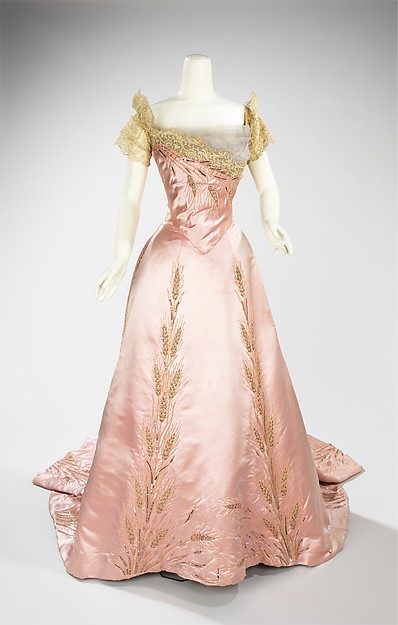
Explore ball gown (1900) by House of Worth: materials, catalogue facts and collection credit from the Met's Costume Institute.

Explore afternoon dress (ca. 1872) by House of Worth: materials, catalogue facts and collection credit from the Met's Costume Institute.
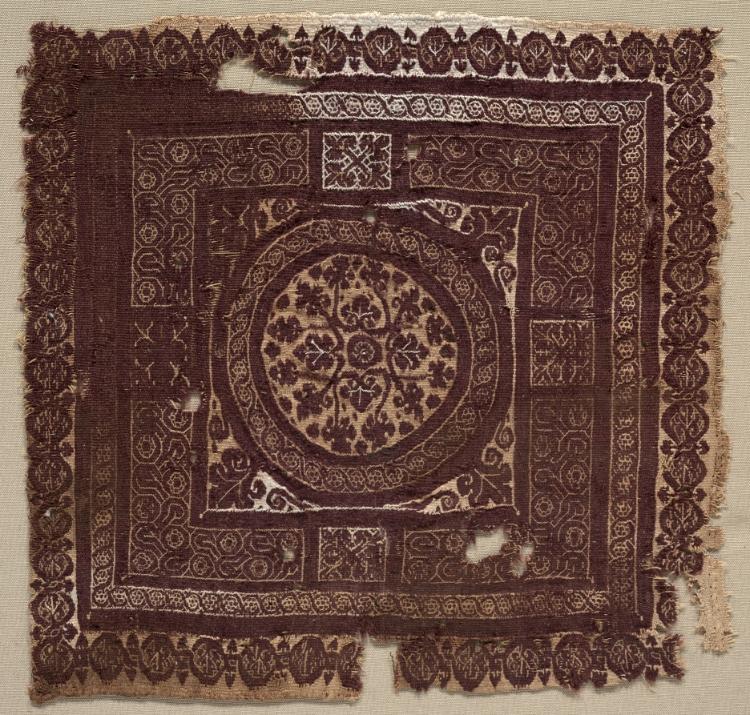
Ornament from a Garment at the Cleveland Museum of Art: 400s–600s CE, Linen, undyed; wool, dyed; tapestry weave with supplementary weft wrapping. Explore the work's context, creator attribution and collection history.
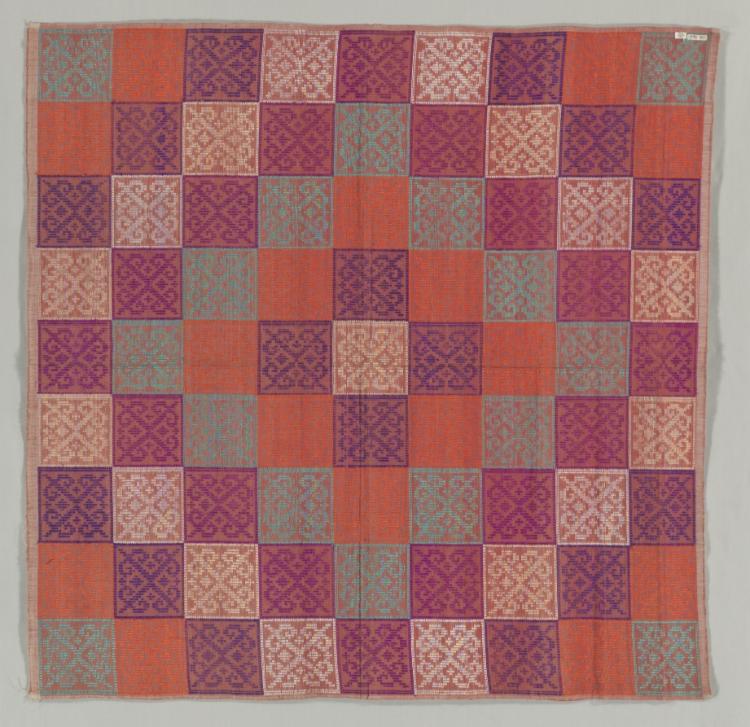
Headcloth (Yakan seputangan) at the Cleveland Museum of Art: c. early 1900s, plain weave with paired weft: cotton; supplementary weft: silk. Explore the work's context, creator attribution and collection history.

Explore ball gown (1898) by House of Worth: materials, catalogue facts and collection credit from the Met's Costume Institute.

Explore afternoon jacket (1895) by House of Worth: materials, catalogue facts and collection credit from the Met's Costume Institute.

Explore dress (1888) by House of Worth: materials, catalogue facts and collection credit from the Met's Costume Institute.
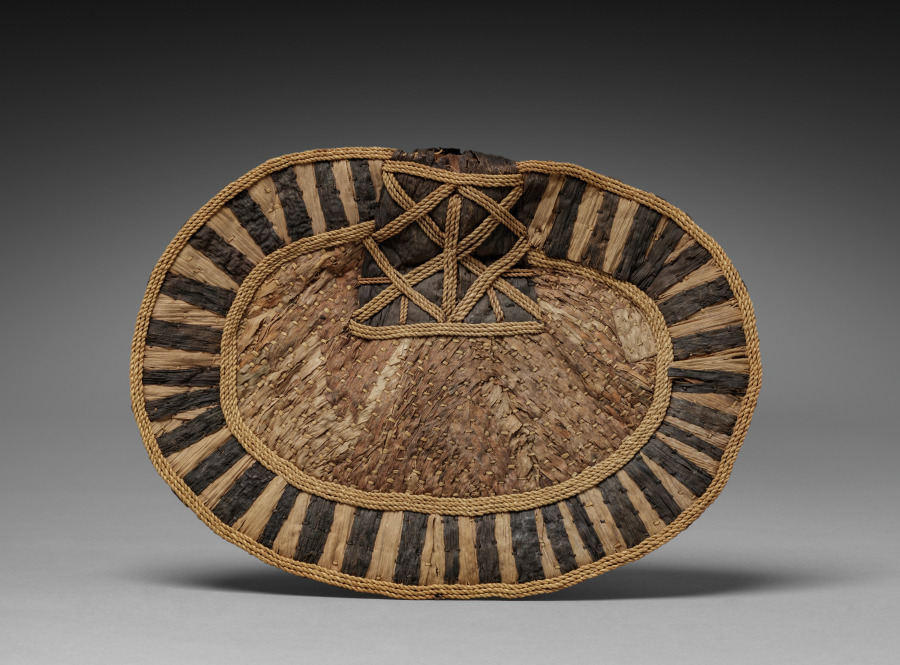
Back Skirt/Sitting Pad (negbe) at the Cleveland Museum of Art: by 1928, Plant fibers and dye. Explore the work's context, creator attribution and collection history.

Explore dinner dress (1897–1900) by House of Worth: materials, catalogue facts and collection credit from the Met's Costume Institute.

Labyrinth Mola Panel at the Cleveland Museum of Art: before 1960, Cotton; reverse appliqué, appliqué. Explore the work's context, creator attribution and collection history.

Explore evening dress (ca. 1880) by House of Worth: materials, catalogue facts and collection credit from the Met's Costume Institute.

Four-Cornered Hat at the Cleveland Museum of Art: c. 400–1000, alpaca. Explore the work's context, creator attribution and collection history.
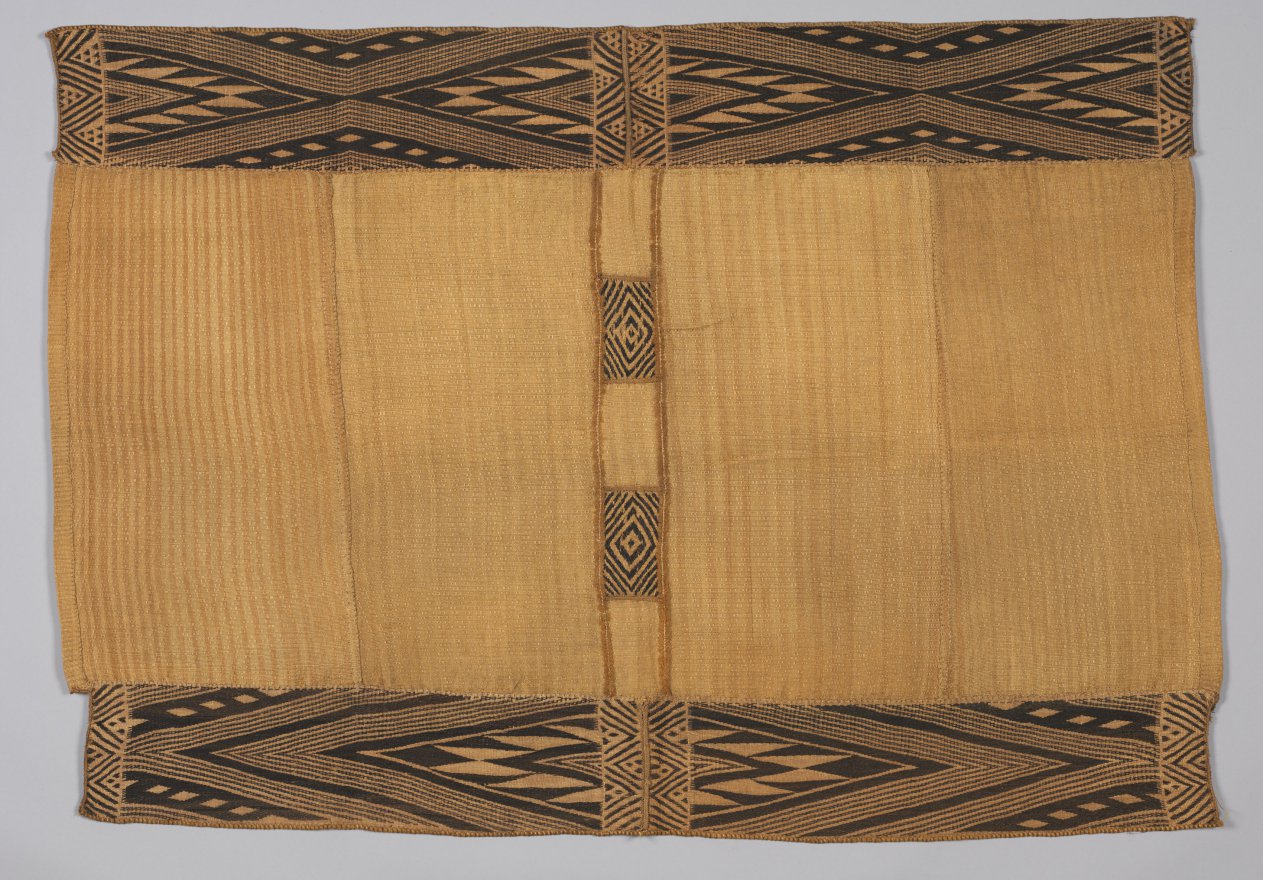
Woman's Skirt at the Cleveland Museum of Art: late 1800s–about 1906–12, Raffia palm fiber (Raphia ruffia or R. vinifera) and dye. Explore the work's context, creator attribution and collection history.
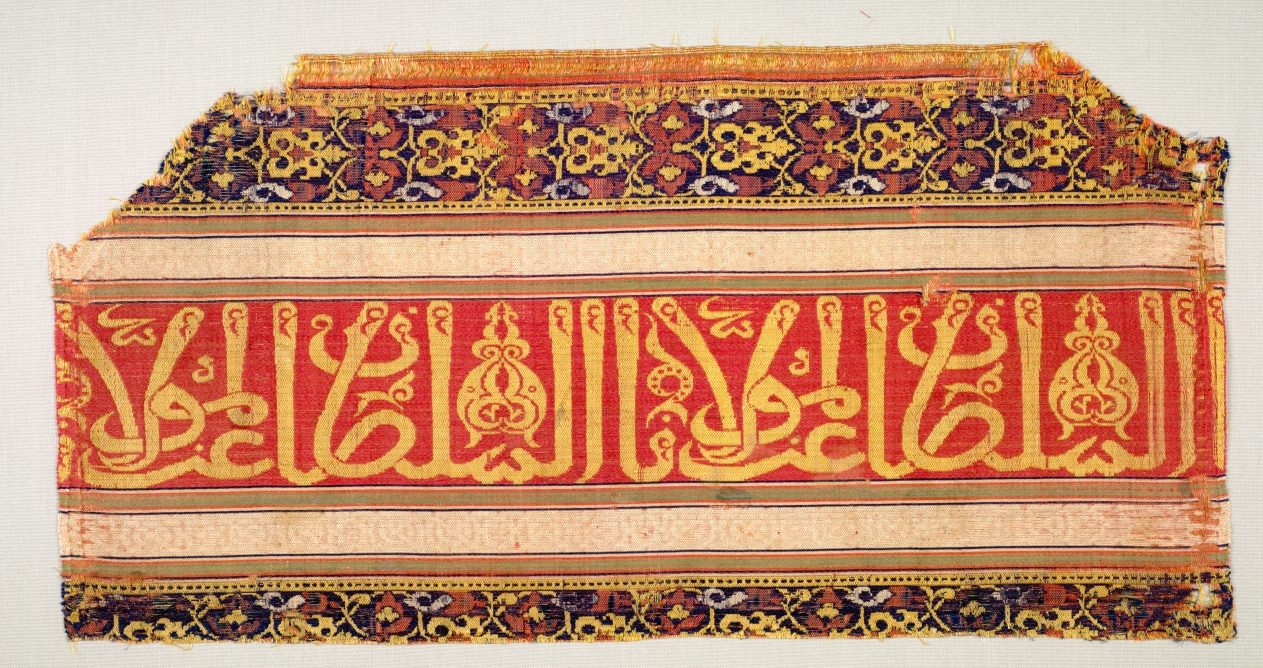
Striped Silk from a Garment at the Cleveland Museum of Art: 1400s, silk; lampas weave. Explore the work's context, creator attribution and collection history.
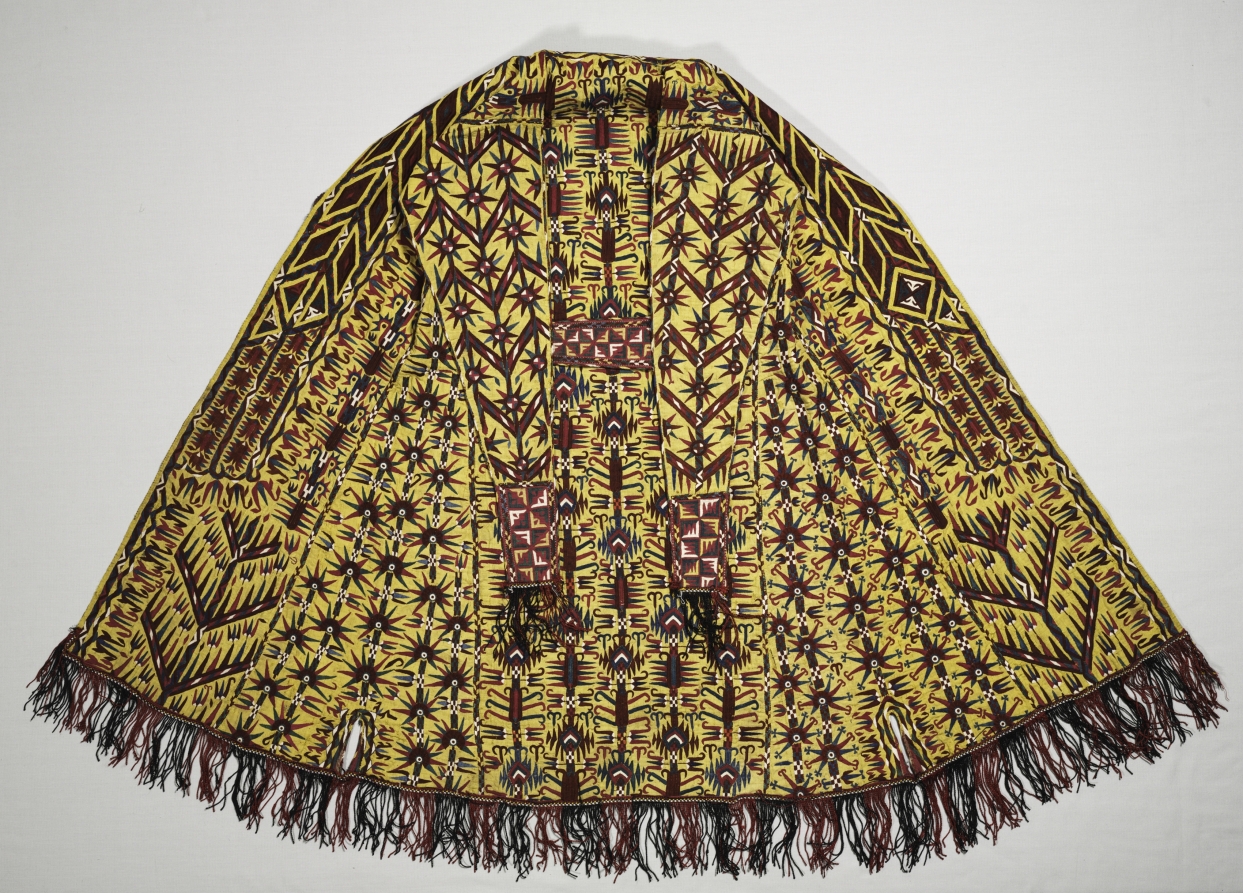
Woman’s Mantle (Chyrpy) at the Cleveland Museum of Art: late 1800s–early 1900s, Exterior: silk; plain weave; embroidery: chain stitch; Trim: silk; tablet-woven with fringe; Lining: cotton; plain weave, block printed. Explore the work's cont

Explore court presentation ensemble (ca. 1888) by House of Worth: materials, catalogue facts and collection credit from the Met's Costume Institute.
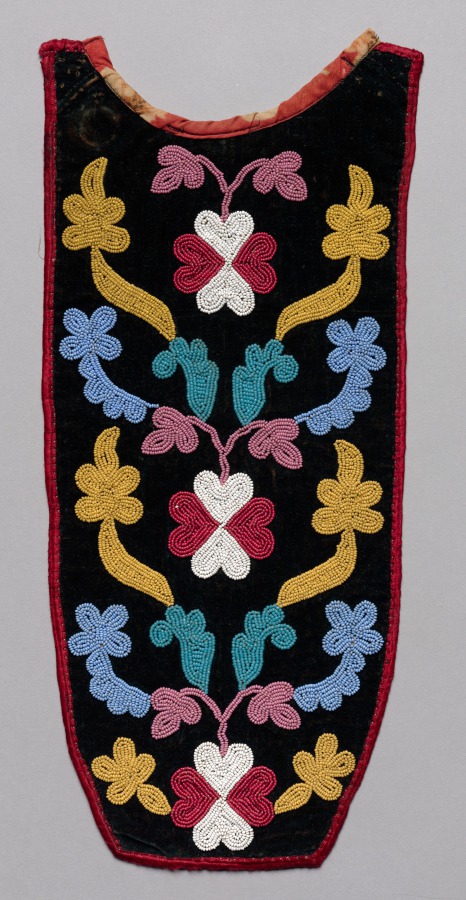
Placket at the Cleveland Museum of Art: late 1800s, Velvet, cotton. Explore the work's context, creator attribution and collection history.
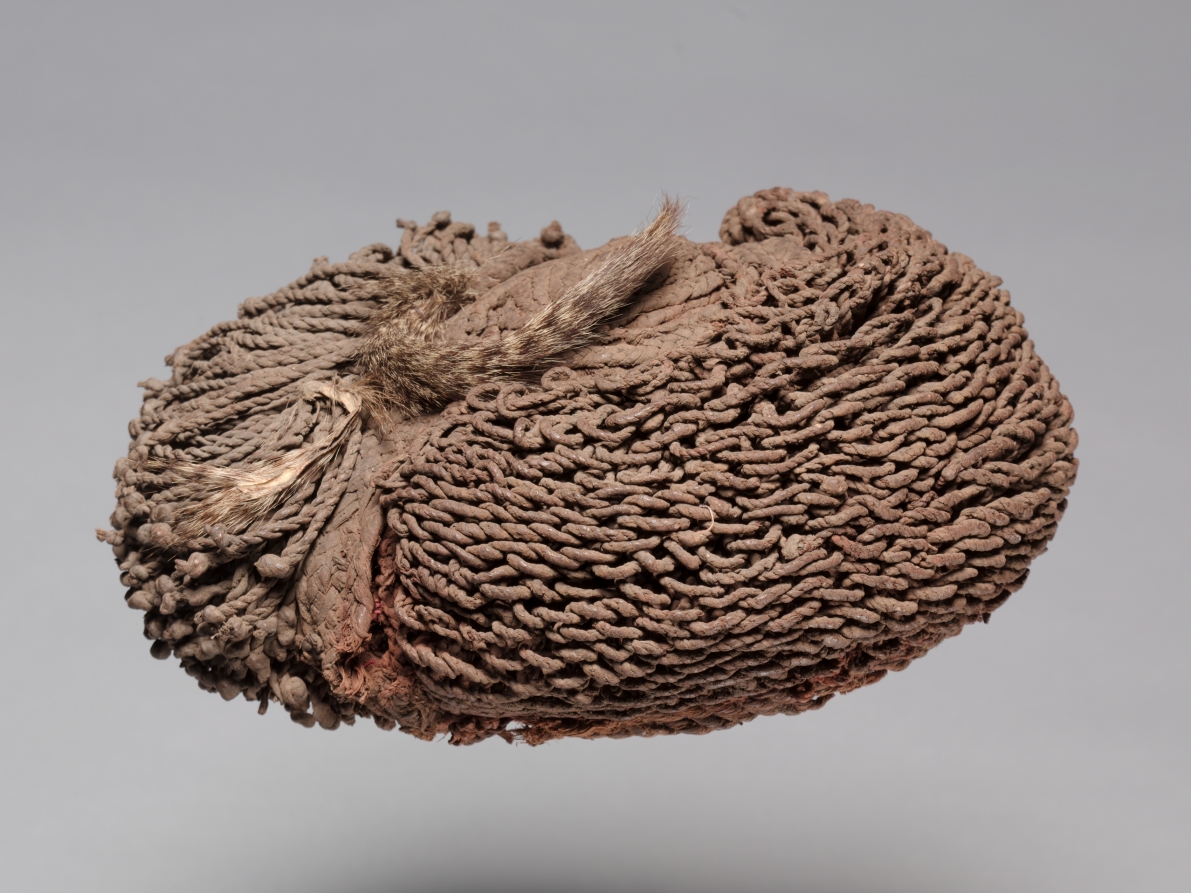
Wig (uyembe matota, wiyembe, or pulumba) at the Cleveland Museum of Art: early to mid 1900s, Plant fiber, pelt, and clay. Explore the work's context, creator attribution and collection history.

Explore evening dress (ca. 1892) by House of Worth: materials, catalogue facts and collection credit from the Met's Costume Institute.

Coronet (oríkògbófo) at the Cleveland Museum of Art: 1900s, Cloth, glass beads, and thread. Explore the work's context, creator attribution and collection history.
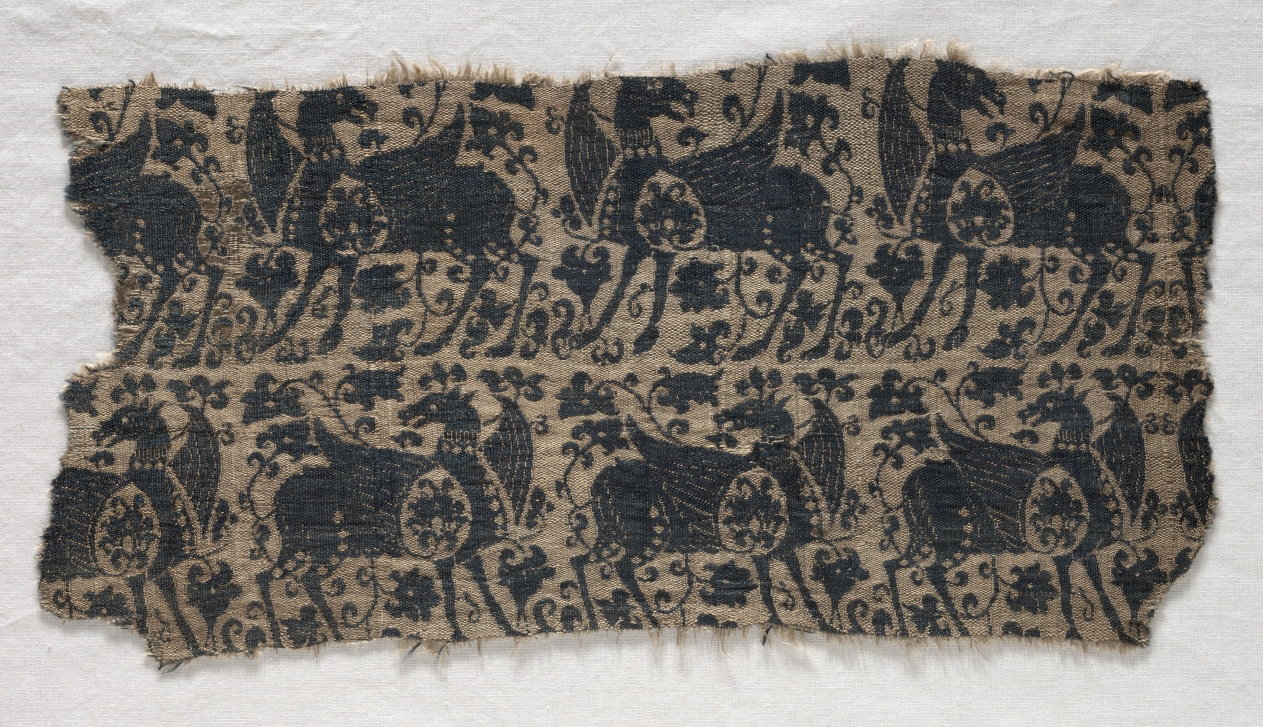
Fragment from Funeral Garment or Pall at the Cleveland Museum of Art: before 1966, Silk: compound tabby. Explore the work's context, creator attribution and collection history.

Explore afternoon dress (1892) by House of Worth: materials, catalogue facts and collection credit from the Met's Costume Institute.

Explore fancy dress costume (ca. 1870) by House of Worth: materials, catalogue facts and collection credit from the Met's Costume Institute.
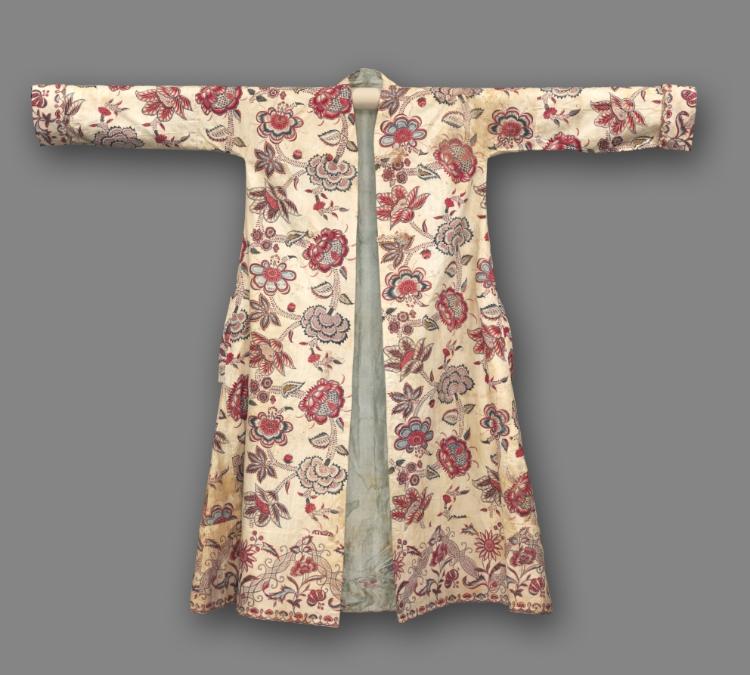
Man's Morning Coat at the Cleveland Museum of Art: 1700–1750, cotton: tabby weave, resist-dyed (mordant resist and batik); applied gold leaf. Explore the work's context, creator attribution and collection history.
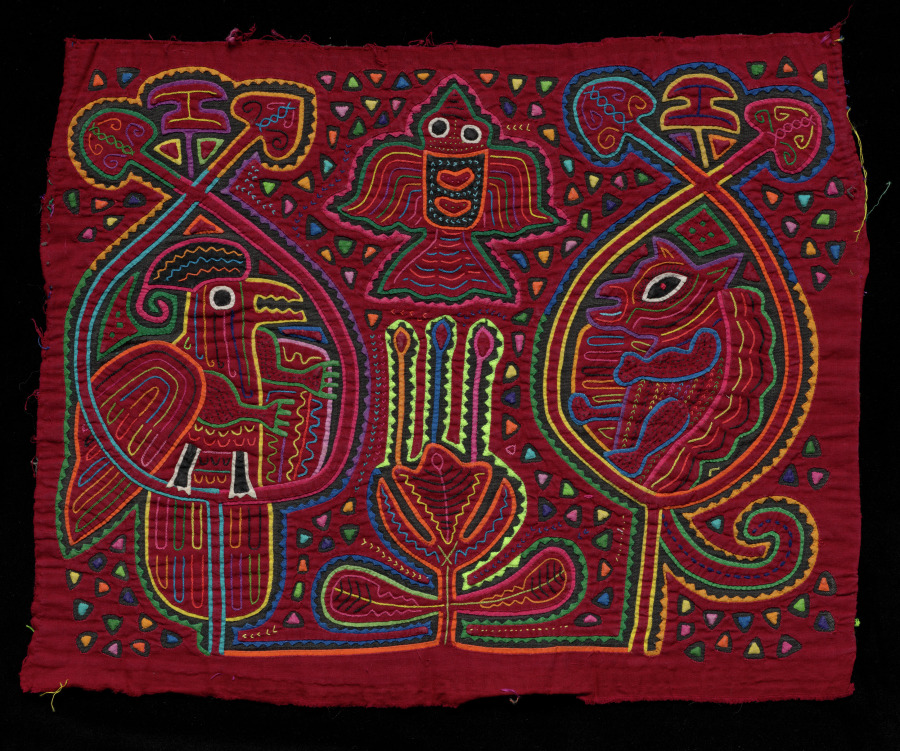
Flower, Birds, and Profile Animal Mola Panel at the Cleveland Museum of Art: 1900s, Cotton; reverse appliqué, appliqué, embroidery. Explore the work's context, creator attribution and collection history.
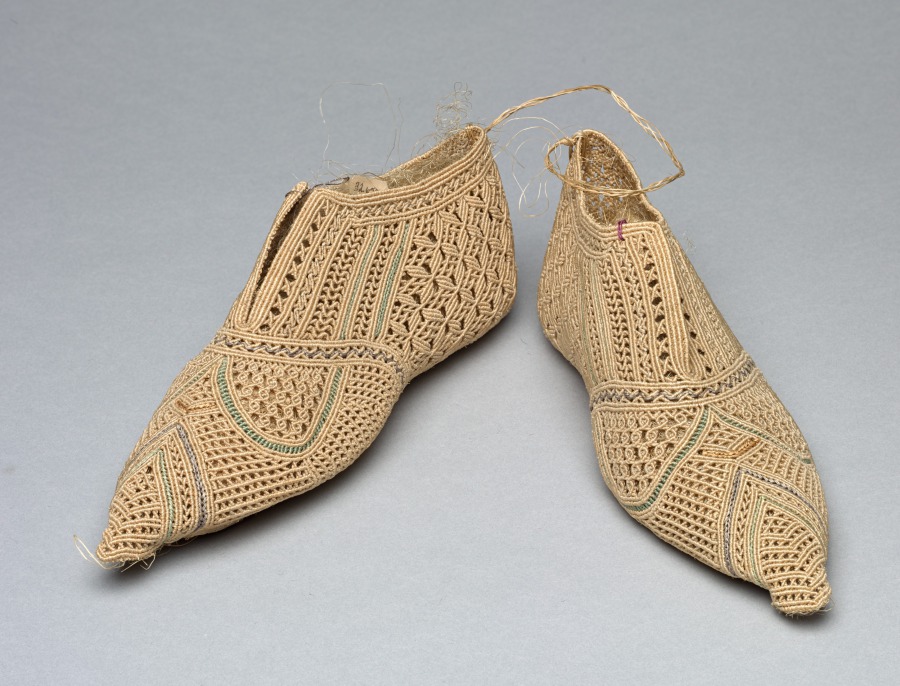
Pair of Shoes at the Cleveland Museum of Art: 1850–1932, Abacá fiber: macramé knotted lace. Explore the work's context, creator attribution and collection history.

Alb at the Cleveland Museum of Art: Embroidered Linen: 1600s; Lace Flounce: 1700s, Plain weave linen embroidered in gold and silver; linen bobbin lace (Point d’Angleterre a Reseau). Explore the work's context, creator attribution and collec

Explore evening cape (1895) by House of Worth: materials, catalogue facts and collection credit from the Met's Costume Institute.