Net Worth →

Art & Design archive — Page 175

Oldest entries first, in a fixed order. Newly added articles appear at the end. Explore a shuffled selection →

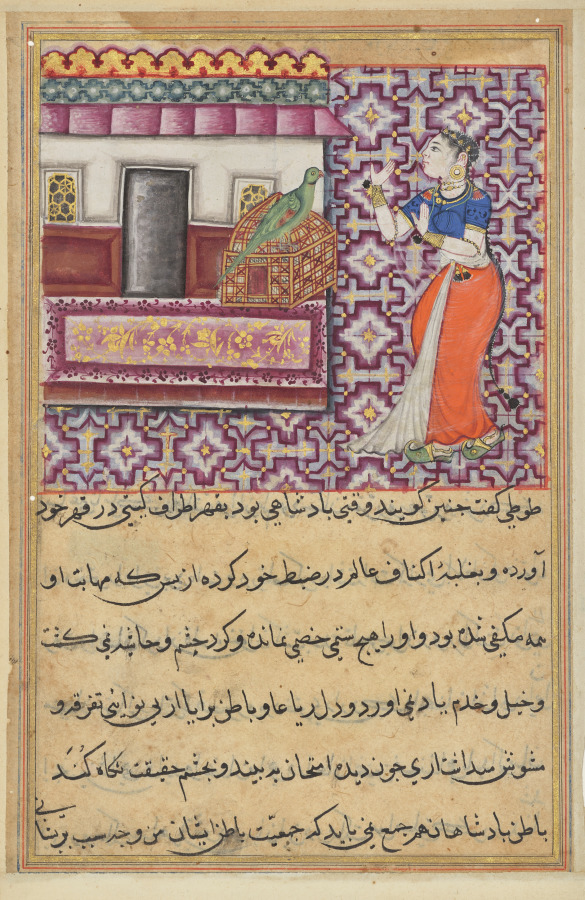
The merchant of Tirmiz takes the wise parrot and myna to ‘Ubaid, from a Tuti-nama (Tales of a Parrot): Forty-second Night (c. 1560; Cleveland 1962.279.269.b)

The merchant of Tirmiz takes the wise parrot and myna to ‘Ubaid, from a Tuti-nama (Tales of a Parrot): Forty-second Night (c. 1560): Art, History and Details

The merchant of Tirmiz takes the wise parrot and myna to ‘Ubaid, from a Tuti-nama (Tales of a Parrot): Forty-second Night at the Cleveland Museum of Art: c. 1560, gum tempera, ink, and gold on paper. Explore the work's context, creator attr
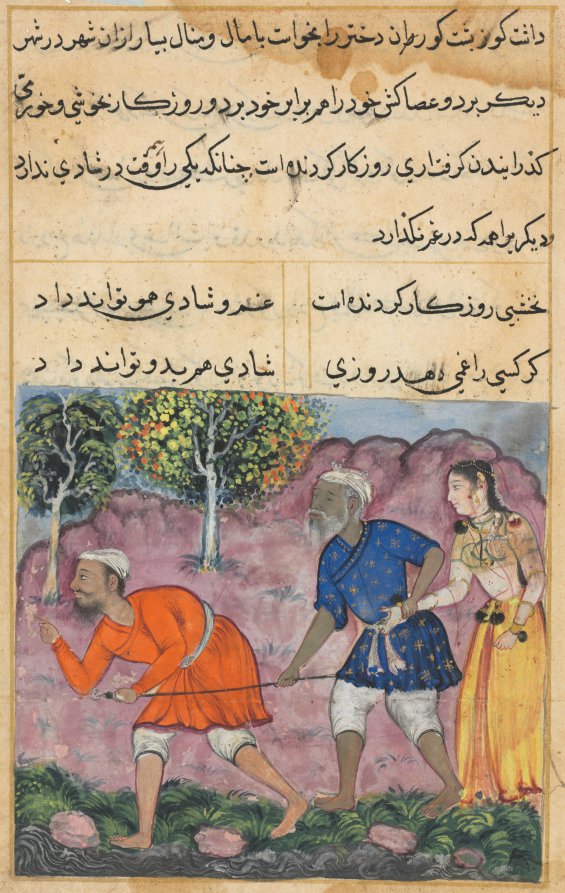
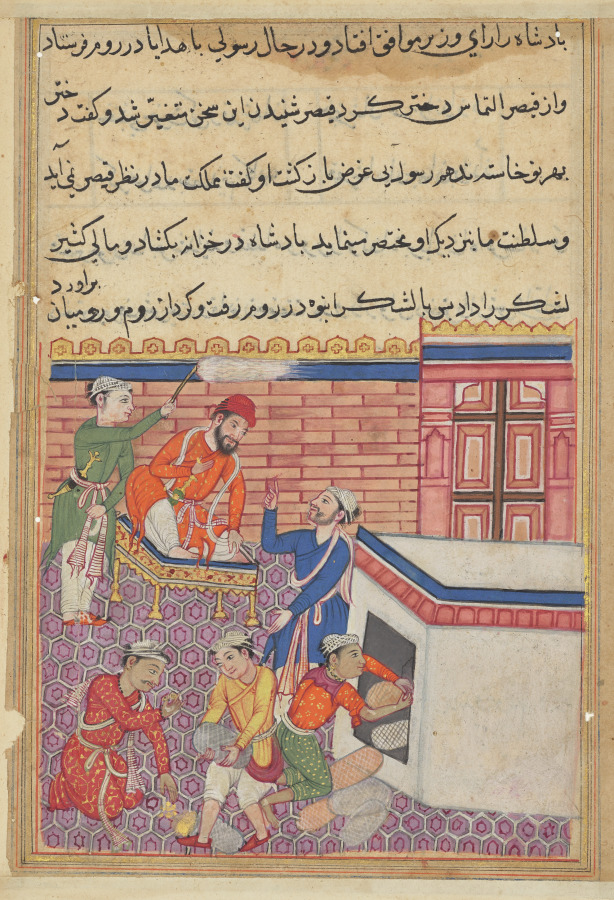
The Raja’s daughter, born with three breasts, accompanies her blind husband and his hunchback guide on a journey, from a Tuti-nama (Tales of a Parrot): Forty-second Night (c. 1560; Cleveland 1962.279.271.a)

The Raja’s daughter, born with three breasts, accompanies her blind husband and his hunchback guide on a journey, from a Tuti-nama (Tales of a Parrot): Forty-second Night (c. 1560): Art, History and D

The Raja’s daughter, born with three breasts, accompanies her blind husband and his hunchback guide on a journey, from a Tuti-nama (Tales of a Parrot): Forty-second Night at the Cleveland Museum of Art: c. 1560, gum tempera, ink, and gold o

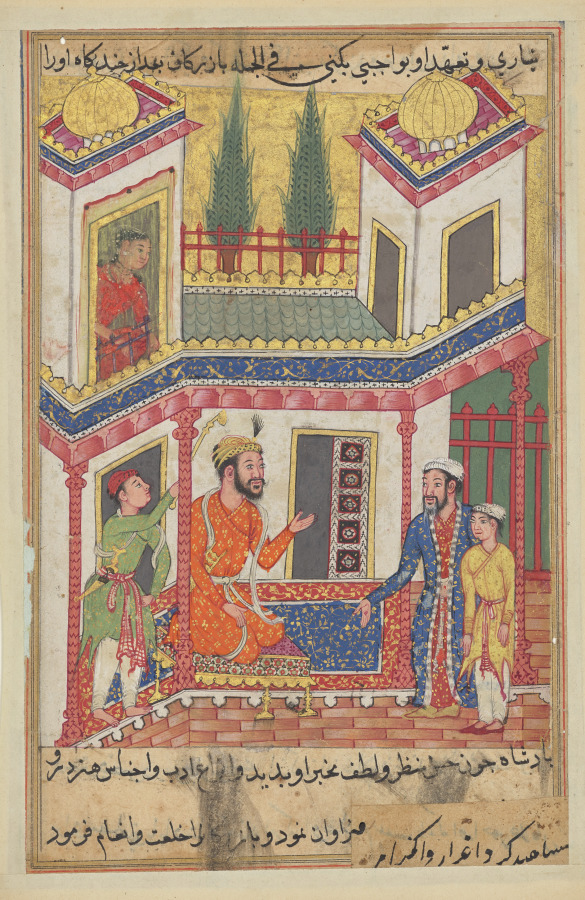
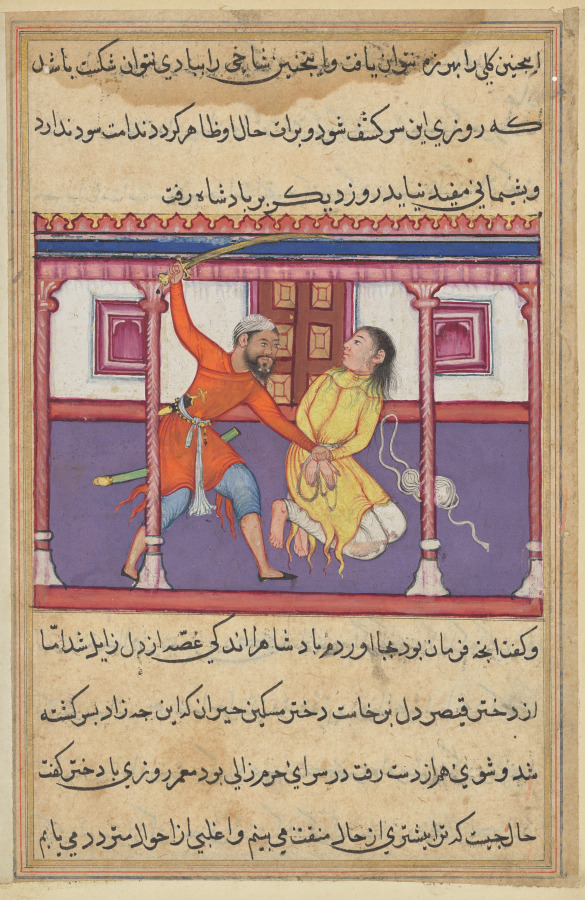
The Raja’s daughter and her lover stoned to death for adultery, from a Tuti-nama (Tales of a Parrot): Forty-Second Night (c. 1560; Cleveland 1962.279.272.b)

The Raja’s daughter and her lover stoned to death for adultery, from a Tuti-nama (Tales of a Parrot): Forty-Second Night (c. 1560): Art, History and Details

The Raja’s daughter and her lover stoned to death for adultery, from a Tuti-nama (Tales of a Parrot): Forty-Second Night at the Cleveland Museum of Art: c. 1560, gum tempera, ink, and gold on paper. Explore the work's context, creator attri

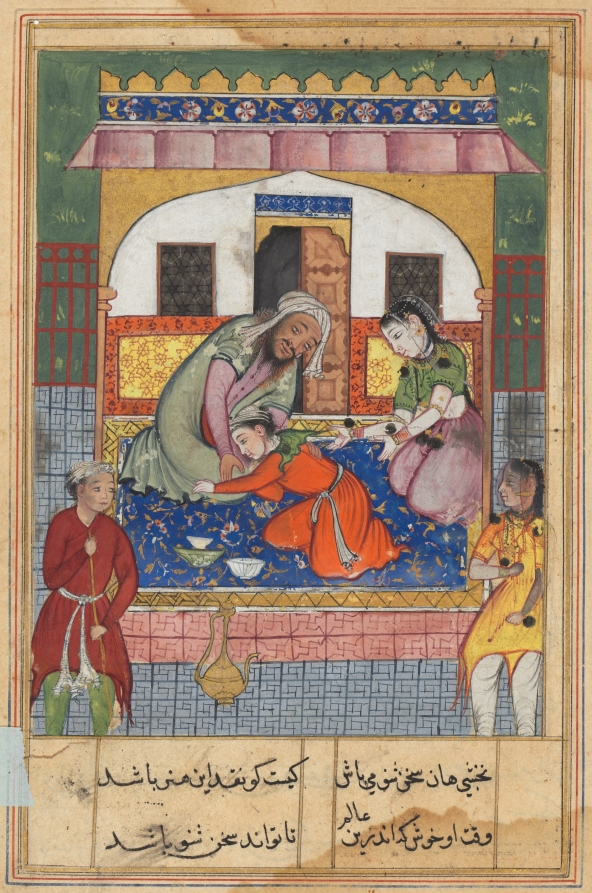
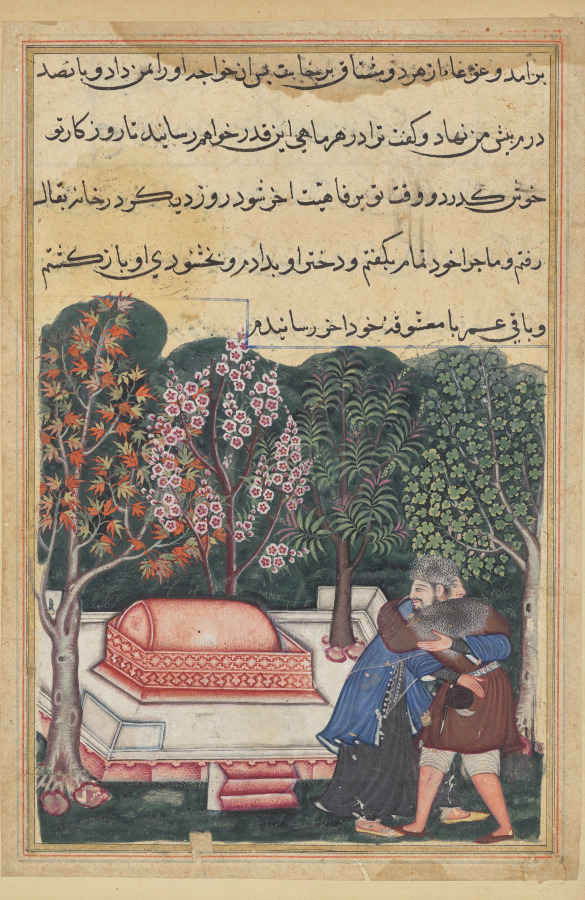
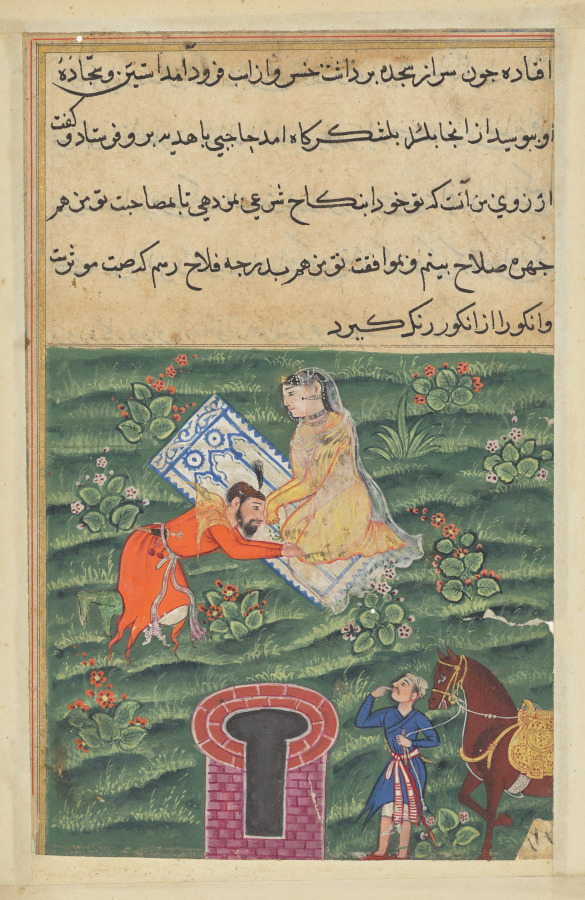
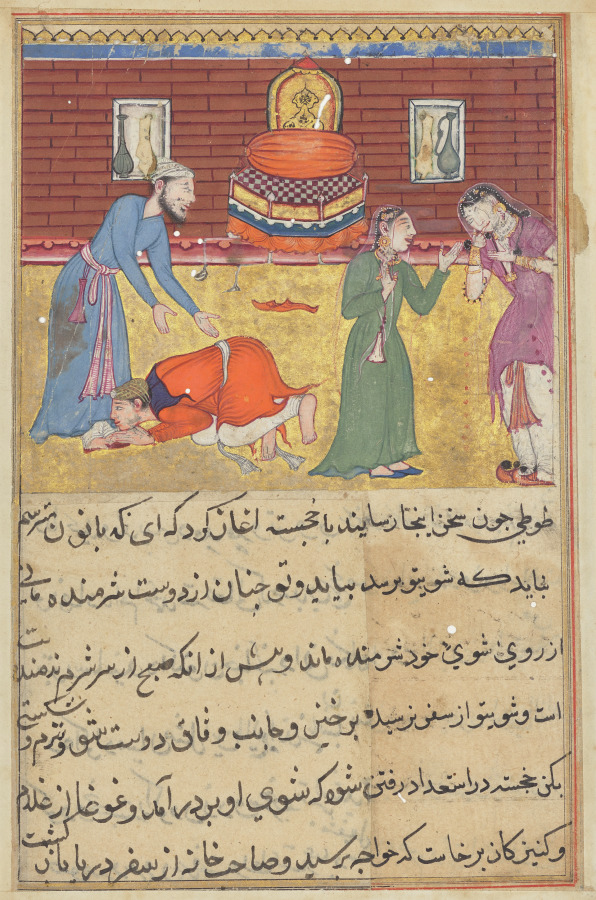
Repenting his conduct, ‘Ubaid falls at the feet of his parents, from a Tuti-nama (Tales of a Parrot): Forty-second Night (c. 1560; Cleveland 1962.279.275.a)

Repenting his conduct, ‘Ubaid falls at the feet of his parents, from a Tuti-nama (Tales of a Parrot): Forty-second Night (c. 1560): Art, History and Details

Repenting his conduct, ‘Ubaid falls at the feet of his parents, from a Tuti-nama (Tales of a Parrot): Forty-second Night at the Cleveland Museum of Art: c. 1560, gum tempera, ink, and gold on paper. Explore the work's context, creator attri

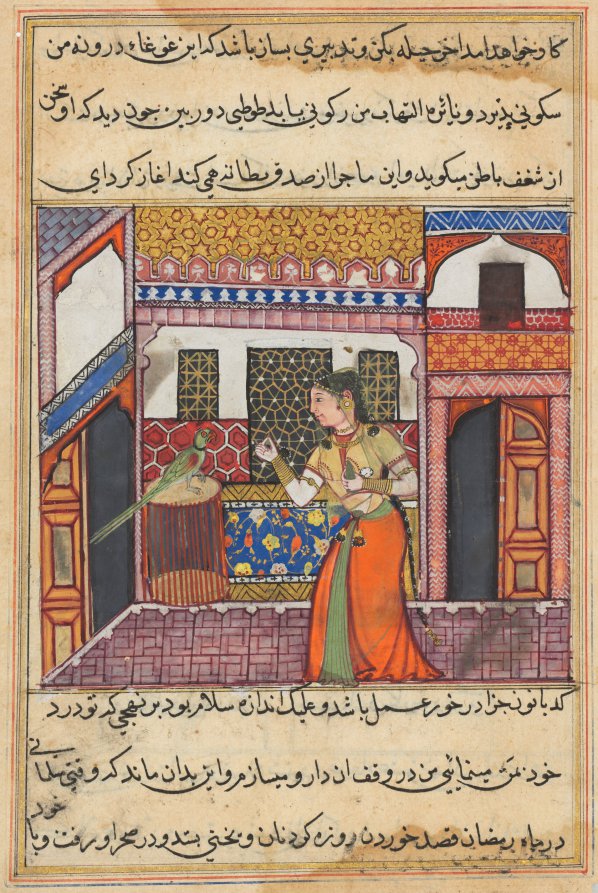
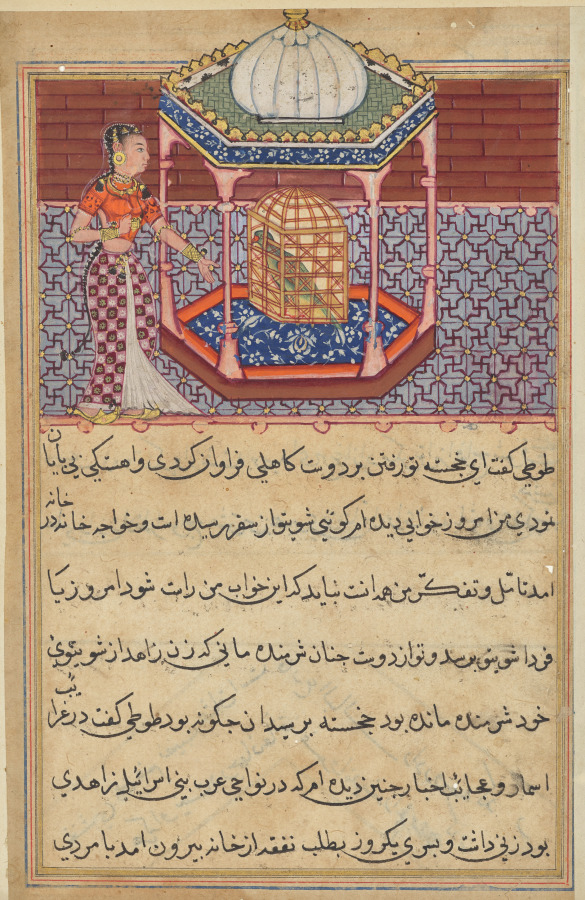
The parrot addresses Khujasta at the beginning of the forty-third night, from a Tuti-nama (Tales of a Parrot) (c. 1560; Cleveland 1962.279.276.a)

The parrot addresses Khujasta at the beginning of the forty-third night, from a Tuti-nama (Tales of a Parrot) (c. 1560): Art, History and Details

The parrot addresses Khujasta at the beginning of the forty-third night, from a Tuti-nama (Tales of a Parrot) at the Cleveland Museum of Art: c. 1560, gum tempera, ink, and gold on paper. Explore the work's context, creator attribution and

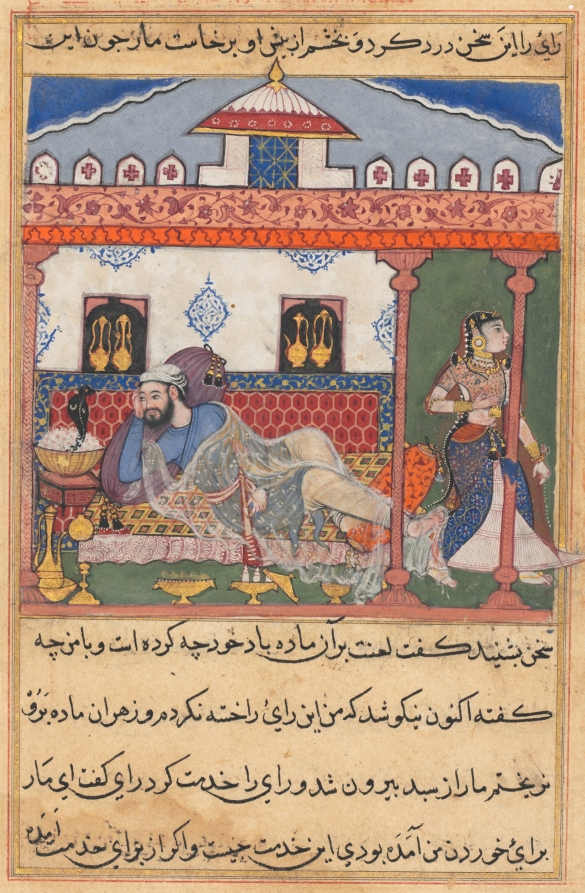
The snake, hidden in a basket of flowers, reveals himself to the Raja who has just sent away his wife, from a Tuti-nama (Tales of a Parrot): Forty-third Night (c. 1560; Cleveland 1962.279.278.b)

The snake, hidden in a basket of flowers, reveals himself to the Raja who has just sent away his wife, from a Tuti-nama (Tales of a Parrot): Forty-third Night (c. 1560): Art, History and Details

The snake, hidden in a basket of flowers, reveals himself to the Raja who has just sent away his wife, from a Tuti-nama (Tales of a Parrot): Forty-third Night at the Cleveland Museum of Art: c. 1560, gum tempera, ink, and gold on paper. Exp

The parrot addresses Khujasta at the beginning of the forty-fourth night, from a Tuti-nama (Tales of a Parrot) (c. 1560; Cleveland 1962.279.282.b)

The parrot addresses Khujasta at the beginning of the forty-fourth night, from a Tuti-nama (Tales of a Parrot) (c. 1560): Art, History and Details

The parrot addresses Khujasta at the beginning of the forty-fourth night, from a Tuti-nama (Tales of a Parrot) at the Cleveland Museum of Art: c. 1560, gum tempera, ink, and gold on paper. Explore the work's context, creator attribution and

The emir slays the snake after giving it shelter, from a Tuti-nama (Tales of a Parrot): Forty-fifth Night (c. 1560; Cleveland 1962.279.287.b)

The emir slays the snake after giving it shelter, from a Tuti-nama (Tales of a Parrot): Forty-fifth Night (c. 1560): Art, History and Details

The emir slays the snake after giving it shelter, from a Tuti-nama (Tales of a Parrot): Forty-fifth Night at the Cleveland Museum of Art: c. 1560, gum tempera, ink, and gold on paper. Explore the work's context, creator attribution and coll

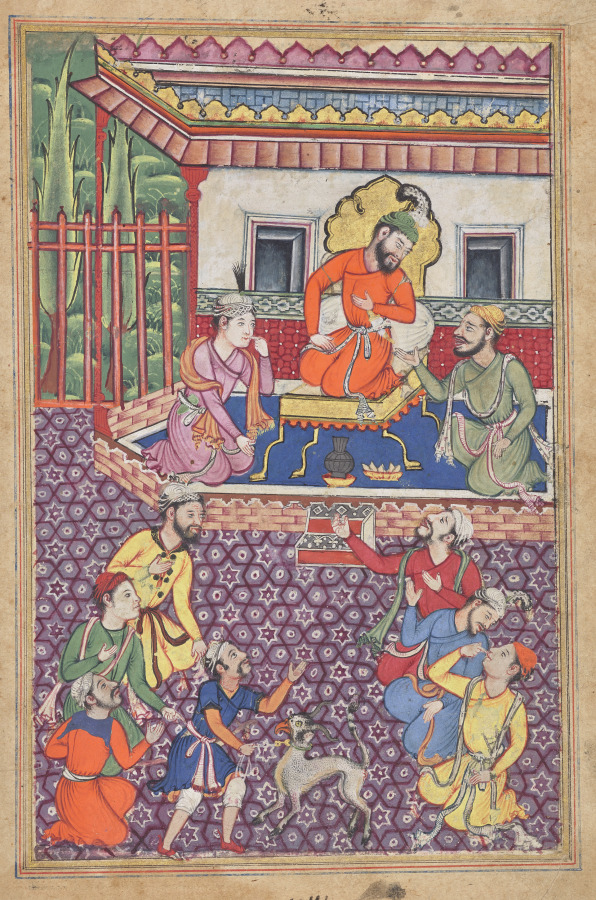
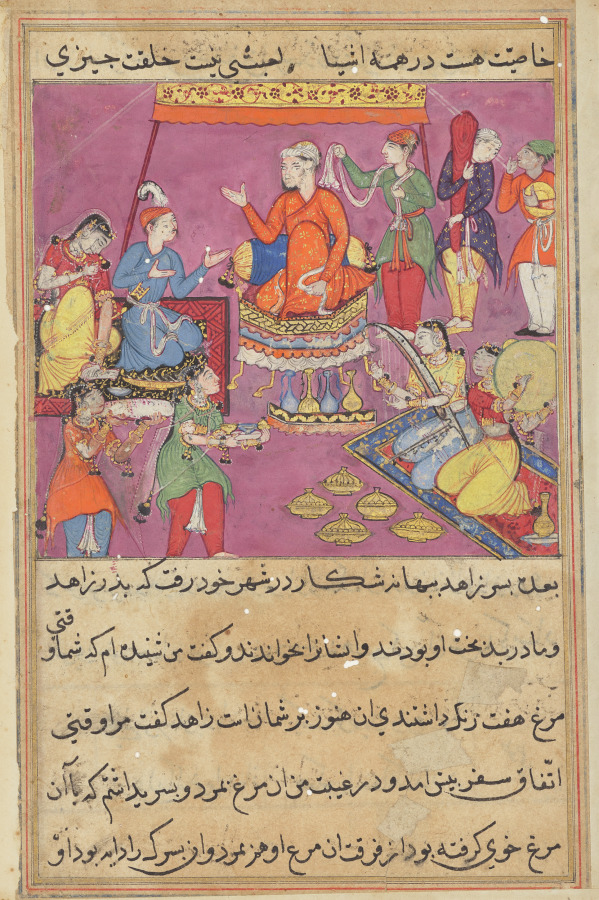
The court of the Raja of Ujjain, from a Tuti-nama (Tales of a Parrot): Forty-sixth Night (c. 1560; Cleveland 1962.279.291.b)

The court of the Raja of Ujjain, from a Tuti-nama (Tales of a Parrot): Forty-sixth Night (c. 1560): Art, History and Details

The court of the Raja of Ujjain, from a Tuti-nama (Tales of a Parrot): Forty-sixth Night at the Cleveland Museum of Art: c. 1560, gum tempera, ink, and gold on paper. Explore the work's context, creator attribution and collection history.

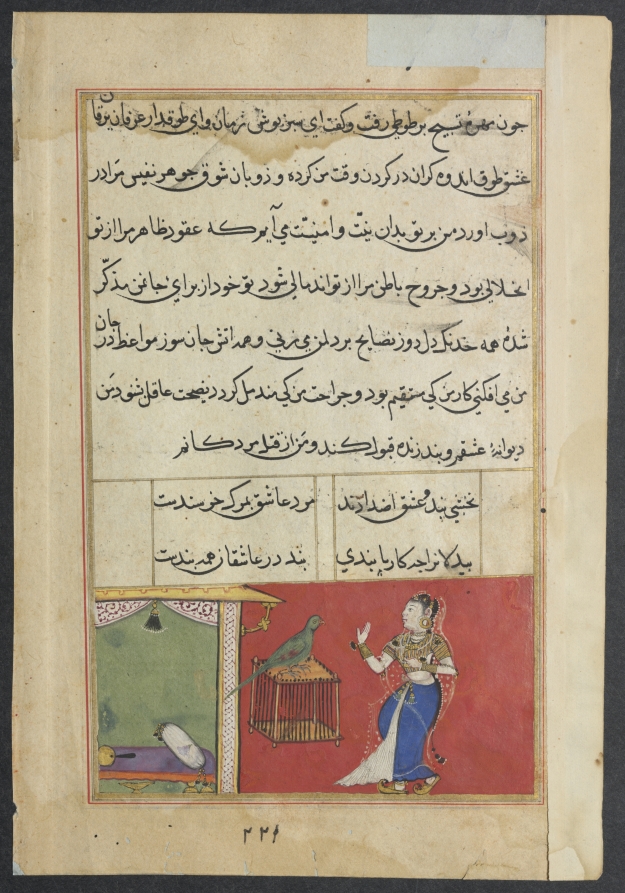
The parrot laughs on hearing the Raja of Ujjain’s wife admire her beauty in a mirror, from a Tuti-nama (Tales of a Parrot: Forty-sixth Night (c. 1560; Cleveland 1962.279.292.b)

The parrot laughs on hearing the Raja of Ujjain’s wife admire her beauty in a mirror, from a Tuti-nama (Tales of a Parrot: Forty-sixth Night (c. 1560): Art, History and Details

The parrot laughs on hearing the Raja of Ujjain’s wife admire her beauty in a mirror, from a Tuti-nama (Tales of a Parrot: Forty-sixth Night at the Cleveland Museum of Art: c. 1560, gum tempera, ink, and gold on paper. Explore the work's co

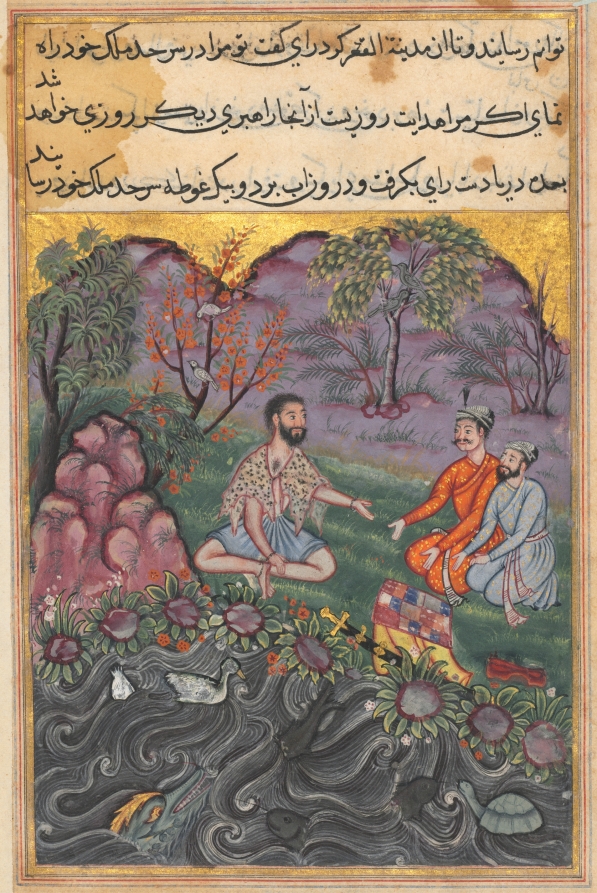
The Raja of Ujjain, who is traveling in the guise of a yogi, meets two brothers who ask him to equitably partition their father’s possession, from a Tuti-nama (Tales of a Parrot): Forty-sixth Night (c. 1560; Cleveland 1962.279.293.b)

The Raja of Ujjain, who is traveling in the guise of a yogi, meets two brothers who ask him to equitably partition their father’s possession, from a Tuti-nama (Tales of a Parrot): Forty-sixth Night (c

The Raja of Ujjain, who is traveling in the guise of a yogi, meets two brothers who ask him to equitably partition their father’s possession, from a Tuti-nama (Tales of a Parrot): Forty-sixth Night at the Cleveland Museum of Art: c. 1560, g

The parrot addresses Khujasta at the beginning of the forty-seventh night, from a Tuti-nama (Tales of a Parrot): Forty-seventh Night (c. 1560; Cleveland 1962.279.300.b)

The parrot addresses Khujasta at the beginning of the forty-seventh night, from a Tuti-nama (Tales of a Parrot): Forty-seventh Night (c. 1560): Art, History and Details

The parrot addresses Khujasta at the beginning of the forty-seventh night, from a Tuti-nama (Tales of a Parrot): Forty-seventh Night at the Cleveland Museum of Art: c. 1560, gum tempera, ink, and gold on paper. Explore the work's context, c

The four destitute friends go to a wise man who gives each one of them a magic shell to be placed on top of the turban, from a Tuti-nama (Tales of a Parrot): Forty-seventh Night (c. 1560; Cleveland 1962.279.301.b)

The four destitute friends go to a wise man who gives each one of them a magic shell to be placed on top of the turban, from a Tuti-nama (Tales of a Parrot): Forty-seventh Night (c. 1560): Art, Histor

The four destitute friends go to a wise man who gives each one of them a magic shell to be placed on top of the turban, from a Tuti-nama (Tales of a Parrot): Forty-seventh Night at the Cleveland Museum of Art: c. 1560, gum tempera, ink, and

The fourth man digs at the spot where he dropped the shell, expecting jewels, but discovering mere iron, from a Tuti-nama (Tales of a Parrot): Forty-seventh Night (c. 1560; Cleveland 1962.279.302.b)

The fourth man digs at the spot where he dropped the shell, expecting jewels, but discovering mere iron, from a Tuti-nama (Tales of a Parrot): Forty-seventh Night (c. 1560): Art, History and Details

The fourth man digs at the spot where he dropped the shell, expecting jewels, but discovering mere iron, from a Tuti-nama (Tales of a Parrot): Forty-seventh Night at the Cleveland Museum of Art: c. 1560, gum tempera, ink, and gold on paper.

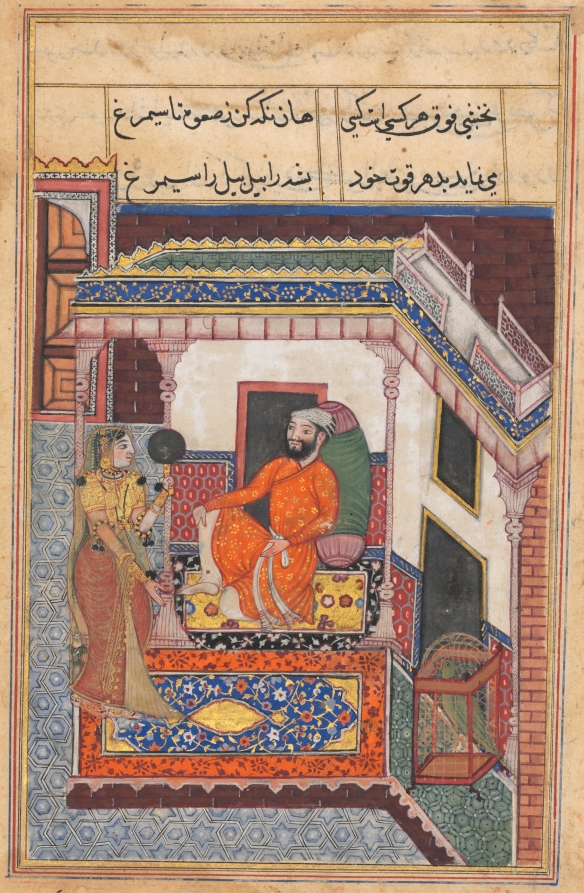
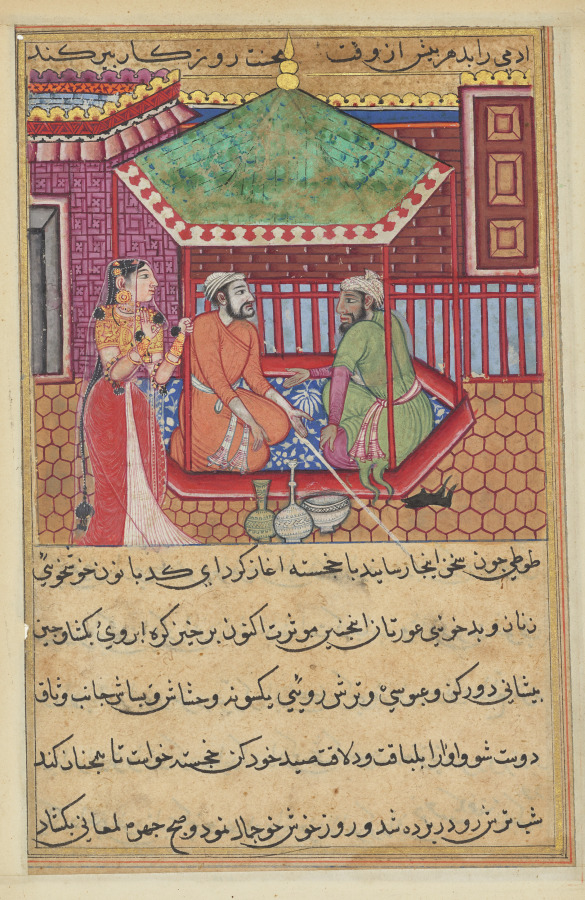
The young man of Baghdad solicits advice from a friend as his slave girl, who is adept at music, awaits, from a Tuti-nama (Tales of a Parrot): Forty-eighth Night (c. 1560; Cleveland 1962.279.305.a)

The young man of Baghdad solicits advice from a friend as his slave girl, who is adept at music, awaits, from a Tuti-nama (Tales of a Parrot): Forty-eighth Night (c. 1560): Art, History and Details

The young man of Baghdad solicits advice from a friend as his slave girl, who is adept at music, awaits, from a Tuti-nama (Tales of a Parrot): Forty-eighth Night at the Cleveland Museum of Art: c. 1560, gum tempera, ink, and gold on paper.

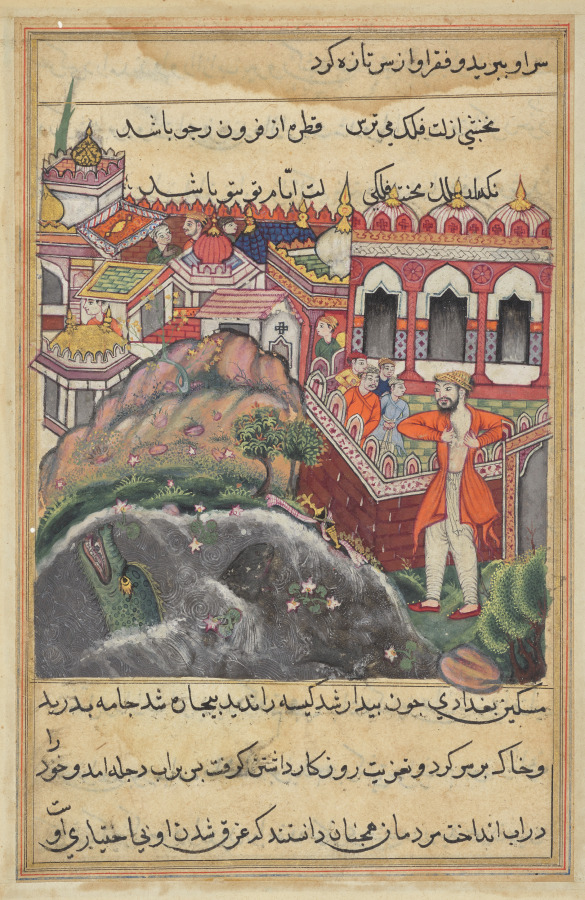
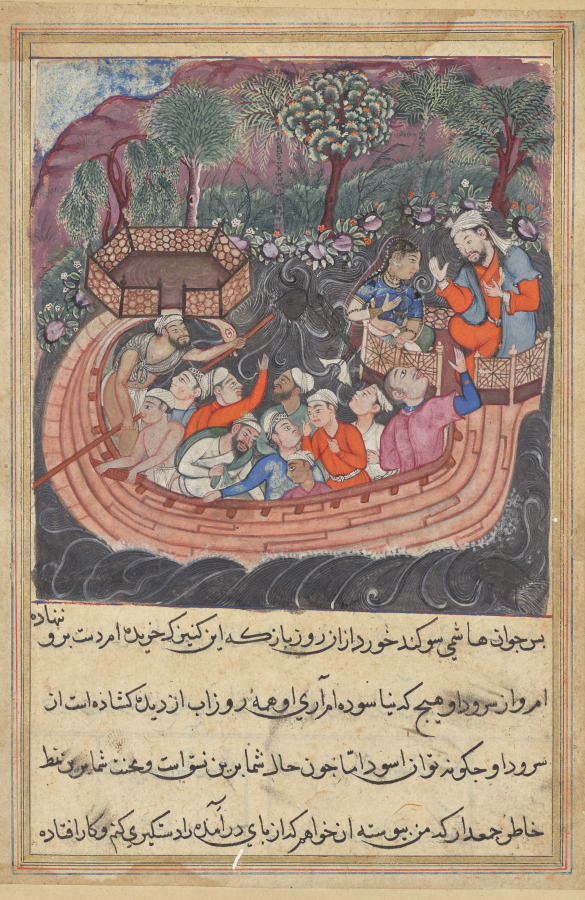
The bag of gold which he received for the slave girl being stolen in a mosque, the young man of Baghdad tears his cloths and is about to fling himself into the Tigris, from a Tuti-nama (Tales of a Parrot): Forty-eighth Night (c. 1560; Cleveland 1962.279.306.a)

The bag of gold which he received for the slave girl being stolen in a mosque, the young man of Baghdad tears his cloths and is about to fling himself into the Tigris, from a Tuti-nama (Tales of a Par

The bag of gold which he received for the slave girl being stolen in a mosque, the young man of Baghdad tears his cloths and is about to fling himself into the Tigris, from a Tuti-nama (Tales of a Parrot): Forty-eighth Night at the Clevelan

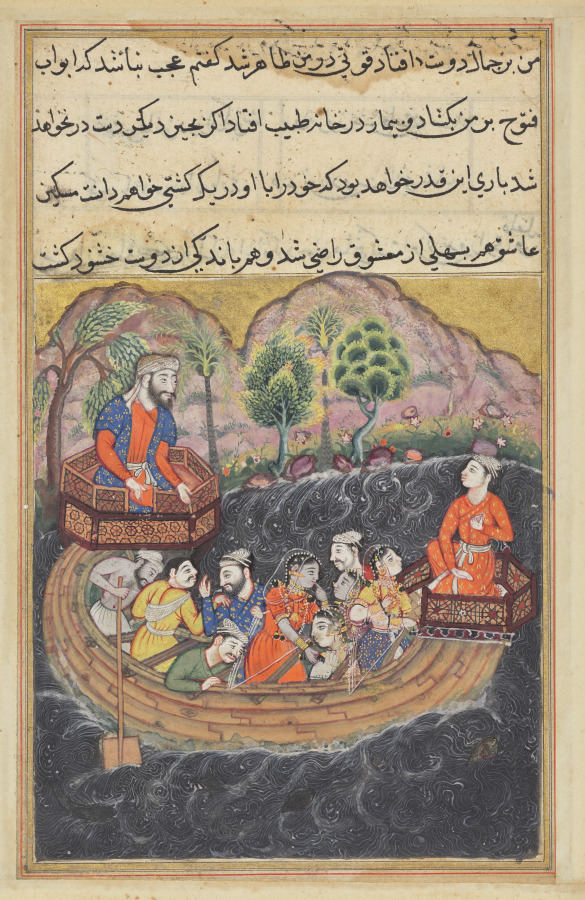
The young man of Baghdad joins the Hashimi’s boat as a sailor to find his slave-girl on board, from a Tuti-nama (Tales of a Parrot): Forty-eighth Night (c. 1560; Cleveland 1962.279.307.a)

The young man of Baghdad joins the Hashimi’s boat as a sailor to find his slave-girl on board, from a Tuti-nama (Tales of a Parrot): Forty-eighth Night (c. 1560): Art, History and Details

The young man of Baghdad joins the Hashimi’s boat as a sailor to find his slave-girl on board, from a Tuti-nama (Tales of a Parrot): Forty-eighth Night at the Cleveland Museum of Art: c. 1560, gum tempera, ink, and gold on paper. Explore th

The young man of Baghdad reveals his true identity to the Hashimi, from a Tuti-nama (Tales of a Parrot: Forty-eighth Night (c. 1560; Cleveland 1962.279.308.b)

The young man of Baghdad reveals his true identity to the Hashimi, from a Tuti-nama (Tales of a Parrot: Forty-eighth Night (c. 1560): Art, History and Details

The young man of Baghdad reveals his true identity to the Hashimi, from a Tuti-nama (Tales of a Parrot: Forty-eighth Night at the Cleveland Museum of Art: c. 1560, gum tempera, ink, and gold on paper. Explore the work's context, creator att

The young man of Baghdad reunited with his slave-girl, from a Tuti-nama (Tales of a Parrot): Forty-eighth Night (c. 1560; Cleveland 1962.279.310.a)

The young man of Baghdad reunited with his slave-girl, from a Tuti-nama (Tales of a Parrot): Forty-eighth Night (c. 1560): Art, History and Details

The young man of Baghdad reunited with his slave-girl, from a Tuti-nama (Tales of a Parrot): Forty-eighth Night at the Cleveland Museum of Art: c. 1560, gum tempera, ink, and gold on paper. Explore the work's context, creator attribution an

The parrot addresses Khujasta at the beginning of the forty-ninth night, from a Tuti-nama (Tales of a Parrot): Forty-Ninth Night (c. 1560; Cleveland 1962.279.311.a)

The parrot addresses Khujasta at the beginning of the forty-ninth night, from a Tuti-nama (Tales of a Parrot): Forty-Ninth Night (c. 1560): Art, History and Details

The parrot addresses Khujasta at the beginning of the forty-ninth night, from a Tuti-nama (Tales of a Parrot): Forty-Ninth Night at the Cleveland Museum of Art: c. 1560, gum tempera, ink, and gold on paper. Explore the work's context, creat

The eldest brother explains the reason for his youthful appearance, from a Tuti-nama (Tales of a Parrot): Forty-ninth Night (c. 1560; Cleveland 1962.279.315.a)

The eldest brother explains the reason for his youthful appearance, from a Tuti-nama (Tales of a Parrot): Forty-ninth Night (c. 1560): Art, History and Details

The eldest brother explains the reason for his youthful appearance, from a Tuti-nama (Tales of a Parrot): Forty-ninth Night at the Cleveland Museum of Art: c. 1560, gum tempera, ink, and gold on paper. Explore the work's context, creator at

The parrot addresses Khujasta at the beginning of the fiftieth night, from a Tuti-nama (Tales of a Parrot): Fiftieth Night (c. 1560; Cleveland 1962.279.316.a)

The parrot addresses Khujasta at the beginning of the fiftieth night, from a Tuti-nama (Tales of a Parrot): Fiftieth Night (c. 1560): Art, History and Details

The parrot addresses Khujasta at the beginning of the fiftieth night, from a Tuti-nama (Tales of a Parrot): Fiftieth Night at the Cleveland Museum of Art: c. 1560, gum tempera, ink, and gold on paper. Explore the work's context, creator att

The king’s emissary being provided with gifts for his mission to Rum in order to seek the hand of the emperor’s daughter in marriage, from a Tuti-nama (Tales of a Parrot): Fiftieth Night (c. 1560; Cleveland 1962.279.317.a)

The king’s emissary being provided with gifts for his mission to Rum in order to seek the hand of the emperor’s daughter in marriage, from a Tuti-nama (Tales of a Parrot): Fiftieth Night (c. 1560): Ar

The king’s emissary being provided with gifts for his mission to Rum in order to seek the hand of the emperor’s daughter in marriage, from a Tuti-nama (Tales of a Parrot): Fiftieth Night at the Cleveland Museum of Art: c. 1560, gum tempera,

The merchant returns bringing a young slave who is really the son of the princess of Rum, now married to the king, from a Tuti-nama (Tales of a Parrot): Fiftieth Night (c. 1560; Cleveland 1962.279.318.b)

The merchant returns bringing a young slave who is really the son of the princess of Rum, now married to the king, from a Tuti-nama (Tales of a Parrot): Fiftieth Night (c. 1560): Art, History and Deta

The merchant returns bringing a young slave who is really the son of the princess of Rum, now married to the king, from a Tuti-nama (Tales of a Parrot): Fiftieth Night at the Cleveland Museum of Art: c. 1560, gum tempera, ink, and gold on p

The guard spares the life of the slave when he learns that he is the son of the princess of the Rum, from a Tuti-nama (Tales of a Parrot): Fiftieth Night (c. 1560; Cleveland 1962.279.321.b)

The guard spares the life of the slave when he learns that he is the son of the princess of the Rum, from a Tuti-nama (Tales of a Parrot): Fiftieth Night (c. 1560): Art, History and Details

The guard spares the life of the slave when he learns that he is the son of the princess of the Rum, from a Tuti-nama (Tales of a Parrot): Fiftieth Night at the Cleveland Museum of Art: c. 1560, gum tempera, ink, and gold on paper. Explore

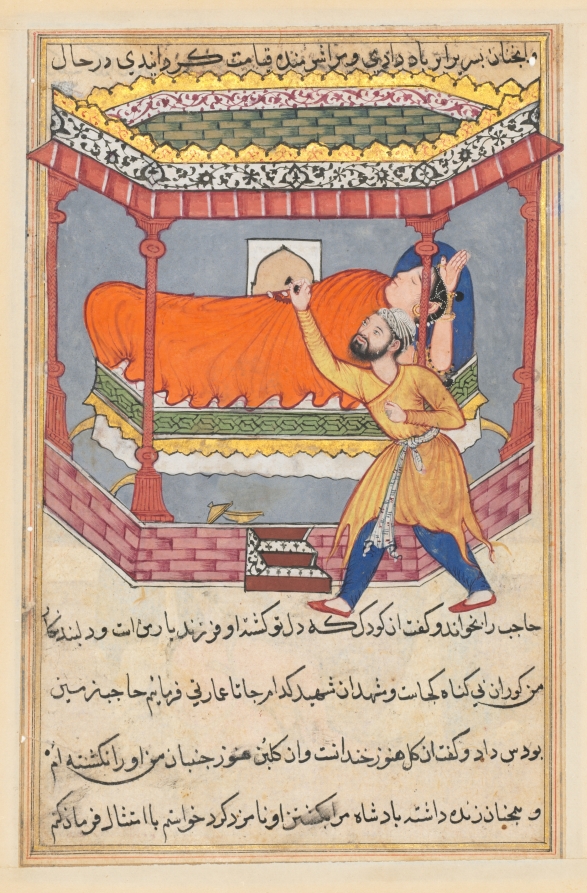
The king places the talisman on his sleeping wife, from a Tuti-nama (Tales of a Parrot): Fiftieth Night (c. 1560; Cleveland 1962.279.323.a)

The king places the talisman on his sleeping wife, from a Tuti-nama (Tales of a Parrot): Fiftieth Night (c. 1560): Art, History and Details

The king places the talisman on his sleeping wife, from a Tuti-nama (Tales of a Parrot): Fiftieth Night at the Cleveland Museum of Art: c. 1560, gum tempera, ink, and gold on paper. Explore the work's context, creator attribution and collec

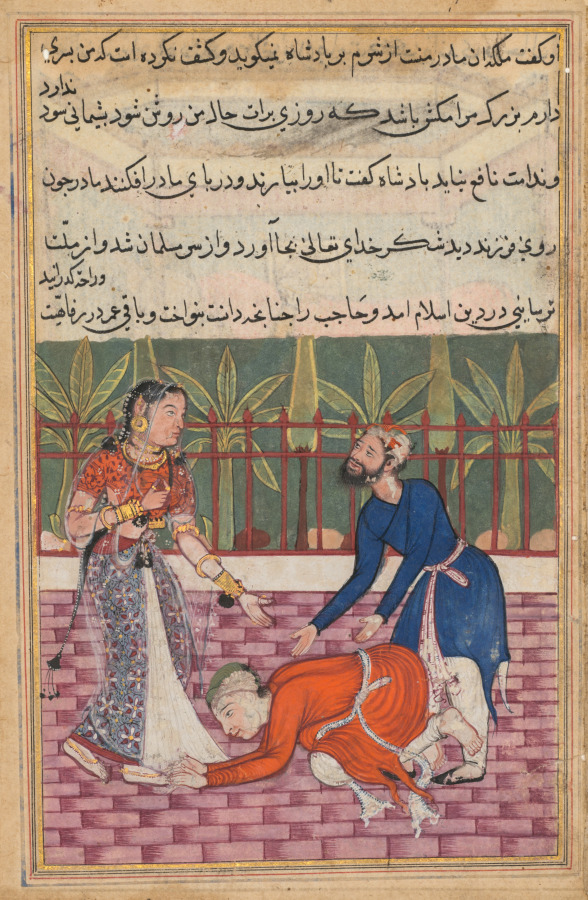
The guard restores the son who falls at his mother’s feet, from a Tuti-nama (Tales of a Parrot): Fiftieth Night (c. 1560; Cleveland 1962.279.323.b)

The guard restores the son who falls at his mother’s feet, from a Tuti-nama (Tales of a Parrot): Fiftieth Night (c. 1560): Art, History and Details

The guard restores the son who falls at his mother’s feet, from a Tuti-nama (Tales of a Parrot): Fiftieth Night at the Cleveland Museum of Art: c. 1560, gum tempera, ink, and gold on paper. Explore the work's context, creator attribution an

The parrot addresses Khujasta at the beginning of the fifty-first night, from a Tuti-nama (Tales of a Parrot): Fifty-first Night (c. 1560; Cleveland 1962.279.324.b)

The parrot addresses Khujasta at the beginning of the fifty-first night, from a Tuti-nama (Tales of a Parrot): Fifty-first Night (c. 1560): Art, History and Details

The parrot addresses Khujasta at the beginning of the fifty-first night, from a Tuti-nama (Tales of a Parrot): Fifty-first Night at the Cleveland Museum of Art: c. 1560, gum tempera, ink, and gold on paper. Explore the work's context, creat

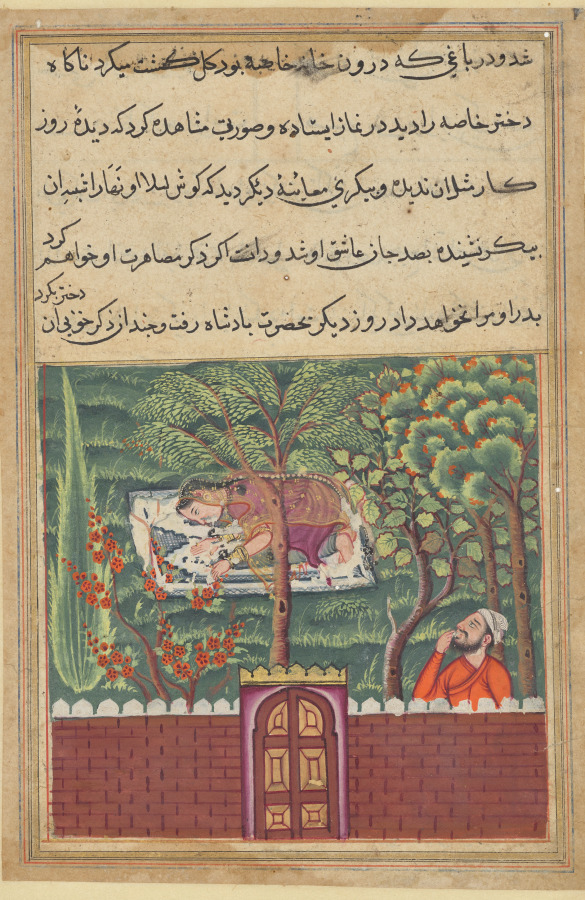
Khulasa, a vizier, sees the daughter of Khassa, another vizier, and covets her, from a Tuti-nama (Tales of a Parrot): Fifty-first Night (c. 1560; Cleveland 1962.279.325.b)

Khulasa, a vizier, sees the daughter of Khassa, another vizier, and covets her, from a Tuti-nama (Tales of a Parrot): Fifty-first Night (c. 1560): Art, History and Details

Khulasa, a vizier, sees the daughter of Khassa, another vizier, and covets her, from a Tuti-nama (Tales of a Parrot): Fifty-first Night at the Cleveland Museum of Art: c. 1560, gum tempera, ink, and gold on paper. Explore the work's context

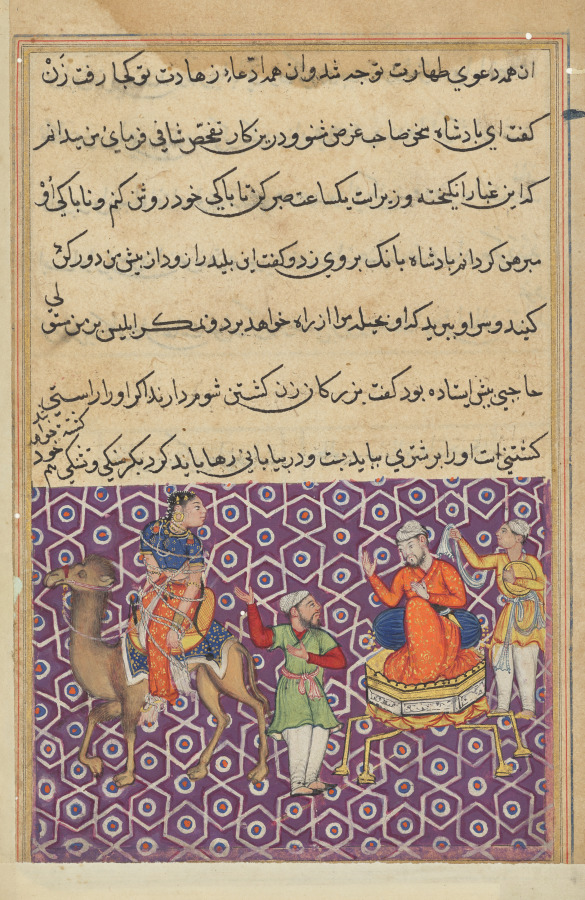
King Bahram, who has married Khassa’s daughter, has her tied to a camel to be abandoned in the desert as a result of false accusations made by Khulasa, from a Tuti-nama (Tales of a Parrot): Fifty-first Night (c. 1560; Cleveland 1962.279.328.a)

King Bahram, who has married Khassa’s daughter, has her tied to a camel to be abandoned in the desert as a result of false accusations made by Khulasa, from a Tuti-nama (Tales of a Parrot): Fifty-firs

King Bahram, who has married Khassa’s daughter, has her tied to a camel to be abandoned in the desert as a result of false accusations made by Khulasa, from a Tuti-nama (Tales of a Parrot): Fifty-first Night at the Cleveland Museum of Art:

Khusrau, the King of Kings, pays homage to the pious daughter of Khassa, from a Tuti-nama (Tales of a Parrot): Fifty-first Night (c. 1560; Cleveland 1962.279.329.b)

Khusrau, the King of Kings, pays homage to the pious daughter of Khassa, from a Tuti-nama (Tales of a Parrot): Fifty-first Night (c. 1560): Art, History and Details

Khusrau, the King of Kings, pays homage to the pious daughter of Khassa, from a Tuti-nama (Tales of a Parrot): Fifty-first Night at the Cleveland Museum of Art: c. 1560, gum tempera, ink, and gold on paper. Explore the work's context, creat

The parrot addresses Khujasta at the beginning of the fifty-second night, from a Tuti-nama (Tales of a Parrot): Fifty-second Night (c. 1560; Cleveland 1962.279.332.b)

The parrot addresses Khujasta at the beginning of the fifty-second night, from a Tuti-nama (Tales of a Parrot): Fifty-second Night (c. 1560): Art, History and Details

The parrot addresses Khujasta at the beginning of the fifty-second night, from a Tuti-nama (Tales of a Parrot): Fifty-second Night at the Cleveland Museum of Art: c. 1560, gum tempera, ink, and gold on paper. Explore the work's context, cre

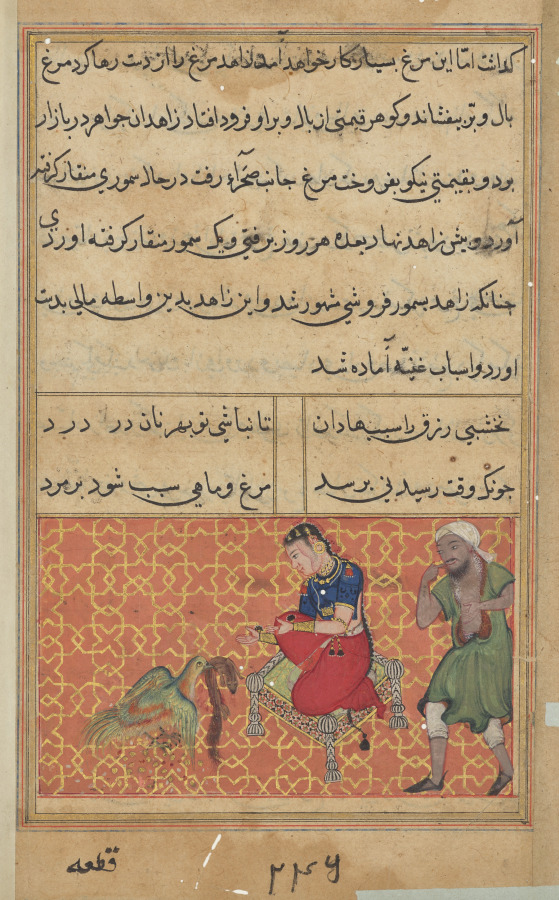
The bird of seven colors brings a sable to the pious man, from a Tuti-nama (Tales of a Parrot): Fifty-second Night (c. 1560; Cleveland 1962.279.333.b)

The bird of seven colors brings a sable to the pious man, from a Tuti-nama (Tales of a Parrot): Fifty-second Night (c. 1560): Art, History and Details

The bird of seven colors brings a sable to the pious man, from a Tuti-nama (Tales of a Parrot): Fifty-second Night at the Cleveland Museum of Art: c. 1560, gum tempera, ink, and gold on paper. Explore the work's context, creator attribution

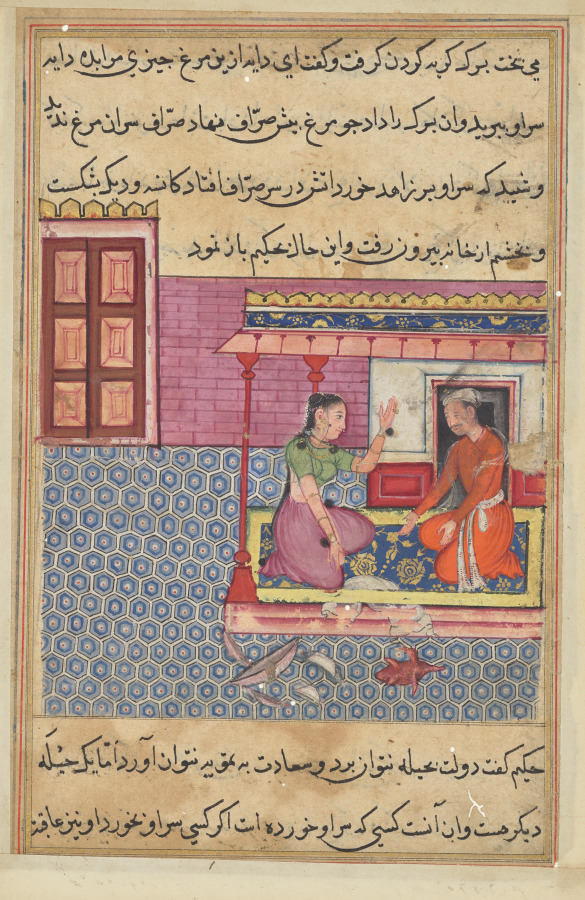
The pious man’s wife offers the seven-colored bird as food to her lover, but not finding its head, he breaks the pot and bowl in anger, from a Tuti-nama (Tales of a Parrot): Fifty-second Night (c. 1560; Cleveland 1962.279.335.b)

The pious man’s wife offers the seven-colored bird as food to her lover, but not finding its head, he breaks the pot and bowl in anger, from a Tuti-nama (Tales of a Parrot): Fifty-second Night (c. 156

The pious man’s wife offers the seven-colored bird as food to her lover, but not finding its head, he breaks the pot and bowl in anger, from a Tuti-nama (Tales of a Parrot): Fifty-second Night at the Cleveland Museum of Art: c. 1560, gum te

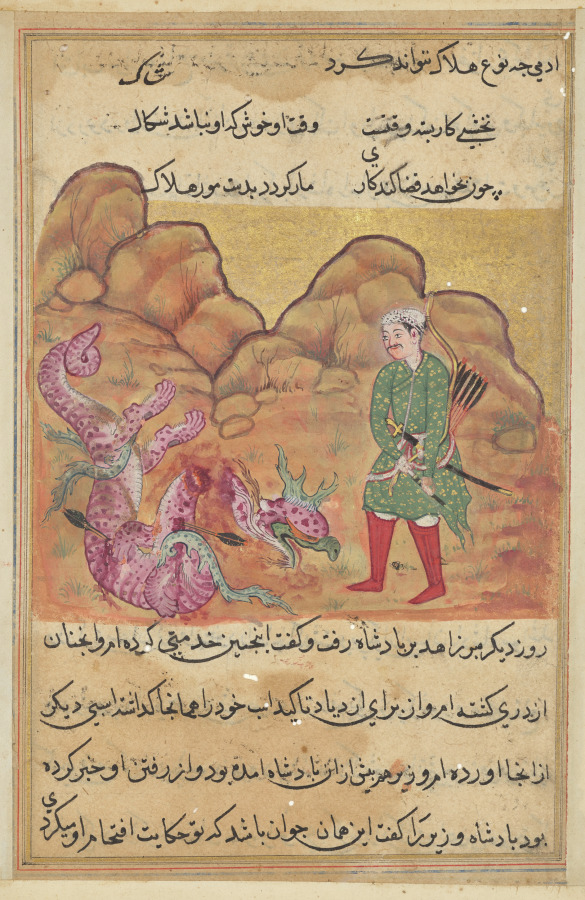
The son of the pious man slays the dragon, from a Tuti-nama (Tales of a Parrot): Fifty-second Night (c. 1560; Cleveland 1962.279.337.b)

The son of the pious man slays the dragon, from a Tuti-nama (Tales of a Parrot): Fifty-second Night (c. 1560): Art, History and Details

The son of the pious man slays the dragon, from a Tuti-nama (Tales of a Parrot): Fifty-second Night at the Cleveland Museum of Art: c. 1560, gum tempera, ink, and gold on paper. Explore the work's context, creator attribution and collection

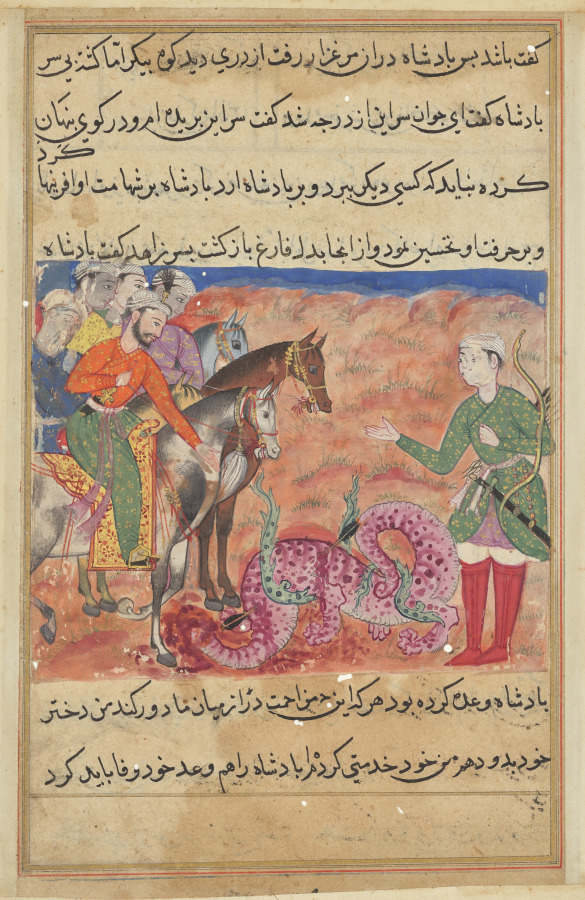
The pious man’s son presents the slain dragon to the king, from a Tuti-nama (Tales of a Parrot): Fifty-second Night (c. 1560; Cleveland 1962.279.338.a)

The pious man’s son presents the slain dragon to the king, from a Tuti-nama (Tales of a Parrot): Fifty-second Night (c. 1560): Art, History and Details

The pious man’s son presents the slain dragon to the king, from a Tuti-nama (Tales of a Parrot): Fifty-second Night at the Cleveland Museum of Art: c. 1560, gum tempera, ink, and gold on paper. Explore the work's context, creator attributio

The king gives his daughter in marriage to the pious man’s son, from a Tuti-nama (Tales of a Parrot): Fifty-second Night (c. 1560; Cleveland 1962.279.339.a)

The king gives his daughter in marriage to the pious man’s son, from a Tuti-nama (Tales of a Parrot): Fifty-second Night (c. 1560): Art, History and Details

The king gives his daughter in marriage to the pious man’s son, from a Tuti-nama (Tales of a Parrot): Fifty-second Night at the Cleveland Museum of Art: c. 1560, gum tempera, ink, and gold on paper. Explore the work's context, creator attri

The pious man’s son, now a king, reveals himself to his father; his nurse upbraids his unfaithful mother, from a Tuti-nama (Tales of a Parrot): Fifty-second Night (c. 1560; Cleveland 1962.279.340.a)

The pious man’s son, now a king, reveals himself to his father; his nurse upbraids his unfaithful mother, from a Tuti-nama (Tales of a Parrot): Fifty-second Night (c. 1560): Art, History and Details

The pious man’s son, now a king, reveals himself to his father; his nurse upbraids his unfaithful mother, from a Tuti-nama (Tales of a Parrot): Fifty-second Night at the Cleveland Museum of Art: c. 1560, gum tempera, ink, and gold on paper.

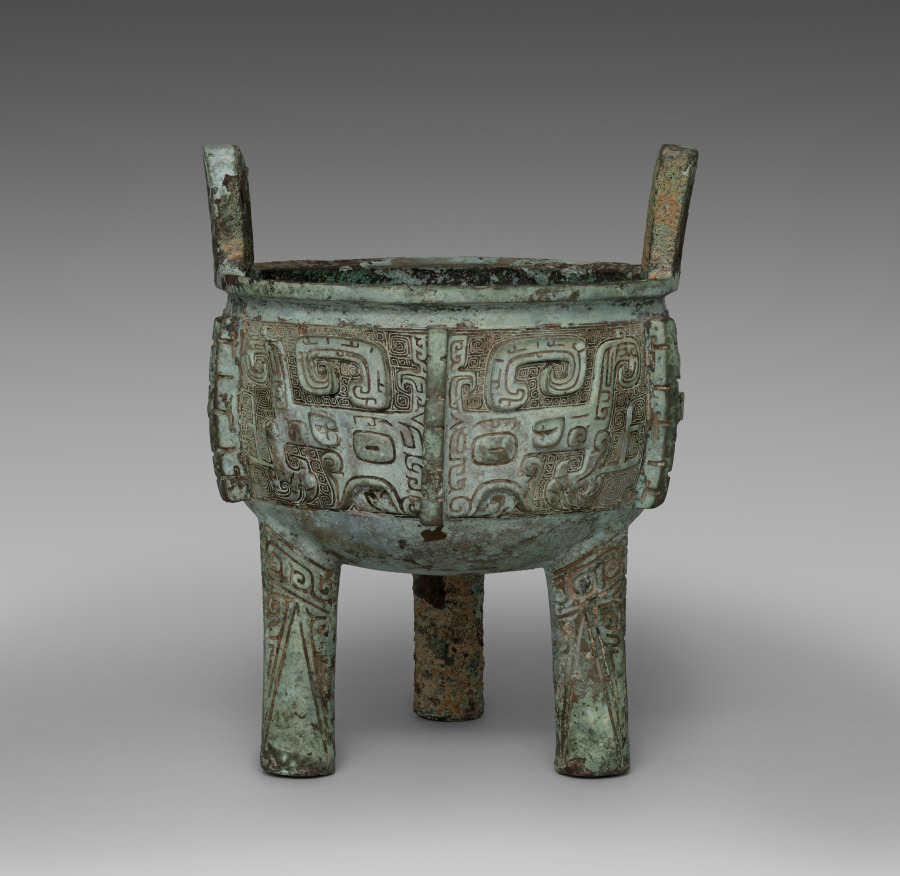
Tripod (Ding) (c. 1250–1046 BCE; Cleveland 1962.281)

Tripod (Ding) (c. 1250–1046 BCE): Art, History and Details

Tripod (Ding) at the Cleveland Museum of Art: c. 1250–1046 BCE, bronze. Explore the work's context, creator attribution and collection history.

Female Bust (c. 1470–1500; Cleveland 1962.283)

Female Bust (c. 1470–1500): Art, History and Details

Female Bust at the Cleveland Museum of Art: c. 1470–1500, Painted and gilded lindenwood. Explore the work's context, creator attribution and collection history.