Balaam and the Ass (1583): Art, History and Details
Balaam and the Ass at the Cleveland Museum of Art: 1583, Gouache heightened with gold on vellum laid down on panel. Explore the work's context, creator attribution and collection history.
Oldest entries first, in a fixed order. Newly added articles appear at the end. Explore a shuffled selection →
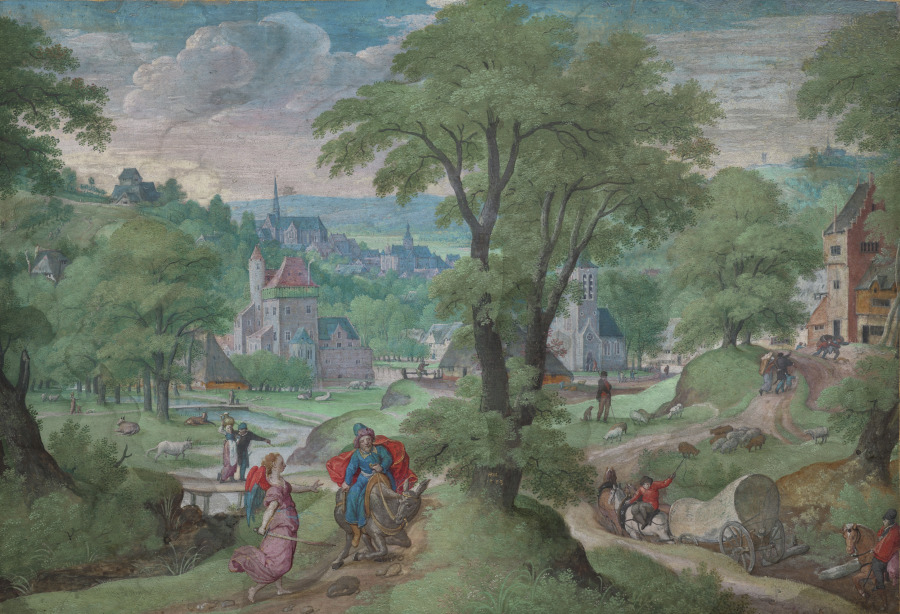
Balaam and the Ass at the Cleveland Museum of Art: 1583, Gouache heightened with gold on vellum laid down on panel. Explore the work's context, creator attribution and collection history.
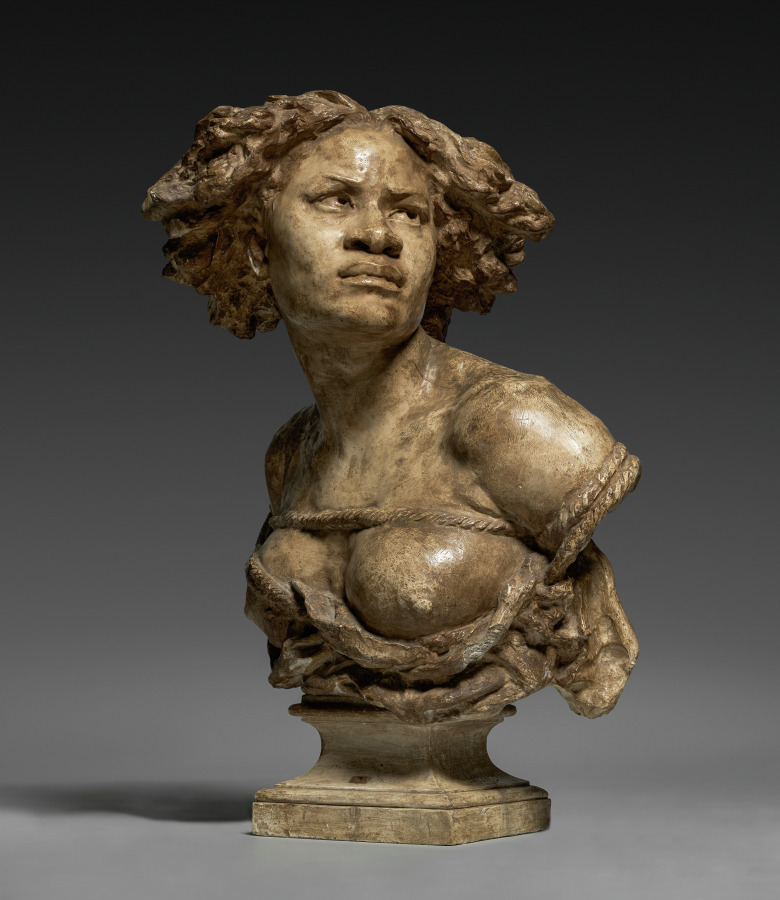
Why Born Enslaved! at the Cleveland Museum of Art: 1867, Plaster, original polychromed surface. Explore the work's context, creator attribution and collection history.

Knife Sheath at the Cleveland Museum of Art: 1100s, Gilt silver (body) and brass (trefoil-shaped ring). Explore the work's context, creator attribution and collection history.
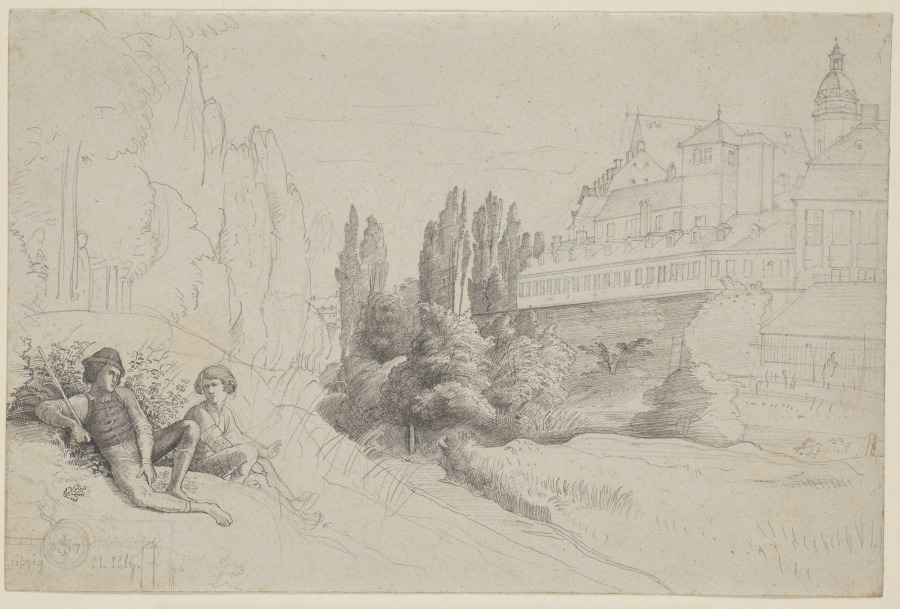
View across the Moat towards the Thomasschule and the Thomaskirche in Leipzig at the Cleveland Museum of Art: 1817, Pen and black ink and graphite on ivory wove paper. Explore the work's context, creator attribution and collection history.

Two Standing Apostles (probably Saint John the Evangelist and St. Paul) at the Cleveland Museum of Art: c. 1430, Alabaster. Explore the work's context, creator attribution and collection history.
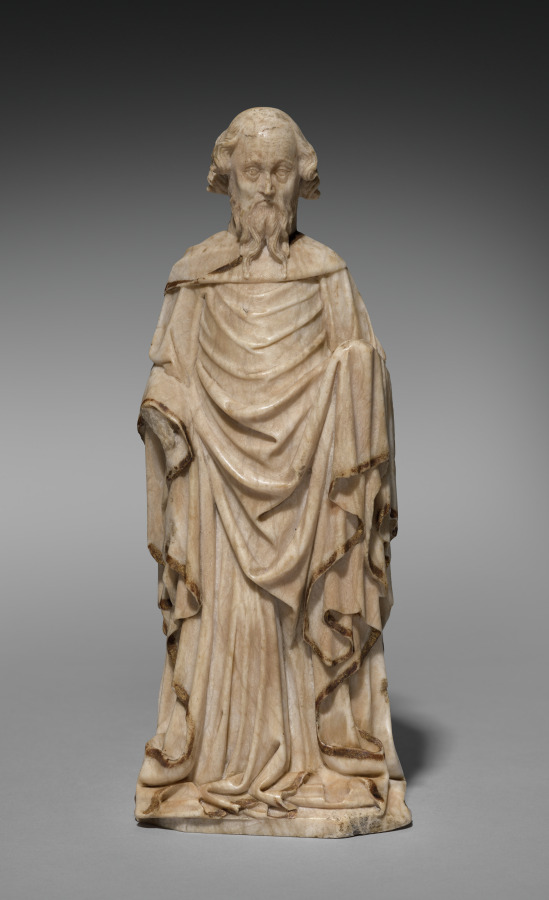
Standing Apostle (Saint Paul?) at the Cleveland Museum of Art: c. 1430, Alabaster. Explore the work's context, creator attribution and collection history.
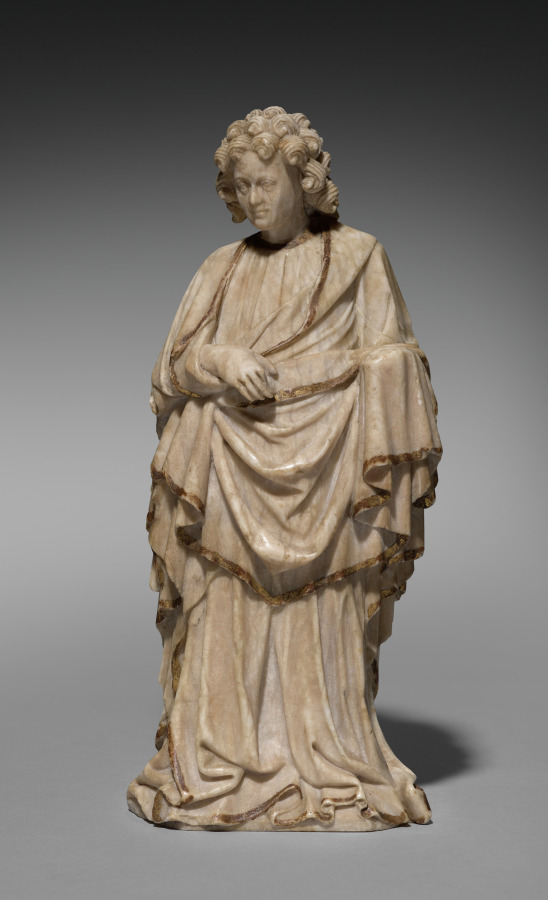
Standing Apostle (Probably Saint John the Evangelist) at the Cleveland Museum of Art: c. 1430, Alabaster. Explore the work's context, creator attribution and collection history.
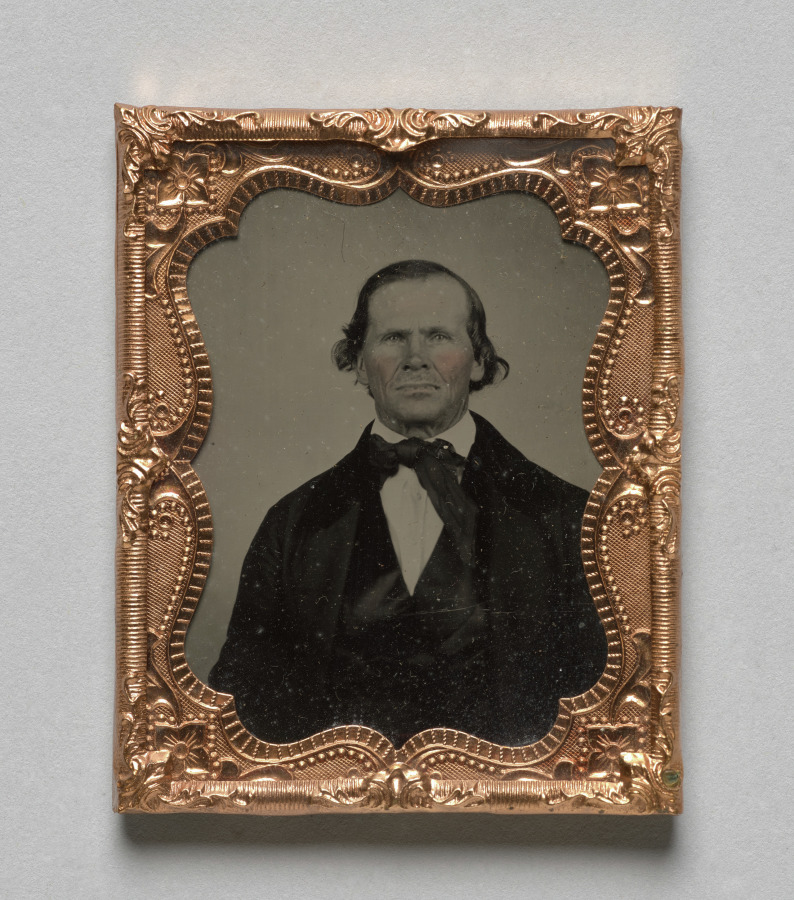
Husband at the Cleveland Museum of Art: c. 1860–65, ambrotype, hand-tinted. Explore the work's context, creator attribution and collection history.

Wife at the Cleveland Museum of Art: c. 1860–65, ambrotype, hand-tinted. Explore the work's context, creator attribution and collection history.
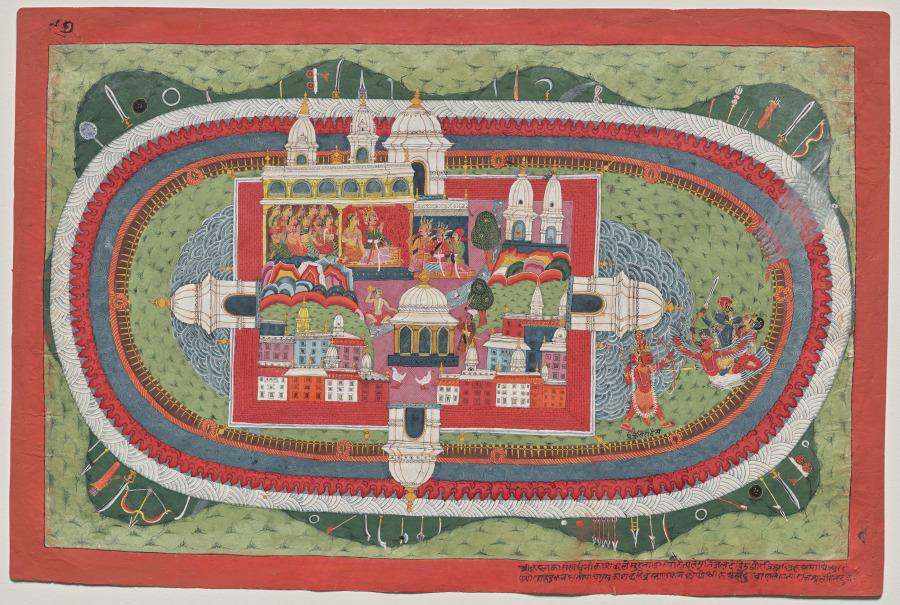
Krishna and Satyabhama Storm the Citadel of Naraka, folio 97 from a Bhagavata Purana at the Cleveland Museum of Art: c. 1775, Gum tempera and ink on paper. Explore the work's context, creator attribution and collection history.
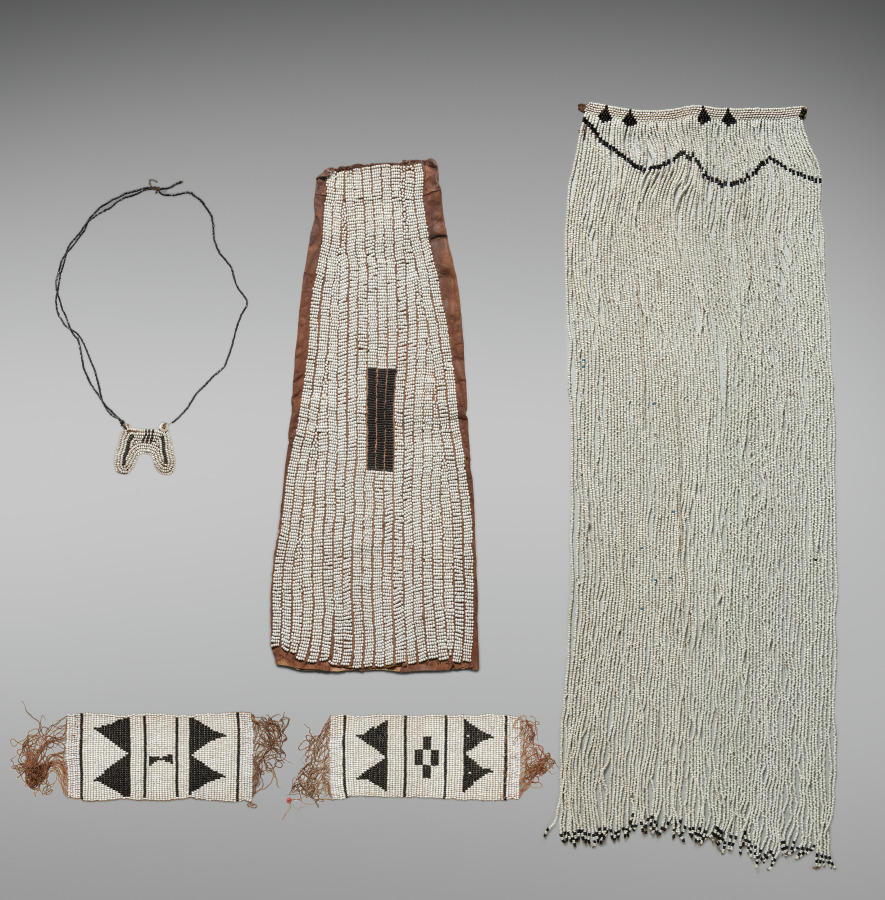
Ceremonial beadwork for a Xhosa royal woman: headdress (umnqwazi), pendant, breast cover (incebetha), pair of anklets (izitsaba) at the Cleveland Museum of Art: 1800s, Glass beads, sinew, hide, ceramic. Explore the work's context, creator a
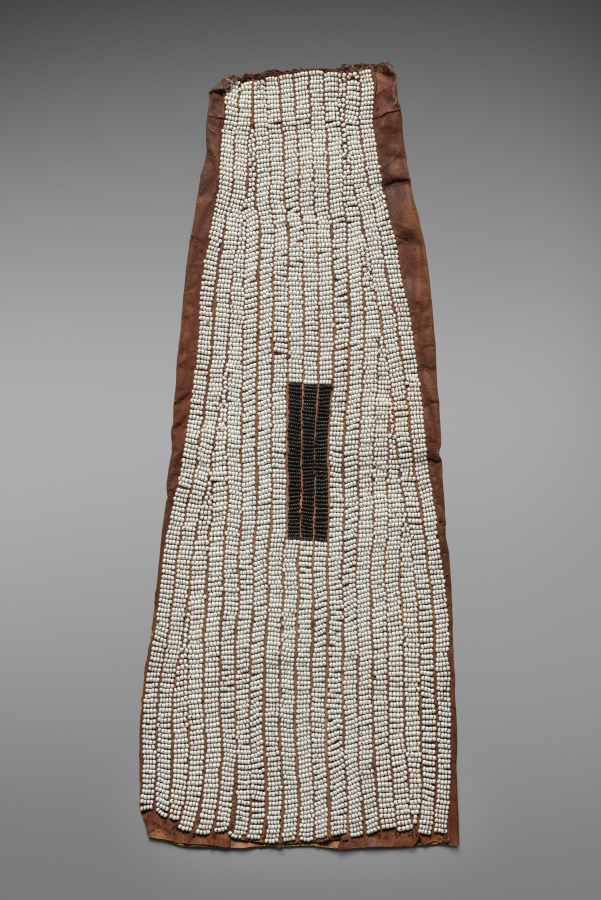
Royal ceremonial headdress (umnqwazi) at the Cleveland Museum of Art: 1800s, Glass beads, sinew, and hide. Explore the work's context, creator attribution and collection history.

Painted Drum at the Cleveland Museum of Art: 500–1000, Animal hide, gesso, wooden slats, pigment. Explore the work's context, creator attribution and collection history.

Le Dévouement des Citoyennes de Paris (The Dedication of the Citizens of Paris) at the Cleveland Museum of Art: 1794, Oil on canvas. Explore the work's context, creator attribution and collection history.
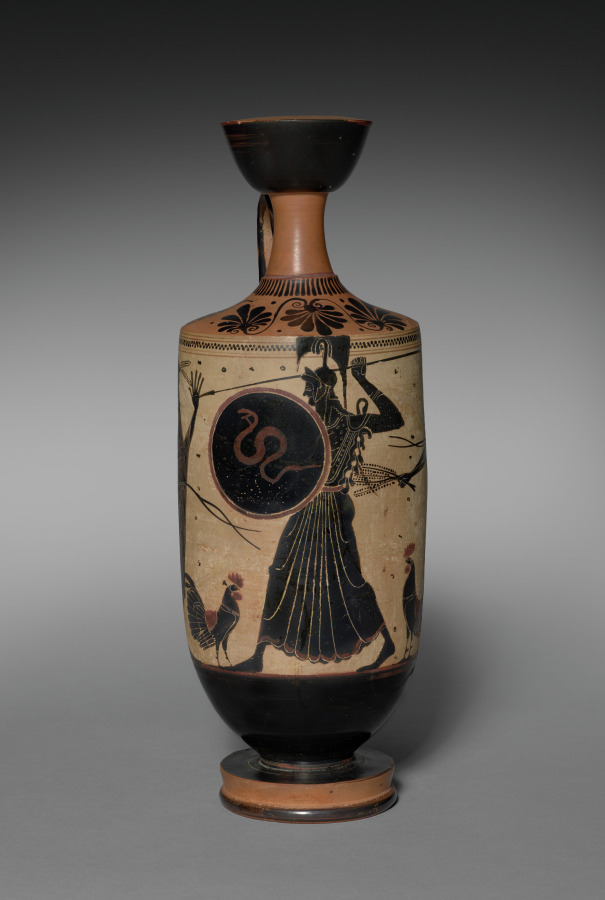
Black-Figure White-Ground Lekythos (Oil Vessel): Athena between Cocks and Hieropoioi (Officials) at the Cleveland Museum of Art: 500–485 BCE, Ceramic. Explore the work's context, creator attribution and collection history.
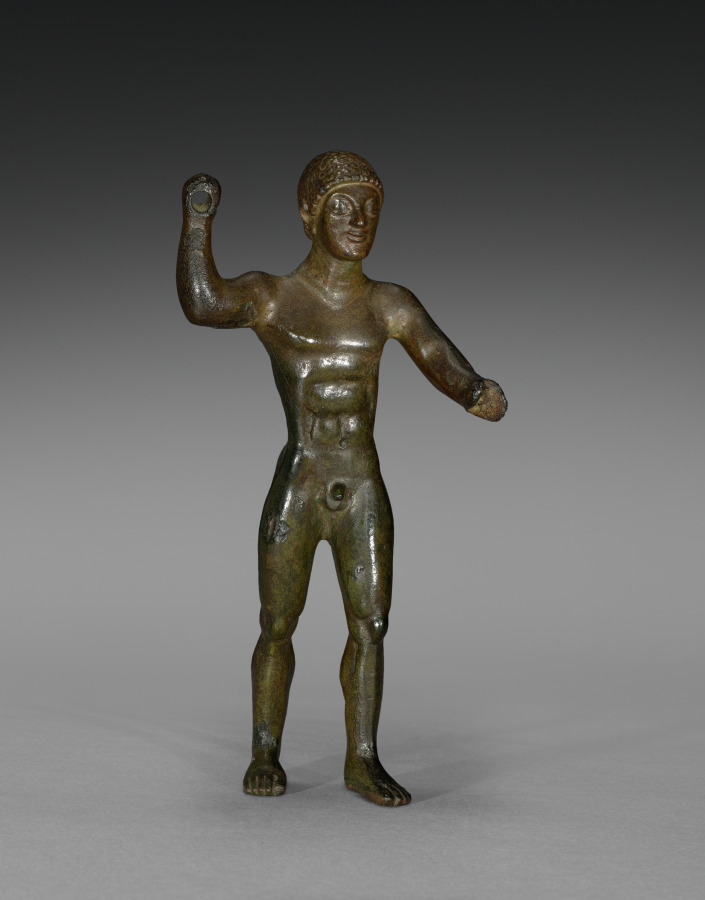
Statuette of a Young Spearman at the Cleveland Museum of Art: late 500s BCE, Bronze. Explore the work's context, creator attribution and collection history.

Pastoral Landscape with Ruins at the Cleveland Museum of Art: c. 1722, etching and open-bite on laid paper. Explore the work's context, creator attribution and collection history.
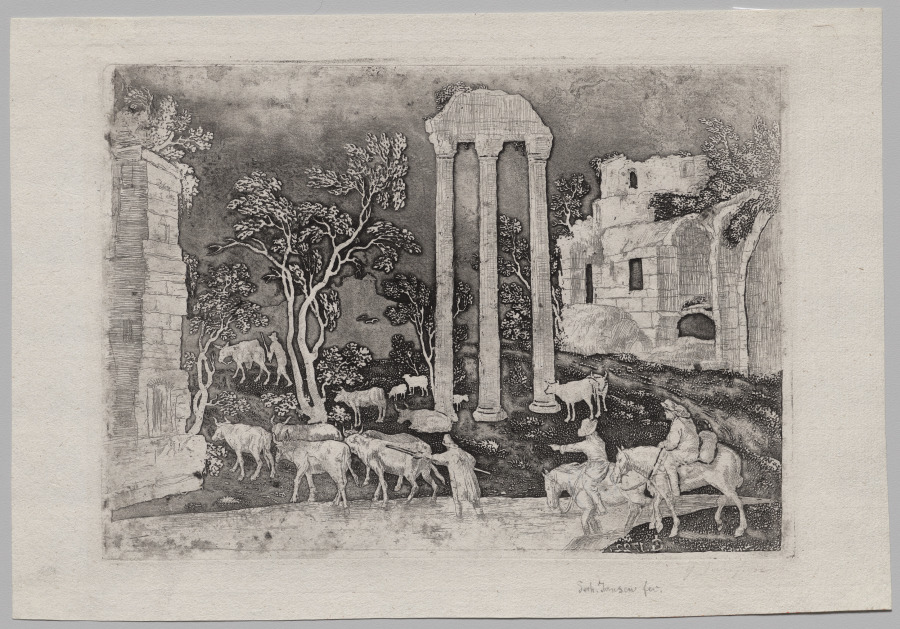
Pastoral Landscape with Ruins and a Ford at the Cleveland Museum of Art: 1722, etching and open-bite on laid paper. Explore the work's context, creator attribution and collection history.

India at the Cleveland Museum of Art: 1865–68, published 1869–70, album with 39 albumen prints. Explore the work's context, creator attribution and collection history.

Buktawur's Tank, Ulwur at the Cleveland Museum of Art: 1865–68, published 1869–70, Albumen print from glass plate negative. Explore the work's context, creator attribution and collection history.

The King's Temples, Ulwur at the Cleveland Museum of Art: 1865–68, published 1869–70, Albumen print from glass plate negative. Explore the work's context, creator attribution and collection history.

Mausoleum of Rajah Buktawur, Ulwur at the Cleveland Museum of Art: 1865–68, published 1869–70, Albumen print from glass plate negative. Explore the work's context, creator attribution and collection history.

Fortified Peak, Near the Tank, Ulwur at the Cleveland Museum of Art: 1865–68, published 1869–70, Albumen print from glass plate negative. Explore the work's context, creator attribution and collection history.

The Maha Rao Rajad, Sheodan Sing, Ulwur at the Cleveland Museum of Art: 1865–68, published 1869–70, Albumen print from glass plate negative. Explore the work's context, creator attribution and collection history.

A Chatri, Ulwur at the Cleveland Museum of Art: 1865–68, published 1869–70, Albumen print from glass plate negative. Explore the work's context, creator attribution and collection history.

Palace of the Bhurtpore Rajahs, Dëeg at the Cleveland Museum of Art: 1865–68, published 1869–70, Albumen print from glass plate negative. Explore the work's context, creator attribution and collection history.

Monumental Entrance of the Gardens, Secundra at the Cleveland Museum of Art: 1865–68, published 1869–70, Albumen print from glass plate negative. Explore the work's context, creator attribution and collection history.

The Tomb of Akber, Secundra at the Cleveland Museum of Art: 1865–68, published 1869–70, Albumen print from glass plate negative. Explore the work's context, creator attribution and collection history.

Upper Stories of Akber's Tomb, Secundra at the Cleveland Museum of Art: 1865–68, published 1869–70, Albumen print from glass plate negative. Explore the work's context, creator attribution and collection history.

A View in the Gardens, Secundra at the Cleveland Museum of Art: 1865–68, published 1869–70, Albumen print from glass plate negative. Explore the work's context, creator attribution and collection history.
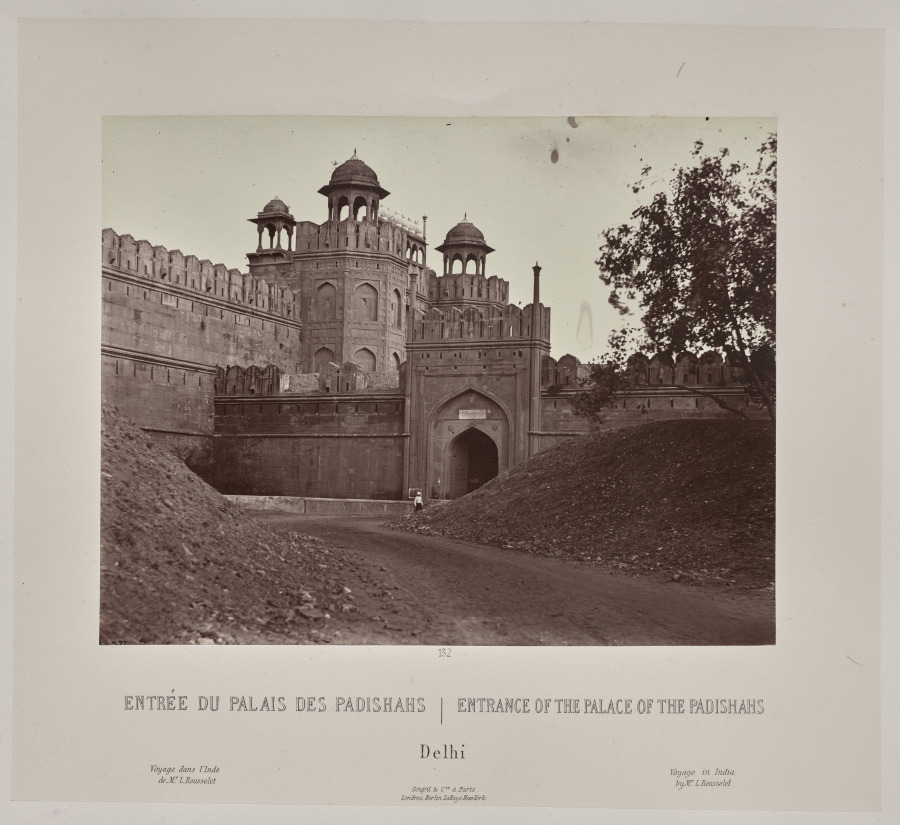
Entrance of the Palace of the Padishahs, Delhi at the Cleveland Museum of Art: 1865–68, published 1869–70, Albumen print from glass plate negative. Explore the work's context, creator attribution and collection history.

The Jummah Musjid, Delhi at the Cleveland Museum of Art: 1865–68, published 1869–70, Albumen print from glass plate negative. Explore the work's context, creator attribution and collection history.

Facade of the Jummah Musjid, Delhi at the Cleveland Museum of Art: 1865–68, published 1869–70, Albumen print from glass plate negative. Explore the work's context, creator attribution and collection history.

Mausoleum of the Emperor Hoomayoon, Delhi at the Cleveland Museum of Art: 1865–68, published 1869–70, Albumen print from glass plate negative. Explore the work's context, creator attribution and collection history.

Mosque of Kootub, Delhi at the Cleveland Museum of Art: 1865–68, published 1869–70, Albumen print from glass plate negative. Explore the work's context, creator attribution and collection history.

The Lât of Dhava and the Courtyard of Pirthi Raj, Delhi at the Cleveland Museum of Art: 1865–68, published 1869–70, Albumen print from glass plate negative. Explore the work's context, creator attribution and collection history.

Colonnades of Pirthi Raj, Delhi at the Cleveland Museum of Art: 1865–68, published 1869–70, Albumen print from glass plate negative. Explore the work's context, creator attribution and collection history.

Colonnades of Pirthi Raj, Interior View, Delhi at the Cleveland Museum of Art: 1865–68, published 1869–70, Albumen print from glass plate negative. Explore the work's context, creator attribution and collection history.

The Kootub Minar, Delhi at the Cleveland Museum of Art: 1865–68, published 1869–70, Albumen print from glass plate negative. Explore the work's context, creator attribution and collection history.

Ala-Oodeen's Gateway, Delhi at the Cleveland Museum of Art: 1865–68, published 1869–70, Albumen print from glass plate negative. Explore the work's context, creator attribution and collection history.