The Flight into Egypt (1470–74): Art, History and Details
The Flight into Egypt at the Cleveland Museum of Art: 1470–74, engraving. Explore the work's context, creator attribution and collection history.
Oldest entries first, in a fixed order. Newly added articles appear at the end. Explore a shuffled selection →
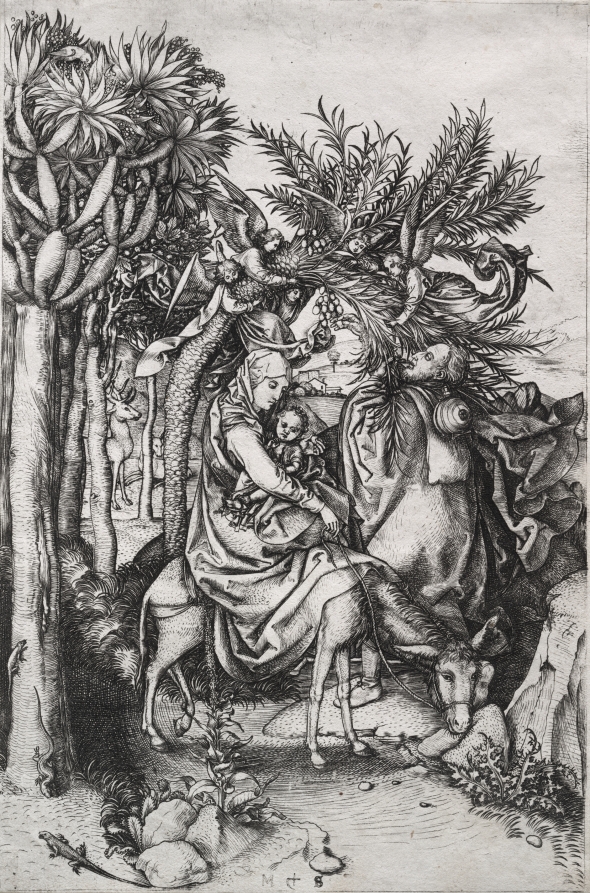
The Flight into Egypt at the Cleveland Museum of Art: 1470–74, engraving. Explore the work's context, creator attribution and collection history.

Gunakali Ragini at the Cleveland Museum of Art: c. 1750, Gum tempera and gold on paper. Explore the work's context, creator attribution and collection history.

Pure Tones among Hills and Waters at the Cleveland Museum of Art: 1664, Handscroll; ink and light color on paper. Explore the work's context, creator attribution and collection history.
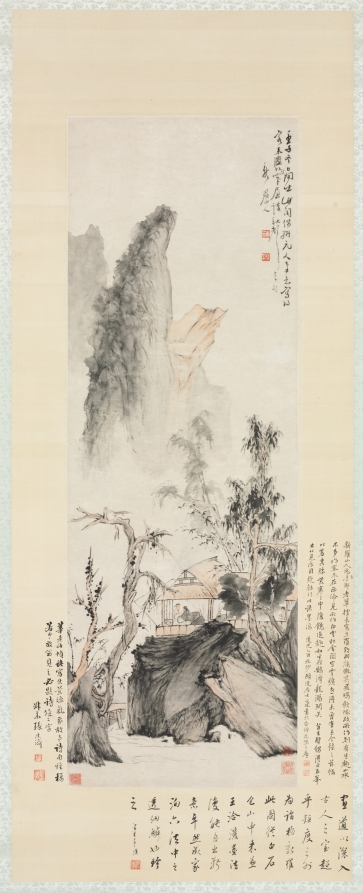
Conversation in Autumn at the Cleveland Museum of Art: 1732, Hanging scroll; ink and light color on paper. Explore the work's context, creator attribution and collection history.
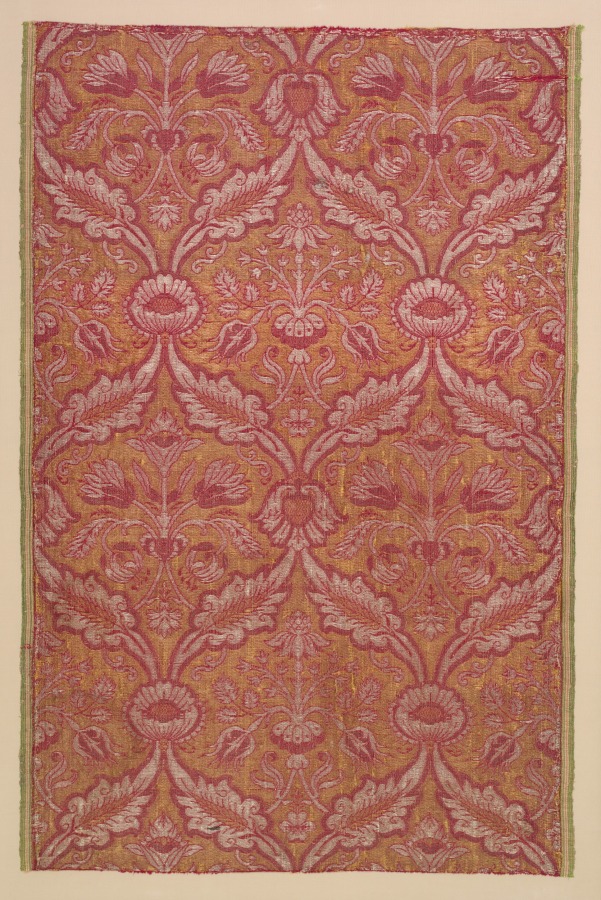
Textile with Flora at the Cleveland Museum of Art: c. 1500s, silk, linen, silver thread. Explore the work's context, creator attribution and collection history.

Sleep (Jean-René Carrière), from L'Album d'estampes originales de la Galerie Vollard at the Cleveland Museum of Art: 1897, lithograph. Explore the work's context, creator attribution and collection history.
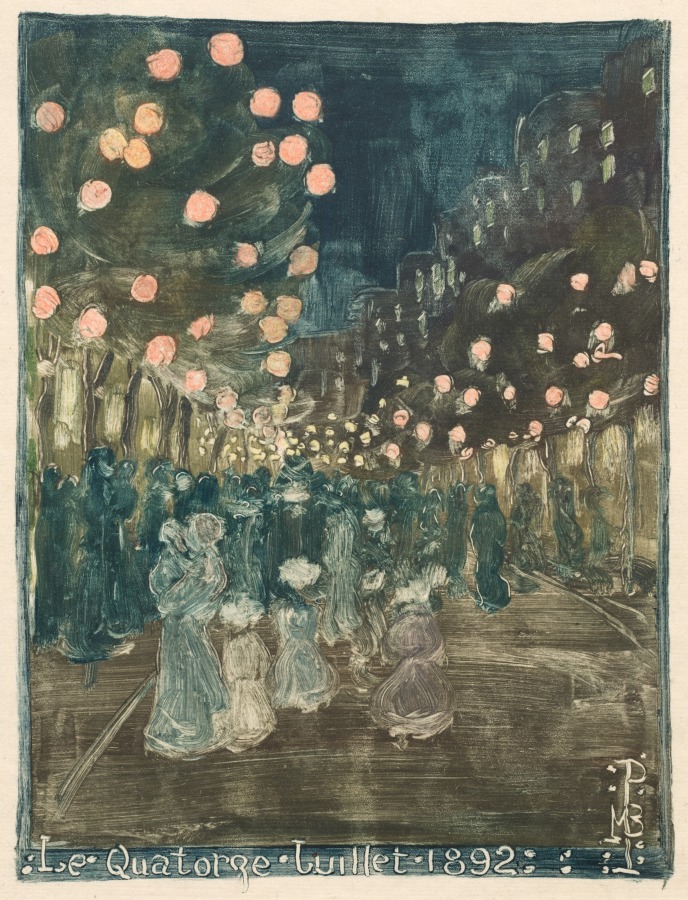
Bastille Day at the Cleveland Museum of Art: 1892, color monotype. Explore the work's context, creator attribution and collection history.
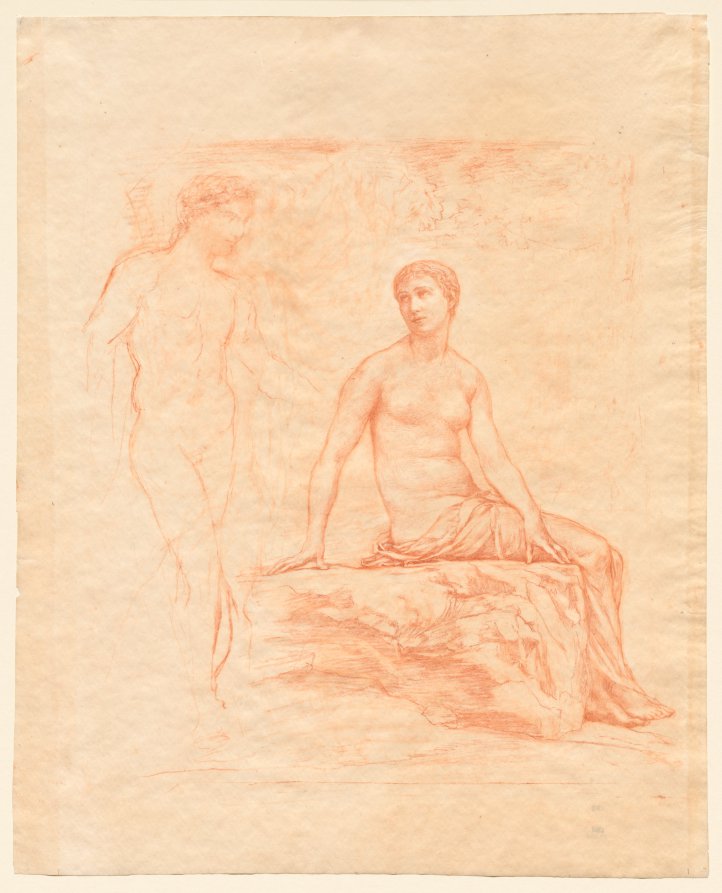
Bacchus and Ariadne at the Cleveland Museum of Art: c. 1880, red chalk (rubbed in places). Explore the work's context, creator attribution and collection history.
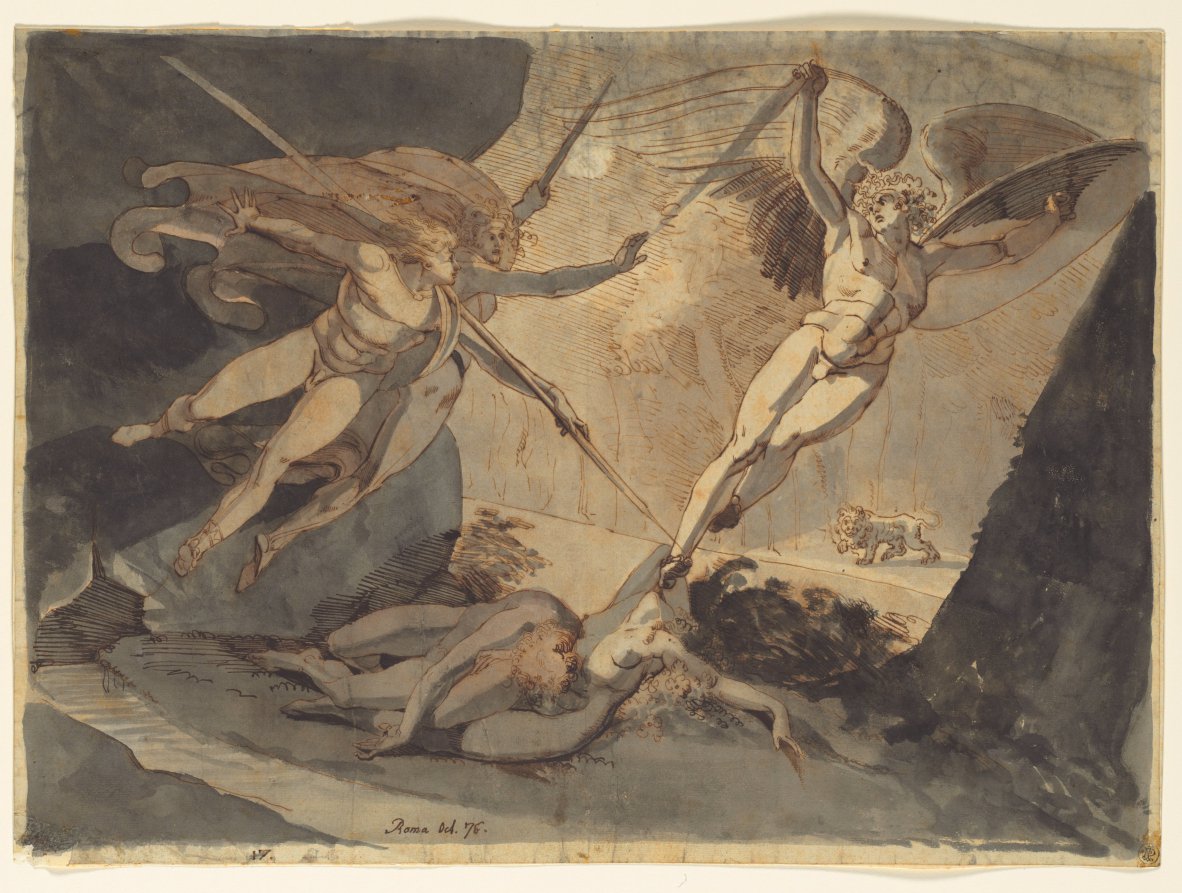
Satan Starts from the Touch of Ithuriel's Spear at the Cleveland Museum of Art: 1776, pen and brown ink and brush and gray wash. Explore the work's context, creator attribution and collection history.
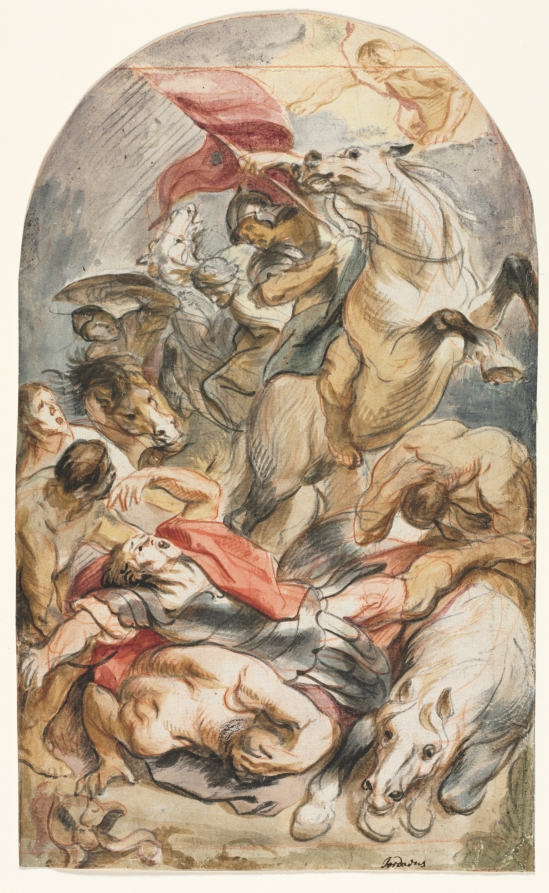
The Conversion of Saul with Horseman and Banner at the Cleveland Museum of Art: c. 1645–47, Black and red chalk, pen and black and gray ink, brush and brown wash, watercolor, and gouache, heightened with white gouache; framing lines in red
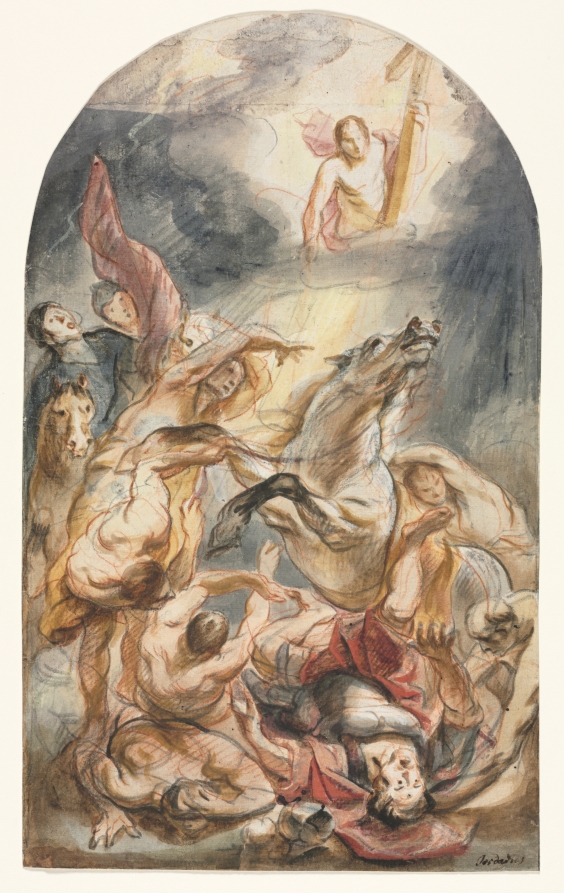
The Conversion of Saul with Christ and the Cross at the Cleveland Museum of Art: c. 1645–47, brush and brown wash, gouache and watercolor over black and red chalk, heightened with traces of white; framing lines in graphite. Explore the work

Palace Ladies at the Cleveland Museum of Art: 1644–1911, handscroll; ink and color on silk. Explore the work's context, creator attribution and collection history.
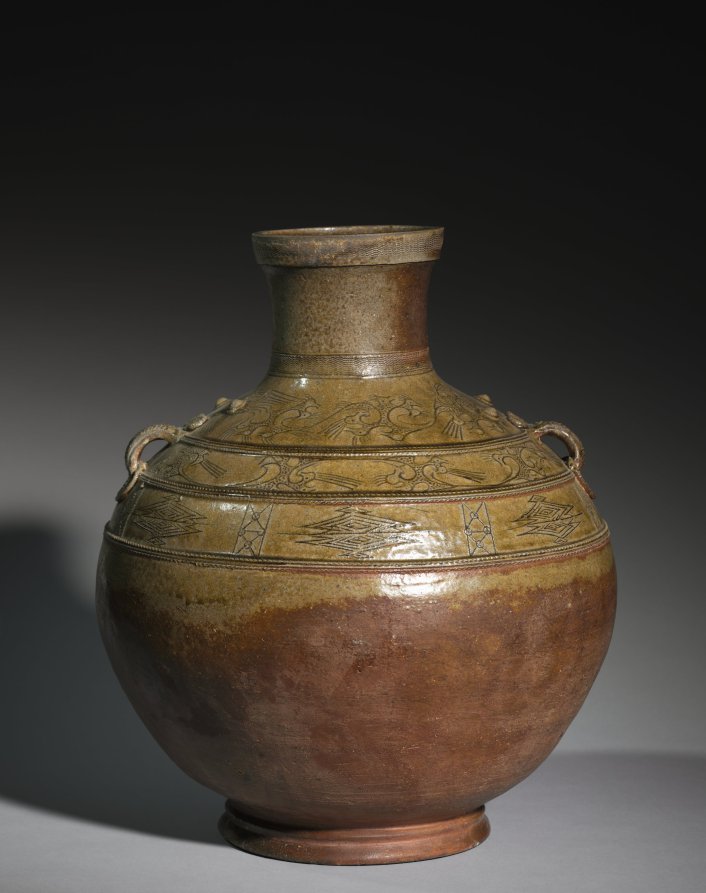
Jar (Hu) at the Cleveland Museum of Art: 100 BCE–100 CE, glazed stoneware with incised and applied decoration. Explore the work's context, creator attribution and collection history.
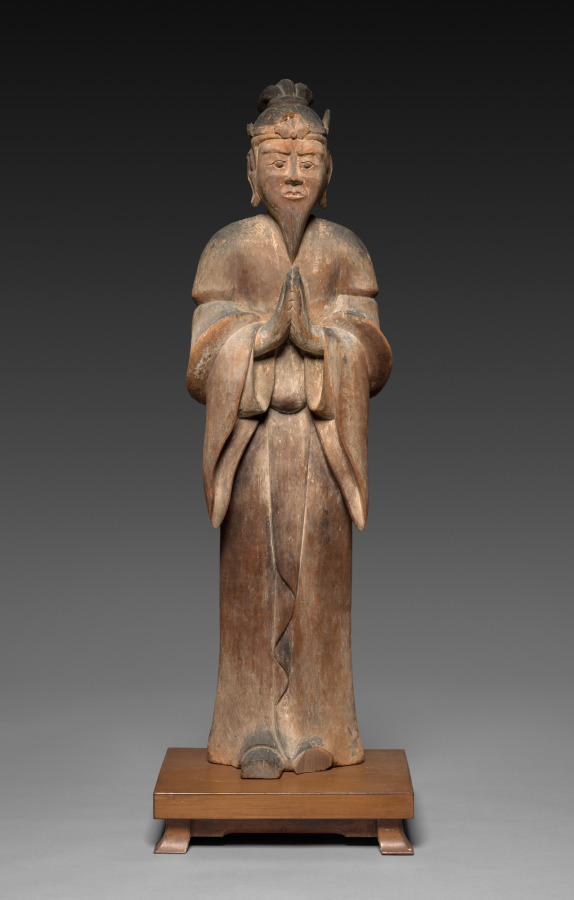
Deity at the Cleveland Museum of Art: 1100s, Magnolia wood with traces of color. Explore the work's context, creator attribution and collection history.

Callot Figure at the Cleveland Museum of Art: c. 1720, porcelain. Explore the work's context, creator attribution and collection history.
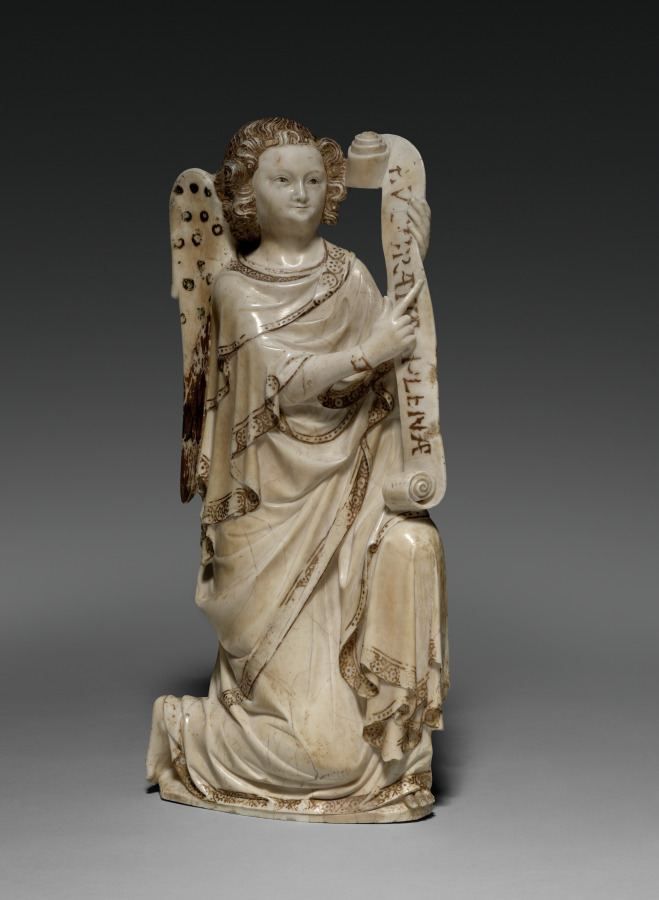
The Archangel Gabriel from an Annunciation Group at the Cleveland Museum of Art: c. 1350, alabaster with traces of paint and gilding. Explore the work's context, creator attribution and collection history.
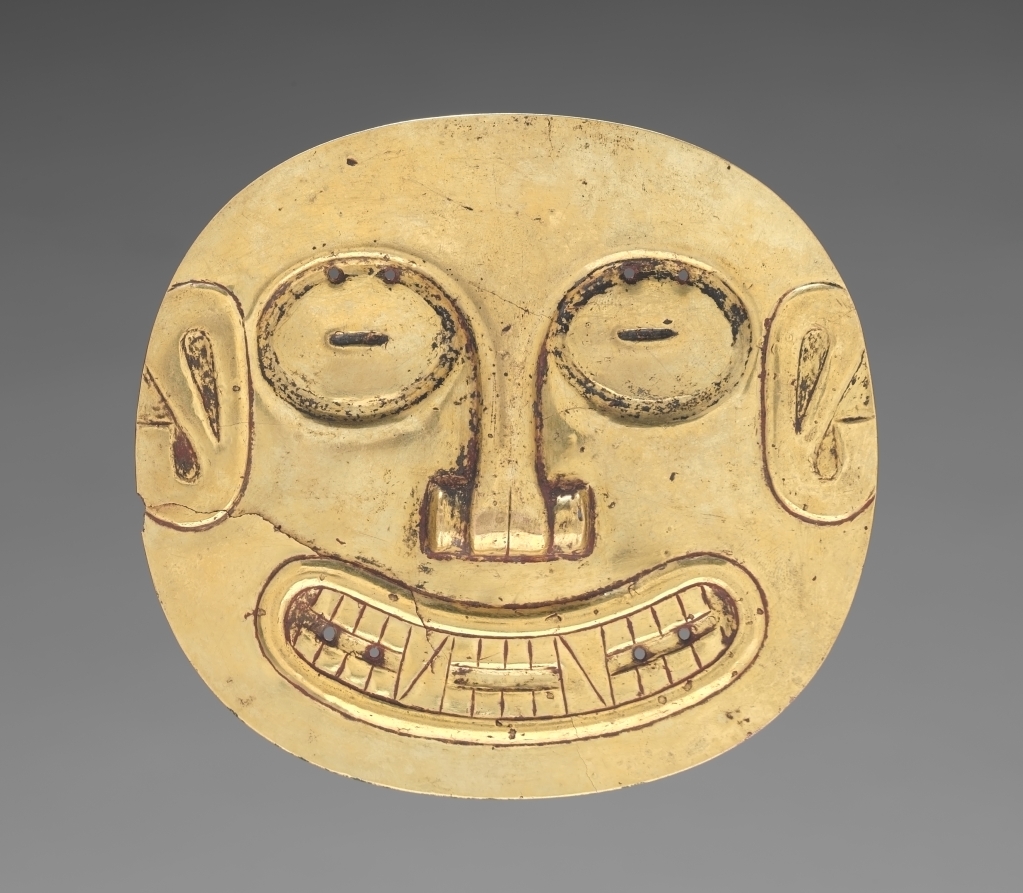
Ornament from Sitio Conte: Small Plaque at the Cleveland Museum of Art: c. 400–500, hammered gold. Explore the work's context, creator attribution and collection history.
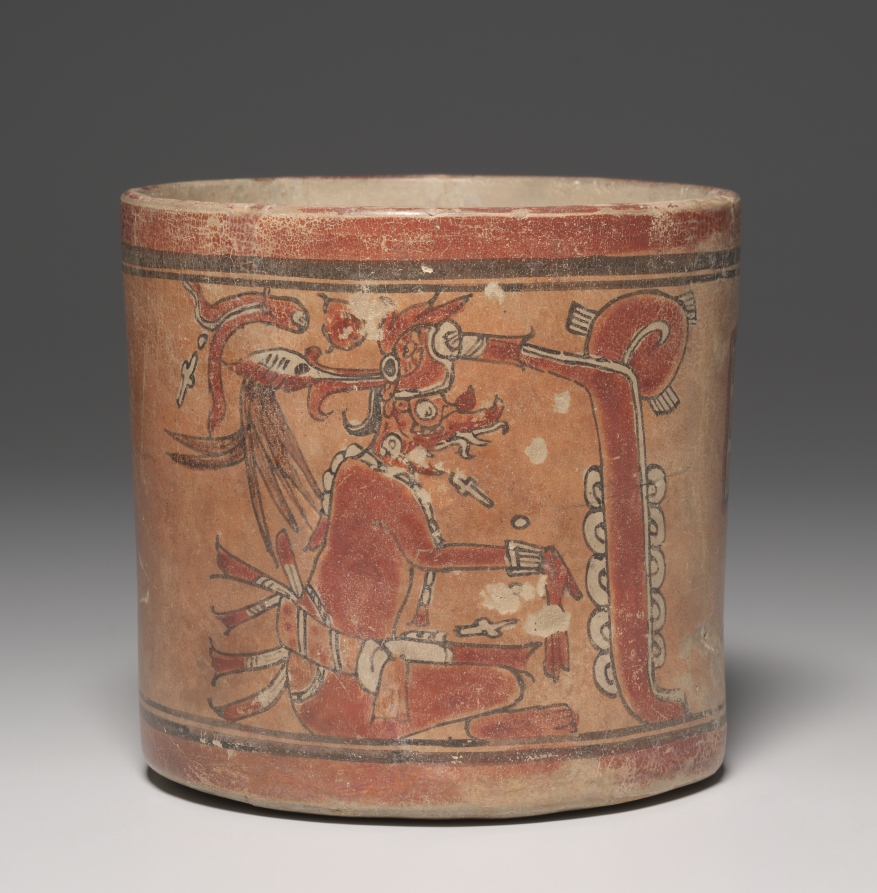
Cylinder Vessel with Deities at the Cleveland Museum of Art: 600–900, earthenware with colored slips. Explore the work's context, creator attribution and collection history.

A Genoese Lady with Her Child at the Cleveland Museum of Art: c. 1623–25, oil on canvas. Explore the work's context, creator attribution and collection history.

The Annunciation at the Cleveland Museum of Art: 1380s, tempera and oil with gold on wood. Explore the work's context, creator attribution and collection history.

A Csonka Templon, Debriczen, Hungary at the Cleveland Museum of Art: c. 1927, lithograph. Explore the work's context, creator attribution and collection history.
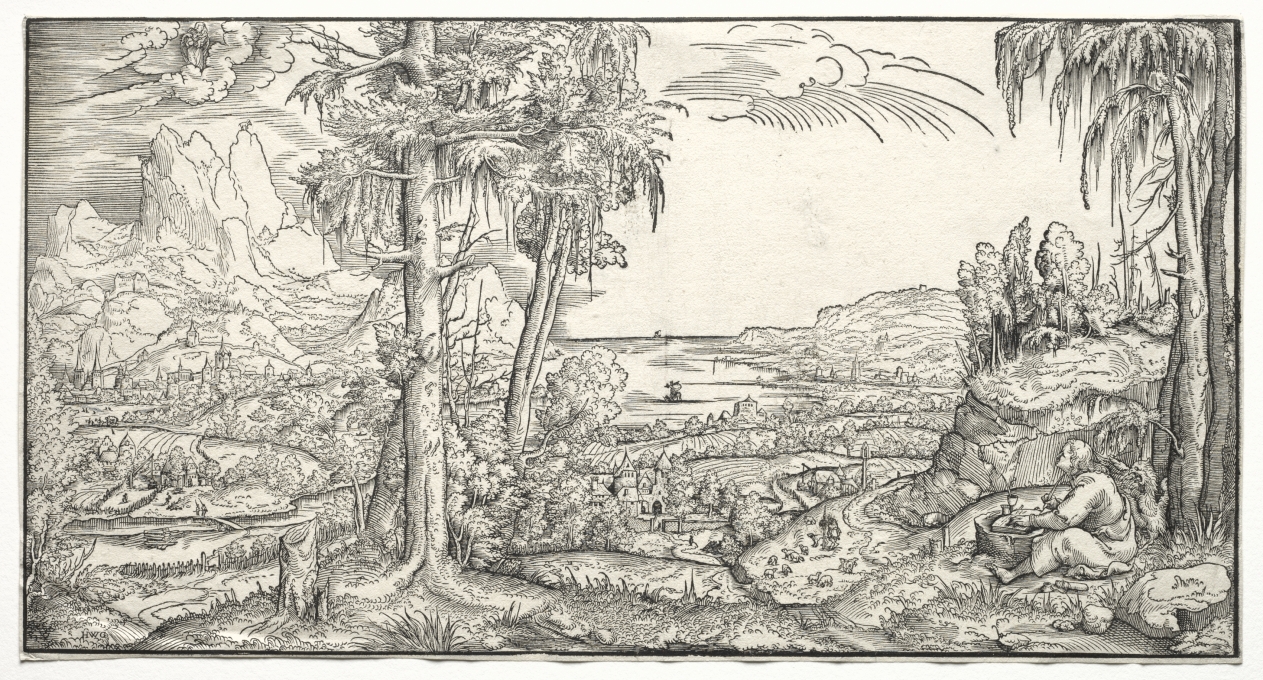
St. John on the Island of Patmos at the Cleveland Museum of Art: c. 1545–55, woodcut. Explore the work's context, creator attribution and collection history.
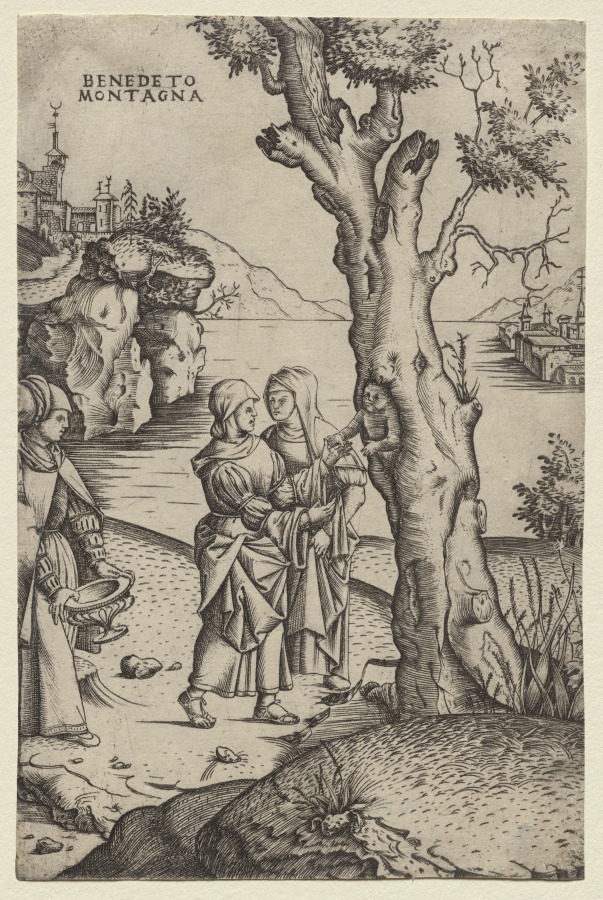
Birth of Adonis at the Cleveland Museum of Art: c. 1515–20, engraving. Explore the work's context, creator attribution and collection history.
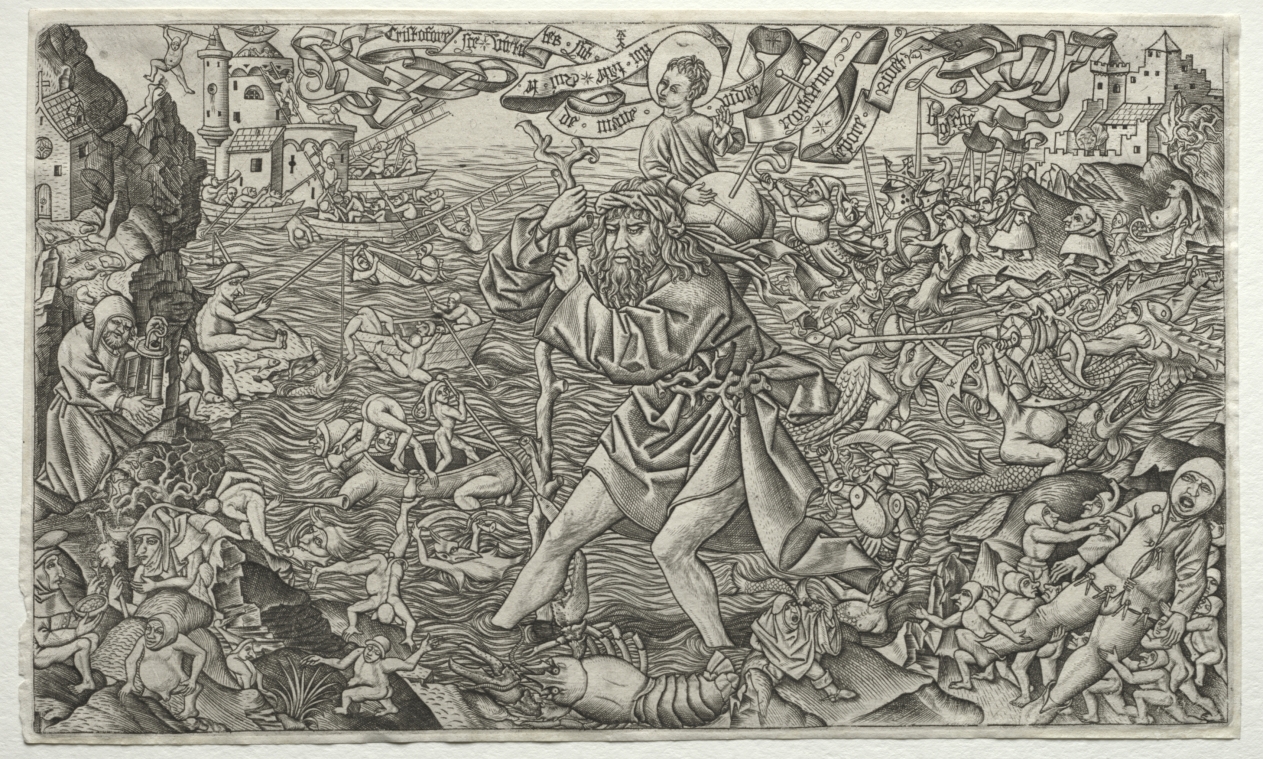
St. Christopher at the Cleveland Museum of Art: 1478–1506, engraving. Explore the work's context, creator attribution and collection history.

Backyards in Winter (Castoff Christmas Tree) at the Cleveland Museum of Art: January 1917, watercolor, gouache, blue and orange crayons, and black wash on wove paper. Explore the work's context, creator attribution and collection history.

Saying Farewell at Xunyang (Song of the Pipa) at the Cleveland Museum of Art: 1500s, handscroll; ink and color on paper. Explore the work's context, creator attribution and collection history.
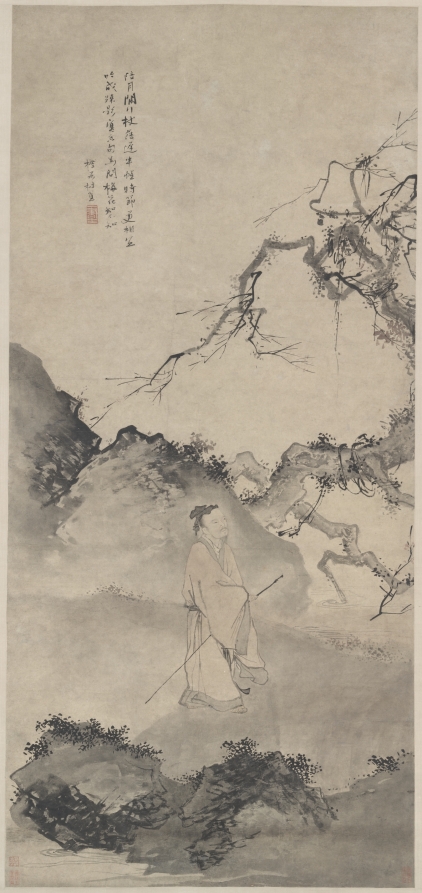
The Poet Lin Bu Wandering in the Moonlight at the Cleveland Museum of Art: late 1400s, Hanging scroll; ink and color on paper. Explore the work's context, creator attribution and collection history.
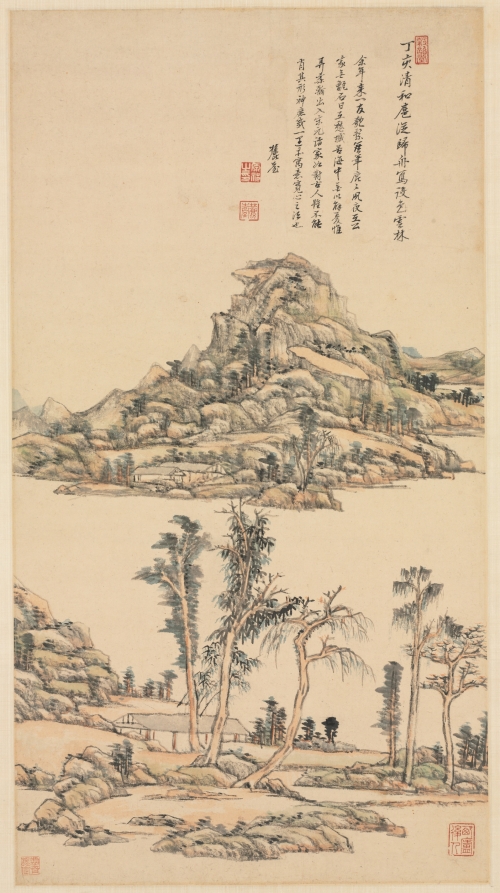
Landscape after Ni Zan at the Cleveland Museum of Art: 1707, Hanging scroll; ink and light color on paper. Explore the work's context, creator attribution and collection history.
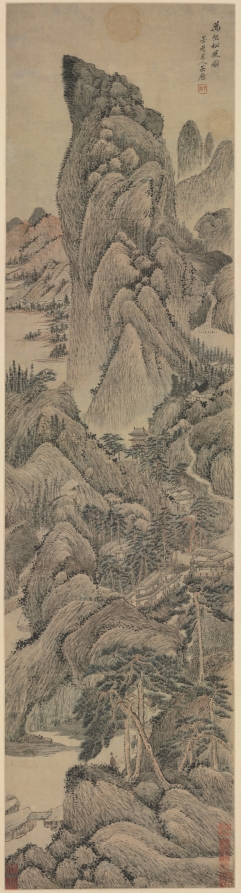
Pine Wind from Myriad Villages at the Cleveland Museum of Art: late 1600s–1718, Hanging scroll; ink and light color on paper. Explore the work's context, creator attribution and collection history.
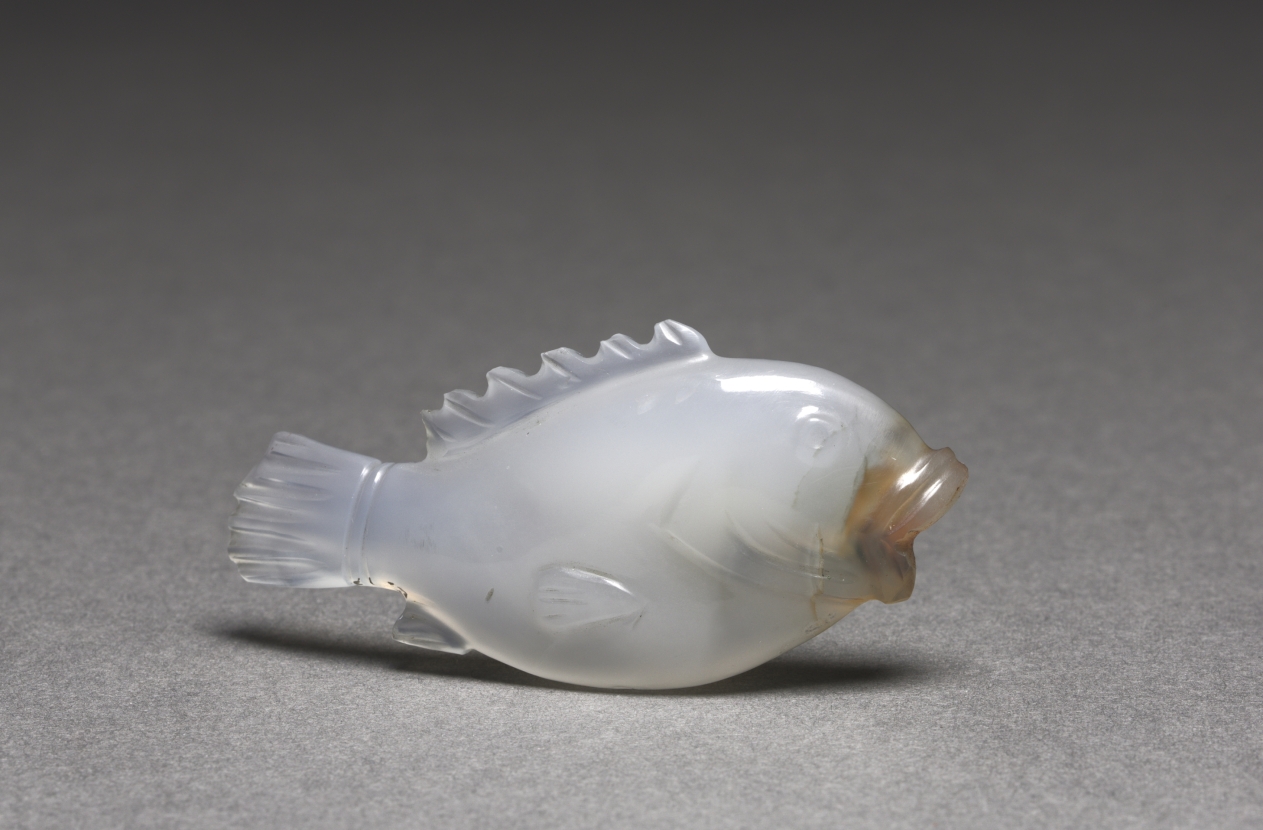
Fish Gem at the Cleveland Museum of Art: c. 250–350 CE, rock crystal. Explore the work's context, creator attribution and collection history.
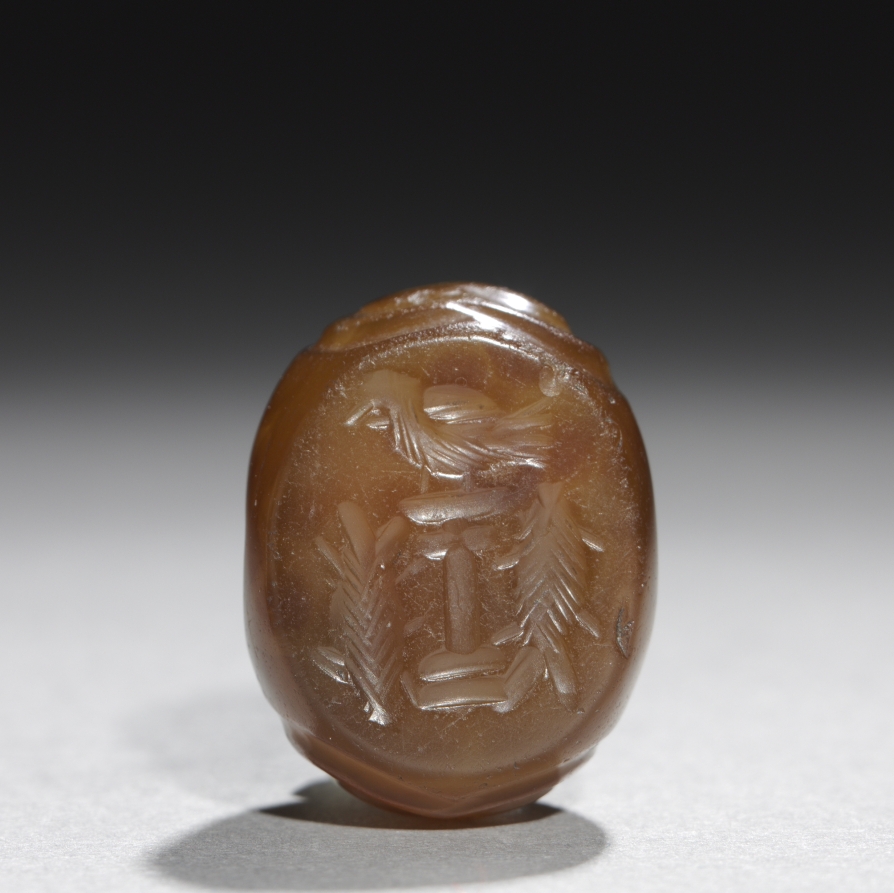
Fire Altar Intaglio at the Cleveland Museum of Art: c. 400 CE, chalcedony. Explore the work's context, creator attribution and collection history.
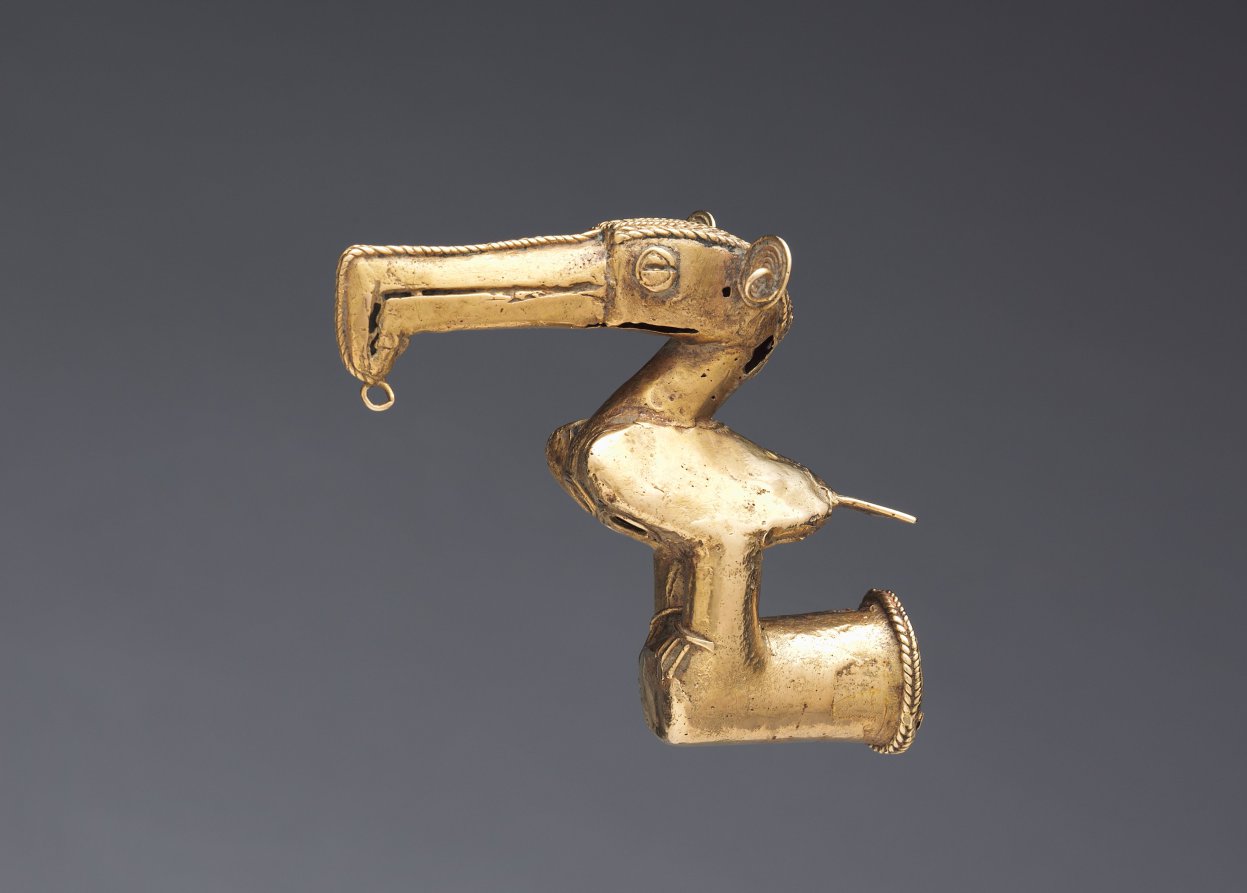
Staff Head at the Cleveland Museum of Art: 400–1000 CE, cast gold. Explore the work's context, creator attribution and collection history.

Lamp and Stand at the Cleveland Museum of Art: late 300s CE, silver. Explore the work's context, creator attribution and collection history.
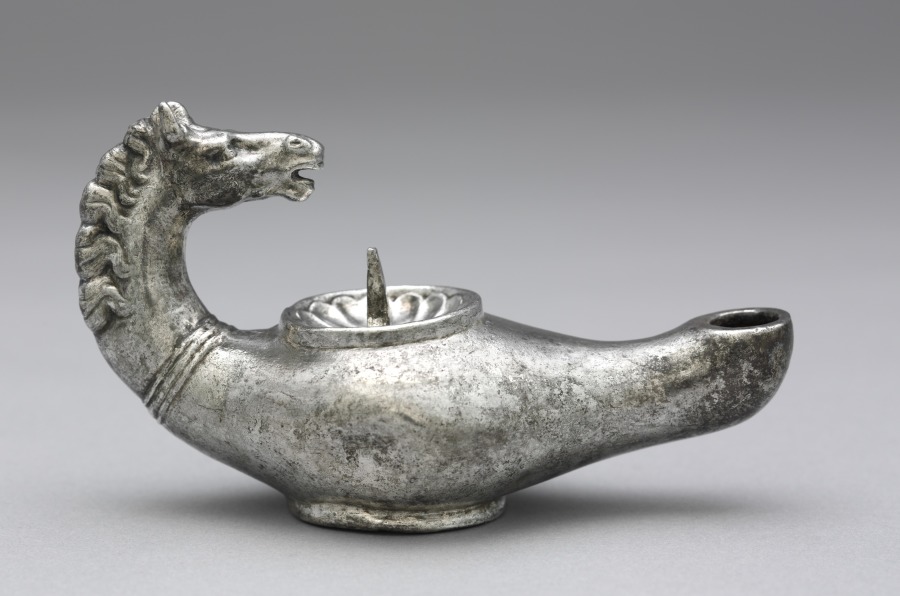
Lamp at the Cleveland Museum of Art: late 300s CE, silver. Explore the work's context, creator attribution and collection history.
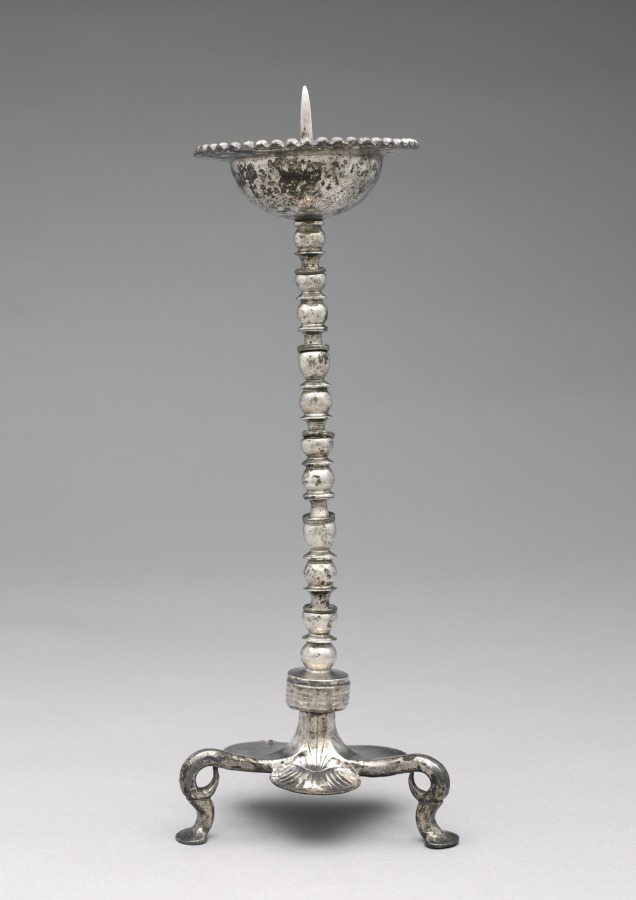
Stand at the Cleveland Museum of Art: late 300s CE, silver. Explore the work's context, creator attribution and collection history.

Single Leaf from a Decretum by Gratian: Decorated Initial Q[uidam habens filium obtulit] and Quadruple Arcade with Concordance of Greek and Latin Alphabets at the Cleveland Museum of Art: c. 1160–1165, ink and tempera on vellum. Explore the

Single Leaf from a Decretum by Gratian: Decorated Initial Q[uidam habens filium obtulit] at the Cleveland Museum of Art: c. 1160–1165, ink and tempera on vellum. Explore the work's context, creator attribution and collection history.
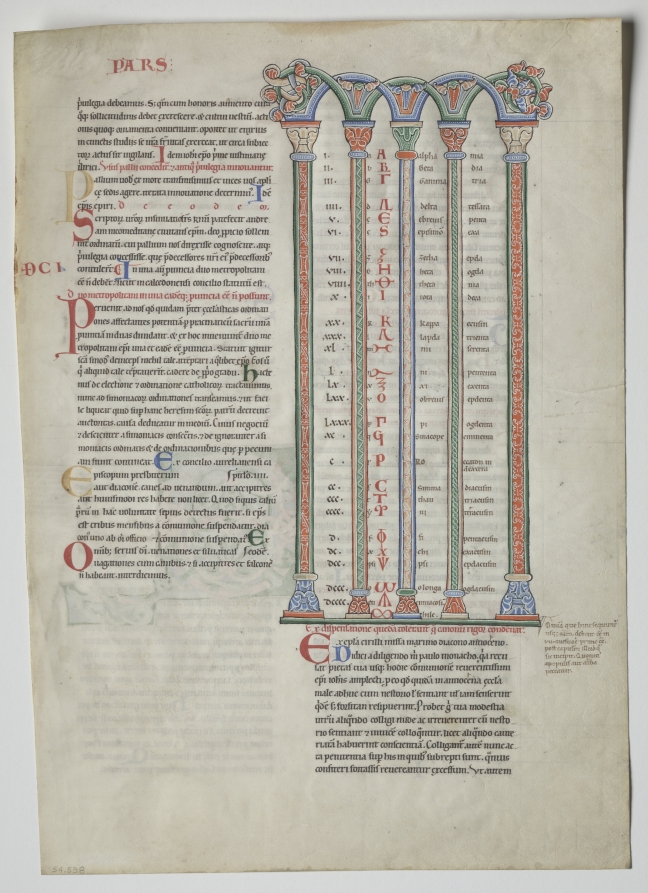
Single Leaf from a Decretum by Gratian: Quadruple Arcade with Concordance of Greek and Latin Alphabets at the Cleveland Museum of Art: c. 1160–1165, ink and tempera on vellum. Explore the work's context, creator attribution and collection h

Casket at the Cleveland Museum of Art: late 1300s, painted and gilded gesso on wood. Explore the work's context, creator attribution and collection history.
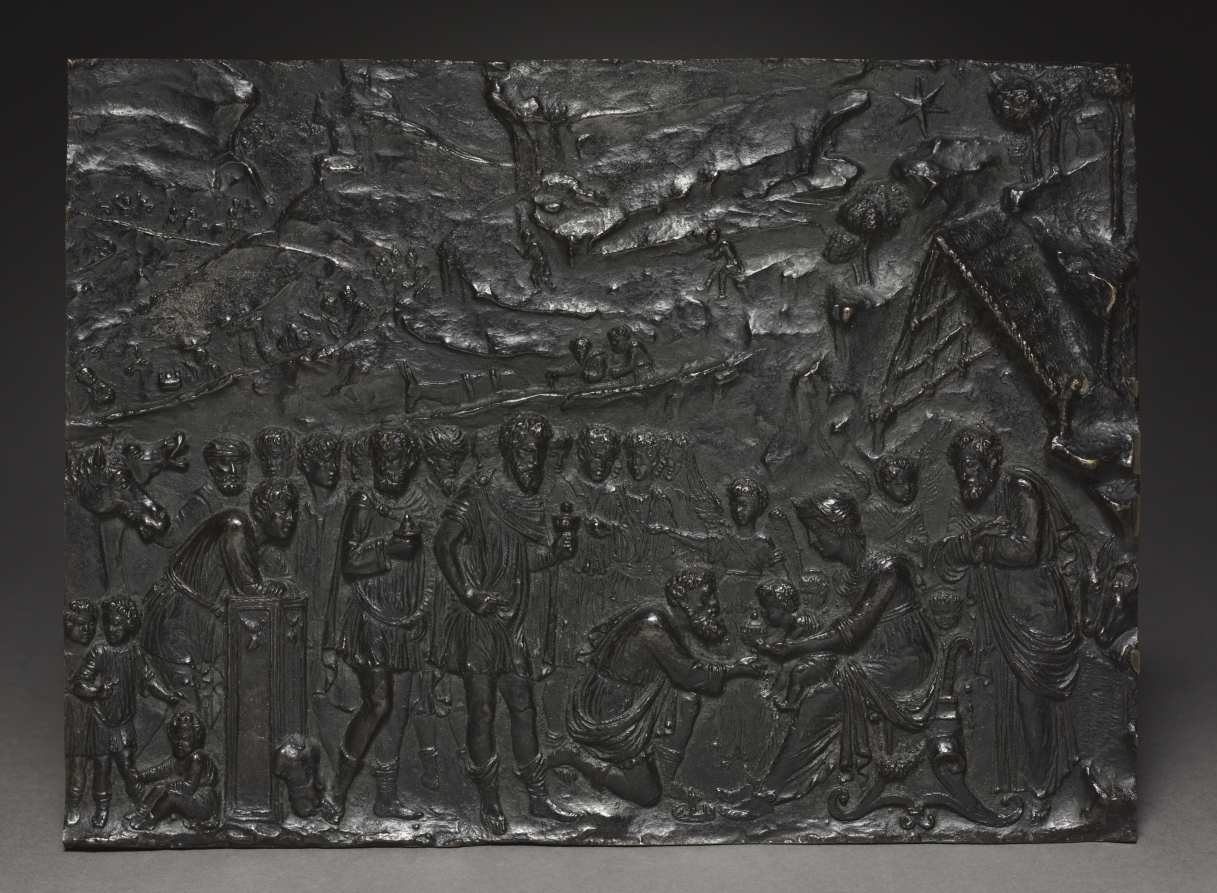
Adoration of the Magi at the Cleveland Museum of Art: c. 1500–1525, bronze. Explore the work's context, creator attribution and collection history.